
Sugar for biscuits is the refined white cane sugar, and sometimes brown sugar, that biscuit and cookie factories buy in bulk to sweeten their dough and control how it spreads, browns and snaps. For most sweet biscuits the right choice is a clean, low-colour grade such as ICUMSA 45, with a fine to medium crystal size, because crystal size changes how far the dough spreads in the oven. Darker biscuits like ginger nuts and digestives can use ICUMSA 100, 150 or brown sugar for less money. We sell sugar for biscuits to biscuit manufacturers, industrial bakeries and distributors worldwide, in 50 kg bags or 1 MT jumbo bags, shipped by container.
This guide is written for biscuit plant owners, production managers, technologists and buyers. It explains what sugar actually does in a biscuit, how much goes in, which grade and crystal size suit which product, what to check on a spec sheet, how to store and handle sugar in a bakery, and how to buy it at a fair delivered price. We link to research and official documents where we use them. Where something is our own view as a sugar supplier, we say so.
Sugar for biscuits: what we sell
These are the grades biscuit and cookie makers buy from us. Each product page has the full specification sheet.
- Refined ICUMSA 45 sugar: 45 IU max, polarization 99.80% min, moisture 0.04% max, ash 0.04% max. For rich tea, Marie, shortbread, butter cookies, sandwich creams and wafers.
- Refined sugar ICUMSA 35: 35 IU max, polarization 99.80% min, SO₂ 20 mg/kg max. For the whitest creams, icings and premium butter biscuits.
- Crystal white sugar: sparkling white, polarization 99.8% min, fine to medium crystal. Good for creaming and for milling into icing sugar.
- Cane sugar ICUMSA 100: 100 IU max, polarization 99.8% min. For digestives, oat biscuits, chocolate cookies and other golden or brown products.
- ICUMSA 150 white sugar: 150 IU max. For ginger nuts, cocoa biscuits and dark products where colour is hidden.
- Raw brown cane sugar Grade E: ICUMSA 600 to 1200. For ginger biscuits, flapjacks, oat cookies and caramel notes.
Packing: 50 kg PP bags with inner liner, 1 MT jumbo bags. Shipping: 20 ft containers, about 25 MT each. Terms: FOB or CIF your port. Ask for a biscuit sugar quote.
See the full range on our products page.
Why sugar is so important in biscuits
In bread, sugar is a minor ingredient. In biscuits it’s one of the big three, next to flour and fat. Researchers writing in the journal Foods note that short doughs, the type used for most sweet biscuits, typically contain 17 to 33% sugar by dough weight, and even lower-sugar rotary-moulded doughs sit at around 10 to 20%.
That makes sugar for biscuits one of the largest raw material costs in a biscuit plant, often second only to flour and fat. It also means that small changes in the sugar you buy show up in the finished biscuit: a slightly different crystal size or colour can change how wide the biscuit bakes, how golden it gets and how it snaps.
Researchers at Wageningen University put it simply: besides providing sweetness, sucrose has important functions in structure and texture formation. In other words, sugar isn’t just there to make biscuits sweet. It builds the biscuit.
What sugar does in a biscuit
It controls spread
As the dough heats in the oven, sugar dissolves in the water in the dough. That dissolved sugar makes the dough softer and more fluid, so it flows outwards before the structure sets. The more sugar dissolves, and the faster it dissolves, the more the biscuit spreads. This is why spread is one of the first things to check when you change sugar supplier or grade.
It limits gluten development
Sugar competes with flour for water. With less water available, gluten forms more slowly and less strongly. The Foods study notes that gluten development slows as sugar concentration increases. That’s what gives short biscuits their tender, crumbly bite instead of a chewy, bread-like texture.
It makes biscuits crisp
After baking, the dissolved sugar sets into a glassy state as the biscuit cools and dries. That glassy sugar is a big part of the crisp snap of a good biscuit. It’s also why biscuits go soft if they pick up moisture from the air: the sugar softens again.
It gives colour and flavour
Sugar takes part in browning. The European Food Information Council explains that sugars react with amino acids in the Maillard reaction and caramelise when heated, producing colour and flavour. In biscuits, that’s the golden edge and the toasted, baked taste.
It helps creaming
In many biscuit recipes, fat and sugar are beaten together first. The sharp edges of sugar crystals cut tiny air pockets into the fat. Those air cells help with texture and lift. Crystal size matters here too: too coarse and the crystals don’t cream evenly; too fine and you get less aeration.
It sweetens
And of course it makes the biscuit sweet. But as you can see, that’s only one of its jobs.
Crystal size: the detail most buyers miss
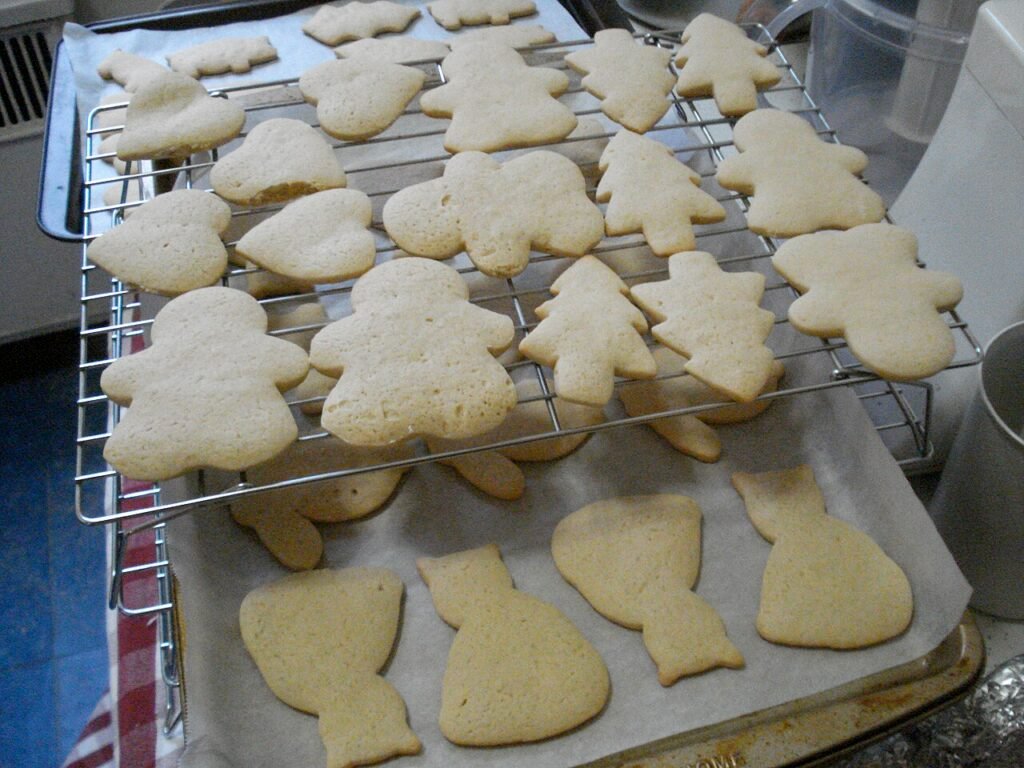
When buyers compare offers for sugar for biscuits, they usually look at ICUMSA colour and price. Crystal size often gets ignored, but for a biscuit plant it can matter just as much.
The Foods researchers summarised earlier studies this way: fine sucrose particles dissolve faster in water during baking, promoting the lateral spread of the dough, while coarser crystals produce shorter, thicker biscuits because they dissolve more slowly. They also point out that powdered sugar will probably dissolve faster than granulated sugar.
What this means in practice:
- If your biscuits suddenly spread more than usual, the new sugar may be finer than the old one.
- If they come out smaller and thicker, it may be coarser.
- If you’re making a biscuit that must fit a pack or a tray, consistent crystal size is part of keeping it on size.
- If you mill your own icing sugar, a clean, low-colour grade gives a whiter powder.
When you ask for a quote, tell your supplier what granulation you’re using now. If you have a sieve analysis from your current sugar, share it. We can then offer the closest match we have.
Sugar for biscuits by product
Rich tea, Marie and semi-sweet biscuits
Often made from harder, rotary-moulded or sheeted doughs with less sugar than short doughs. Light golden colour, so a low-colour grade such as ICUMSA 45 keeps them looking clean. These are some of the highest-volume biscuits worldwide, so consistent sugar for biscuits of this type is especially important.
Shortbread and butter biscuits
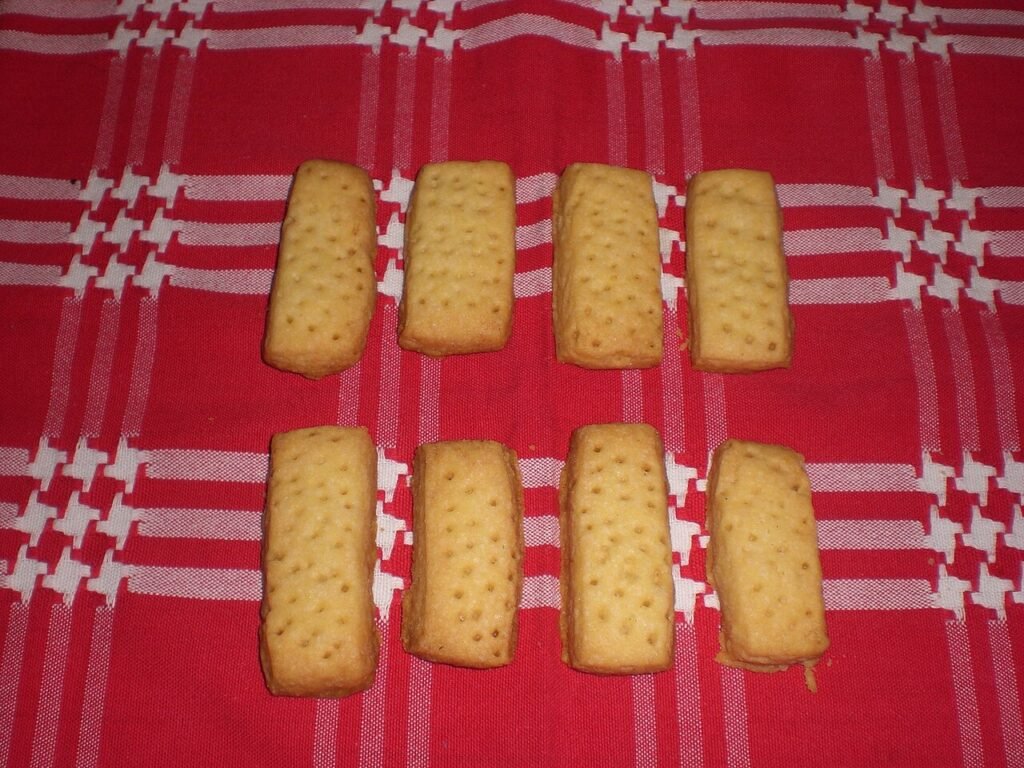
High in fat and sugar, pale in colour, with a delicate crumb. The best sugar for biscuits like these is ICUMSA 45 or 35 with a fine crystal. Any colour or specks in the sugar can show on the surface.
Digestives and oat biscuits
Golden-brown and wholesome-looking. Colour is less critical, so ICUMSA 100 often works, sometimes with some brown sugar or syrup for flavour.
Ginger nuts and spiced biscuits
Dark, crisp and often made with brown sugar, syrup or molasses, so the sugar for biscuits of this style doesn’t need to be very white. ICUMSA 150 or raw brown sugar fits here.
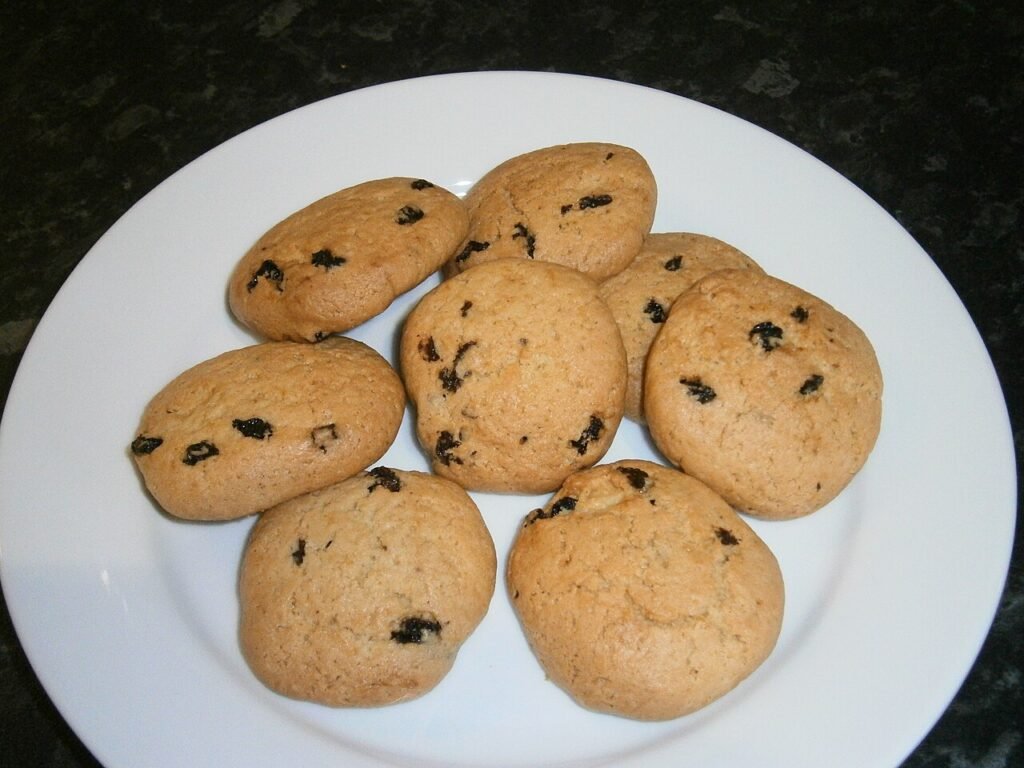
Chocolate chip and drop cookies
Spread is a big part of the look, so sugar for biscuits of this kind needs a steady crystal size. Many cookie recipes use a blend of white and brown sugar. White sugar tends to give a crisper, wider cookie; brown sugar adds moisture and chew.
Sandwich and cream biscuits
Two parts: the biscuit shells and the cream filling. The filling usually uses fine or powdered sugar, often milled from granulated sugar. A clean, very white grade such as ICUMSA 45 or 35 gives a bright cream.
Wafers
Wafer sheets themselves contain little sugar, but the cream between them is mostly sugar and fat. Same advice as sandwich creams.
Crackers and savoury biscuits
Low in sugar, but many still use a little for colour and flavour balance. Grade matters less; consistency matters more.
Which grade of sugar for biscuits suits which product
| Biscuit | Suggested grade | Crystal | Why |
|---|---|---|---|
| Shortbread, butter cookies | ICUMSA 45 or 35 | Fine | Pale surface, tender crumb |
| Rich tea, Marie, semi-sweet | ICUMSA 45 | Fine to medium | Light colour, tight size control |
| Sandwich creams, wafer creams | ICUMSA 45 or 35 | Milled to powder | White, smooth filling |
| Digestives, oat biscuits | ICUMSA 100 | Medium | Golden colour hides small differences |
| Chocolate and drop cookies | ICUMSA 100 plus brown | Medium | Spread and chew |
| Ginger nuts, spiced biscuits | ICUMSA 150 or raw brown | Medium | Dark product, flavour |
| Crackers, savoury | ICUMSA 100 or 150 | Any consistent | Small amounts |
This is a starting point, not a rule. Your recipes and customers decide. For how the colour scale works, see our ICUMSA scale guide. We also have posts on food grade ICUMSA 45 sugar, ICUMSA 35 sugar, ICUMSA 100 sugar and ICUMSA 150 sugar. For brown sugar, see our bulk brown sugar guide.
White or brown sugar for biscuits?
As sugar for biscuits, white sugar gives clean sweetness, crispness and good spread. It’s dry, free-flowing and very consistent from lot to lot, which matters on an automated line.
Brown sugar brings molasses flavour, darker colour and more moisture. That moisture makes cookies softer and chewier. It’s also stickier to handle and needs sealed storage so it doesn’t harden or cake.
Plenty of biscuit makers use both: mostly white sugar for structure and cost, with some brown sugar or syrup for flavour and colour. If you want brown flavour with white-sugar handling, another route is white sugar plus a measured amount of molasses or golden syrup.
Our post on bakery sugar covers how bread and cake bakers think about the same question.
The spec sheet numbers that matter for sugar for biscuits
| Parameter | Typical for ICUMSA 45 | Why a biscuit maker cares |
|---|---|---|
| Colour (ICUMSA) | 45 IU max | Pale biscuits, white creams |
| Polarization | 99.80% min | Consistent sweetness and behaviour |
| Moisture | 0.04% max | Free flow in silos and dosing, no caking |
| Ash | 0.04% max | Mineral residue |
| SO₂ | 20 mg/kg max | Allergen labelling in some markets |
| Granulation | Fine to medium, consistent | Spread, creaming, biscuit size |
| Foreign matter | None visible | Specks on pale biscuits, metal detector rejects |
Colour
For pale biscuits and white creams, colour matters. Ask for the actual ICUMSA reading on each lot’s certificate, not just the maximum. Our ICUMSA 45 specification guide explains how it’s measured.
Moisture
Low moisture keeps sugar free-flowing in silos, screw feeders and weigh hoppers. Damp sugar bridges in hoppers, cakes in bags and weighs inaccurately.
Sulphur dioxide
Refined sugar can contain traces of SO₂. Some biscuit ingredients, such as dried fruit, may carry sulphites too. In the EU and UK, sulphur dioxide and sulphites above 10 mg/kg in the product as eaten must be declared as an allergen. If you make fruit biscuits, add up all the sources.
Granulation
As covered above, crystal size affects spread. Ask for a sieve analysis or a description of the crystal size, and keep it consistent.
Our bulk refined sugar guide goes through the full list of tests.
Common biscuit problems where sugar plays a part
Biscuits spreading too much
Possible causes include finer sugar than usual, more sugar than the recipe calls for, warmer dough or softer fat. Check the sugar crystal size against your last good lot.
Biscuits too thick or not spreading
Coarser sugar, less sugar, a stiffer dough or a lower oven temperature at the start of the bake. Again, compare the sugar.
Uneven colour
Sugar colour varying lot to lot, uneven oven heat, or variations in sugar level. Look at the ICUMSA reading on the certificate.
Specks on pale biscuits
Foreign matter in the sugar or other ingredients, or burnt crumbs on the oven band. Keep retained sugar samples so you can check.
Biscuits going soft quickly
Usually a packaging or moisture problem, not a sugar problem. But low-sugar reformulations can lose crispness faster, because there’s less glassy sugar holding the structure.
Gritty cream filling
Sugar not milled fine enough, or milled sugar that has picked up moisture and formed lumps. Check your mill and keep icing sugar dry.
Sugar bridging in the hopper
Damp or caked sugar. Check storage and the moisture of incoming lots.
Handling sugar for biscuits on an industrial line
Bag tipping
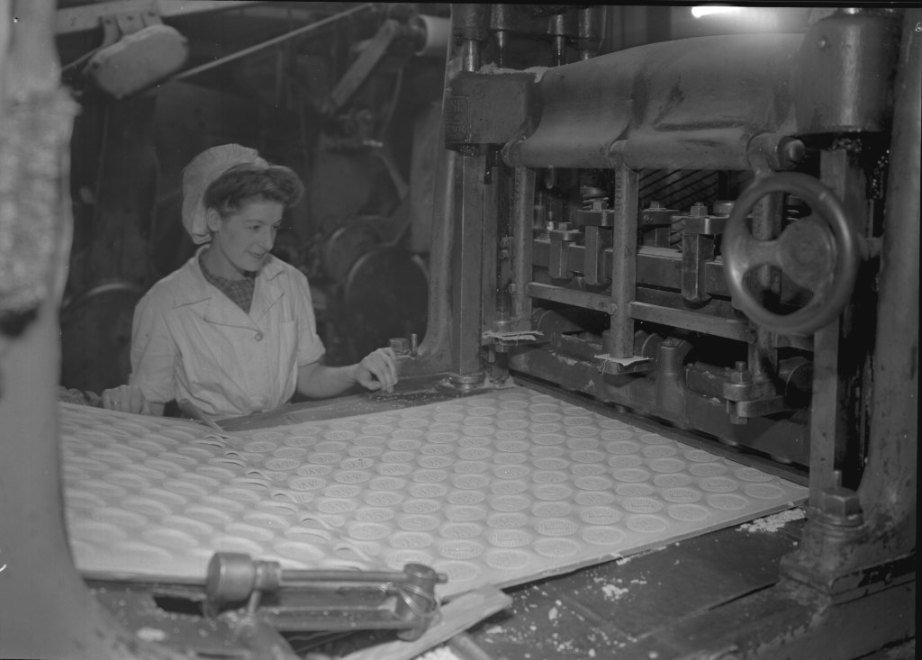
Smaller plants tip 50 kg bags of sugar for biscuits straight into mixers or into a small hopper. Simple and flexible, but labour-intensive. Use a sieve and a magnet over the tip point to catch string, paper and metal.
Jumbo bag discharge
Medium and large plants often use 1 MT jumbo bags with a discharge frame feeding a hopper or a pneumatic conveyor. Less handling, less packaging waste and fewer chances of contamination from opening lots of small bags.
Silos
The biggest plants store sugar in silos and move it pneumatically. That needs very dry, free-flowing sugar and good control of air humidity in the conveying system. Sugar that cakes in a silo is a serious problem to clear.
Milling icing sugar
Many biscuit plants mill their own icing sugar for creams and dustings. Milling sugar creates fine dust, which can be an explosion risk in enclosed spaces. Follow your local rules for dust control and equipment. Use dry, low-colour sugar for the whitest powder.
Weighing and dosing
Weigh sugar for biscuits by mass, check scales regularly and log every batch. Small dosing errors change spread and colour.
Storing sugar for biscuits
Bakeries are warm, which is hard on sugar for biscuits. Ovens, proving rooms and washing areas all put heat and humidity into the air, and sugar reacts to both.
Research by Mathlouthi and Rogé, presented to the South African Sugar Technologists’ Association, explains that white sugar cakes mainly because moisture moves in and out of the crystal surface as humidity and temperature change. Caked sugar blocks hoppers, weighs badly and dissolves unevenly, which can change spread.
- Store sugar for biscuits in a dry room away from ovens and wash areas.
- Keep the temperature steady rather than letting it swing between day and night.
- Stack bags on pallets, off the floor and away from walls.
- Keep brown sugar sealed so it doesn’t dry out and harden, or pick up moisture.
- Keep sugar away from strong-smelling ingredients such as spices and flavourings.
- Use first in, first out, and keep lot numbers on every pallet.
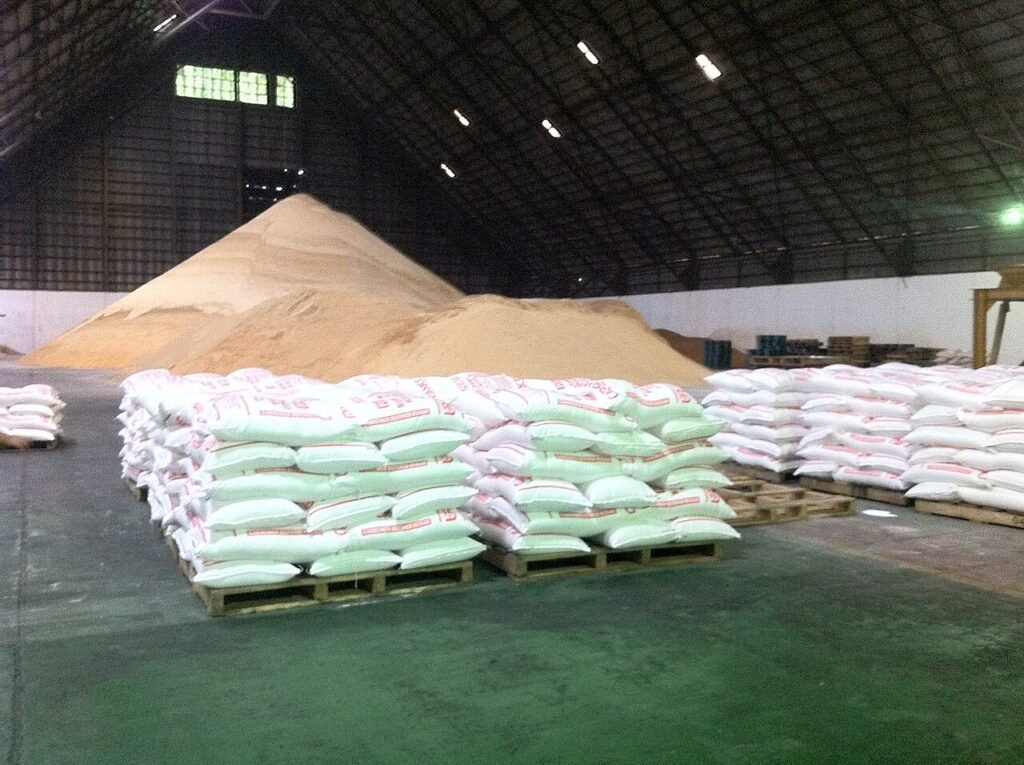
Receiving and checking each lot of sugar for biscuits
- Check the documents. Lot numbers on the bags should match the inspection certificate, packing list and bill of lading.
- Look at the bags. Set aside torn, wet or stained bags. Check liners are intact.
- Look at the sugar. Free-flowing, even colour, no specks or lumps.
- Smell it. Sugar should smell of nothing.
- Check crystal size. A quick sieve test against your last good lot is one of the most useful checks a biscuit plant can do.
- Bake a test batch if needed. For a new supplier or a new grade, bake your most sensitive biscuit and measure width, thickness and colour against the standard.
- Keep a retained sample. Keep a sealed sample from each lot until well after the biscuits made with it have sold.
If a lot doesn’t meet the spec, tell your supplier straight away, with photos, the certificate number and your test results.
Sugar reduction in biscuits and what it means for buying
Many biscuit makers are under pressure to cut sugar, from retailers, health campaigns or regulation. That’s harder in biscuits than in many other foods, because sugar does so much structural work. The Wageningen researchers make the point that these functions also need to be mimicked in reformulated biscuits, not just the sweetness.
- Spread changes. Less sugar usually means less spread and a different shape.
- Texture changes. Less sugar usually means a harder, more bready or less crisp biscuit.
- Colour changes. Less browning, so the biscuit looks paler.
- Volume may dip, but supply still matters. Most reduced-sugar biscuits still contain a fair amount of sugar, and full-sugar lines usually carry on alongside them.
If you’re reformulating, it’s worth keeping your sugar grade and crystal size fixed while you change other things, so you know which change caused which result.
Biscuits around the world and the sugar they use
We ship sugar for biscuits worldwide, and the biscuits people eat differ from region to region. These are broad patterns only.
Europe
Shortbread, butter biscuits, digestives, rich tea, speculoos, ginger biscuits and many chocolate-coated products. Strict labelling rules make SO₂ and allergen data important.
South Asia
Very large volumes of glucose biscuits, Marie biscuits, cream biscuits and cookies, often sold in small, low-price packs. Cost control matters a lot, so delivered sugar price is a big focus.
Southeast and East Asia
Cream crackers, wafers, butter cookies, filled biscuits and premium gift tins. Many products are pale or creamy, so low-colour sugar is common.
Middle East
Date-filled biscuits, sesame biscuits, tea biscuits and wafers. Halal certification is usually required.
Africa
Fast-growing biscuit and cookie production, with many glucose, cream and Marie-type biscuits. Port and inland logistics can matter as much as the sugar price.
The Americas
Cookies of every kind, crackers, Maria-type biscuits and sandwich cookies. Many cookie styles blend white and brown sugar.
Oceania
Plain sweet biscuits, oat-based biscuits, creams and cookies, often with a mix of white and brown sugar or golden syrup.
Questions to ask any supplier of sugar for biscuits
Before you place a first order, a short list of questions tells you a lot about whether a supplier understands biscuit plants or just trades sugar.
- Which mill produces it? A real supplier can name the mill and the origin, and show the mill’s food safety certificate.
- What is the crystal size? If the answer is just “fine” with no detail, ask for a sieve analysis from a recent lot.
- What did the last three lots actually test at? Real certificate figures for colour, moisture and SO₂ are more useful than the headline spec.
- Who inspects at loading? An independent inspection company should check quality and weight before the container is sealed.
- How is the container prepared? Clean, dry, lined and fitted with desiccant is the basic standard for sugar for biscuits, because damp sugar cakes in transit.
- Can you keep the same origin and grade over a contract? Switching origin between shipments can change crystal size and colour even when the grade name stays the same.
- What happens if a lot is out of spec? Agree the claims process in writing before you need it.
A good answer to each of these is worth more than a slightly lower price on a quote.
A worked example: what sugar for biscuits costs a plant
A made-up plant, to show the method. The figures are only examples.
Say a plant bakes 1,000 tonnes of biscuits a month, and its recipes average 20% sugar in the finished product. That’s about 200 tonnes of sugar a month, or roughly eight 20 ft containers.
- If delivered sugar costs, say, US$20 a tonne more from one supplier than another, that’s about US$4,000 a month, or around US$48,000 a year.
- If a cheaper offer comes with inconsistent crystal size and causes even one lost shift of off-size biscuits a month, the saving can disappear quickly.
The point isn’t the exact figures. It’s that for a biscuit plant, sugar for biscuits is a big enough cost that both price and consistency are worth managing carefully. Do the sum with your own numbers.
What sugar for biscuits really costs delivered
To compare offers fairly, work out the delivered cost: sugar price, ocean freight, insurance, import duty, port and clearing fees, and inland transport to your plant. Import duty on refined sugar can be high in some countries and may outweigh small differences between suppliers.
Refined sugar prices follow the ICE White Sugar futures contract in London. Many food manufacturers fix prices for several months to protect margins on biscuits with fixed shelf prices.
The wider market matters too. In its May 2026 Sugar: World Markets and Trade report, the USDA forecasts 2026/27 world sugar production at about 184.9 million tonnes, with Brazil producing slightly less as more cane goes to ethanol. That isn’t a shortage, but prices can move. Our posts on sugar wholesale prices, sugar import prices and the sugar HS code explain the cost lines.
Checklist before you sign a contract for sugar for biscuits
- Grade named, with maximum ICUMSA colour.
- Polarization, moisture and ash limits in writing.
- Granulation described, ideally with a sieve range.
- SO₂ limit stated, if your market has sulphite labelling rules.
- Packing agreed: 50 kg bags or jumbo bags, liner, marking and pallets.
- Independent inspection at loading, with the certificate in the documents.
- Food safety certificates from the producing mill.
- Certificate of origin, plus halal or kosher certificates if your markets need them.
- A delivery schedule that matches your production plan.
- Secure payment terms, such as a letter of credit for a first order.
Our page on the sugar certificate of origin explains that document, and our guide on which certifications prove food grade covers the rest.
7 tips for buying sugar for biscuits
1. Match colour to the biscuit
Pale biscuits and white creams need ICUMSA 45 or 35. Golden and dark biscuits can use ICUMSA 100, 150 or brown sugar.
2. Specify crystal size
Crystal size affects spread. Put it in the contract.
3. Ask for actual certificate readings
The maximum on a spec sheet isn’t what you’ll get. The certificate is.
4. Test-bake before switching
Bake your most sensitive biscuit with the new sugar and compare width, thickness and colour.
5. Keep it consistent
Changing supplier or grade mid-run causes drift in size and colour. Plan changes.
6. Store it dry
Caked sugar blocks hoppers and changes spread. A dry, steady store pays for itself.
7. Check your supplier
Ask which mill, which port and who inspects it. Our guides on checking a sugar exporter before you pay and how to spot a real sugar trader list the warning signs.

Who buys sugar for biscuits from us
- Biscuit and cookie manufacturers of all sizes.
- Industrial bakeries making biscuits alongside cakes and bread.
- Wafer and cream biscuit producers.
- Private label biscuit makers supplying supermarkets.
- Distributors supplying smaller bakeries. Our sugar distributor guide is written for them.
If you also make other foods, see our guides to sugar for confectionery, sugar for dairy, sugar for jam and sugar for sauces. Our guides to industrial sugar and wholesale food sugar cover more uses.
Where our sugar comes from and how it ships
We source refined white and raw brown cane sugar mainly from Brazil and Thailand, two of the world’s biggest sugar exporters according to the USDA. Our guides to Brazilian sugar, Thai sugar and Indian sugar explain what each origin offers.
Sugar for biscuits ships in clean, dry 20 ft containers, lined and fitted with desiccant. Our post on what a sugar logistics supplier handles covers loading and arrival checks, and our shipping policy sets out the terms.
How to order sugar for biscuits from us
- Tell us what you bake. Products, monthly volume, current grade and crystal size, port and bag size. Use our contact form.
- Get a recommendation and quote. We’ll suggest a grade for each product and quote FOB or CIF with the full spec sheet.
- Test-bake if needed. Run the sugar through your most demanding biscuit first.
- Agree the contract. Grade, limits, granulation, packing, inspection, documents and payment in writing.
- Loading and inspection. Each lot is inspected at loading and the certificate goes with the documents.
- Regular supply. Set up a schedule around your production plan.
Our FAQ page answers common questions, and our guide to buying sugar in bulk covers the basics for first-time importers.
Frequently asked questions about sugar for biscuits
What is the best sugar for biscuits?
For most sweet biscuits, refined white cane sugar such as ICUMSA 45 with a fine to medium crystal. Darker biscuits can use ICUMSA 100, 150 or brown sugar.
How much sugar is in biscuit dough?
Research published in Foods gives 17 to 33% sugar by dough weight for typical short doughs, and around 10 to 20% for lower-sugar rotary-moulded doughs.
Why does sugar make biscuits spread?
Sugar dissolves in the dough’s water during baking, making the dough more fluid so it flows outwards before it sets. Finer sugar dissolves faster and gives more spread.
Does crystal size really matter?
Yes. Coarser crystals dissolve more slowly and tend to give smaller, thicker biscuits. Finer crystals give more spread.
White or brown sugar for cookies?
White sugar gives crisper, wider cookies. Brown sugar adds flavour, colour and chew. Many recipes use both.
Can I use ICUMSA 100 or 150 for biscuits?
For golden and dark biscuits, yes. For pale biscuits and white creams, a lower-colour grade is safer.
Does sugar for biscuits contain sulphites?
Some refined sugar contains traces of SO₂. ICUMSA 45 is typically 20 mg/kg max. Check your labelling rules and other sulphite sources in your recipe.
How should I store sugar in a biscuit plant?
Dry, at a steady temperature, on pallets, away from ovens and wash areas, using first in, first out.
What is the minimum order?
Usually one 20 ft container, about 25 tonnes.
Do you ship sugar for biscuits worldwide?
Yes, to ports across Asia, Africa, Europe, the Middle East, the Americas and Oceania. Ask for a quote.
Key takeaways
- Sugar for biscuits does far more than sweeten: it controls spread, tenderness, crispness and colour.
- Typical short doughs contain 17 to 33% sugar by weight, so sugar is a major cost.
- Crystal size affects spread. Specify it and keep it consistent.
- Pale biscuits and creams need ICUMSA 45 or 35; golden and dark biscuits can use ICUMSA 100, 150 or brown sugar.
- Store sugar dry and steady, check each lot, and compare suppliers on delivered cost.
Ready to buy? Request a sugar for biscuits quote or see our full product range. Our guides to bulk white sugar and bulk granulated sugar are also worth a look.
Sources and References
- Molina, Vaz and Bouchon: The Creaming of Short Doughs and Its Impact on the Quality Attributes of Rotary-Molded Biscuits (Foods, 2021)
- van der Sman and Renzetti: Understanding functionality of sucrose in biscuits for reformulation purposes (Wageningen University & Research)
- European Food Information Council: What is the role of sugar in the food industry?
- Regulation (EU) No 1169/2011, Annex II: substances causing allergies or intolerances
- Mathlouthi and Rogé: Caking of white sugar and how to prevent it (Proc. S. Afr. Sug. Technol. Ass., 2004)
- ICE: White Sugar Futures contract specifications
- USDA Foreign Agricultural Service: Sugar: World Markets and Trade (May 2026)
Photo credits: Emerald-wiki (CC BY-SA 4.0); YoAmes (CC BY-SA 2.0); Tyne & Wear Archives & Museums (no known restrictions); Thorsten Alge (public domain); Markadan (CC BY-SA 3.0); Lauri Andler (CC BY-SA 3.0); all via Wikimedia Commons.