


Buyers shopping for sugar tend to focus almost entirely on the per-ton price, and that’s understandable — it’s the number that jumps out first. But ask anyone who’s actually managed a few international sugar shipments, and they’ll tell you the logistics side is usually where deals succeed or fall apart. A great price attached to a shipment that arrives three weeks late, damaged, or held up at customs because of missing paperwork isn’t actually a good deal at all. This is why the logistics capability of your supplier deserves just as much scrutiny as their pricing.
At Novamira, logistics isn’t an afterthought we bolt onto a sugar sale — it’s a core part of what we do, because getting the product from a mill or warehouse to your door reliably is just as important as the sugar itself. Here’s what actually goes into moving sugar internationally, and what to look for in a supplier who handles it well.
What “Logistics” Actually Covers in the Sugar Trade
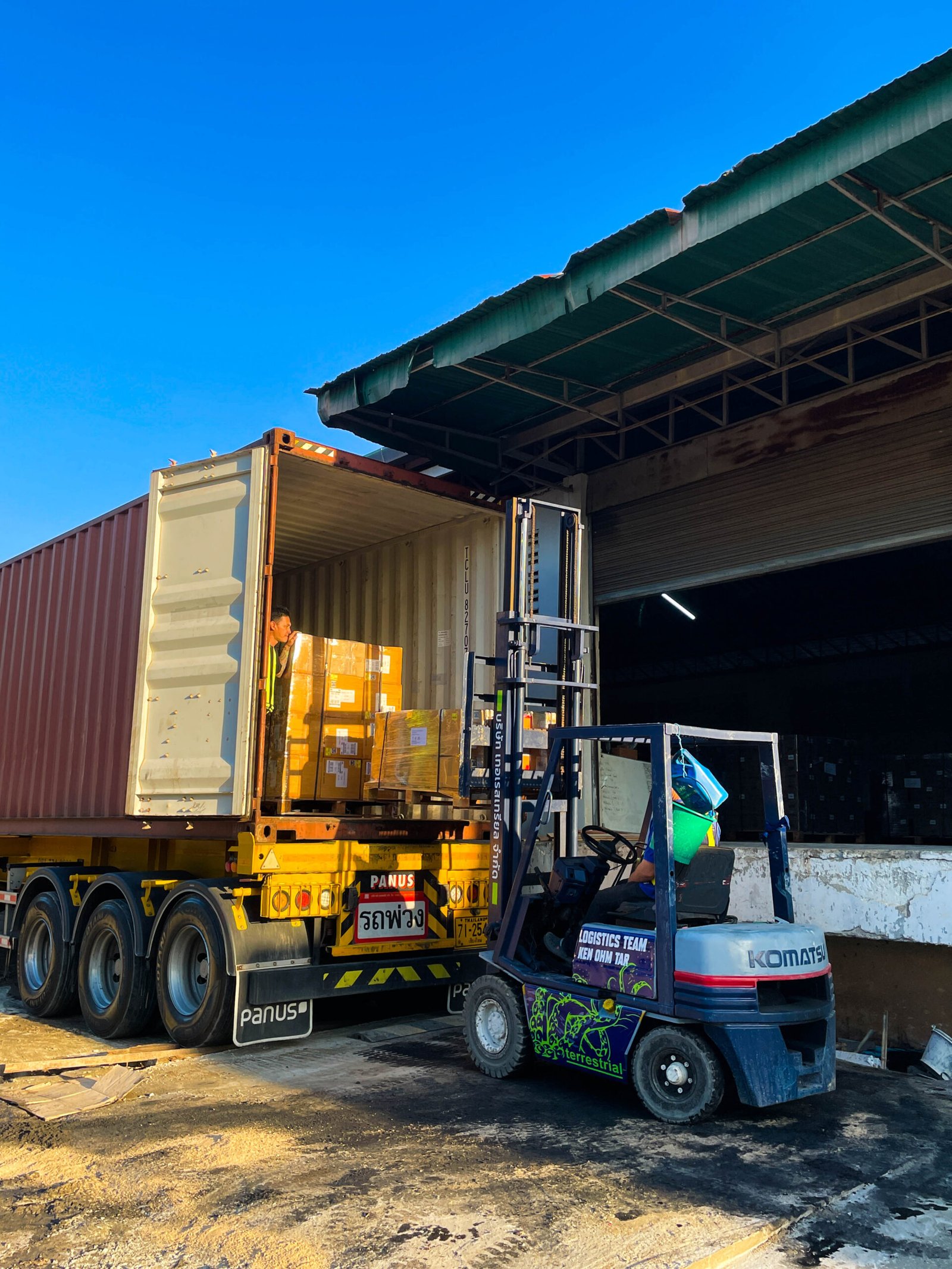
When people say sugar logistics, they’re really talking about everything that happens between “sugar produced and ready” and “sugar sitting in your warehouse, cleared and usable.” That includes packaging and palletizing at origin, inland transport from mill or refinery to the port of loading, port handling and vessel or container loading, ocean freight (bulk vessel or containerized), marine insurance, customs clearance at both origin and destination, port handling and unloading at the destination, and inland transport from the destination port to your facility.
Each one of these steps has its own set of risks — delays, damage, documentation errors, cost overruns — and a supplier who manages this well end-to-end takes a huge amount of risk and hassle off a buyer’s plate compared to one who simply hands you a bag of sugar and says “good luck with the rest.”
Bulk Vessel vs Containerized Shipping
The method of shipping depends heavily on your order size and how your facility receives sugar.
Bulk vessel shipping moves sugar loose, without individual bags, directly into a ship’s cargo holds. This is the most cost-efficient method per ton and is used for very large orders — typically thousands of tons at a time — by buyers with the infrastructure (silos, bulk unloading equipment) to receive it. It’s common among large-scale refineries, industrial food manufacturers, and major distributors.
Containerized shipping moves sugar in standard 20ft or 40ft shipping containers, either as palletized bags or in some cases flexi-tanks for certain bulk liquid products (less relevant for solid sugar, but common in adjacent commodity trades). A 20ft container typically holds around 24–25 metric tons of bagged sugar, while a 40ft container holds closer to 26–27 metric tons depending on bag size and palletization. This is the standard method for mid-size buyers — food manufacturers, distributors, and wholesalers who don’t need bulk vessel volumes but still want efficient per-ton shipping costs.
A capable sugar logistics supplier should be able to advise which method makes sense for your specific volume and receiving capability, rather than pushing you toward whatever’s easiest for them to arrange.
Incoterms and Who’s Responsible for What
Shipping responsibility gets divided between buyer and seller according to Incoterms, and understanding this is essential to evaluating any logistics arrangement.
Under FOB (Free On Board), the seller’s responsibility ends once the sugar is loaded onto the vessel at the port of origin — from there, the buyer arranges and pays for ocean freight and insurance. Under CFR (Cost and Freight), the seller arranges and pays for freight to the destination port, but the buyer still needs to arrange insurance. Under CIF (Cost, Insurance, and Freight), the seller handles freight and insurance all the way to the destination port, which is usually the simplest option for buyers who don’t have established freight relationships of their own.
Some suppliers also offer DAP (Delivered At Place) or similar arrangements for buyers who want the sugar delivered further inland, past the port, directly to a warehouse or facility — though this is less common in bulk commodity trade and usually reserved for smaller, specialized shipments.
Choosing the right Incoterm isn’t just a pricing decision, it’s a decision about who’s actually managing risk and effort during the shipment. Buyers without in-house logistics expertise generally benefit from CIF or similar arrangements where the supplier handles more of the process.
What Good Documentation Actually Looks Like
A capable sugar logistics supplier doesn’t just move product, they manage the paperwork that makes customs clearance smooth on the other end. This includes the bill of lading (the core shipping document issued by the carrier), a detailed packing list, the certificate of origin (relevant for duty calculations at destination), the certificate of analysis confirming the sugar meets agreed specifications, and a phytosanitary certificate where required by the destination country’s import regulations.
Getting this documentation right, and getting it to the buyer promptly, is one of the most underrated parts of good logistics. Missing or inconsistent paperwork is one of the most common causes of customs delays, and those delays translate directly into storage fees, demurrage charges, and frustrated downstream customers waiting on inventory that’s sitting at a port instead of moving.
Inspection: The Step Some Suppliers Try to Skip
Independent, third-party inspection — commonly through firms like SGS, Bureau Veritas, or Intertek — verifies that what’s being loaded actually matches the agreed specification before the shipment departs. This protects the buyer from receiving product that doesn’t match what was ordered, and it protects a legitimate seller too, by creating an independent record in case of any dispute later.
A logistics-capable supplier should be comfortable arranging or accommodating this inspection as a normal part of the process, not treating it as an inconvenience or trying to talk buyers out of it. If a supplier resists independent inspection, particularly on a first order, that’s worth taking seriously as a warning sign about the rest of the transaction.
Realistic Timelines Worth Planning Around
Timelines vary a lot by origin, destination, and shipping method, but here’s a general sense of what to expect. Production or stock allocation typically takes anywhere from a few days to a couple of weeks depending on whether the order is coming from existing stock or needs to be scheduled into production. Inland transport to the port of loading generally takes a few days. Ocean freight itself is usually the longest single leg — anywhere from roughly two weeks for shorter regional routes to five or six weeks for longer intercontinental routes, depending on origin and destination and whether the route involves transshipment. Customs clearance at destination can take anywhere from a day or two with clean documentation to well over a week if there are issues to resolve. Inland transport from the destination port to your facility is typically the shortest leg, often just a day or two.
Add it all up, and a realistic end-to-end timeline for an international sugar shipment often runs somewhere between six and ten weeks from order confirmation to delivery at your facility, though this varies significantly by route and can be faster for shorter regional shipments or slower during periods of port congestion or shipping capacity constraints.
Cost Factors That Move With the Logistics Side, Not Just the Sugar Market
It’s worth remembering that a meaningful part of your total cost is driven by logistics factors that move somewhat independently of the sugar commodity price itself. Ocean freight rates fluctuate with global shipping capacity and fuel costs. Port congestion at either end can add unexpected delay and cost. Container availability, particularly during peak shipping seasons, can affect both cost and timeline. And insurance costs, while typically a smaller line item, still add up, especially for higher-value bulk shipments.
A sugar logistics supplier who tracks these factors and communicates proactively — flagging a tight shipping market before it becomes a surprise, for instance — is worth considerably more than one who just quotes a price and disappears until the shipment either shows up or doesn’t.
What to Ask a Potential Logistics Supplier
Before committing to a supplier for a shipment of any real size, it’s worth asking a few direct questions. Which shipping lines or freight forwarders do they typically work with, and do they have an established relationship or just a one-off booking? What’s their track record on delivering within the stated timeline, and can they reference past shipments? How do they handle documentation, and how quickly do they typically issue shipping documents after loading? What’s their process if a shipment is delayed or an issue arises at port — do they stay engaged and help resolve it, or does responsibility effectively end once the vessel departs?
A supplier with real logistics capability answers these clearly and specifically, because they’ve actually done it many times before. Vague or evasive answers here are just as much a warning sign as vague answers about product sourcing.
Packaging Specifications That Affect How Your Shipment Moves
Packaging isn’t just about how the sugar looks when it arrives — it directly affects how a shipment gets loaded, stowed, and handled at every step of the logistics chain, so it’s worth understanding the standard formats.
50kg PP (polypropylene) woven bags are the most common export format, palletized typically 40–50 bags per pallet depending on pallet size, and loaded into standard containers. This is the standard for mid-size buyers and offers a good balance of handling ease and cost efficiency.
25kg bags are used where smaller, more manageable units are needed, common for buyers closer to retail distribution, though they carry a higher per-ton packaging and handling cost than larger formats.
1,000–1,200kg jumbo bags (FIBC / bulk bags) reduce the number of individual units that need to be handled, which speeds up loading and unloading and works well for buyers with forklift or crane capability to handle bulk bag units at their facility.
Bulk vessel loading with no bagging at all is the most efficient method per ton for very large orders, but requires silo or bulk-handling infrastructure on the receiving end, along with bulk-capable port facilities at both origin and destination.
The right packaging choice depends on your order size, your facility’s receiving capability, and how the sugar will move through your own operation after delivery. A good sugar logistics supplier will ask about your receiving setup before recommending a format, rather than defaulting to whatever’s most convenient for them to arrange.
Common Logistics Mistakes That Cost Buyers Time and Money
A handful of avoidable mistakes come up repeatedly with buyers managing international sugar shipments for the first time.
Choosing FOB terms to save on the quoted price without having a reliable freight forwarder relationship already in place, leading to rushed and often more expensive freight arrangements once the shipment is ready to move.
Not confirming container or bulk vessel availability early enough, particularly during peak shipping seasons when capacity gets tight and rates rise sharply on short notice.
Failing to align packaging format with actual receiving capability — ordering bulk vessel volumes without silo infrastructure, for instance, creates a genuinely difficult unloading problem that should have been caught during planning.
Not building in buffer time for customs clearance when planning inventory needs, leading to stockouts when a shipment that was “on schedule” for ocean transit still needs several more days to actually clear customs and reach the warehouse.
Skipping independent inspection to save a small fee, then having no independent record to fall back on if a dispute arises over whether the shipment matched the agreed specification.
Not asking who’s responsible for what at each stage of the shipment — a clear Incoterm agreement prevents a lot of confusion and finger-pointing if something goes wrong mid-shipment.
Frequently Asked Questions
What’s the difference between a sugar logistics supplier and a freight forwarder?
A freight forwarder typically just arranges transport. A sugar logistics supplier who’s also the exporter manages the entire chain — production or stock allocation, packaging, documentation, inspection coordination, and shipping — giving you a single point of accountability rather than juggling multiple vendors.
Can I track my shipment once it’s departed?
Most ocean carriers provide vessel tracking through the bill of lading number, and a good supplier should proactively update you at key milestones — departure, transshipment if applicable, and arrival — rather than leaving you to check tracking sites on your own.
What happens if my shipment is delayed?
A capable supplier stays engaged and communicates proactively about the cause and revised timeline, whether the delay is due to port congestion, customs, or carrier scheduling. Ask upfront how a prospective supplier handles this before you commit, since it tells you a lot about how they’ll manage a real issue if one comes up.
Is bulk vessel shipping only for huge buyers?
Generally yes — bulk vessel shipping typically involves minimum quantities in the thousands of tons, making it suitable mainly for large-scale refineries, manufacturers, and major distributors rather than mid-size buyers, who are usually better served by containerized shipping.
How Novamira Works as Your Sugar Logistics Supplier
We manage the full shipping process for our buyers — packaging and palletizing at origin, port handling, vessel and container booking, documentation, and coordination through to destination port. We work across bulk vessel and containerized shipping depending on order size, offer FOB, CFR, and CIF terms depending on what makes sense for your operation, and accommodate independent pre-shipment inspection as standard practice, not an exception. We keep buyers updated through the shipping process rather than going quiet after the contract is signed, because we know that visibility into where a shipment actually stands is often just as valuable to a buyer as the shipment itself.
Where to Learn More
For broader context on how shipping and trade patterns move throughout the year, it’s worth reading about the international sugar trade cycle and how regional harvests affect availability, how sugar export prices get built from the market benchmark plus logistics costs layered on top, and how sugar import prices — your true landed cost — depend heavily on how well the logistics side of a shipment is managed. Independent data from the International Sugar Organization is also useful if you want to track global trade volumes and trends beyond what any single supplier tells you.
Getting Your Shipment Moving
Not every vendor who quotes a shipping cost is actually acting as a sugar logistics supplier. A real sugar logistics supplier manages the whole chain, not just a single leg of it. If you're comparing options, ask each sugar logistics supplier candidate to walk you through exactly which parts of the journey they own versus hand off to someone else.
If you’re evaluating a sugar logistics supplier for an upcoming order, ask the direct questions above, confirm they’re comfortable with independent inspection, and get a clear breakdown of Incoterms and expected timeline before you commit. Logistics is where a lot of the real risk in international sugar sourcing actually lives, and a supplier who handles it well is worth more than a supplier who simply quotes the lowest price and leaves the rest to chance. It’s also worth vetting the rest of the relationship the same way — whether you’re dealing with a genuine global sugar exporter with real sourcing behind them, and whether their sugar export prices actually reflect the current market rather than a number designed to lure you in.
Send us your required grade, volume, packaging preference, and destination port, and we’ll put together a full shipping plan alongside your quote — not just a price, but a realistic picture of how and when your order will actually arrive.



Comments are closed.