Thai sugar is cane sugar produced in Thailand, the world’s second-largest sugar exporter after Brazil. The USDA forecasts Thailand will export 6.0 million tonnes of sugar in 2026/27, split between raw sugar for refineries and white and refined sugar for food makers and distributors. Its big advantage is location: for buyers across Asia, Thai sugar arrives faster and with cheaper freight than sugar from Brazil. We supply refined ICUMSA 45, 35, 100 and 150, crystal white and raw brown cane sugar from our Thailand base and ship worldwide.
This guide is for importers, refiners, distributors and food manufacturers who are weighing up Thai sugar. It covers how big the Thai industry is, why this season’s crop is smaller, the three types of Thai sugar, specifications, who buys it and why, the crushing season, ports, pricing, how Thailand compares with Brazil and India, documents and how to order. Figures come mainly from the USDA’s Thailand Sugar Annual of April 2026 and its May 2026 world sugar report, both linked in the text. Where something is our own view from the trade, we say so.

The Thai sugar we sell at a glance
All of these grades can be shipped from Thailand. The specs below are the short version; each product page has the full sheet.
- Refined ICUMSA 45 sugar: 45 IU max, polarity 99.80% min, moisture 0.04% max, ash 0.04% max.
- Refined sugar ICUMSA 35: 35 IU max, polarization 99.80% min, SO₂ 20 mg/kg max.
- Crystal white sugar: sparkling white, polarity 99.8% min, fine to medium crystals.
- Cane sugar ICUMSA 100: 100 IU max, polarity 99.8% min, moisture 0.04% max.
- ICUMSA 150 white sugar: 150 IU max, polarization 99.80% min, SO₂ 20 mg/kg max.
- Raw brown cane sugar Grade E: ICUMSA 600 to 1200, polarization 96° to 98°, moisture 0.4% max.
Packing: 50 kg PP bags with liner or 1 MT jumbo bags. Inspection: SGS or equivalent at loading. Shipping: worldwide by sea.
Use these figures as a fixed reference when you compare Thai sugar quotes from different sellers. Prices are quoted on request because they move with the market every day.
Thailand’s sugar industry in numbers
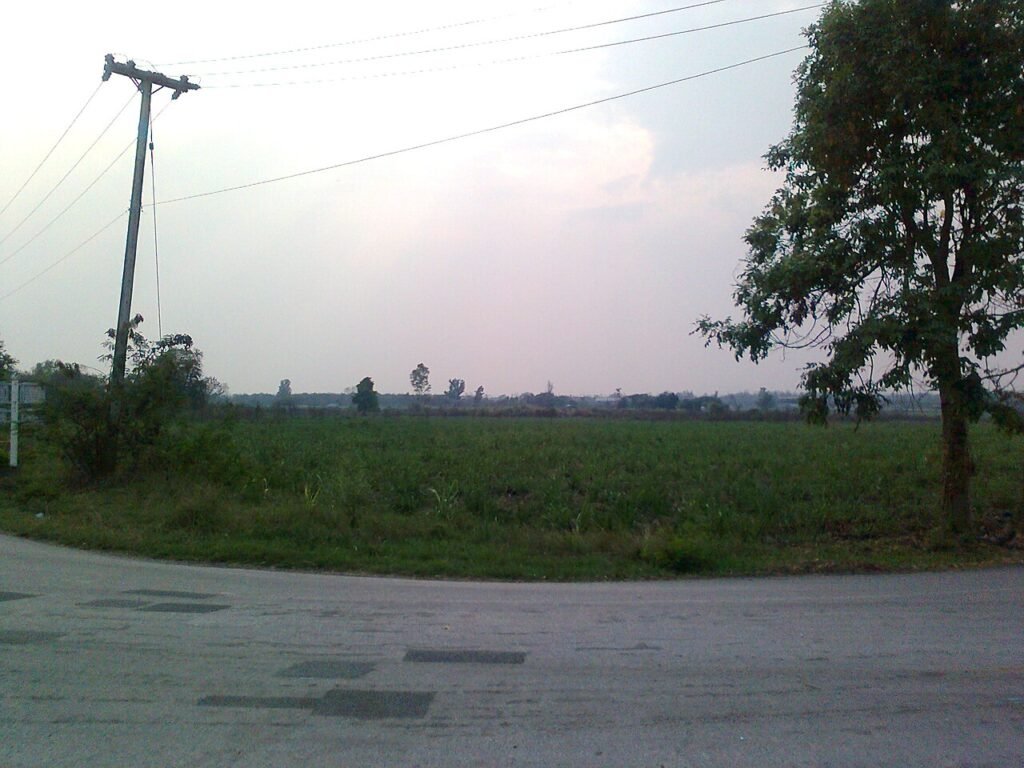
Thailand grows cane mainly in the northeast and the lower north, which the USDA says account for 44% and 24% of the country’s sugarcane area. The Thai sugar year runs from December to November, and almost all cane goes to sugar rather than ethanol: the USDA reports that 97% of Thailand’s cane is used for sugar, with only about 2.8 million tonnes going to two ethanol plants.
Here are the headline numbers from the USDA’s April 2026 Thailand Sugar Annual.
| Marketing year (Dec-Nov) | 2024/25 | 2025/26 | 2026/27 forecast |
|---|---|---|---|
| Sugarcane production | 95.9 million t | 103.0 million t | 95.0 million t |
| Sugar production | 10.24 million t | 11.26 million t | 9.5 million t |
| Total exports | 5.85 million t | 7.0 million t | 6.0 million t |
| Domestic consumption | 3.65 million t | 3.3 million t | 3.3 million t |
| Ending stocks | 11.30 million t | 12.25 million t | 12.45 million t |
Two things stand out. First, Thailand produces roughly three times the sugar it eats, so most Thai sugar has to be exported. Second, stocks are high: the USDA expects ending stocks of about 12.45 million tonnes in 2026/27, well above the roughly 200,000-tonne safety stock the government requires. For buyers, that is a sign that Thai sugar will stay available even in a smaller crop year.
Why the 2026/27 Thai sugar crop is smaller
After a big 2025/26 harvest, the USDA expects Thai sugar production to fall 16% in 2026/27. The reason is money. In February 2026 the cabinet set the initial cane price at 890 baht per tonne, 23% below the previous season and below the reported cultivation cost of about 1,358 baht per tonne. At that price, some smallholders, especially in the dry upper northeast, are expected to switch land to crops such as cassava. The USDA forecasts a 1.5% fall in planted area and an 8% drop in cane output.
Weather is the other watch point. The same report notes that Thailand’s meteorological department was expecting strong El Nino conditions in 2026, which usually means less rain for a crop that is mostly rain-fed. This is a forecast, not a certainty, but it is one reason we suggest buyers who rely on Thai sugar talk to us early about the coming season.
What does a smaller crop mean in practice? According to the USDA, Thai mills and traders tend to respond by trimming export commitments rather than running down stocks, so exports are forecast down 14% to 6.0 million tonnes. Thai sugar will still be widely available, but the best lots and shipping slots may be taken earlier in the season.
Green cane: a quiet quality story
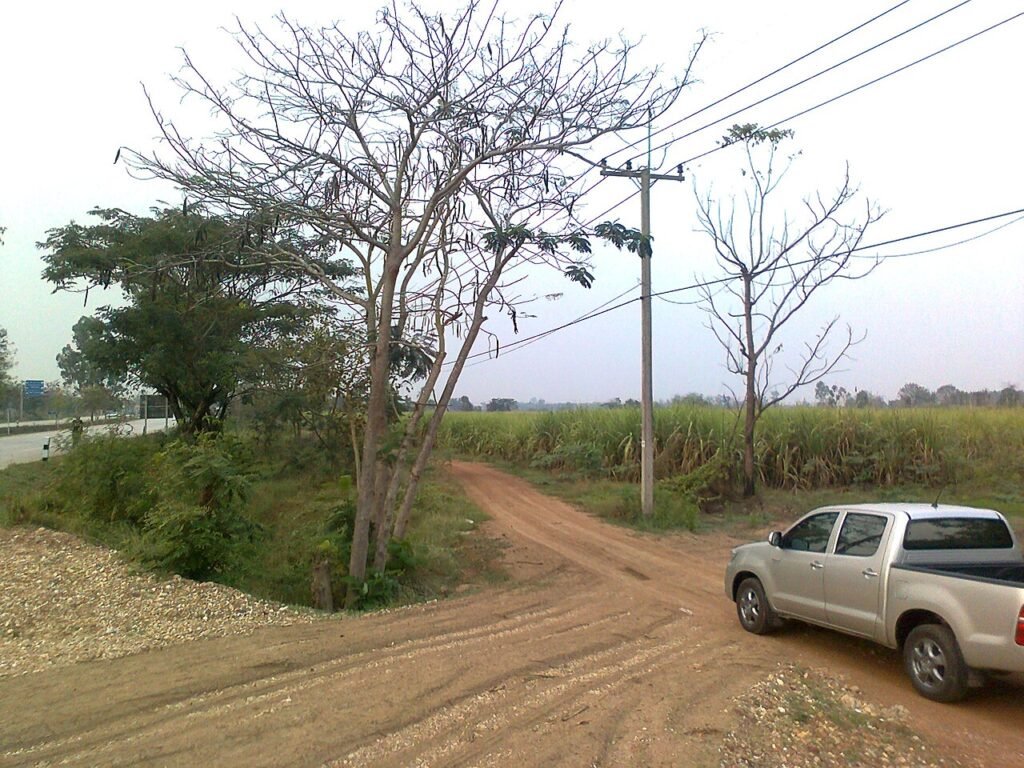
One change that rarely gets mentioned in sales pitches is how Thai cane is now harvested. For years much of it was burned before cutting, which hurts sugar content and air quality. Since 2021 the cane and sugar board has rewarded farmers who do not burn. The result, according to the USDA, is that 97% of the 2025/26 harvest was green cane, the highest share on record, up from a 10-year average of 63%. Green cane keeps more sucrose, and the reported sugar extraction rate rose to 110 kg per tonne of cane.
For a buyer, cleaner cane and better extraction are good news. They do not change the specification on your contract, but they support steady quality and supply from Thai sugar mills over time.

The three types of Thai sugar
Thai mills make three main products, and buyers often mix up the names. Thailand’s Krungsri Research describes them like this: raw sugar is the first product of the mill and needs further processing; white sugar is made by removing impurities from raw sugar and is white to pale yellow, used in households and food processing; and refined sugar goes through the same process but ends up with fewer impurities and clear white crystals.
| Type | Look | Main use | Typical buyers |
|---|---|---|---|
| Raw sugar | Brown, sticky crystals | Must be refined before eating | Refineries in Indonesia, South Korea, Japan |
| White sugar | White to pale yellow | Household use and food processing | Regional distributors, food factories |
| Refined sugar | Clear, bright white | Beverages, premium food, retail | Bottlers, dairy, repackers |
In export contracts the clearer way to describe Thai sugar is by ICUMSA colour, not by the Thai trade name. A “white sugar” in one offer may not match a “white sugar” in another. If you need bright white crystals for a clear drink, ask for refined Thai sugar at ICUMSA 45 or 35 and put the number in the contract. Our ICUMSA scale guide explains every step on the scale.
The export mix is shifting too. For 2026/27, the USDA expects Thailand’s refined sugar exports to reach 3.2 million tonnes against 2.8 million tonnes of raw, because refined exports tend to match or beat raw in years when output is around 10.5 million tonnes or less. That is good news if you want ready-to-use Thai sugar rather than raw.

Thai sugar specifications to check
Whatever origin you buy from, put the numbers in the contract and check them on the inspection certificate. These are the specifications we contract on for refined Thai sugar:
| Parameter | ICUMSA 35 | ICUMSA 45 | ICUMSA 100 | ICUMSA 150 |
|---|---|---|---|---|
| Colour | 35 IU max | 45 IU max | 100 IU max | 150 IU max |
| Polarity | 99.80% min | 99.80% min | 99.8% min | 99.80% min |
| Moisture | 0.04% max | 0.04% max | 0.04% max | 0.04% max |
| Ash | 0.04% max | 0.04% max | 0.04% max | 0.04% max |
| SO₂ | 20 mg/kg max | 70 mg/kg max | 70 mg/kg max | 20 mg/kg max |
| Magnetic particles | 4 mg/kg max | 4 mg/kg max | 4 mg/kg max | 4 mg/kg max |
For context, the London white sugar futures contract, the world benchmark for white sugar and one that lists Thailand as a delivery country, specifies minimum polarisation of 99.8 degrees, moisture of 0.06% maximum and colour of 45 ICUMSA units maximum. Our ICUMSA 45 Thai sugar is contracted a little tighter on moisture. Read our ICUMSA sugar specifications and standards guide for what each line means.
If your product is baked, cooked or coloured, the cheaper ICUMSA 100 or ICUMSA 150 Thai sugar is usually enough. For molasses flavour, look at our raw brown cane sugar.
Who buys Thai sugar
Thai sugar goes mostly to Asia. The USDA’s figures, drawn from the Thai cane and sugar board, show the main destinations in calendar 2025:
| Destination | Thai sugar exports 2025 (tonnes, raw value) |
|---|---|
| Indonesia | 1,611,296 |
| Cambodia | 821,460 |
| South Korea | 593,221 |
| China | 234,634 |
| Malaysia | 224,083 |
| Taiwan | 169,535 |
| Japan | 107,757 |
| All destinations | 6,155,584 |
The pattern is clear. According to the USDA, Indonesia and South Korea are the main buyers of raw Thai sugar because both have large refining industries, while Cambodia, the Philippines and Laos mostly import refined Thai sugar for food manufacturing and retail. Thai white and refined sugar also reaches Bangladesh, Myanmar, Pakistan, Sri Lanka, the Middle East and East Africa in smaller volumes.
We sell Thai sugar well beyond Asia too. For buyers in Africa, the Middle East or Europe, we compare the landed cost from Thailand and from Brazil and suggest whichever comes out better that month.
Why buyers in Asia choose Thai sugar
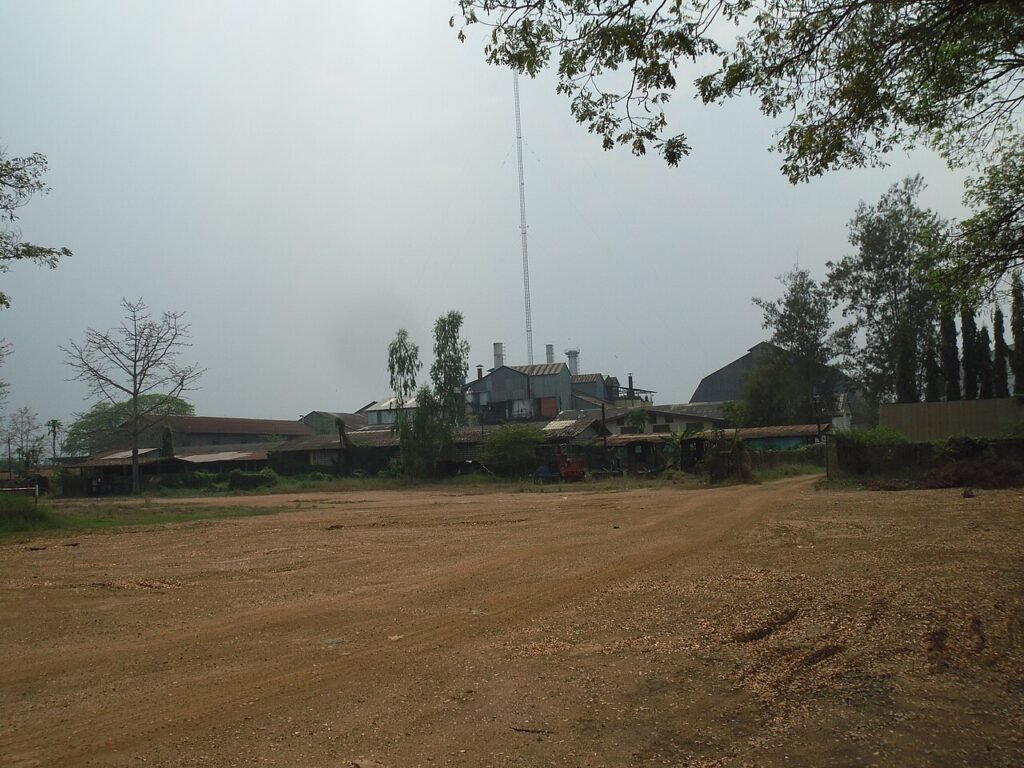
Thailand does not have Brazil’s size, so why do so many Asian buyers pick Thai sugar? The USDA report lists the reasons Thai traders give, and they match what we see:
- Freight. Thai industry sources told the USDA that Thailand has a freight advantage of roughly $15 to $20 per tonne over Brazil in key Asian markets. On a container or a shipload, that adds up quickly.
- Speed. Short voyages mean sugar arrives in days or a couple of weeks rather than over a month, which helps buyers who hold less stock.
- Halal. The USDA notes that halal certification is standard for Thai sugar, which matters for buyers in Indonesia, Malaysia, Bangladesh, Pakistan and the Middle East.
- Trade agreements. Within ASEAN, Thai sugar can benefit from free trade preferences.
- Reliability. High stocks and an established export industry mean steady supply even in a weaker crop year.
The main drawback is that Thailand cannot match Brazil for very large volumes, and its crop depends more on rainfall. That is why many buyers hold Thai sugar as one leg of their supply and Brazilian sugar as another. Our post on Brazilian sugar covers the other side of that choice.
When to buy: the Thai crushing season
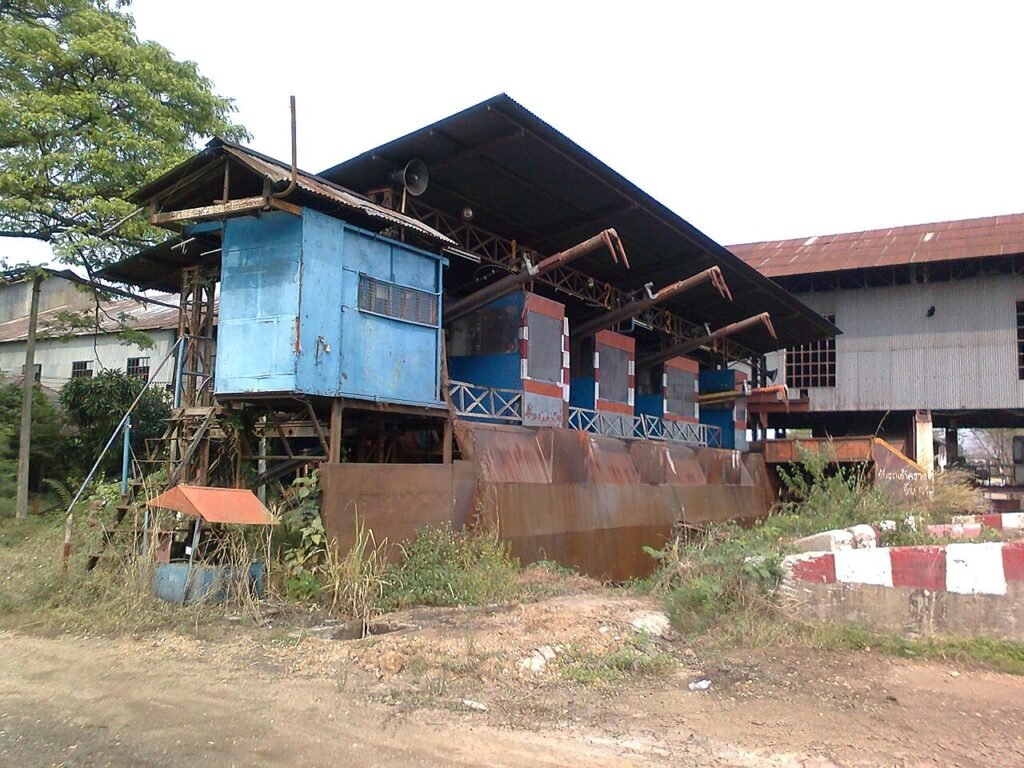
The Thai sugar marketing year starts in December, and mills crush cane through the dry months, usually from about December into April. The USDA notes that by March 30, 2026, the board’s crushing report showed 102.3 million tonnes of cane processed with the season nearly over. New-crop Thai sugar therefore builds up from the turn of the year, and shipments run all year from stock.
Our view, offered as practical advice rather than a rule:
- Start talks in the last quarter of the year if you want new-crop Thai sugar early in the season.
- Expect the widest choice of lots from around February to June, once the crush is well under way.
- Because Thailand holds large stocks, you can buy Thai sugar in any month; you are not locked to the harvest.
- Thailand’s crush runs at a different time from Brazil’s April-to-March season, so buying from both origins smooths out your supply across the year.
Ports and shipping for Thai sugar
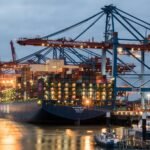
Bagged white and refined Thai sugar usually moves in containers, and the main gateway is Laem Chabang, Thailand’s largest port, on the eastern Gulf coast south of Bangkok. Raw sugar for refineries moves in bulk ships, often tens of thousands of tonnes at a time.

- Containers suit importers and distributors who want 25 MT at a time in 50 kg bags, or several containers on a regular schedule.
- Bulk vessels suit refiners buying raw Thai sugar by the shipload.
- Jumbo bags of around 1 MT suit factories that tip sugar straight into silos.
Transit times from Thailand to ports in South-East Asia are short, and the Middle East, South Asia and East Africa are within easy reach. For buyers further away, sea freight normally takes three to six weeks after loading, as set out in our shipping policy. Our container shipping guide for sugar explains which option suits which buyer.
How Thai sugar is priced
Thai sugar, like all export sugar, is priced against the world futures markets. Raw sugar follows ICE Sugar No. 11, which lists Thailand among its deliverable origins and is quoted in cents per pound on raw cane sugar of 96 degrees average polarisation. White and refined sugar follow the London white sugar contract, quoted in US dollars per tonne. A seller then adds or subtracts a premium for grade, packing, port and timing, and adds freight and insurance if you buy CIF.
Prices have been low by recent standards. The USDA’s Thailand report notes that ICE No. 11 hit a multi-year low of 14.20 US cents per pound in February 2026, and that Thai traders expect any recovery in world prices to improve their FOB returns. That low world price is the same reason Thai cane prices fell and the 2026/27 crop is smaller.
Because freight to Asia is cheaper from Thailand, Thai sugar can sell at a higher FOB price than Brazilian sugar and still land cheaper in Jakarta, Busan or Manila. Always compare on a delivered basis. Our guide to sugar pricing factors and our breakdown of sugar import prices explain how to do it, and our page on sugar export prices shows how origin prices differ.
We don’t publish a fixed price for Thai sugar on this page, because it would be out of date within days. Send your grade, volume and port and we will quote, with the Incoterm stated.

Thai sugar vs Brazilian and Indian sugar
The three biggest cane exporters each have a different profile. This comparison uses the USDA’s May 2026 forecasts for 2026/27.
| Thailand | Brazil | India | |
|---|---|---|---|
| Production | 9.5 million t | 42.5 million t | 33.6 million t |
| Exports | 6.0 million t | 33.6 million t | 3.6 million t |
| Ending stocks | 13.5 million t | Small | 6.5 million t |
| Main export forms | Raw and refined, close to an even split | Mostly VHP raw | Mostly white |
| Main strength | Close to Asian buyers, halal standard | Sheer volume | Close to South Asia, East Africa |
| Main risk | Rain-fed crop, low cane prices | Mills switching to ethanol | Government export quotas |
Note that the USDA’s May world report and its April Thailand report use slightly different stock estimates; both show Thai stocks well above 12 million tonnes. In short, Thai sugar is the natural first choice for much of Asia, Brazilian sugar is the volume backbone of the world market, and Indian sugar depends heavily on policy. Many of our customers split their purchases between Thailand and Brazil to balance freight, timing and risk.
What is happening inside Thailand
Two domestic policies affect how much Thai sugar is left for export.
The sugar tax on drinks. Thailand taxes non-alcoholic beverages by sugar content, and the fourth and strictest phase took effect on April 1, 2025. Drinks with 6 to 8 grams of sugar per 100 ml pay 1 baht per litre, and those above 10 grams pay 5 baht per litre, according to the excise tables in the USDA’s Thailand Sugar Annual. The USDA says Thai drink makers have reformulated close to the practical limit, so beverage demand for sugar has levelled off.
The loss of the syrup trade. In December 2024 China banned imports of Thai sugar syrup, a market that had taken about 96% of Thailand’s syrup exports. Because syrup is a processed product, the ban did not cut Thailand’s recorded sugar exports directly; instead, local processors that made syrup bought less sugar at home. The USDA estimates domestic consumption fell to about 3.3 million tonnes, which leaves more Thai sugar available for export or stock.

Documents, halal and inspection
Clean paperwork keeps Thai sugar moving through customs at your end. Each of our shipments comes with:
- Commercial invoice and packing list
- Bill of lading
- Certificate of origin showing the sugar is from Thailand, which may also be needed to claim trade agreement preferences (see our certificate of origin guide)
- Quality and inspection certificate from SGS or an equivalent firm (see what an SGS sugar certificate shows)
- Halal certificate on request, as halal certification is standard for Thai sugar
Customs will want the tariff code: raw cane sugar falls under HS 1701.14 and refined sugar under HS 1701.99. Our sugar HS code guide and our guide to importing ICUMSA 45 sugar cover the details. Most food authorities base their sugar rules on the Codex Alimentarius standards, so check which version applies in your country.
Matching the grade to your product
Thailand’s own food industry gives a useful hint about which grade suits which job. The cane and sugar board’s figures, published in the USDA report, show that Thai beverage makers used a large share of refined sugar, while dairy, fruit and food processors leaned mostly on white sugar. The same logic works for export buyers.
- Clear soft drinks, juices, syrups and pharma: refined ICUMSA 35 or ICUMSA 45, so the product stays clear and consistent.
- Dairy, ice cream and premium confectionery: ICUMSA 45 or crystal white sugar.
- Bakery, biscuits, jams and sauces: ICUMSA 100 or ICUMSA 150, where the colour disappears in the recipe.
- Retail packing and wholesale: ICUMSA 45 or crystal white, because shoppers judge table sugar by eye.
- Brewing and brown sugar products: raw brown cane sugar.
If you are not sure, tell us what you make and we will send two or three Thai sugar samples to test side by side. Our page on ICUMSA 150 sugar is a good primer on the cheaper grades, and beverage buyers should read ICUMSA sugar for beverage industry buyers.

Raw Thai sugar for refiners
If you run a refinery, raw Thai sugar deserves a close look. Indonesia and South Korea, two of the biggest refining markets in Asia, already take most of Thailand’s raw exports. The appeal is a short voyage, which cuts freight and the time sugar spends at sea, and a supply that is large enough to fill regular shipments.
Raw sugar is sold on polarisation, with the world benchmark set at 96 degrees on the ICE No. 11 contract, and higher-pol raw usually earns a premium. Refiners should agree the minimum polarisation, maximum moisture, colour range and ash in the contract, along with the inspection company. Our article on raw sugar export explains how bulk raw cargoes are handled, and our explainer on how ICUMSA sugar is produced covers what happens after it lands.
Most readers of this page, though, will want refined Thai sugar that goes straight into production or onto shelves. Raw sugar is only the right buy if you can refine it.
How to compare Thai sugar offers
Quotes for Thai sugar arrive in different shapes: one FOB Laem Chabang, one CIF your port, one in jumbo bags, one without inspection. Before you compare prices, put every offer on the same footing.
- Grade and spec. Same ICUMSA, polarity, moisture, ash and SO₂. A “Thai white sugar” is not the same as refined ICUMSA 45.
- Incoterm. Convert everything to a delivered cost at your port.
- Packing. 50 kg bags, 1 MT jumbo bags or bulk.
- Inspection. Who inspects at loading, and who pays.
- Shipping window. When the sugar actually leaves Thailand.
- Payment terms. What you pay, when, and what protection you have.
- Documents. Certificate of origin, inspection certificate, halal certificate if needed, bill of lading and invoice.
Done this way, the gap between offers usually shrinks, and the reliability of the seller becomes the deciding factor. If you buy in volume, our guide on how to buy sugar in bulk covers contract structure.

Red flags in Thai sugar offers
Fake sugar offers are common in this trade, and Thailand’s name is used in them as often as Brazil’s. Watch for these signs:
- Prices far below the London white sugar benchmark. Thai mills sell close to world prices; nobody can sell far below them for long.
- Volumes that make no sense. Offers of hundreds of thousands of tonnes of refined sugar every month exceed what Thailand exports in total.
- Upfront fees. Requests to pay for documents or registration before any contract exists.
- No inspection. Refusal to allow SGS or another independent inspector at loading.
- No real company. No address, no landline and no one willing to speak by phone or video.
Our guide on how to spot a real sugar trader and verify them lists the checks we would run ourselves, and we expect serious buyers to run them on us. Our billing policy sets out exactly how payment works.
Questions to ask before you sign
A good seller answers these quickly and in writing. A vague answer to any of them is worth noting.
- Which mill or refinery produced this lot, and from which crop year?
- Can you send the full specification and a recent independent analysis, including colour and polarisation? (Our polarization explainer and colour and purity guide help you read them.)
- Which inspection company will check the cargo at loading, and can I nominate my own?
- Which port will it load from, in which shipping window, and on which Incoterm?
- Is a halal certificate included, and is a certificate of origin issued for trade agreement use?
- How and when do I pay, and what happens if the cargo fails inspection? Our payment terms guide compares the usual options.
- Can I speak to someone at your company by phone or video?
For tips on negotiating volume, price and delivery terms, see our sugar contract negotiation tips.
A practical plan: Thai and Brazilian sugar together
Here is a simple supply plan we often suggest to buyers who need sugar every month. It is our own approach rather than an industry rule, and the right split depends on where you are.
- December to May: lean on Thai sugar. New-crop lots are coming out of Thai mills, and for Asian buyers the freight is short.
- June to November: add Brazilian sugar as Brazil’s main crush peaks and port lines move, if it lands cheaper at your port.
- All year: hold four to six weeks of stock to cover voyages and port delays.
- Every quarter: compare delivered costs from both origins and shift the split if one becomes clearly better value.
Buyers in Africa, the Middle East and Europe can use the same idea but will usually find the two origins closer on landed cost, so the decision comes down more to timing and availability. Our global ICUMSA sugar market overview gives more background on how the main origins fit together, and our pages on wholesale sugar, bulk white sugar and food grade ICUMSA 45 sugar cover the products most buyers order this way.

Common mistakes when buying Thai sugar
Most problems we see with first orders come from a handful of avoidable mistakes:
- Ordering by name, not by number. Asking for “Thai white sugar” and expecting refined ICUMSA 45. Put the ICUMSA figure, polarity and moisture in writing.
- Comparing FOB with CIF. A cheap FOB price can end up dearer once freight and insurance are added. Compare delivered costs only.
- Forgetting the certificate of origin. If you want a trade agreement duty rate, the right origin certificate has to be arranged before shipment, not after.
- Leaving it too late in a short crop year. In a season like 2026/27, the most popular lots and shipping slots tend to go early.
- Skipping the sample. A courier sample tested in your own process costs little and can save a container of the wrong grade.
- Poor storage at destination. Good sugar can cake in a hot, damp warehouse within weeks.
None of these is complicated, but each one has cost buyers real money. A short checklist built from this list, plus our refined sugar quality checklist, covers most of the risk on a first Thai sugar order.
Storing Thai sugar after arrival
Thai sugar often travels through hot, humid waters, so storage at your end matters. Keep bags on pallets in a cool, dry and clean warehouse, away from walls, direct sun and strong smells. Keep bags closed and rotate stock first in, first out. Kept this way, refined white sugar holds its colour and flow for around two years.
When the container is opened, check bags from the front and the back. Soft lumps that crumble are normal after a humid voyage. Wet bags, hard blocks, yellowing or odd smells are not, and should be photographed and reported to us and the carrier within 48 hours, as our shipping policy explains. Our refund policy covers what happens next if there is a real problem.

How to order Thai sugar from Global Sugar Supplies
We supply refined and raw brown cane sugar from our bases in Thailand and Brazil to importers, distributors, repackers and manufacturers worldwide. Ordering works like this:
- Send your inquiry. Grade, tonnage, packing, destination port and Incoterm. If the sugar must be Thai by origin, for example to claim a trade agreement preference, say so at the start.
- Get a quote and pro forma invoice. We confirm the specification, quote the price and send a pro forma invoice and sales contract with the spec attached.
- Payment. By bank transfer, as set out in our billing policy.
- Loading and inspection. Orders are usually processed within two to four business days of payment clearing, with SGS or equivalent inspection at loading.
- Shipping. We email the bill of lading and tracking details when the ship sails, together with the document set.
Orders normally start at one 20 ft container, about 25 MT. Smaller trial lots can sometimes be arranged, and we can courier samples so you can test the Thai sugar in your own process before you commit.
Browse every grade on our products page, learn more about Global Sugar Supplies, or go straight to the contact page for a quote. New importers may also find our guides to bulk refined sugar, bulk granulated sugar and the international sugar trade useful.

Thai sugar quick reference
- World ranking: second-largest sugar exporter after Brazil.
- 2026/27 forecast: production 9.5 million t, exports 6.0 million t (USDA).
- Marketing year: December to November; crushing roughly December to April.
- Main cane regions: northeast and lower north.
- Export forms: raw, white and refined; refined forecast to exceed raw in 2026/27.
- Top buyers: Indonesia, Cambodia, South Korea, China, Malaysia.
- Key advantages: short freight to Asia, halal standard, high stocks.
- HS codes: 1701.14 raw cane, 1701.99 refined.
Frequently asked questions about Thai sugar
What is Thai sugar?
Thai sugar is cane sugar produced in Thailand. It is exported as raw sugar for refineries and as white and refined sugar for food and drink makers, distributors and retailers.
Is Thailand a big sugar exporter?
Yes. Thailand is the world’s second-largest exporter after Brazil, with exports forecast by the USDA at 6.0 million tonnes in 2026/27.
What is the difference between Thai white sugar and refined sugar?
Both are made from raw sugar. White sugar is white to pale yellow with a little more colour; refined sugar has fewer impurities and clear white crystals. In contracts, ask for an ICUMSA number rather than relying on the name.
Is Thai sugar halal?
The USDA notes that halal certification is standard for Thai sugar. We can supply a halal certificate on request.
When is the Thai sugar harvest?
Mills crush cane during the dry season, roughly from December into April. Because Thailand holds large stocks, Thai sugar can be bought and shipped in any month.
Why is Thai sugar popular in Asia?
Mainly because of freight. Thai traders estimate a saving of about $15 to $20 per tonne over Brazilian sugar in key Asian markets, plus shorter voyages, halal certification and trade agreement preferences.
Is Thai sugar cheaper than Brazilian sugar?
It depends where you are. In much of Asia, Thai sugar often lands cheaper because of lower freight. In Africa, the Middle East and Europe the answer changes month to month, so we compare both origins for you.
Will the smaller 2026/27 crop make Thai sugar hard to buy?
Unlikely. Production is forecast down, but stocks are high, so the USDA expects exports to fall to a normal level rather than collapse. Booking early still helps.
What is the minimum order for Thai sugar?
With us, normally one 20 ft container of about 25 MT. Raw sugar for refiners is sold by the shipload.
Which port does Thai sugar ship from?
Containerised white and refined sugar usually ships from Laem Chabang, Thailand’s largest port. Bulk raw sugar loads on larger vessels for refineries.
Can I get a sample?
Yes. We courier samples so you can test the sugar before ordering.
Do you ship Thai sugar worldwide?
Yes, to major ports in Asia, Africa, Europe, the Middle East, the Americas and Oceania.
Key takeaways
- Thailand is the world’s second-largest sugar exporter, with 6.0 million tonnes of exports forecast for 2026/27.
- The 2026/27 crop is forecast down 16% after a low cane price, but high stocks keep Thai sugar widely available.
- Thailand exports raw, white and refined sugar; order by ICUMSA number, not by trade name.
- Short freight to Asia, standard halal certification and trade agreements are Thai sugar’s main advantages.
- Crushing runs roughly December to April, offset from Brazil’s season, so buying from both smooths supply.
- Compare offers on a delivered basis, insist on inspection, and verify any seller before paying.
Sources and References
- USDA Foreign Agricultural Service: Thailand Sugar Annual (GAIN report TH2026-0011, April 2026)
- USDA Foreign Agricultural Service: Sugar: World Markets and Trade (May 2026)
- Krungsri Research: Industry Outlook 2026-2028, Sugar Industry
- ICE: Sugar No. 11 Futures contract specifications
- ICE: White Sugar Futures contract specifications
- FAO/WHO Codex Alimentarius
- Laem Chabang Port
Photo credits: Chainwit (CC BY 4.0); Ko Kha – Explorer (CC BY 3.0); Gregory Lesturgez (CC BY 3.0); Lokomotive74 (CC BY 2.5); Tobias Erbsland (CC BY-SA 4.0); all via Wikimedia Commons.