Brazilian sugar is cane sugar grown and processed in Brazil, the world’s largest sugar producer and exporter. The USDA forecasts Brazil will ship 33.6 million tonnes of sugar in 2026/27 out of 62.3 million tonnes traded worldwide, which means more than half of all export sugar comes from one country. Most Brazilian sugar leaves as raw VHP cane sugar for refineries, and a smaller share as white refined sugar such as ICUMSA 45. We supply refined ICUMSA 45, 100 and 150, crystal white and raw brown cane sugar, with Brazil as one of our origins, and ship worldwide.
This guide is for importers, distributors, refiners and food manufacturers thinking about buying Brazilian sugar. It explains why Brazil dominates the market, the grades it exports, specifications, the harvest calendar, ports, how prices are set, how Brazil compares with Thailand and India, the documents you need, the scams to avoid and how to order. Market figures come from the USDA’s latest sugar report and other sources linked in the text. Where we give our own view from the trade, we say so.
The Brazilian sugar we sell at a glance
Every grade below can be supplied from Brazil, as well as from our other origins in Thailand and India. These are the short specs; each product page carries the full sheet.
- Refined ICUMSA 45 sugar: 45 IU max, polarity 99.80% min, moisture 0.04% max, ash 0.04% max.
- Refined sugar ICUMSA 35: 35 IU max, polarization 99.80% min, SO₂ 20 mg/kg max. For clear beverages.
- Crystal white sugar: sparkling white, polarity 99.8% min, fine to medium crystals.
- Cane sugar ICUMSA 100: 100 IU max, polarity 99.8% min, moisture 0.04% max.
- ICUMSA 150 white sugar: 150 IU max, polarization 99.80% min, SO₂ 20 mg/kg max.
- Raw brown cane sugar Grade E: ICUMSA 600 to 1200, polarization 96° to 98°, moisture 0.4% max.
Packing: 50 kg PP bags with liner or 1 MT jumbo bags. Inspection: SGS or equivalent at loading. Shipping: worldwide by sea.
If you are comparing Brazilian sugar offers from several sellers, this list gives you a fixed set of numbers to hold them against. Prices are quoted on request because they follow the market daily.
Why Brazil leads the world in sugar
Brazil’s lead comes down to scale, climate and a cane industry that can switch between sugar and ethanol. The USDA puts Brazil’s 2026/27 sugar production at 42.5 million tonnes raw value, ahead of India at 33.6 million and far ahead of the European Union, China and Thailand. Brazil’s own consumption is forecast at about 9.0 million tonnes, so most Brazilian sugar is surplus that has to find buyers abroad.
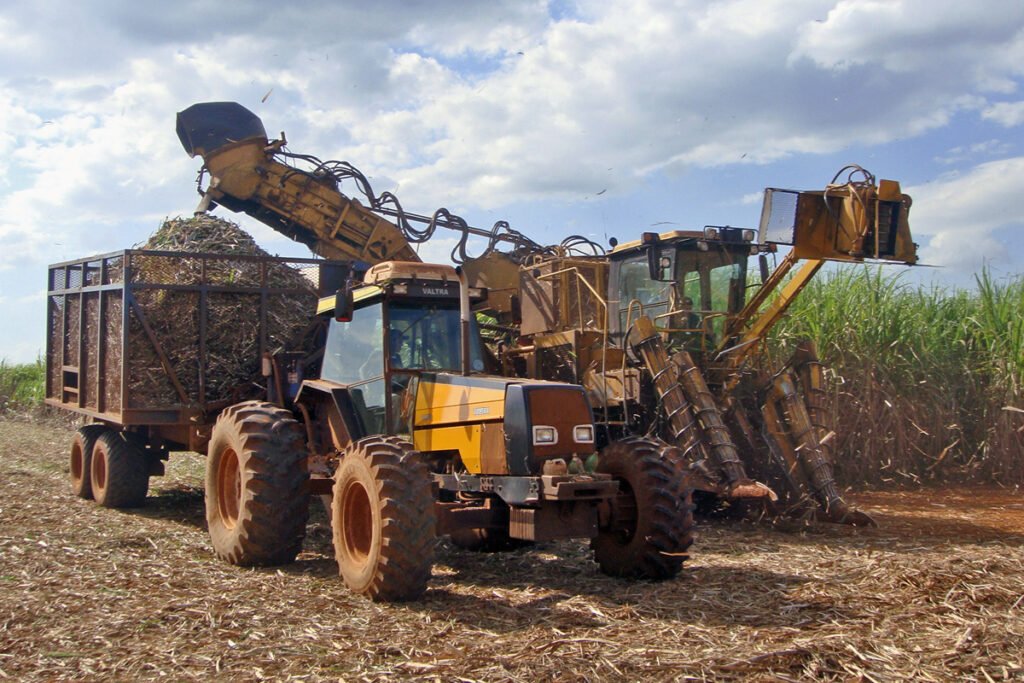
The heart of the industry is the Centre-South, especially Sao Paulo state, where flat land and a long dry season suit mechanised harvesting. Mills there crush cane from April through to the following March, and the USDA uses an April to March marketing year for Brazil for the same reason. Read more about sugarcane itself if you want the agronomy.
The table below shows how dominant Brazilian sugar is in world trade, using the USDA’s May 2026 forecasts.
| Country | Production 2026/27 (million t) | Exports 2026/27 (million t) |
|---|---|---|
| Brazil | 42.5 | 33.6 |
| India | 33.6 | 3.6 |
| Thailand | 9.5 | 6.0 |
| Australia | 4.2 | 3.6 |
| World total | 184.9 | 62.3 |
For a buyer, the practical point is simple. When you buy Brazilian sugar you are buying from the deepest pool of export supply in the world, which usually means more sellers, more shipping options and more competitive prices than any other origin.
The sugar and ethanol mix: why it moves supply
Brazilian mills can turn cane into sugar or ethanol, and they shift the balance each season depending on which pays better. For 2026/27 the USDA expects the mix to favour ethanol at 52% versus 48% for sugar, driven by strong ethanol demand after Brazil raised the anhydrous ethanol blend in gasoline from 27% to 30% in August 2025. That shift is why the USDA has Brazil’s production down 1.3 million tonnes and exports down slightly this season.
Early-season data from the industry association UNICA pointed the same way. S&P Global reported that by May 1, the cumulative mix in the Centre-South had reached 61.84% ethanol and 38.16% sugar, compared with 54.77% ethanol a year earlier. The mix usually swings toward sugar as the harvest goes on, so early numbers are only a guide. You can follow the mill data yourself on the UNICA website. Background on Brazil’s fuel policy is on ethanol fuel in Brazil.
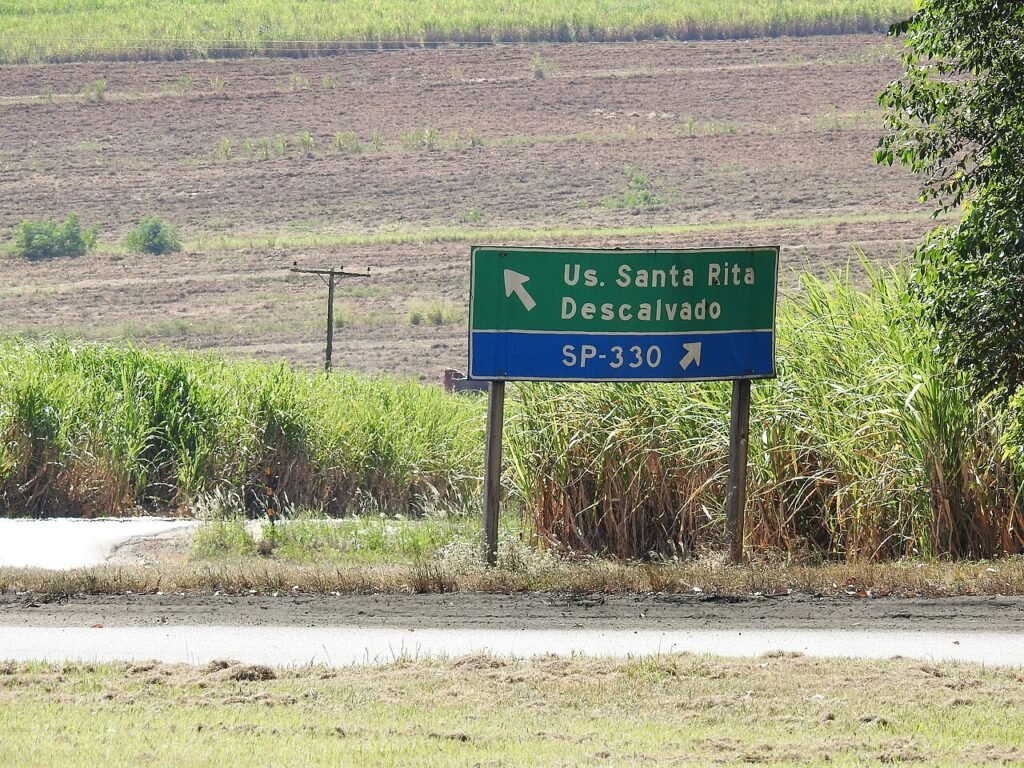
Why should a buyer care? Because the mix decides how much Brazilian sugar reaches the export market. A season tilted toward ethanol means less sugar to go around, and that tends to support prices. A season tilted toward sugar does the opposite. When we talk to customers about timing a contract, the mix is one of the first things we look at.
The main types of Brazilian sugar
Brazil exports several grades, and they suit very different buyers. Getting the grade right is the first decision in any purchase of Brazilian sugar.
| Grade | Colour (ICUMSA) | What it is | Who buys it |
|---|---|---|---|
| VHP raw sugar | Roughly 600 to 1,200 | Very high polarisation raw cane sugar, not fit for direct consumption | Refineries |
| ICUMSA 35 / 45 | 35 or 45 max | Fully refined white sugar | Beverage plants, food factories, repackers |
| ICUMSA 100 / 150 | 100 or 150 max | Refined white sugar with slightly more colour | Bakeries, confectioners, cost-led food processing |
| Crystal white | Sparkling white | Even, bright refined crystals | Table sugar, catering, retail packing |
| Raw brown (Grade E) | 600 to 1,200 | Partly refined cane sugar with molasses | Brewers, bakeries, brown sugar products |
The ICUMSA number measures colour using methods set by the International Commission for Uniform Methods of Sugar Analysis. Lower means whiter. If you are new to the scale, our ICUMSA scale guide explains each step.

VHP raw Brazilian sugar
VHP stands for very high polarisation. It is raw cane sugar with a higher sucrose content than standard raw sugar, which makes it cheaper for refineries to process. The world raw sugar benchmark, ICE Sugar No. 11, is priced on raw centrifugal cane sugar based on 96 degrees average polarisation, with Brazil listed among the deliverable origins. VHP usually trades at a premium over that basis because its polarisation is higher. Most Brazilian sugar exported each year is VHP, and almost all of it goes to refineries in Asia, the Middle East and Africa. It is not a product for a food factory or a retail distributor.
Refined white Brazilian sugar (ICUMSA 45 and others)
Refined white Brazilian sugar is what end users buy. ICUMSA 45 is the best-known grade. The London white sugar futures contract, the global benchmark for white sugar, specifies minimum polarisation of 99.8 degrees, moisture of 0.06% maximum and colour of 45 ICUMSA units maximum, and Brazil is one of the listed delivery countries. Our ICUMSA 45 sugar for sale is contracted at 99.80% minimum polarity and 0.04% maximum moisture, a little tighter on moisture than the exchange contract.
If your product does not need the brightest white, cane sugar ICUMSA 100 or ICUMSA 150 white sugar often does the same job for less.
Brazilian sugar specifications to check
Whatever grade you buy, put these numbers in the contract and check them on the inspection certificate. For refined Brazilian sugar we contract on the following:
| Parameter | ICUMSA 45 | ICUMSA 100 | ICUMSA 150 |
|---|---|---|---|
| Colour | 45 IU max | 100 IU max | 150 IU max |
| Polarity | 99.80% min | 99.8% min | 99.80% min |
| Moisture | 0.04% max | 0.04% max | 0.04% max |
| Ash | 0.04% max | 0.04% max | 0.04% max |
| SO₂ | 70 mg/kg max | 70 mg/kg max | 20 mg/kg max |
| Magnetic particles | 4 mg/kg max | 4 mg/kg max | 4 mg/kg max |
| Solubility | 100% dry and free flowing | ||
For raw brown Brazilian sugar the numbers are different: polarisation 96° to 98°, moisture up to 0.4% and ash up to 0.15%, as listed on our raw brown cane sugar page. Our full ICUMSA 45 specifications guide explains what each line means in practice.
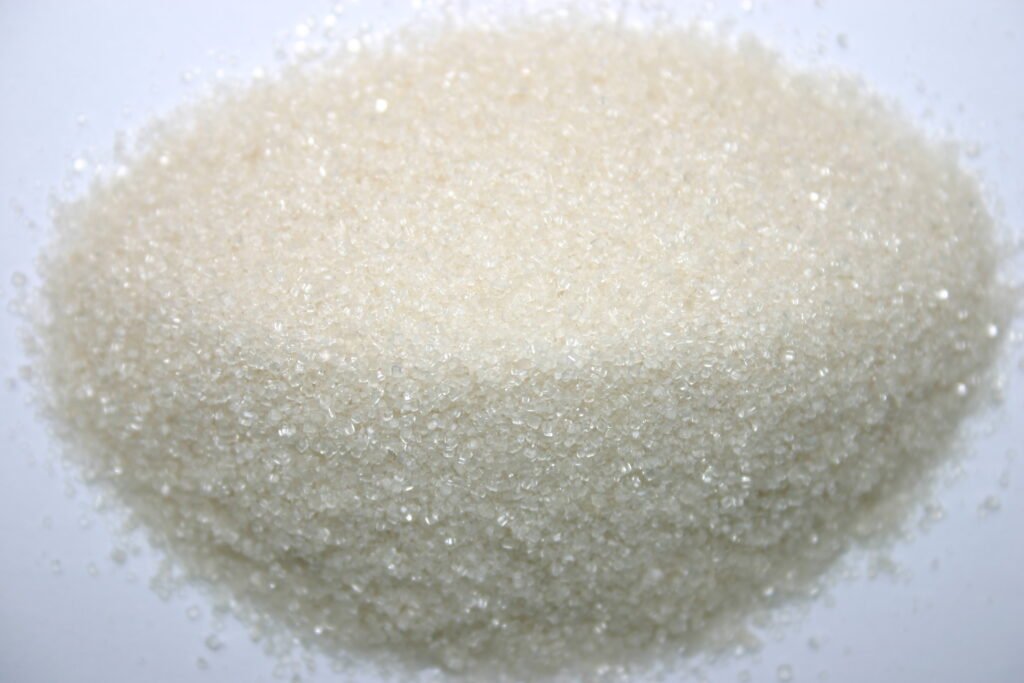
Raw or white: which Brazilian sugar should you buy?
The honest answer is that most readers of this page should buy white. Raw Brazilian sugar makes sense only if you own or supply a refinery, because it has to be melted, cleaned and recrystallised before anyone can eat it. Food and drink makers, wholesalers and repackers need refined white sugar that goes straight into production or onto shelves.
- Buy VHP raw if you run a refinery and buy by the shipload.
- Buy ICUMSA 35 or 45 for clear drinks, premium foods, retail packs and export markets that specify ICUMSA 45.
- Buy ICUMSA 100 or 150 for baked, cooked or coloured foods where cost matters more than brilliance.
- Buy raw brown if you want molasses flavour and colour, for brewing, baking or brown sugar products.
We are often asked for “Brazilian ICUMSA 45 in VHP form”, which does not exist. They are two different products. If a seller offers you both in one breath at one price, be careful; we come back to that in the section on scams.
When to buy: the Brazilian sugar harvest calendar
The Centre-South harvest runs from April to March, and most of the crush happens between April and November when the weather is dry. New-crop Brazilian sugar is usually most plentiful from around June onwards, once mills are running at full speed and port lines start to move. The USDA’s April to March marketing year for Brazil follows the same pattern.
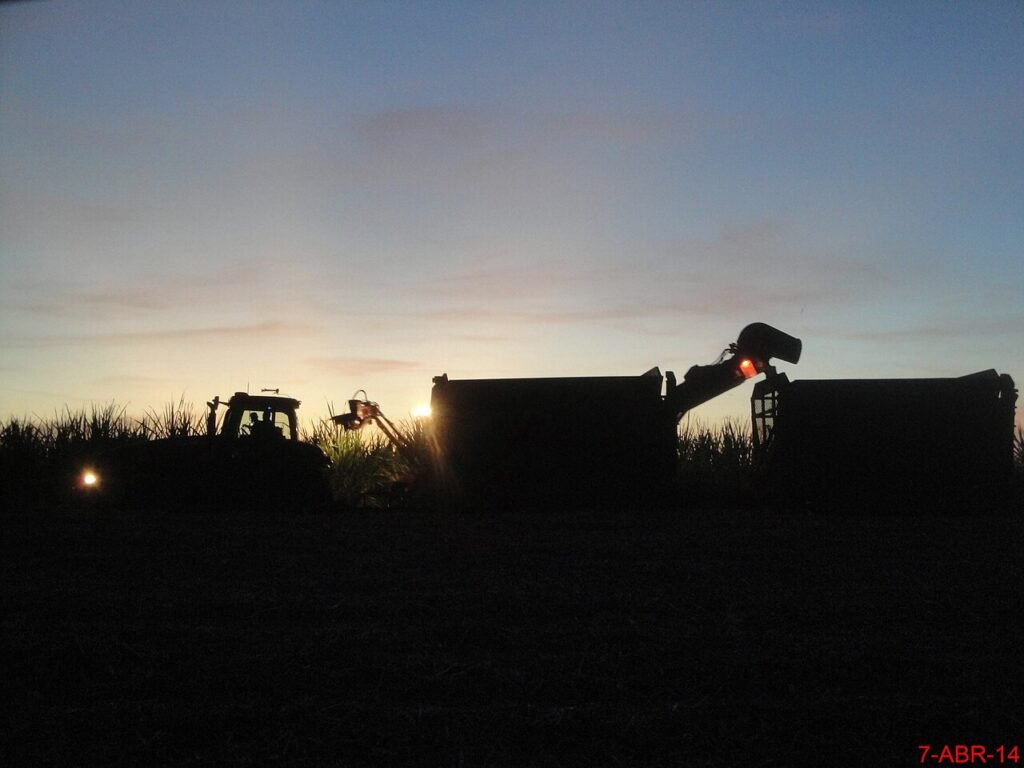
Our practical advice, which is opinion rather than a rule:
- Start talks early in the year if you want a contract for the new crop.
- Expect the widest choice of lots and ships during the main crush, roughly May to October.
- Watch the sugar and ethanol mix reports through the season; they hint at how tight Brazilian sugar supply will be.
- Plan for longer queues at Brazilian ports at peak season, and book shipping time accordingly.
If you buy from more than one origin, our post comparing Brazil and Thailand sugar prices explains how their seasons fit together.
Ports and shipping for Brazilian sugar
Most Brazilian sugar leaves through the ports of the south-east and south. The biggest is Santos, in Sao Paulo state, which is the busiest port in Latin America and has dedicated sugar terminals that load bulk ships straight from warehouses. Paranagua, in Parana state, is the other major outlet. Bagged white sugar also moves in containers from several ports.
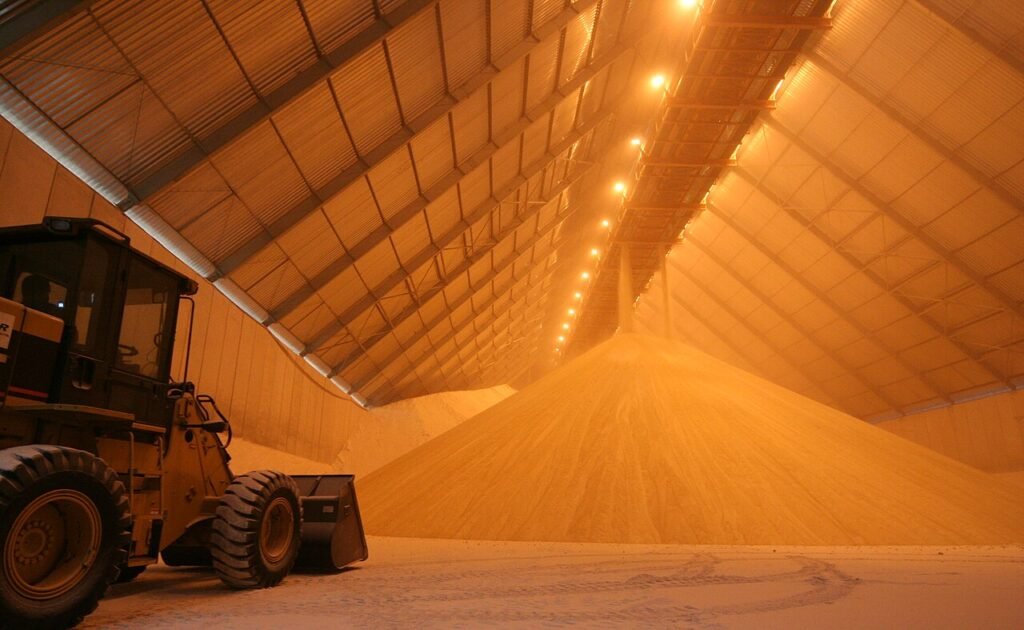
How your Brazilian sugar travels depends on the grade and the volume:
- Bulk vessels carry VHP raw sugar, usually tens of thousands of tonnes at a time, to refineries.
- Containers carry bagged refined sugar. A 20 ft container typically holds about 25 MT in 50 kg bags, which suits importers and distributors who want smaller, regular lots.
- Break bulk ships carry bagged sugar in larger lots where container rates are high.
Our guide to container vs bulk vessel shipping for sugar explains the trade-offs. Sea freight to most destinations normally takes three to six weeks after loading, as set out in our shipping policy.

How Brazilian sugar is priced
Physical Brazilian sugar is priced against two futures contracts. Raw sugar follows ICE Sugar No. 11 in New York, quoted in cents per pound on lots of 112,000 pounds. White sugar follows the London white sugar contract, quoted in US dollars per tonne on lots of 50 tonnes. A seller’s price for Brazilian sugar is normally the relevant futures price plus or minus a premium for grade, packing, port and timing, then freight and insurance if you buy CIF.
The gap between the white and raw prices, often called the white premium, roughly reflects the cost of refining. When it is wide, refined Brazilian sugar is relatively expensive; when it narrows, white sugar looks better value against raw.
On the outlook, the International Sugar Organization’s May 2026 quarterly report took a neutral price view for the following three months, with Centre-South Brazil exports the main factor, and noted that falling sugar prices were tilting Brazilian mills toward ethanol. That is a reminder that Brazilian sugar policy and mill decisions move the whole market.
We don’t publish a fixed price, because sugar prices change every trading day. Send your grade, volume and port and we will quote, with the Incoterm spelled out. Our FOB vs CIF guide and our breakdown of sugar import prices show what goes into a landed cost.
Brazilian sugar vs Thai and Indian sugar
Brazil is not the only origin, and sometimes it is not the best one for a particular buyer. Here is how the three biggest cane exporters compare, based on the USDA’s May 2026 report.
| Brazil | Thailand | India | |
|---|---|---|---|
| Production 2026/27 | 42.5 million t | 9.5 million t | 33.6 million t |
| Exports 2026/27 | 33.6 million t | 6.0 million t | 3.6 million t |
| Main export form | VHP raw, some white | Raw and white | Mostly white |
| Key factor | Sugar/ethanol mix | Cane area and prices | Government export quotas |
| Typical buyers | Refiners worldwide, white sugar importers | Asian refiners and importers | Nearby markets in Africa and Asia |
The USDA notes that India’s sugar trade is shaped by export quotas set to protect domestic supply, and that Thailand’s 2026/27 output is forecast down 1.8 million tonnes after farm-gate prices were set below the cost of production. Brazilian sugar is therefore the most dependable large source of export supply, while Thai sugar is a strong option for buyers in Asia because of shorter shipping routes. We supply from both Brazil and Thailand, so we can suggest whichever origin lands cheaper at your port in a given month.

Documents and inspection for Brazilian sugar
A clean set of papers keeps your Brazilian sugar moving through customs. Each of our shipments comes with:
- Commercial invoice and packing list
- Bill of lading
- Certificate of origin, which shows the sugar is Brazilian (see our sugar certificate of origin guide)
- Quality and inspection certificate from SGS or an equivalent body (see what an SGS sugar inspection checks)
Customs will also ask for the tariff code. The USDA lists raw cane sugar under HS 1701.14 and refined sugar under HS 1701.99. Our sugar HS code guide goes into the detail, and what documents you need to import sugar covers the rest of the paperwork.
Import rules at your end
Getting Brazilian sugar out of Brazil is only half the job. Your own country decides what it takes to bring it in, and the rules vary a lot. A few points apply almost everywhere:
- Food standards. Most national food authorities base their sugar rules on the international Codex Alimentarius standards, which set definitions and quality limits for white sugar, raw sugar and other sugars. Check which version your authority applies.
- Import permits and quotas. Some countries limit sugar imports with licences, quotas or seasonal bans to protect local growers. Confirm that you can import before you sign a contract.
- Duties and taxes. Tariffs on sugar range from zero to very high depending on the country, the grade and any trade agreement with Brazil. Under our terms, import duties and clearance costs at destination are paid by the buyer.
- Labelling and bag marking. Retail packs, and sometimes even bulk bags, may need specific wording, language or origin marking. Tell us early so the bags can be printed correctly.
- Testing on arrival. Some ports sample food imports before release. Having an independent inspection certificate from loading makes this faster.
A local customs broker is worth their fee on a first shipment. Give them the specification, the HS code and a copy of the documents list in advance, and most problems can be solved before the ship arrives. If you are new to all this, our guide to importing refined sugar walks through the process step by step.
Brazilian sugar scams and how to spot them
Sadly, “Brazilian sugar” is one of the most abused phrases in commodity fraud. Many fake offers circulate by email and messaging apps, often promising Brazilian ICUMSA 45 at well below market price. In our experience, the warning signs are consistent:
- A price far below the London white sugar benchmark. Genuine sellers cannot sell far below the market for long.
- Demands for upfront “fees”. Requests to pay for documents, registration or “proof of product” before any contract.
- Endless paperwork chains. LOI, ICPO, SCO, FCO requested in sequence with no real company behind them.
- Huge volumes on monthly repeat. Hundreds of thousands of tonnes a month offered to a first-time buyer with no track record.
- Mixed-up specs. “ICUMSA 45 VHP” or other combinations that make no technical sense.
- No inspection. Reluctance to allow SGS or another independent inspection at loading.
We ask every buyer to check us properly before paying, and we have written a full guide on how to verify a sugar supplier before payment. Our billing policy sets out exactly how payment works with us.

What buyers use Brazilian sugar for
Refined Brazilian sugar ends up in almost every part of the food and drink industry. These are the buyers we deal with most often, and the grades they tend to choose:
- Soft drink and juice bottlers choose ICUMSA 35 or 45 so the drink stays clear and the colour does not shift between batches.
- Bakeries and biscuit makers often use ICUMSA 100 or 150, because the sugar is baked in and nobody sees the colour.
- Confectioners pick by product: whiter grades for clear sweets and white chocolate, cheaper grades for coloured and cooked products.
- Dairy and ice cream plants usually buy ICUMSA 45.
- Wholesalers and repackers buy ICUMSA 45 or crystal white sugar to sell as table sugar.
- Brewers and some bakers buy raw brown cane sugar for its molasses flavour.
If you are not sure which grade your product needs, tell us what you make and we will suggest two or three types of Brazilian sugar to sample. Our ICUMSA 45 vs ICUMSA 150 comparison is a good place to start.

How to compare Brazilian sugar offers side by side
When three sellers send three quotes, they rarely compare like with like. One quotes FOB Santos, another CIF your port, a third in jumbo bags with no inspection. Here is the checklist we would use to line them up fairly.
- Same grade and spec. Check colour, polarity, moisture, ash and SO₂ line by line. A “Brazilian sugar ICUMSA 45” quote with 0.1% moisture is not the same product as one at 0.04%.
- Same Incoterm. Convert FOB quotes to a delivered cost by adding freight and insurance, or ask every seller for CIF to your port.
- Same packing. 50 kg bags and 1 MT jumbo bags cost different amounts to fill and handle.
- Same inspection. Is SGS or an equivalent inspection at loading included, and who pays for it?
- Same shipping window. A cheaper price for shipment in four months may cost you more if you need sugar now.
- Same payment terms. Compare what you pay, when, and what protection you have.
- Same documents. Certificate of origin, inspection certificate, bill of lading and invoice should all be listed.
Once the offers are on the same basis, the real difference in price between Brazilian sugar sellers is usually smaller than it first looked, and the quality of the seller matters more. If you buy in large volumes, our guide on how to buy sugar in bulk covers contract structure in more depth.
Questions to ask before you sign
Clear answers to these questions tell you a lot about any seller. Vague answers tell you even more.
- Which mill or refinery produced this lot, and which crop year is it from?
- Can you send the full specification and a recent analysis from an independent lab?
- Which inspection company will check the cargo at loading, and can I nominate my own?
- What is the loading port, the shipping window and the Incoterm?
- What packing is included, and how are the bags marked?
- Which documents will I receive, and when?
- How and when do I pay, and what happens if the cargo fails inspection?
- Can I speak to someone at your company by phone or video, not just by email?
We answer every one of these on each offer as a matter of routine. If a seller refuses, treat that as useful information and move on.
Why many buyers prefer Brazilian sugar
There is no single “best” origin, but in our experience buyers keep coming back to Brazilian sugar for a few practical reasons:
- Volume. With over half of world export supply, Brazil can fill large and repeat contracts that smaller origins cannot.
- Consistency. Large modern mills and refineries produce sugar to a steady specification season after season.
- Logistics. Big ports with dedicated sugar terminals and frequent sailings to most parts of the world.
- Price discovery. Brazil is listed as a deliverable origin on both main futures contracts, so pricing is transparent.
There is also the matter of experience. Brazil has exported sugar for centuries, and its mills, traders, inspectors and port operators handle enormous volumes every year. For a first-time importer, that depth of experience on the selling side removes a lot of uncertainty. Questions about bag marking, document wording or loading schedules have usually been answered many times before.
The trade-offs are distance for buyers in Asia and Oceania, peak-season port congestion, and the swing in supply when mills favour ethanol. That is why many of our customers mix Brazilian sugar with Thai or Indian cargoes across the year.
Storing Brazilian sugar after it arrives
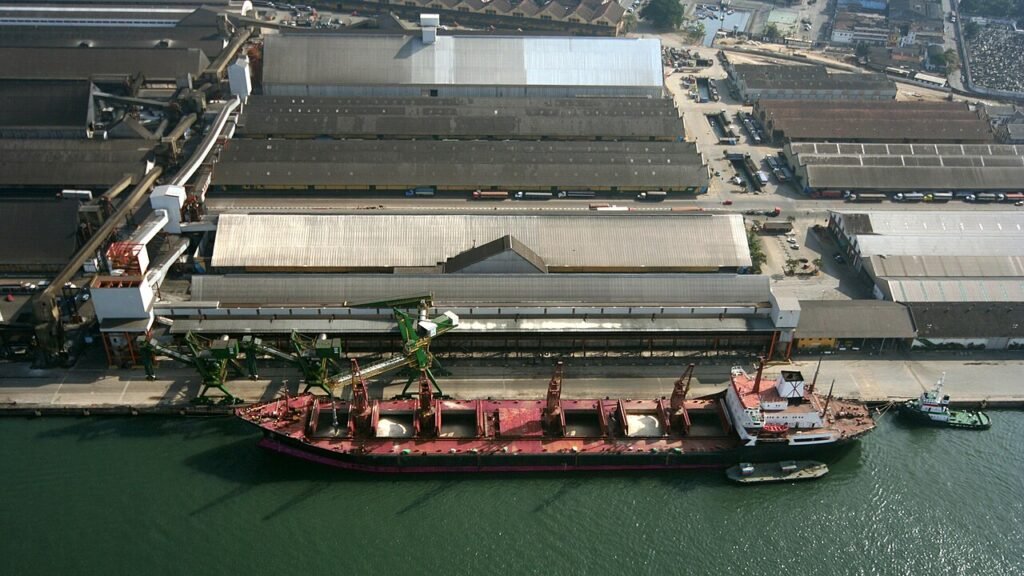
Refined sugar is tough, but it hates damp. Long voyages from Brazil cross humid tropical waters, so storage on arrival matters. Keep bags on pallets in a cool, dry and clean warehouse, away from walls, direct sun and strong smells. Keep the bags closed and use the oldest stock first. Stored this way, refined white Brazilian sugar keeps its colour and flow for around two years.
When the container is opened, check bags from the front and the back. White sugar should be dry and loose. Soft lumps that break apart are normal after a long voyage. Wet bags, hard blocks, yellowing or odd smells should be photographed and reported to us and the carrier within 48 hours of receipt, as our shipping policy sets out. Our refund policy explains what happens next if there is a genuine problem.

From cane to container: how Brazilian sugar is made
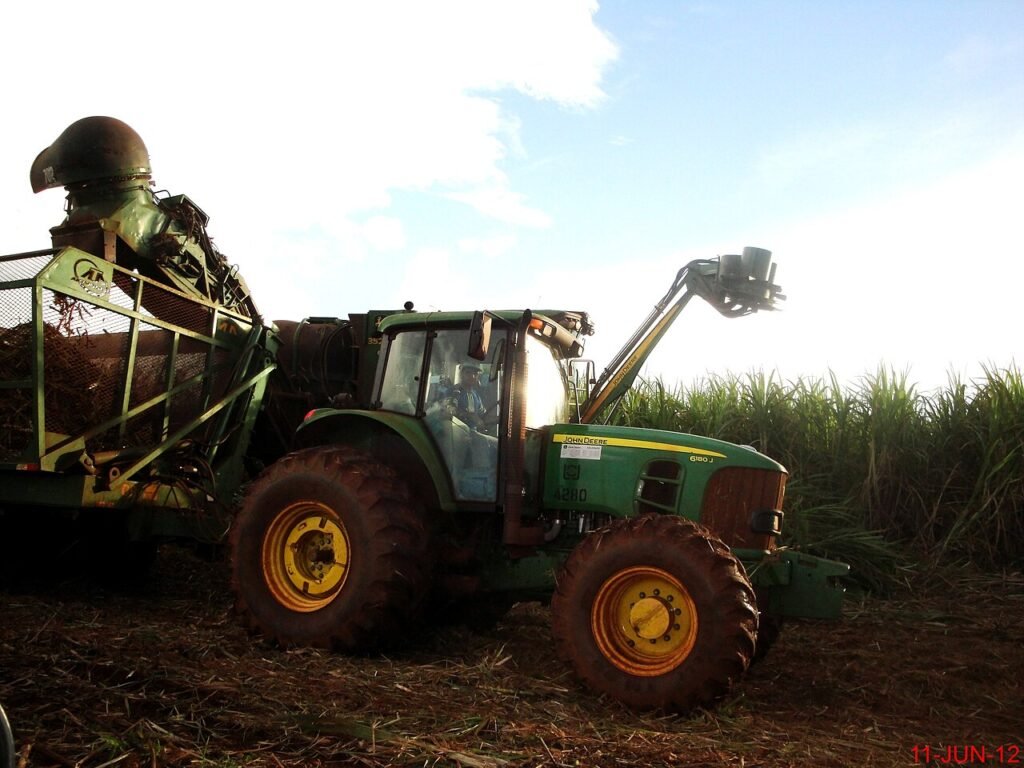
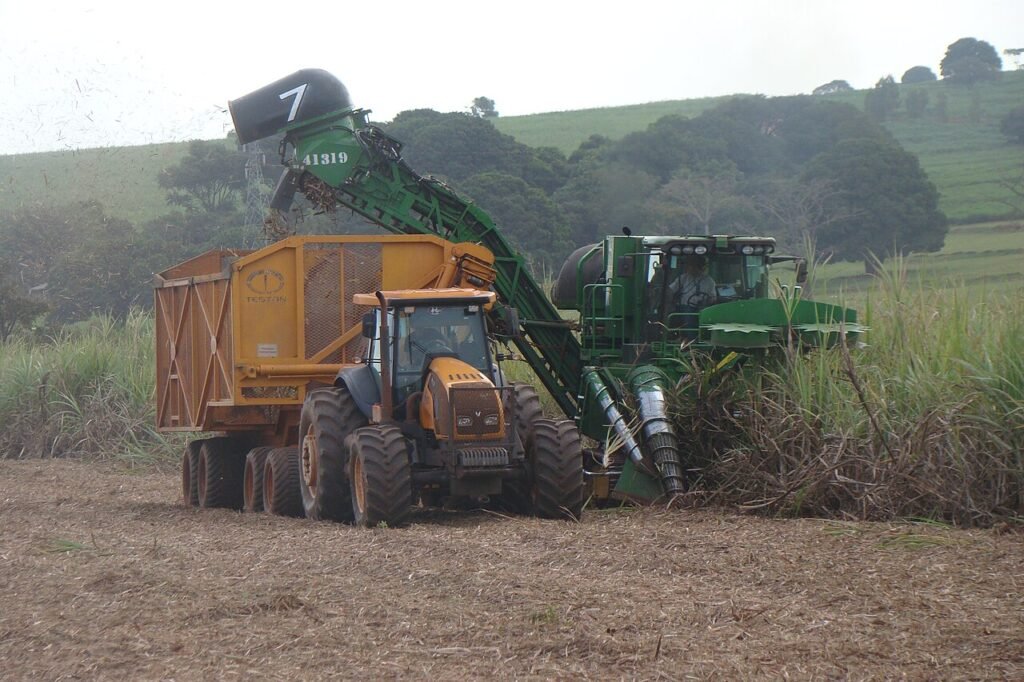
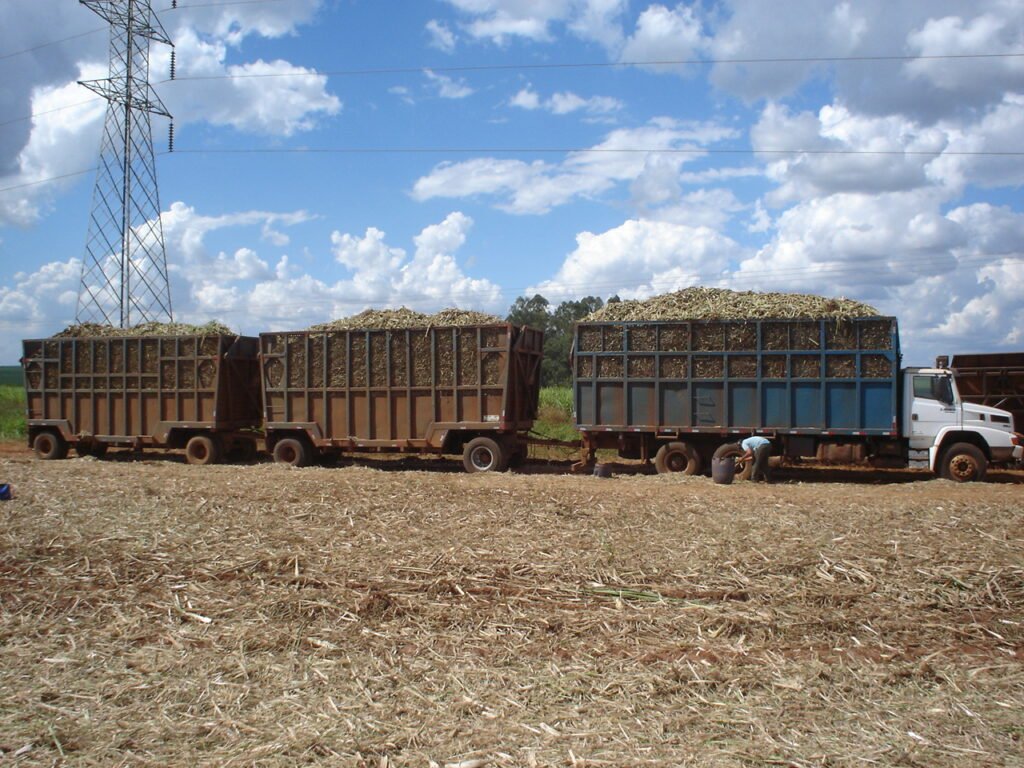
A short walk through the process helps when you read a spec sheet. Cane is cut, mostly by machine in the Centre-South, and trucked to the mill within hours because cut cane loses sugar quickly. At the mill it is washed, shredded and crushed to extract juice. The juice is cleaned, evaporated into syrup and boiled under vacuum until crystals form. A centrifuge spins off the molasses, leaving raw sugar.
For VHP, the process stops there. For white sugar, the raw crystals are melted, filtered and decolourised, then crystallised again, dried, cooled and screened. That extra refining is what brings colour down to 150, 100, 45 or even 35 ICUMSA units. Our article on the sugar refining process covers each stage in detail.
How to order Brazilian sugar from Global Sugar Supplies
We sell refined and raw brown cane sugar to importers, distributors, repackers and manufacturers worldwide, with Brazil and Thailand as our main supply bases. Ordering Brazilian sugar from us works like this:
- Send your inquiry. Tell us the grade, tonnage, packing, destination port and whether you want FOB or CIF. If you need the sugar to be Brazilian by origin, say so, because we also supply from Thailand and India.
- Get a quote and pro forma invoice. We confirm the spec, quote the price and issue a pro forma invoice and sales contract with the specification attached.
- Payment. Payment is by bank transfer, as set out in our billing policy.
- Loading and inspection. Orders are usually processed within two to four business days of payment clearing, and the cargo is inspected by SGS or an equivalent firm at loading.
- Shipping and documents. We email the bill of lading and tracking details once the ship sails, and send the full document set.
Orders normally start at one 20 ft container, about 25 MT. Smaller trial lots can sometimes be arranged for certain destinations. Samples can be couriered so you can test the Brazilian sugar in your own process first.
You can see every grade on our products page, read more about Global Sugar Supplies, or go straight to our contact page for a quote. If you are new to importing, our guides on bulk granulated sugar, raw sugar export and the international sugar trade are worth a read first.

Glossary of sugar trade terms
Sugar contracts are full of shorthand. Here is what the most common terms mean, in plain language.
- ICUMSA: the international body that sets sugar testing methods. On a contract, the ICUMSA number is the colour of the sugar in solution; lower is whiter.
- Polarisation (pol): a measure of sucrose content taken with a polarimeter. Refined white sugar is usually 99.8% or higher; raw sugar is lower.
- VHP: very high polarisation raw sugar, the main raw export grade, sold to refineries.
- White premium: the difference between the white and raw sugar futures prices, roughly the margin for refining.
- Crush: the season when mills process cane. In Brazil’s Centre-South it runs from April to March.
- Mix: the share of cane a mill sends to sugar rather than ethanol.
- FOB: free on board. The seller loads the cargo on the buyer’s ship; the buyer pays freight and insurance from there.
- CFR / CIF: cost and freight, or cost, insurance and freight. The seller pays freight (and insurance for CIF) to the destination port. The ICC Incoterms rules define exactly where risk passes.
- Bill of lading (B/L): the shipping line’s receipt and title document for the cargo.
- Certificate of origin: the document proving where the sugar was produced.
- SGS / independent inspection: a third-party check of weight, quality and packing at loading.
- Jumbo bag: a large woven bag, usually around 1 MT, used for bulk handling at factories.
- LOI, ICPO, SCO, FCO: letters of intent, irrevocable corporate purchase orders, and soft and full corporate offers. Real traders rarely need long chains of these before a contract, which is why they show up so often in scams.
Keep this list handy when you read offers. Once you know the terms, it becomes much easier to see which quotes are serious and which are not.

Frequently asked questions about Brazilian sugar
What is Brazilian sugar?
Brazilian sugar is cane sugar produced in Brazil. It is exported mainly as VHP raw sugar for refineries and as refined white sugar such as ICUMSA 45, 100 and 150 for food and drink makers and distributors.
How much of the world’s sugar exports come from Brazil?
The USDA forecasts Brazil’s 2026/27 exports at 33.6 million tonnes out of world exports of 62.3 million tonnes, so a little over half of all export sugar is Brazilian sugar.
Is Brazilian ICUMSA 45 the same as VHP?
No. ICUMSA 45 is fully refined white sugar ready to use. VHP is raw sugar that must be refined. Any offer that mixes the two terms should be treated with caution.
When is the Brazilian sugar harvest?
In the Centre-South, the main producing region, mills crush cane from April to March, with most of the work done between April and November.
Which port does Brazilian sugar ship from?
Mainly Santos in Sao Paulo state and Paranagua in Parana state, with bagged sugar also shipped in containers from other ports.
What is the minimum order for Brazilian sugar?
With us, normally one 20 ft container of about 25 MT. Bulk VHP is sold by the shipload.
How is Brazilian sugar priced?
Against ICE Sugar No. 11 for raw sugar and the London white sugar contract for refined sugar, plus or minus a premium for grade, packing and timing, with freight added for CIF.
Why do Brazilian sugar prices change so much?
Mostly because of weather, the sugar and ethanol mix at Brazilian mills, export policies in India and Thailand, freight costs and currency moves.
Can I get a sample of Brazilian sugar first?
Yes. We courier samples so your team can test the sugar before you commit to a container.
How do I avoid fake Brazilian sugar offers?
Be wary of prices far below the benchmark, upfront fees, endless paperwork chains and refusals of independent inspection. Verify the seller before you pay anything.
How long does Brazilian sugar take to arrive?
Sea freight typically takes three to six weeks after loading, depending on the destination port and customs clearance.
Do you ship Brazilian sugar worldwide?
Yes. We ship to major ports across Asia, Africa, Europe, the Middle East, the Americas and Oceania.
Key takeaways
- Brazil is the world’s largest sugar producer and exporter, with a forecast 33.6 million tonnes of exports in 2026/27, more than half of world trade.
- Most Brazilian sugar is exported as VHP raw for refineries; food makers and distributors should buy refined white grades such as ICUMSA 45, 100 or 150.
- The sugar and ethanol mix at Brazilian mills is the biggest swing factor in supply; it favours ethanol in 2026/27.
- The Centre-South harvest runs April to March, with the main crush from April to November.
- Prices follow ICE Sugar No. 11 (raw) and London white sugar (refined), plus premiums and freight.
- Always check specs, inspection and documents, and verify the seller before paying for Brazilian sugar.
Sources and References
- USDA Foreign Agricultural Service: Sugar: World Markets and Trade (May 2026)
- S&P Global: Brazil Center-South sugar output exceeds expectations in second half April (UNICA data)
- International Sugar Organization: Quarterly Market Outlook, May 2026
- ICE: Sugar No. 11 Futures contract specifications
- ICE: White Sugar Futures contract specifications
- ICC: Incoterms rules
- UNICA: Brazilian Sugarcane and Bioenergy Industry Association
- ICUMSA: International Commission for Uniform Methods of Sugar Analysis
Photo credits: Marco Aurélio Esparza (CC BY-SA 3.0); Mariordo Mario Roberto Duran Ortiz (CC BY 3.0); Baloubet du Rouet (CC BY-SA 4.0); Sabino Freitas Correa (CC BY-SA 4.0); Tobias Erbsland (CC BY-SA 4.0); Edrossini (public domain); all via Wikimedia Commons.