


Bulk granulated sugar is refined, crystallised sucrose from sugarcane or sugar beet, sold by the tonne in 50 kg bags, 1 MT jumbo bags or loose by the shipload to bakeries, beverage plants, confectioners, food factories and wholesalers. When you buy it, three things decide whether it suits your product: the colour grade (measured in ICUMSA units), the crystal size, and the purity and moisture figures on the spec sheet. We supply bulk granulated sugar in ICUMSA 35, 45, 100 and 150 grades, plus crystal white sugar, packed in 50 kg or 1 MT bags and shipped from Thailand and Brazil to ports worldwide.
This guide is written for people who buy sugar for a living, or are about to start. It explains what bulk granulated sugar actually is, how the grades differ, which specifications matter, how crystal size changes the way sugar behaves in a recipe, how to match a grade to your product, and what drives the price. Market figures come from the USDA’s latest sugar report, standards are linked to the bodies that publish them, and where something is our own trade opinion we say so plainly.
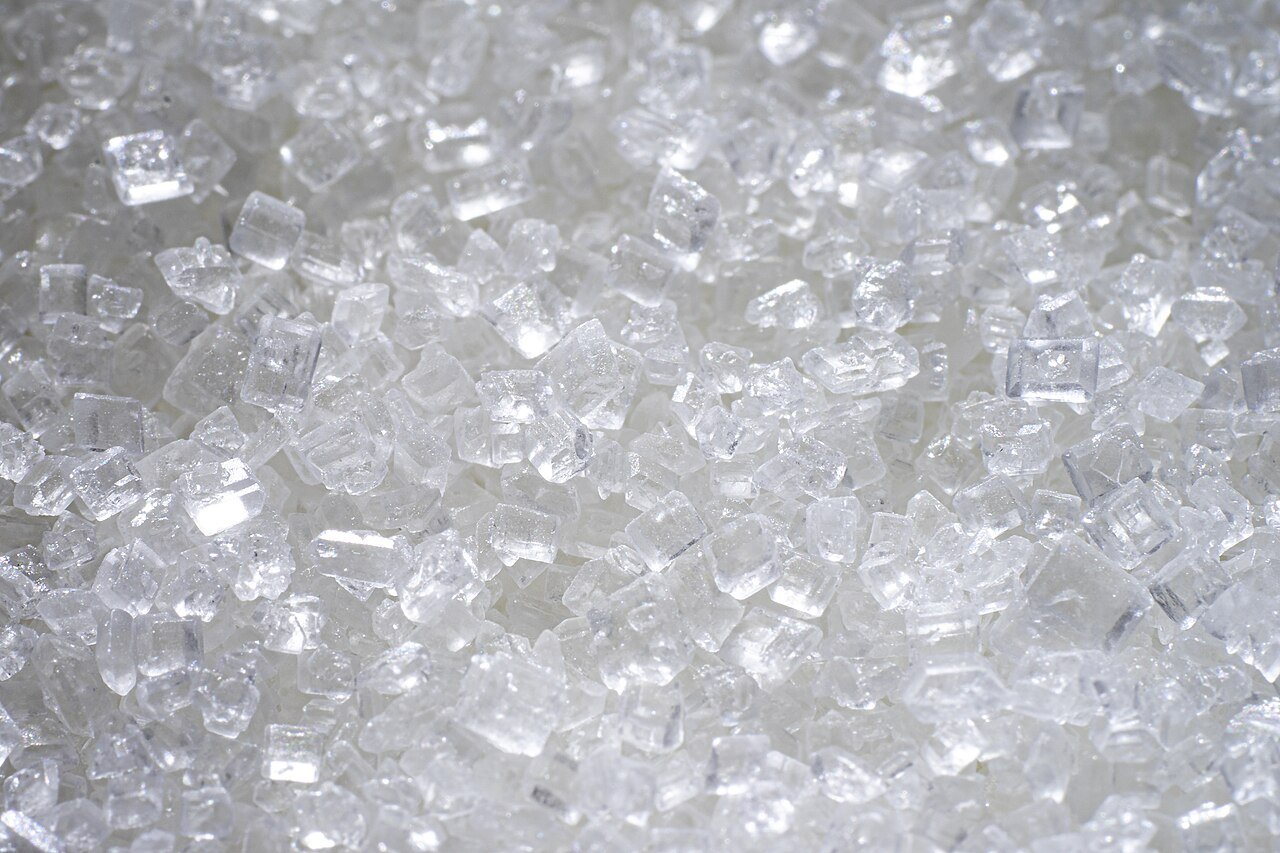
The bulk granulated sugar we sell, at a glance
Before the detail, here are the short specs for every grade we ship. Each product page has the full sheet, and every lot is inspected against these figures at loading.
- Refined sugar ICUMSA 35: 35 IU max, polarisation 99.80% min, moisture 0.04% max, SO₂ 20 mg/kg max. For clear drinks and pharma.
- ICUMSA 45 sugar: 45 IU max, polarity 99.80% min, moisture 0.04% max, ash 0.04% max. The all-round white granulated grade.
- Crystal white sugar: sparkling white, polarity 99.8% min, moisture 0.04% max, fine to medium crystals. For table sugar, repacking and bakery.
- Cane sugar ICUMSA 100: 100 IU max, polarity 99.8% min, moisture 0.04% max. For baking, confectionery and sauces.
- ICUMSA 150 white sugar: 150 IU max, polarisation 99.80% min, SO₂ 20 mg/kg max. The economical choice for cooked and mixed foods.
Packing: 50 kg polypropylene bags with inner liner, or 1 MT jumbo bags. Origin: Brazil, Thailand or India. Inspection: SGS or equivalent at loading. Shipping: worldwide by sea.
If your recipe needs molasses colour and flavour rather than white sugar, we also sell raw brown cane sugar. The rest of this guide focuses on white bulk granulated sugar, because that is what most bakeries and food plants mean when they ask for “sugar”.
What is bulk granulated sugar?
Granulated sugar is sucrose that has been extracted from sugarcane or sugar beet, purified, crystallised and dried into separate, free-flowing grains. It is the most common form of sugar in the world, and when it is sold by the tonne rather than the kilo, the trade calls it bulk granulated sugar. In the United States, sucrose is listed by the Food and Drug Administration as a substance that is generally recognised as safe when used in line with good manufacturing practice.
Two things set bulk granulated sugar apart from the bags you see in a supermarket. First, it is bought on a written specification, so the buyer knows the exact colour, purity and moisture before the sugar ships. Second, it moves in industrial packing and volumes, usually a full 20 ft container of around 25 MT at the small end and many thousands of tonnes on a running contract at the large end. Our guide to buying sugar in bulk covers the commercial side in more depth.
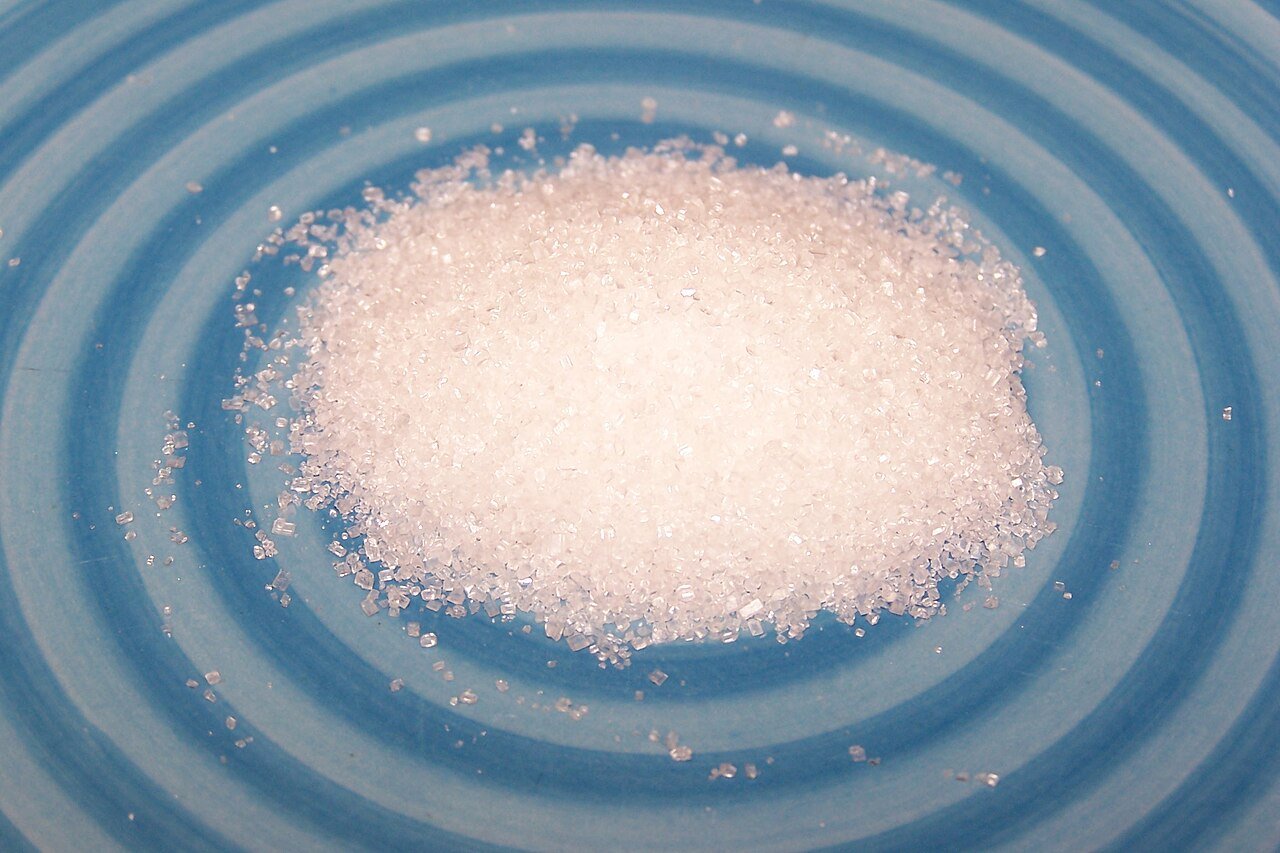
Bulk granulated sugar grades explained
The first number any buyer looks at is the colour. It is measured using methods published by ICUMSA, the International Commission for Uniform Methods of Sugar Analysis, and given in ICUMSA units (IU). A lower number means a whiter, cleaner sugar. For bulk granulated sugar the grades you will see most often are these:
| Grade | Colour | What it looks like | Typical buyers |
|---|---|---|---|
| ICUMSA 35 | 35 IU max | Sparkling white, clear in solution | Clear beverages, pharma syrups |
| ICUMSA 45 | 45 IU max | Brilliant white | General food and drink, retail packing |
| ICUMSA 100 | 100 IU max | White, very faint warmth in bulk | Bakery, confectionery, sauces |
| ICUMSA 150 | 150 IU max | White to slightly creamy | Cost-led food processing |
There is one detail worth knowing. The Codex Alimentarius, the international food standards body, separates “white sugar” from “plantation or mill white sugar” as different categories, with their own colour and analysis methods, as shown in the Codex Committee on Sugars working papers. Humanitarian buyers that follow Codex, for example, specify white sugar at 60 ICUMSA units maximum and 99.7°Z minimum polarisation.
Grades like ICUMSA 100 and 150 are still refined bulk granulated sugar and perfectly fine for most food use, but if your import permit or a customer specification names a colour limit, follow that number, not the trade name on an offer. Our ICUMSA scale guide goes through every grade in detail.

The specifications that matter on a spec sheet
A good spec sheet for bulk granulated sugar answers every question your QA team will ask. These are the lines we tell buyers to read first, with a widely used benchmark next to each one.
| Parameter | What it tells you | Benchmark for white sugar |
|---|---|---|
| Colour (ICUMSA) | How white and clean the sugar is | 60 IU max for Codex white sugar; 45 IU or less for premium grades |
| Polarisation | Sucrose content | 99.7°Z min |
| Moisture / loss on drying | Risk of caking and spoilage | 0.1% max (our grades: 0.04% max) |
| Invert sugar | Breakdown products of sucrose | 0.04% max |
| Ash | Mineral residues | 0.03% max (our grades: 0.04% max) |
| Sulphur dioxide | Processing residue | 15 mg/kg max in Codex-based specs |
| Crystal size | How it flows, dissolves and bakes | To be specified by the buyer |
The benchmark column comes from the IFRC and ICRC standard specification for white crystal sugar, which is built on Codex. In the European Union, sugars sold for human consumption are defined in Council Directive 2001/111/EC, which sets three categories: semi-white sugar, sugar or white sugar, and extra-white sugar, with extra-white sugar limited to a low total of quality points for colour type, ash and colour in solution. If you sell into a regulated market, check which definition applies before you sign for bulk granulated sugar.
For a plain-language look at the purity numbers, see our pieces on sugar polarisation and colour and purity.
Crystal size: the spec most buyers forget
Two lots of bulk granulated sugar can share the same colour and purity and still behave very differently in your plant, because the crystals are a different size. Size affects how fast the sugar dissolves, how it creams with fat, how it flows through hoppers and how it looks on the finished product.
The trade uses a long list of names. A baking industry overview published by Baking Business lists granulated grades running from very fine coating sugar through bakers special, fruit granulated, extra fine, fine, medium and standard up to coarse granulated, with each step a larger grain. The same article makes a point every buyer should remember: these names are mainly descriptive and are not a generally accepted particle size standard. One supplier’s “fine” may be another’s “medium”.
Some producers publish actual figures. A European beet sugar company, for example, describes its standard granulated sugar as having an average particle size of 0.5 to 1 mm, with sieved grades ranging from 0.2 to 2.5 mm. That gives you a feel for the range. If crystal size matters for your product, put a sieve analysis or a size range in the contract rather than relying on a name.

Which crystal size suits which job
- Fine and extra fine: cake batters, creamed doughs, dry mixes and fillings where you do not want grittiness.
- Standard or medium: general baking, beverages, jams and table sugar. This is what most bulk granulated sugar contracts specify.
- Coarse: confectionery, syrups and cooking where you want the sugar to resist colour change at high heat, and decorative toppings.
Our ICUMSA 45, ICUMSA 100 and crystal white grades ship as fine to medium crystals. If you need something tighter, tell us when you inquire and we will confirm what can be supplied for your bulk granulated sugar order.
What granulated sugar does in your product
It is easy to think of sugar as just sweetness. Bakers and food technologists know better. An article in Bakers Journal on the functional role of sugar in baking explains that sugar adds flavour, drives crust browning through caramelisation and the Maillard reaction, tenderises baked goods by competing with other ingredients for water, and slows staling by holding on to moisture. Purdue University’s head of food science, writing for Baking Business, adds that in cakes sugar affects texture, structure, moisture retention and flavour, and that too much or too little changes volume, spread and browning.
That is why switching to a cheaper or different bulk granulated sugar is never only a price decision. A change in crystal size, moisture or colour can change how your product bakes, browns and keeps.
Matching bulk granulated sugar to your product
This is how we would match grade to use. Treat it as a starting point and always run a trial with a sample in your own process.
Bakeries and biscuit plants
Most bakeries do well with ICUMSA 45 or crystal white sugar for cakes, icings and anything white or pale, and ICUMSA 100 or 150 for breads, dark cakes, biscuits and fillings where the sugar is mixed in and baked. A fine to medium crystal creams well and dissolves evenly. For a bakery buying bulk granulated sugar every month, consistency from lot to lot matters more than anything else.
Beverage producers
Clear soft drinks, tonics, flavoured waters and syrups need sugar that dissolves clean with no colour cast, so ICUMSA 35 or 45 is the usual choice. Coloured drinks and cordials can often use ICUMSA 100. Our guide to sugar for beverage industry buyers goes into more detail.
Confectionery
Hard candy and clear sweets need a low-colour bulk granulated sugar to stay bright. Caramels, fudge, toffee and chocolate fillings, which are brown anyway, can use ICUMSA 100 or 150 without any visible difference.
Jams, preserves and sauces
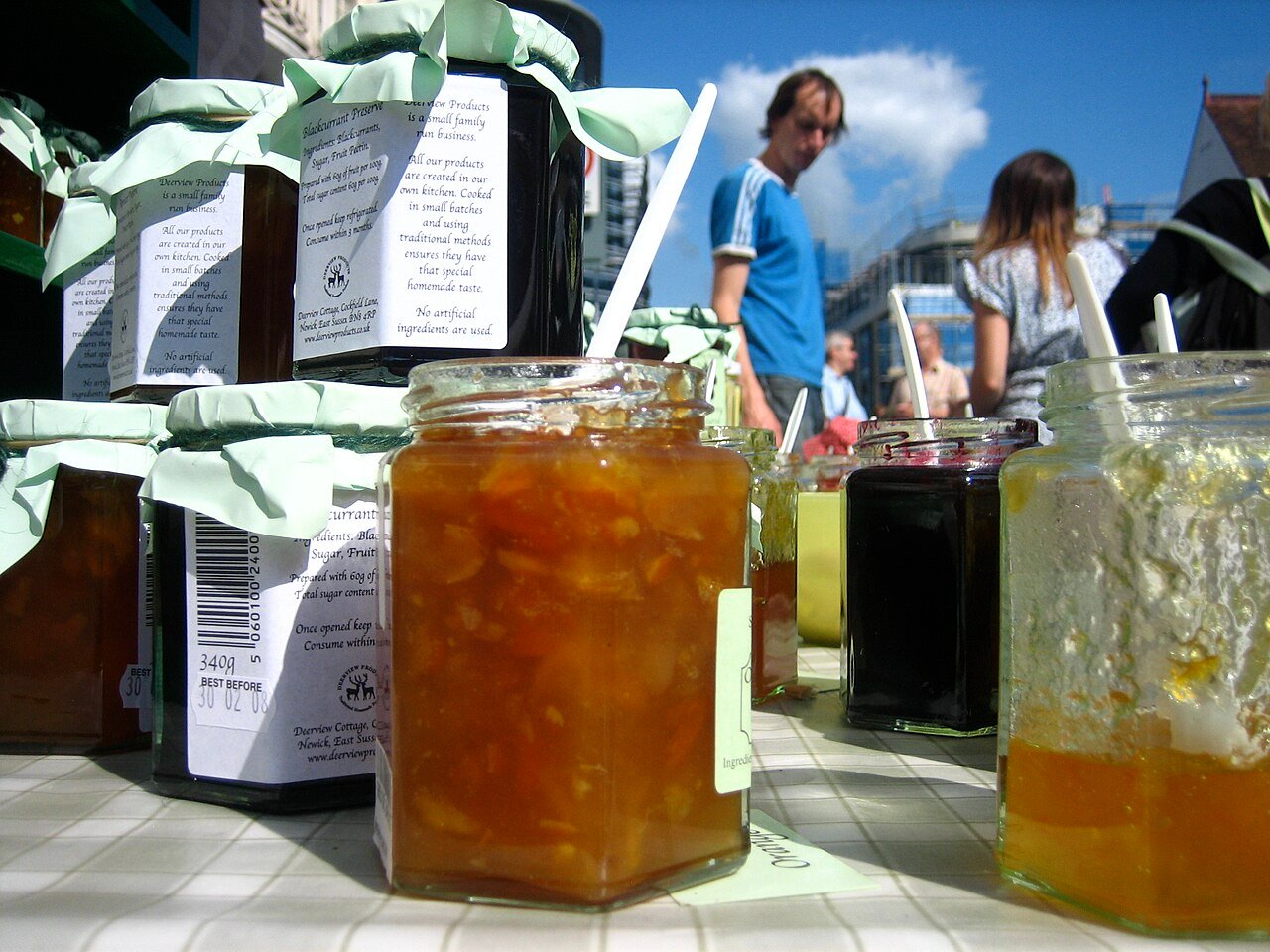
Sugar in jam does much of the preserving work. Cooking darkens the product, so ICUMSA 100 or 150 is common here, with ICUMSA 45 used for very pale fruit spreads. Ketchup, sauces and chutneys sit comfortably with ICUMSA 150.
Dairy and ice cream
Flavoured milks, yoghurts and ice cream generally use ICUMSA 45 so the product colour stays clean, though chocolate and caramel lines can use a higher grade.
Wholesalers and repackers
If you repack into 1 kg or 2 kg consumer bags, the shopper judges the sugar by eye. Bright crystal white sugar or ICUMSA 45 sells best. Our post on what crystal white sugar is explains why it suits retail.
Pharmaceutical and syrup makers
Medicinal syrups and coated tablets usually call for the lowest colour available, which means ICUMSA 35 or 45 bulk granulated sugar with tight limits on moisture and foreign matter.
Traders and importers
If you buy to resell, whether to local bakeries, shops or factories, your customers will judge you on consistency. Buy a grade your market already knows, usually ICUMSA 45 or crystal white for retail and ICUMSA 100 or 150 for industrial buyers, and keep the same origin and packing from shipment to shipment where you can.
Many importers also hold two grades of bulk granulated sugar in stock so they can serve both retail and industrial customers from one warehouse.
Check your country’s import rules, duty rates and labelling requirements before the first order, and build port charges and inland transport into your selling price from the start. Our guides on sugar import prices and import documents are a good place to begin.
Cane or beet: does it matter?
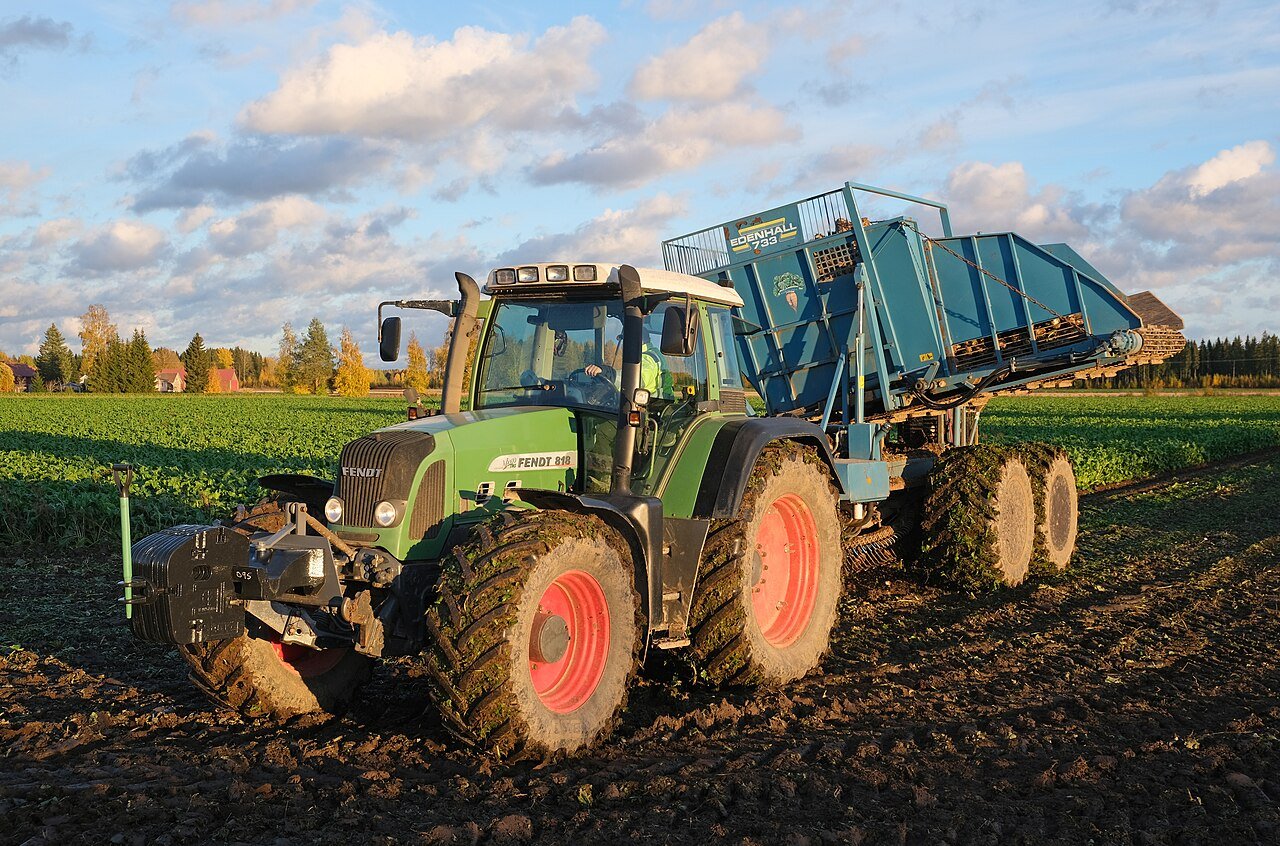
Bulk granulated sugar is made from two crops. Sugarcane grows in the tropics and subtropics; sugar beet grows in cooler climates such as Europe, Russia and parts of North America. Once fully refined, both give sucrose of the same chemical make-up, and in most recipes you will not taste the difference.
In practice the choice is usually about origin, availability and price rather than performance. The sugar we supply is cane sugar from Brazil, Thailand and India. Some buyers specify cane because their customers ask for it on the label, and some markets prefer it out of habit. If your specification requires one or the other, write it into the contract for your bulk granulated sugar so there is no question later.
How bulk granulated sugar is made
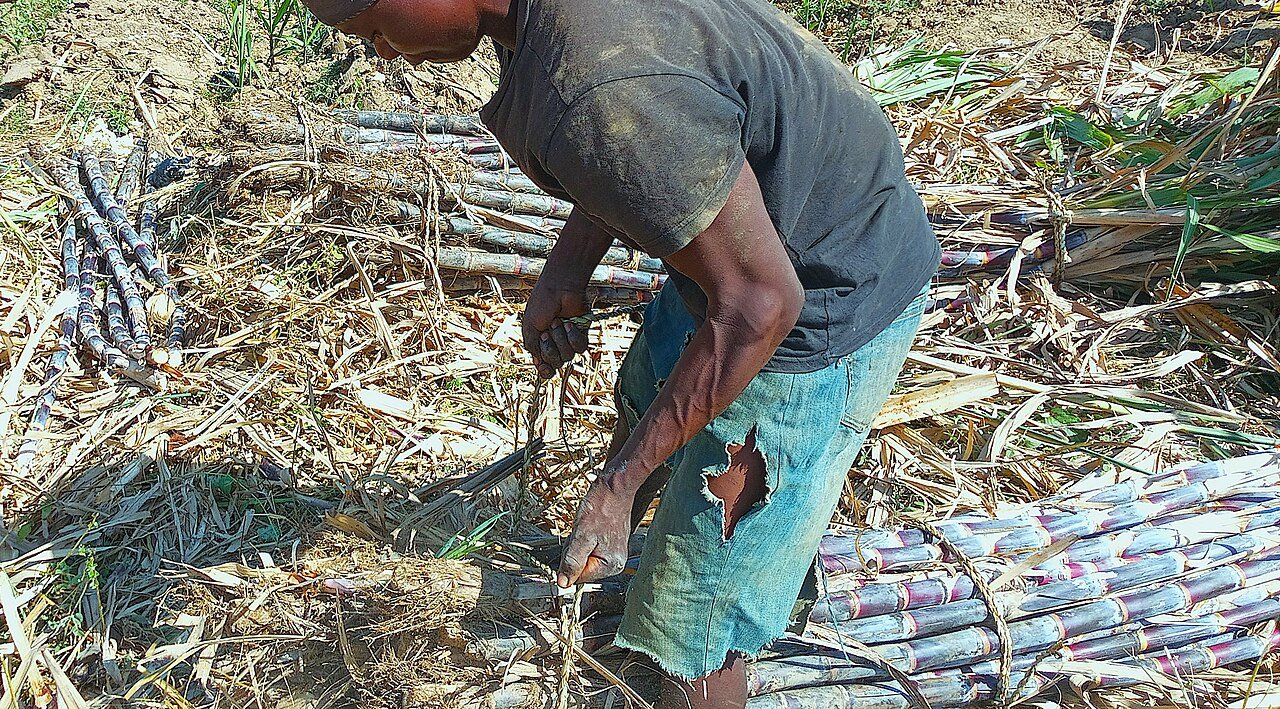
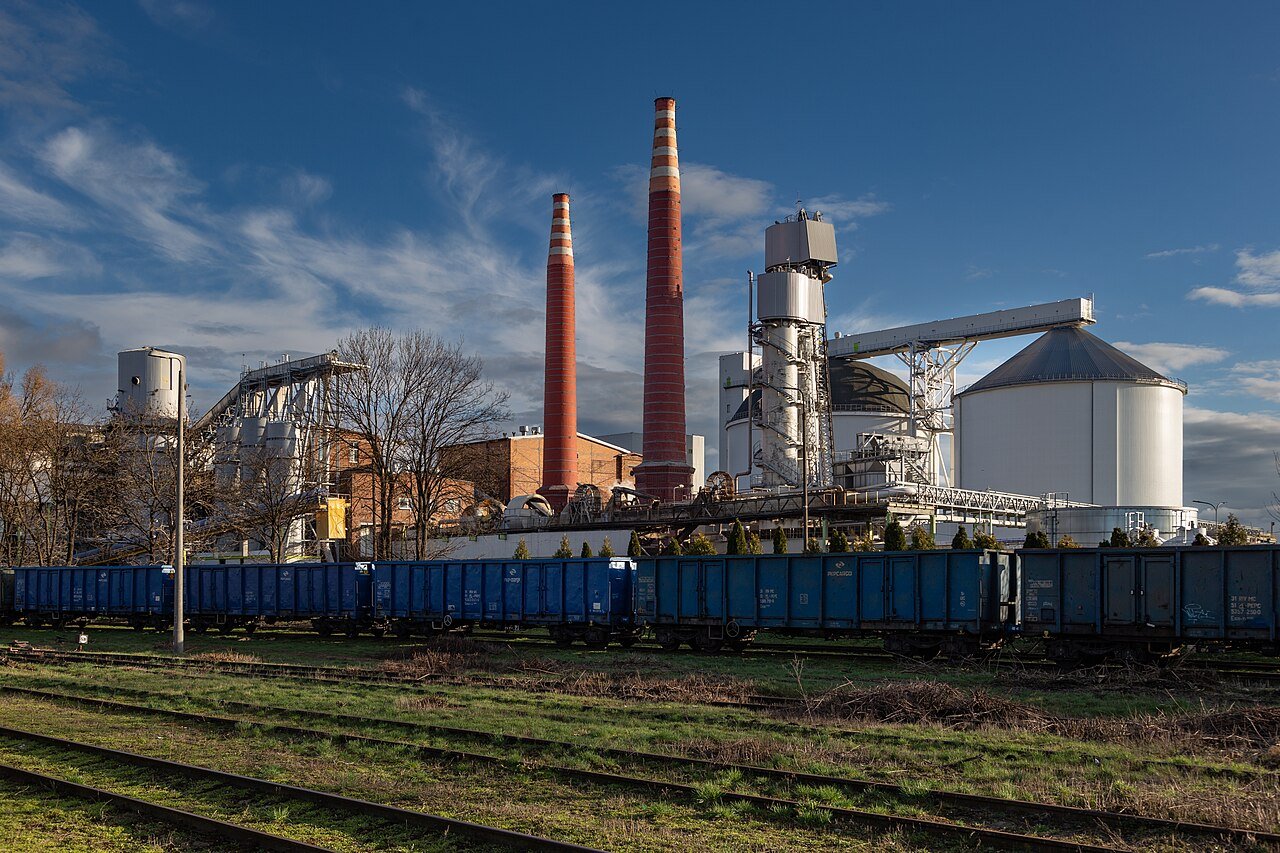
In short: the cane is crushed to extract juice, the juice is clarified and boiled down, and sugar crystals are grown in vacuum pans. That first product is raw sugar, which still carries a film of molasses. Refining then dissolves the raw sugar, filters and decolourises it, recrystallises it, and spins and dries the crystals until you have white granulated sugar. The more thoroughly the sugar is refined, the lower its ICUMSA colour. Our article on the sugar refining process walks through each stage, and refined vs raw sugar explains when raw sugar is the better buy.
Packing options for bulk granulated sugar
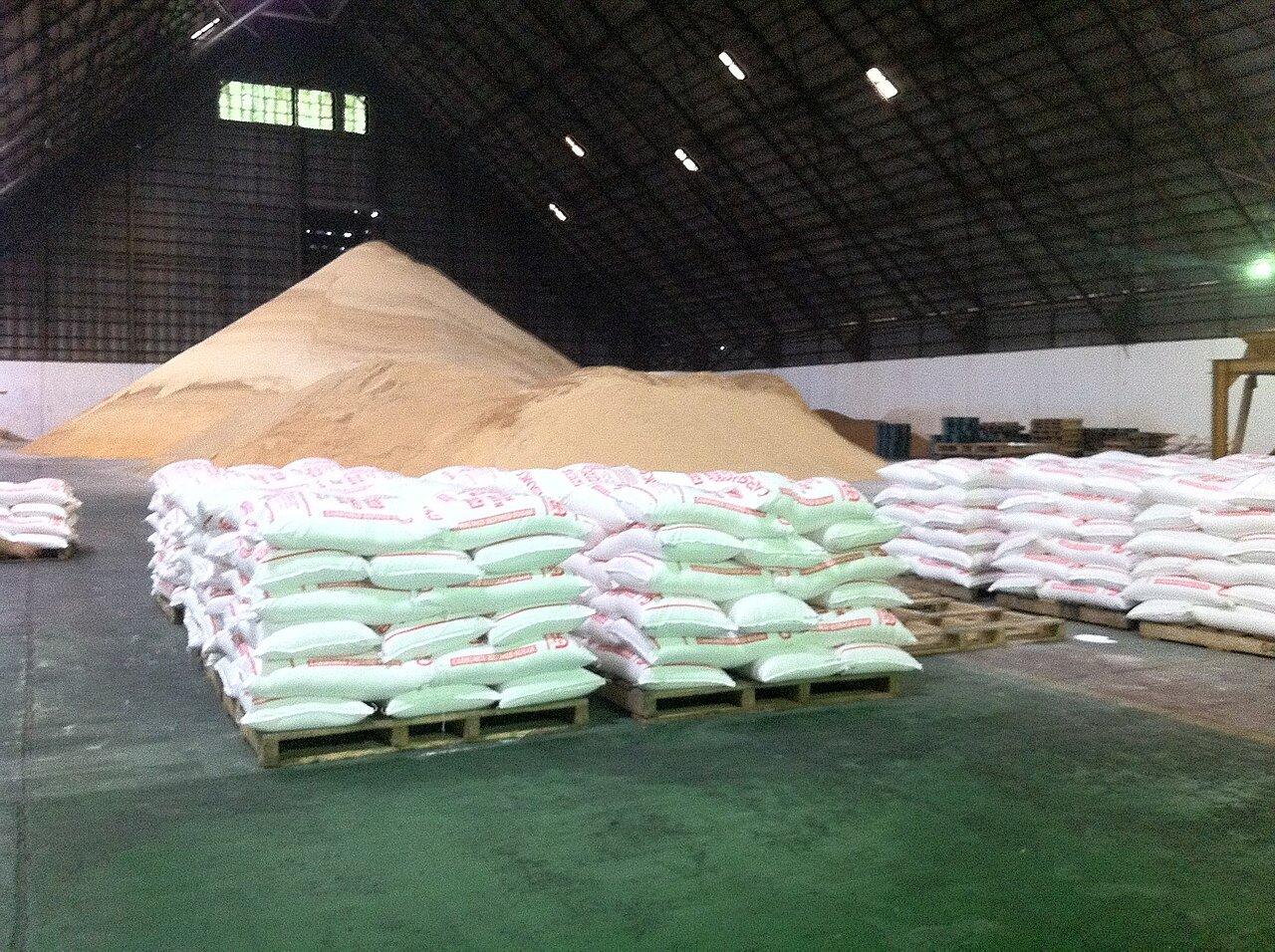
How your sugar is packed affects handling, storage and cost. These are the common options:
- 50 kg polypropylene bags with an inner polyethylene liner. Easy to hand-stack and the standard for distributors and most bakeries. Codex-based humanitarian specs, for example, call for new woven polypropylene bags with an inner lining of at least 50 microns.
- 1 MT jumbo bags for plants that discharge straight into a silo or hopper. Fewer bags to handle and less waste.
- Private label bags on larger contracts, printed with your brand.
- Loose bulk by vessel for refiners and very large users with silo storage.
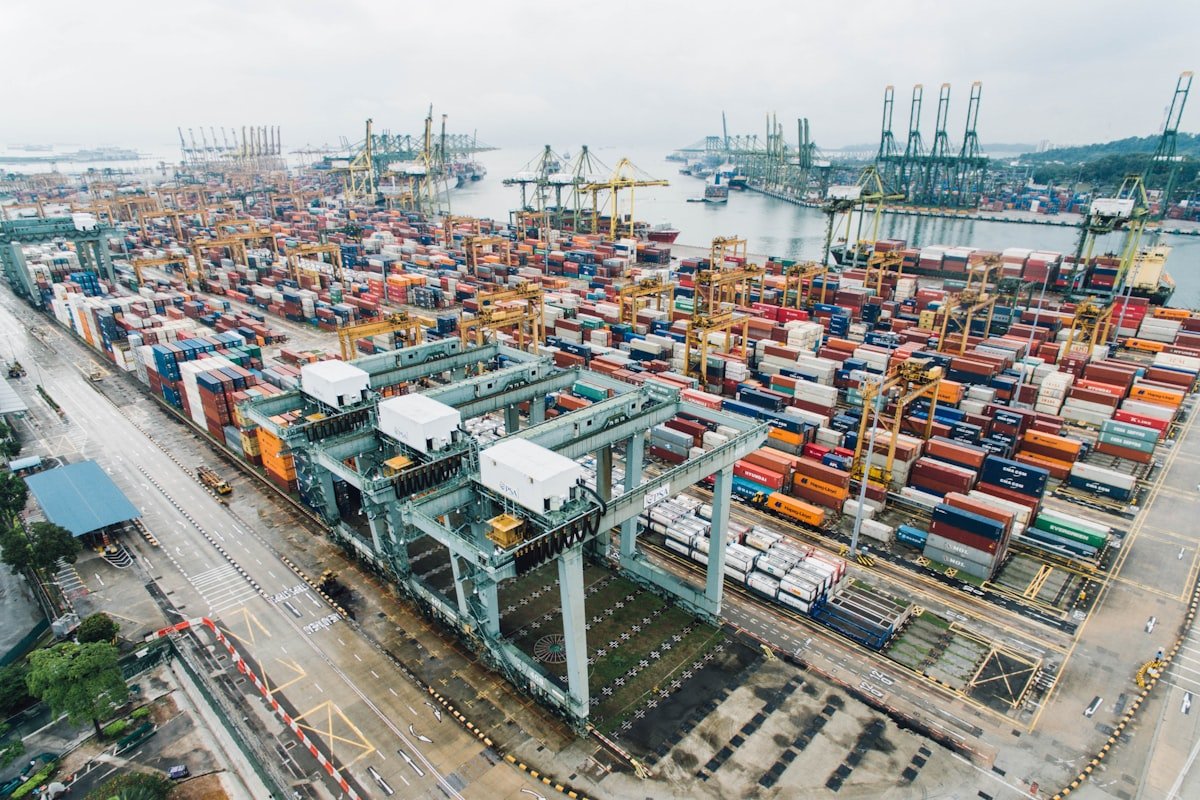
A 20 ft container usually carries around 25 MT of bagged bulk granulated sugar. Large regular contracts can move by bulk vessel instead; our post on container vs bulk vessel shipping explains where the cut-off tends to sit.
Where the world’s bulk granulated sugar comes from
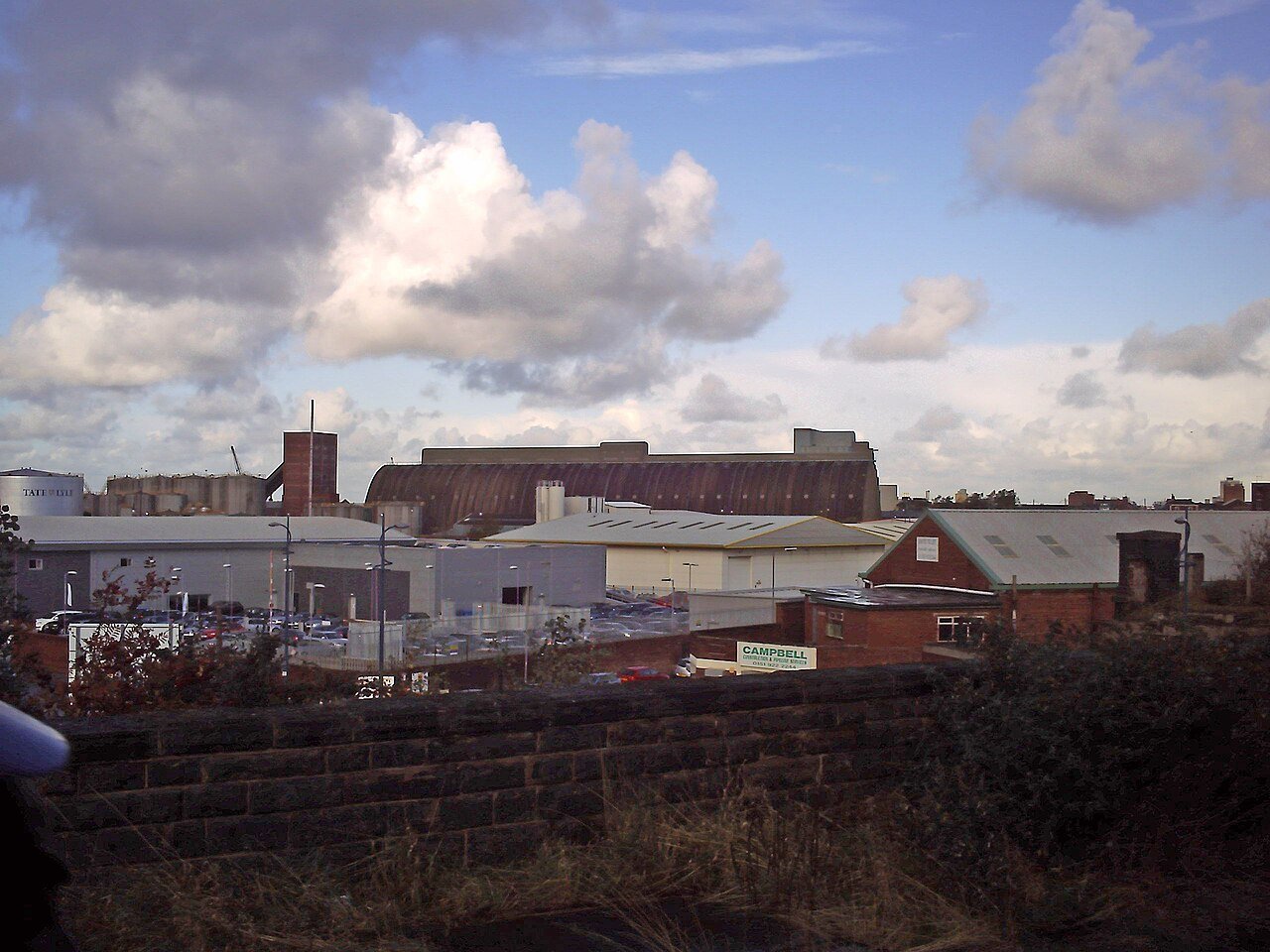
Knowing where supply comes from helps you plan purchases and spot risk. According to the USDA’s May 2026 report, world sugar production for 2026/27 is forecast at 184.9 million metric tons (raw value), down 1.2 million tons from the year before, with lower output in Brazil, the European Union, the United States and Thailand more than offsetting a recovery in India.
| Country | 2026/27 production (million t, raw value) | 2026/27 exports (million t) | Note |
|---|---|---|---|
| Brazil | 42.5 | 33.6 | More cane going to ethanol this season |
| India | 33.6 | 3.6 | Recovering after good monsoons |
| European Union | 14.4 | 0.86 | Beet area down |
| China | 12.7 | n/a | Mostly consumed at home |
| Thailand | 9.5 | 6.0 | Smaller area after low farm-gate prices |
All figures in that table come from the USDA Sugar: World Markets and Trade report.
Two points stand out for buyers. Brazil supplies more than half of all sugar traded internationally, so its weather and its ethanol policy move the market: the USDA expects the mix to favour ethanol at 52% this season after Brazil raised its fuel blend. And Thailand, the world’s second-largest exporter at a forecast 6.0 million tons, is expected to produce 1.8 million tons less.
World exports are forecast at 62.3 million tons. Spreading purchases across two origins, for example Brazil and Thailand, is a simple way to protect your bulk granulated sugar supply against a bad season in one country.

What sets the price of bulk granulated sugar
Sugar is priced off futures markets. Raw sugar trades on the ICE Sugar No. 11 contract and refined white sugar on the ICE White Sugar futures contract in London. Physical bulk granulated sugar is then quoted at a premium or discount to those benchmarks, depending on grade, origin, packing and timing. On top of that come:
- The refining premium, the gap between raw and white sugar prices, which changes with refinery capacity and demand.
- Grade: lower ICUMSA usually costs more.
- Packing: bagged costs more than loose bulk; private label adds a little more.
- Freight and insurance to your port, which can move a lot.
- The Incoterm: FOB, CFR or CIF changes who pays freight and when risk passes. The ICC Incoterms rules are the official reference.
- Import duties and taxes at destination, paid by the buyer.
We don’t publish a fixed price because it would be out of date within days. The International Sugar Organization and the USDA Economic Research Service publish market analysis if you want to follow the trend. Our post on what drives sugar wholesale prices breaks down how a quote for bulk granulated sugar is built, and FOB vs CIF sugar pricing explains the shipping terms.
Inspection and documents
With bulk granulated sugar you are paying for a specification you cannot see until the container is opened, so independent inspection matters. Every lot we ship is inspected at loading by SGS or an equivalent firm, and the certificate travels with your documents. Our article on what an SGS sugar inspection checks explains the process.
Each shipment comes with:
- Commercial invoice and packing list
- Bill of lading
- Certificate of origin (see our certificate of origin guide)
- Quality and inspection certificate
Your customs broker will also need the tariff code. Refined cane sugar falls under HS heading 1701, and our sugar HS code guide explains the subheadings. If you are new to importing, read what documents you need to import sugar before your first order of bulk granulated sugar.

Checking the sugar when it lands
Even with a certificate in hand, open a few bags from the door end and a few from the back of the container. Good bulk granulated sugar should be white (or the expected shade for its grade), dry and free flowing. Soft lumps that break apart in your hand are normal after a long, humid voyage. Hard caking, wet bags, a yellow tint, insects or an odd smell are not. Photograph any problem and report it to the supplier and the carrier straight away; our own shipping policy asks for reports within 48 hours of receipt.
Storage and shelf life
Refined sugar is a stable product. It does not support microbial growth when dry, so the main enemy is moisture. Kept well, it lasts a long time; some humanitarian procurement specifications list a two-year shelf life for white sugar. To get the most out of your bulk granulated sugar:
- Store bags on pallets, off the floor and away from walls, in a cool, dry, clean warehouse.
- Keep bags closed. Sugar picks up moisture from humid air and then cakes as it dries again.
- Avoid big temperature swings, which cause condensation inside bags.
- Keep sugar away from strong smells, since it can absorb odours.
- Rotate stock first in, first out.

Common mistakes when buying bulk granulated sugar
These are the problems we see most often. Avoid them and you will save money and trouble.
- Buying on price alone. The cheapest offer often hides a higher ICUMSA, more moisture or poor packing.
- Ordering by name, not number. “Crystal white” or “fine” means different things to different suppliers. Put colour, polarisation, moisture and crystal size in the contract.
- Skipping the sample. Always test a sample of the actual bulk granulated sugar in your own process before the first full order.
- Ignoring packing. Thin bags without liners tear and let in moisture on long voyages.
- Forgetting landed cost. Freight, insurance, duties and port charges can add a lot to the FOB price. Our post on sugar import prices shows how to add it all up.
- Not checking the supplier. Sugar trading attracts fraud. Our guide on how to verify a sugar supplier before payment lists the checks we would run ourselves, and we are happy to be checked the same way.
A worked example: what one container looks like
New buyers often ask what a single container order actually involves. Here is a simple example using round numbers, so you can picture it. Your own figures will differ.
- Quantity: one 20 ft container, about 25 MT of bulk granulated sugar.
- In 50 kg bags: roughly 500 bags. Plan for a team to unload and stack them on pallets, or a forklift if the bags are palletised.
- In 1 MT jumbo bags: about 25 bags, which a forklift can unload in a short time. You will need a discharge frame or hopper to empty them.
- Warehouse space: allow room for the pallets with air around them, away from walls and doors.
- How long it lasts: a bakery using 1 MT a week would get about six months from one container; a factory using 5 MT a day would get about five days. That tells you quickly whether you need a single order or a running programme.
When you ask for a quote, give us your weekly or monthly use as well as the order size. It helps us suggest the right packing and shipment rhythm for your bulk granulated sugar.
Warning signs of poor-quality granulated sugar
Most problems show up as soon as you open a bag, if you know what to look for:
- Yellow or grey tint in a grade sold as white: the ICUMSA colour is probably higher than stated.
- Hard lumps or blocks: moisture got in, either from poor drying, thin bags or condensation in transit.
- Dust and broken fines: poor screening, which can clog dosing equipment and change how the sugar dissolves.
- Black specks or fibres: foreign matter from processing or packing.
- A smell: refined sugar should be odourless. Any smell means contamination or bad storage.
- Cloudy solution: dissolve a sample in clear water; good white bulk granulated sugar gives a clear solution.
If you see any of these, keep samples, take photographs and contact the supplier before using the sugar in production.
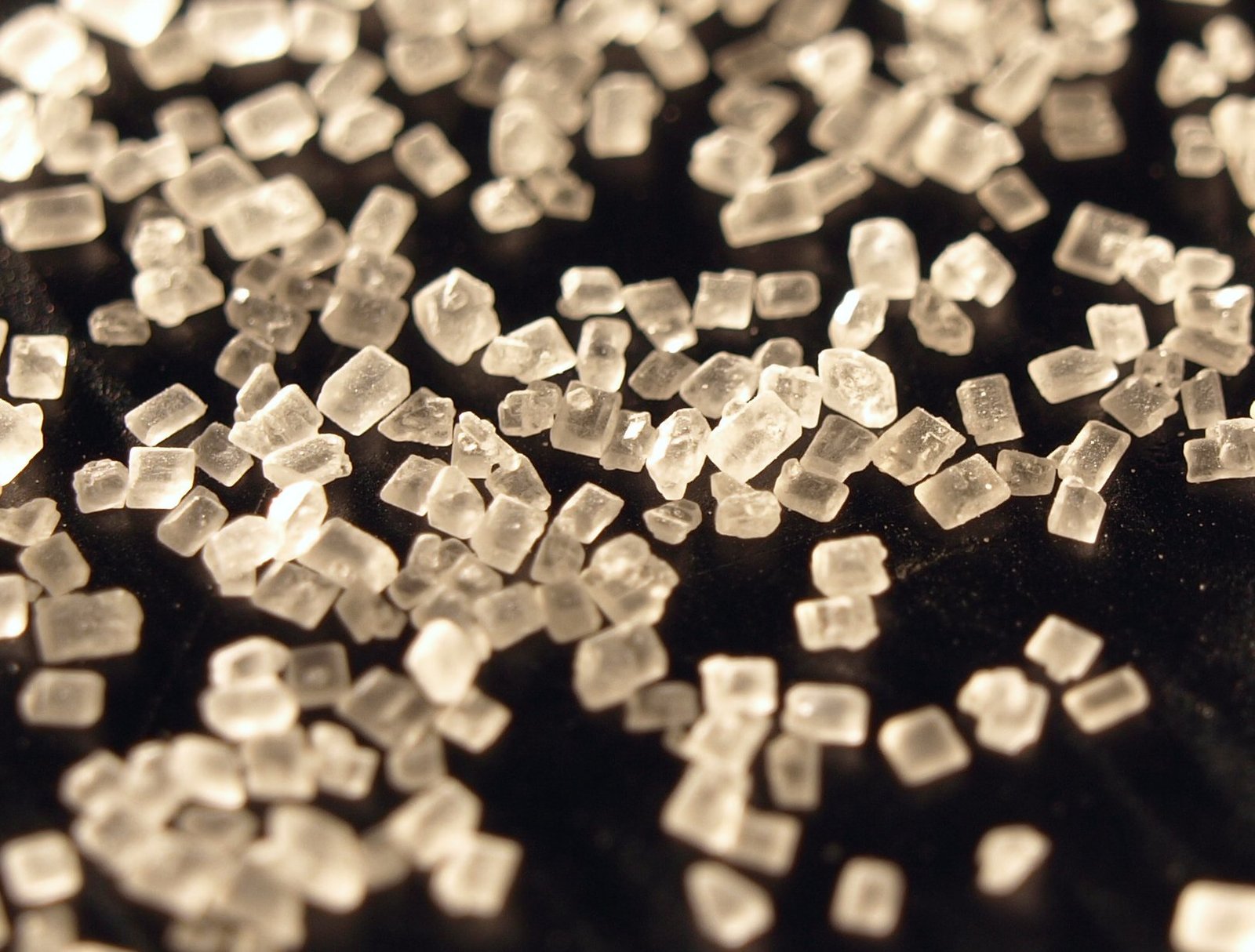
Granulated sugar compared with other sugar formats
Bulk granulated sugar is the workhorse, but it is not the only format food plants use. Here is how it compares with the alternatives, so you can decide whether granulated is the right buy or whether you need something else alongside it.
| Format | What it is | Where it fits | Trade-off |
|---|---|---|---|
| Bulk granulated sugar | Dry, free-flowing white crystals | Almost every food and drink use | Must be dissolved for liquid processes |
| Caster or superfine sugar | Very small granulated crystals | Meringues, sponges, cocktails | Costs more; often milled from granulated |
| Powdered or icing sugar | Granulated sugar ground to a powder, often with an anti-caking agent | Icings, dusting, fondants | Cakes easily; usually made locally from granulated |
| Liquid sugar | Sugar already dissolved in water | Large beverage and dairy plants | Needs tanks; heavy and costly to ship long distances |
| Brown and raw sugar | Sugar with molasses left in or added back | Gingerbread, dark sauces, brewing | Different flavour and colour, higher moisture |
For international buyers, granulated sugar is usually the most practical format to import. It is stable, compact and easy to store, and many factories mill their own icing sugar or dissolve their own syrup from bulk granulated sugar rather than paying to ship the finished format.

Questions to ask any sugar supplier
Before you commit to a contract, put these questions to the supplier. A serious seller of bulk granulated sugar will answer every one of them in writing.
- What is the ICUMSA colour, polarisation, moisture, ash and SO₂ limit for this lot?
- What crystal size or sieve range can you guarantee?
- Which origin is it, cane or beet, and what crop year?
- What packing do you use, and do the bags have inner liners?
- Who inspects the sugar at loading, and will I receive the certificate?
- Which documents come with the shipment?
- Can I have a sample from the lot before I pay?
- What are the payment terms, and in which country is your company registered?
If the answers are vague, slow or keep changing, walk away. There is plenty of genuine bulk granulated sugar on the market, and no reason to take a risk on a seller who cannot explain what they are selling.
Planning a year of sugar supply
Buying container by container works for a small bakery. For a factory using hundreds or thousands of tonnes a year, a little planning saves money and stress. Here is the approach we suggest, based on how our larger customers buy. It is advice, not a forecast.
- Work out your monthly use for each grade and add a safety margin.
- Hold four to eight weeks of stock to cover sea freight, port delays and customs.
- Agree a programme of monthly or quarterly shipments of bulk granulated sugar on fixed specifications, rather than negotiating every container from scratch.
- Use two origins where possible, so a short crop or port problem in one country does not stop your line.
- Review pricing regularly. Some buyers fix part of the year’s volume and leave the rest open to follow the market.
A steady programme also makes life easier at our end: we can plan loading and inspection ahead, which means fewer surprises for you.
Why buy bulk granulated sugar from Global Sugar Supplies
We are not going to tell you we are the cheapest supplier on earth; nobody honest in sugar can say that, because the market moves every day. What we can tell you is how we work.
- Two supply bases. We operate from Thailand and Brazil, which lets us offer cargo through more of the year.
- Six grades under one roof. ICUMSA 35, 45, 100 and 150, crystal white and raw brown cane sugar, so you can source several products from one supplier.
- Specs on the contract. Every lot of bulk granulated sugar is inspected at loading against the figures you signed for.
- One team from quote to bill of lading. You deal with the same people for pricing, paperwork and shipping.
- Flexible volumes. One container for a trial, then a regular programme once you are happy with the quality.
How to order bulk granulated sugar from us
We supply bulk granulated sugar to bakeries, beverage and food manufacturers, confectioners, wholesalers and importers worldwide. Ordering works like this:
- Send your inquiry. Tell us the grade (or what you are making), the tonnage, your destination port, packing and FOB or CIF.
- Get a quote and pro forma invoice. We confirm the specification and send a quote, then a pro forma invoice and sales contract.
- Payment. By bank transfer, as set out in our billing policy.
- Loading and inspection. Orders are normally processed within 2 to 4 business days after payment clears, with SGS or equivalent inspection at loading.
- Shipping. We email the bill of lading and tracking. Sea freight usually takes 3 to 6 weeks depending on the route.
The usual minimum is one 20 ft container, about 25 MT; our article on minimum order quantities for bulk sugar explains why. You can see every grade on our products page, read more about us, or go straight to our contact page for a quote. For more background on white grades, see our guides to bulk white sugar, refined white sugar and wholesale food sugar, or bulk brown sugar if you need a darker product.
Frequently asked questions
What is bulk granulated sugar?
Refined, crystallised sucrose from cane or beet, bought by the tonne on a written specification and supplied in 50 kg bags, 1 MT jumbo bags or loose by vessel.
Which grade of bulk granulated sugar is best for baking?
ICUMSA 45 or crystal white for white and pale products such as icings and sponge cakes; ICUMSA 100 or 150 for breads, biscuits, dark cakes and fillings, where colour does not show.
Is ICUMSA 45 the same as granulated sugar?
ICUMSA 45 is one grade of granulated sugar, defined by its colour limit of 45 IU. Granulated sugar is the wider category that also includes ICUMSA 35, 100 and 150.
What crystal size should I order?
Fine to medium suits most baking, beverages and repacking. Because crystal size names are not standardised, ask for a sieve range in the contract if it matters to your process.
How much bulk granulated sugar fits in a container?
About 25 MT of bagged sugar in a 20 ft container is the usual figure.
How long does bulk granulated sugar keep?
Kept dry, clean and sealed, refined sugar keeps for a long time; two years is a common figure in procurement specifications.
Is cane sugar better than beet sugar?
Fully refined, they are the same sucrose and behave the same in most recipes. The choice usually comes down to origin, labelling and price.
Can I get a sample before ordering?
Yes. We courier samples of our bulk granulated sugar so you can test them in your own process. Whether there is a charge depends on the destination.
Do you ship worldwide?
Yes, to major ports in Asia, Africa, Europe, the Middle East, the Americas and Oceania.
Key takeaways
- Bulk granulated sugar is bought on a written specification: colour, polarisation, moisture, ash and crystal size.
- Lower ICUMSA means whiter sugar; ICUMSA 35 and 45 suit clear and pale products, ICUMSA 100 and 150 suit cooked and mixed foods.
- Crystal size names are not standardised, so specify a size range if it matters.
- World production is forecast at 184.9 million tons for 2026/27, with Brazil supplying over half of world exports.
- Always sample, inspect at loading, check on arrival and store dry.
Sources and References
- USDA Foreign Agricultural Service: Sugar: World Markets and Trade (May 2026)
- IFRC/ICRC Standard Products Catalogue: Sugar, white, crystal
- EUR-Lex: Council Directive 2001/111/EC relating to certain sugars intended for human consumption
- FAO: Codex Committee on Sugars, report of the working group on methods of analysis
- eCFR: 21 CFR 184.1854, Sucrose
- ICUMSA: International Commission for Uniform Methods of Sugar Analysis
- Baking Business: Bakers have many sugar choices
- Baking Business: Sugar’s impact on the physical and sensory properties of cakes
- Bakers Journal: The functional role of sugar in baking
- Cosun Beet Company: Granulated sugar specifications
- ICE: White Sugar Futures
Photo credits: Tobias Erbsland (CC BY-SA 4.0); Lcarsdata (CC BY-SA 3.0); Markadan (CC BY-SA 3.0); YoAmes (CC BY-SA 2.0); Vieve Forward (CC BY-SA 2.0); Pko (CC BY-SA 4.0); Danjuma Anthony (CC BY-SA 4.0); kallerna (CC BY-SA 4.0); Jeremy Keith (CC BY 2.0); Evgeny Nikiforov (CC BY-SA 4.0); John Bradley (CC BY-SA 3.0); Paolo Neo (public domain); all via Wikimedia Commons.




Comments are closed.