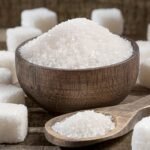

Ordering bulk brown sugar for the first time usually means someone in procurement has just discovered that “brown sugar” isn’t one product — it’s a range, and the range matters. Light brown, dark brown, raw, demerara, muscovado, they all get lumped under the same search term, but they come from different points in the milling process and behave differently in a production line. Order the wrong one and your recipe, your baking, or your beverage batch comes out different than last time, and nobody can figure out why until someone checks the spec sheet against what was actually delivered.
We supply bulk brown sugar to manufacturers, distributors, and food producers worldwide, and this page walks through the different grades, what specification to actually ask for, how bulk packaging and container loading works, and the questions that tell you whether a supplier can deliver consistent quality order after order.
What “Brown Sugar” Actually Covers
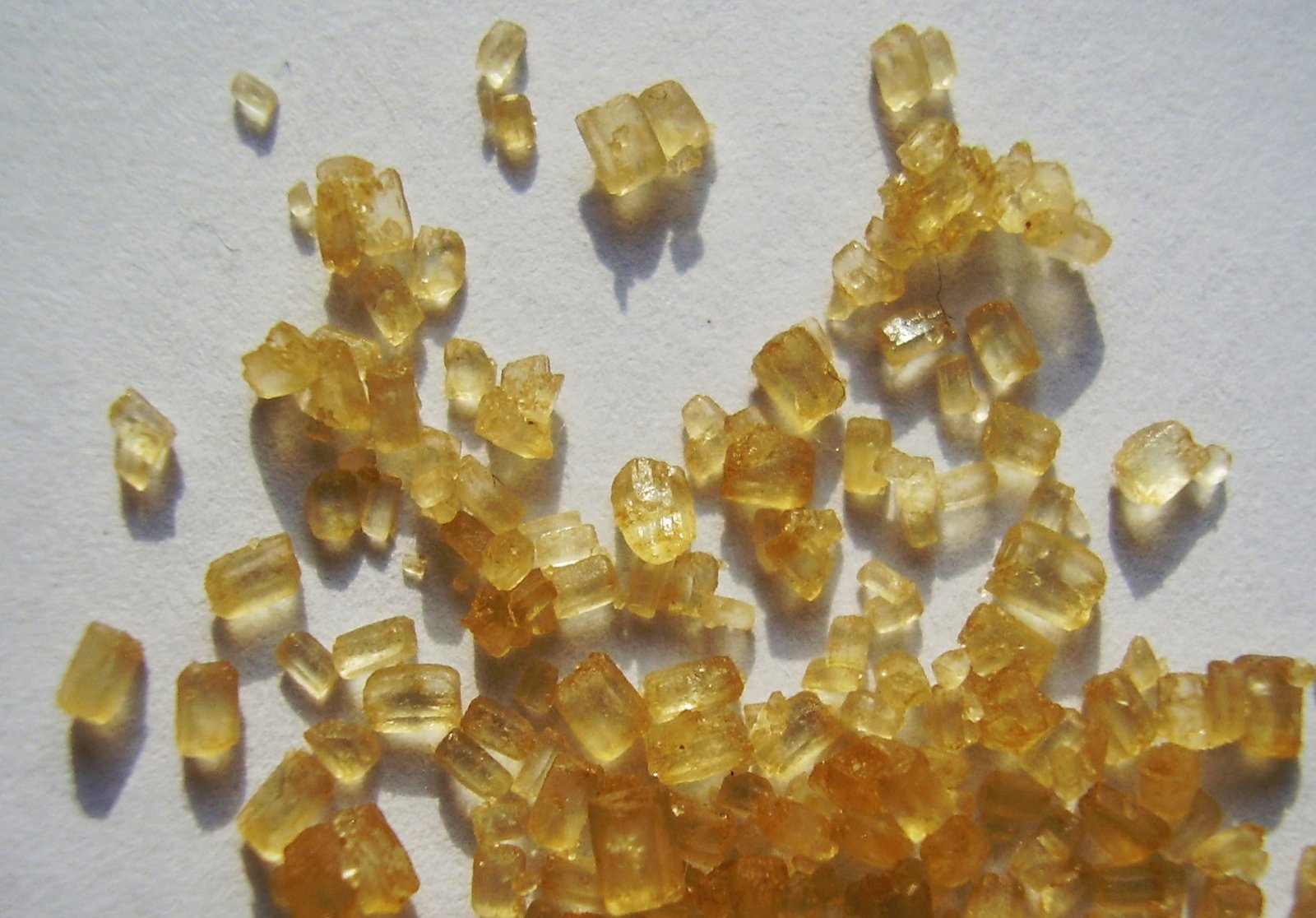
Brown sugar gets its color and flavor from molasses — either retained naturally during initial crystallization (raw or unrefined brown sugar) or added back into refined white sugar crystals (commercial light or dark brown sugar). These are genuinely different products even though they look similar on a shelf. Raw brown sugar, sometimes labeled by its ICUMSA color range, carries molasses that was never separated out, giving it a more complex flavor and coarser crystal. Commercial brown sugar starts as fully refined white sugar with molasses sprayed or mixed back in afterward, which gives manufacturers precise, repeatable control over color and moisture but a more uniform, simpler flavor profile.
Knowing which one you actually need before you request a quote saves a lot of back-and-forth. If your recipe depends on a specific flavor complexity, raw brown sugar is usually what you want. If you need exact, repeatable color and moisture specs batch after batch for an industrial process, commercial brown sugar with controlled molasses content is usually the better fit.
Bulk Brown Sugar Specification
Whichever type you’re sourcing, insist on a specification sheet before committing to volume. Typical ranges for raw/unrefined bulk brown sugar:
- Polarization: 85° to 98°, depending on grade — lower polarization generally means darker, more molasses-rich sugar
- Moisture content: Below 3.0% for raw brown grades (commercial brown sugar runs lower, typically below 2.0%)
- Color (ICUMSA): 600 to 3000+ units depending on grade — light brown sits toward the lower end, dark muscovado-style toward the upper end
- Ash content: 0.30% to 1.50% depending on grade
- Grain size: Fine to coarse depending on grade requested
- Foreign matter: None visible, screened before bagging
Notice the range on nearly every line — this is exactly why “brown sugar” as a generic order request causes problems. A buyer expecting ICUMSA 800 and receiving ICUMSA 2500 gets a noticeably darker, stronger-flavored product, even though both are legitimately “brown sugar.” Always order against a specific number, not a category.
How Bulk Packaging Works
Bulk brown sugar typically ships in one of three formats depending on your handling capacity and volume. 50kg polypropylene bags with a food-grade inner liner are the most common for buyers without bulk-handling equipment, stacked on pallets and shrink-wrapped for container loading. 1,000–1,200kg jumbo bags (FIBC / bulk bags) suit buyers with forklift or crane handling capacity who want fewer units to move per ton. And true bulk — loose product in a bulk container liner or bulk vessel hold — suits large-volume buyers with silo or bulk-receiving infrastructure at destination, typically only economical above several hundred tons per order.
A standard 20ft container holds roughly 24–25 metric tons in 50kg bags; a 40ft container holds around 26–27 metric tons depending on bag size and stacking. Jumbo bags load slightly less efficiently per container due to their shape but require far less labor to load and unload. We’ll recommend a format based on your actual receiving setup rather than defaulting to whatever’s easiest for us to load.
Grades of Bulk Brown Sugar We Supply
Light Brown Sugar
Lower molasses content, milder flavor, lighter color (roughly ICUMSA 600–1000). Common in baking, general food manufacturing, and beverage production where you want a hint of molasses character without it dominating the final flavor.
Dark Brown / Raw Brown Sugar
Higher molasses content, stronger flavor, darker color (roughly ICUMSA 1200–2000). Used where the molasses flavor is meant to be prominent — certain sauces, marinades, dark baked goods, and some beverage applications.
Muscovado-Style Sugar
The darkest, least processed end of the range (ICUMSA 2000+), with a strong molasses flavor and sticky, fine crystal texture. Popular in specialty and artisanal food production where the ingredient story matters as much as the sweetening function.
Who Orders Bulk Brown Sugar
Demand splits mainly across food manufacturers using it as a recipe ingredient at industrial scale, beverage producers using it in fermented or flavored products where molasses character contributes to the final taste, distributors and wholesalers buying to break bulk and resell in smaller units to regional customers, and bakeries and confectioners ordering at a scale between artisanal and full industrial production. Each of these buyer types has different priorities — manufacturers want batch-to-batch consistency above almost everything else, since a recipe that changes slightly every order is a quality control headache; distributors want reliable delivery windows they can commit to their own downstream customers; and specialty producers often care more about flavor character than hitting an exact color number.
Consistency Between Orders: Why It’s Harder Than It Sounds
The single biggest complaint we hear from buyers who’ve switched suppliers is inconsistency — order the same bulk brown sugar twice and get two noticeably different products. This usually traces back to one of two causes: the supplier is sourcing from whichever mill has stock available that month rather than a consistent origin, or they’re blending brown sugar from mixed batches without controlling for color and moisture before bagging. Either practice technically delivers “brown sugar” against a loose order, but it doesn’t deliver the same brown sugar twice.
We control this by sourcing against a fixed specification rather than a general category, testing color and moisture before each batch is bagged, and keeping batch records that let us trace any inconsistency back to a specific production run if a buyer ever has a question about a delivered shipment.
Storage and Shelf Life
Brown sugar’s higher molasses and moisture content compared to white sugar makes it more prone to clumping and hardening in storage if humidity isn’t controlled. Store bulk brown sugar in a dry warehouse, ideally below 65% relative humidity, in sealed bags stacked on pallets rather than directly on the floor. Once a bag is opened, brown sugar left exposed to air will dry out and harden faster than it will spoil — hardened brown sugar is still usable, just harder to work with, and can generally be softened again with controlled humidity exposure if a buyer needs to recover a hardened batch rather than discard it.
Under proper sealed storage, bulk brown sugar holds acceptable quality for around a year, somewhat shorter than white sugar’s shelf life due to its higher moisture and molasses content.
Pricing and Order Volume
Bulk brown sugar pricing depends on grade (darker, more molasses-rich grades typically cost more per ton than light brown), volume (larger orders get better per-ton pricing, standard in any bulk commodity purchase), packaging format (bagged product costs more per ton to produce than true bulk, reflecting the labor and material), and Incoterms (FOB, CFR, or CIF, same structure as any international sugar shipment). We quote against your specific grade, volume, and destination rather than publishing a single blanket price, because a fair price genuinely depends on those variables, and any quote that ignores them isn’t a serious quote.
Where Bulk Brown Sugar Comes From
Most bulk brown sugar on the international market originates from the same cane-growing regions that supply raw sugar generally — Brazil, India, Thailand, and cane-growing regions across Africa — with the color and molasses content determined by how far along the crystallization process the mill stopped before drying and bagging. Some mills produce brown sugar as a deliberate end product, controlling molasses retention specifically to hit a target color range. Others produce it as a byproduct of white sugar refining, where molasses separated out during refining gets partially added back to create commercial brown sugar. Both are legitimate ways to produce brown sugar, but they come from different points in the process and a buyer who cares about flavor complexity should know which one they’re actually ordering.
We source primarily from West and Central African mills producing brown sugar as a direct product rather than a refining byproduct, which is part of why our color and moisture specs hold steady order after order — the mill is targeting that exact grade on purpose, not landing on it incidentally.
Quality Control Before Loading
Every batch of bulk brown sugar we ship goes through the same checks before it reaches a container. Color is measured against ICUMSA standards using a spectrophotometer, not eyeballed against a reference sample, because visual color matching is unreliable enough that two people will disagree on the same bag. The International Commission for Uniform Methods of Sugar Analysis maintains the reference methods this color scale is built on, which is worth a look if you want to understand exactly how the numbers on a spec sheet are measured. Moisture is tested to confirm it’s within the range specified for that grade, since brown sugar outside its moisture spec either clumps in transit (too high) or loses its characteristic texture (too low). Bags are inspected for seam integrity and correct sealing before palletizing, and a sample from each batch is retained so that if a buyer raises a question about a delivered shipment weeks later, we can compare it against what actually left the warehouse.
Bulk Brown Sugar in Food Manufacturing Applications
Different applications call for different points on the brown sugar spectrum, and getting this match right up front saves a lot of reformulation headaches down the line. Baking applications — cookies, cakes, breads with a molasses note — typically use light to medium brown sugar where the flavor complements rather than overwhelms other ingredients. Sauce and marinade production often reaches for darker grades specifically because the stronger molasses flavor holds up against acidic or savory ingredients that would otherwise mute a lighter sugar’s contribution. Beverage production, particularly in brewing, spirits, and some soft drink formulations, uses brown sugar’s molasses content as a deliberate flavor and color ingredient rather than purely for sweetness. And confectionery producers making toffee, caramel, and similar products often specifically want the crystal texture and stickiness of less-processed dark or muscovado-style brown sugar, which behaves differently in cooking than commercial brown sugar with added-back molasses.
If you’re not sure which grade fits your specific application, sending us a sample of what you currently use — even a competitor’s product — lets us match the closest equivalent from what we carry rather than guessing from a generic grade name.
Frequently Asked Questions
What’s the minimum order for bulk brown sugar?
Most bulk orders start around one container load, roughly 24–27 metric tons depending on packaging format. We can accommodate smaller trial orders for new buyers who want to verify a grade before committing to full container volumes — the same order structure we use for wholesale raw sugar more generally.
Can I mix grades in a single container order?
Yes, we can load multiple grades in one container as long as they’re clearly separated and labeled, which is common for distributors serving customers with different grade needs from a single delivery.
How is bulk brown sugar different from bulk raw sugar?
Raw sugar is a broader category referring to any unrefined sugar retaining natural molasses; brown sugar generally implies a specific color and molasses range within that category, or in the case of commercial brown sugar, refined white sugar with molasses added back. See our raw brown sugar page for a closer look at the specification range across grades. If you’re unsure which term fits your recipe, send us your target color or a sample of what you’re currently using and we’ll match it to the closest grade we carry.
Do you provide samples before a full bulk order?
Yes. We send physical samples along with the current certificate of analysis so you can test color, flavor, and performance in your own process before committing to a full container.
Comparing Suppliers on More Than Price
Price per ton is the number everyone anchors on first, but it’s a poor way to compare bulk brown sugar suppliers in isolation, because the cheapest quote often comes with the loosest specification tolerance — meaning you might save money per ton while accepting a wider swing in color and moisture between shipments. A more useful comparison looks at whether the supplier quotes against a specific ICUMSA number or a vague category, whether they test each batch before bagging or rely on the mill’s own claims without independent verification, what their sample turnaround time looks like, and whether they’ve supplied buyers in your industry before who can speak to consistency over multiple orders rather than just a single good shipment.
A supplier who’s cheaper by 3% but delivers a noticeably different product every third order ends up costing more once you count the reformulation time, wasted stock, and production delays that inconsistency causes. We’d rather quote a fair price against a tight specification than win a deal on price and lose the relationship on the second shipment.
Freight and Delivery Timelines
Once an order is confirmed, bulk brown sugar typically loads within one to three weeks depending on whether it’s coming from existing bonded stock or a scheduled mill run, and ocean transit time depends on your destination port — from under two weeks for regional shipping lanes to five or six weeks for longer routes. We quote a firm loading window at the time of order confirmation rather than an open-ended “soon,” because buyers running a production schedule against an expected delivery date need something they can actually plan around.
For buyers with recurring monthly or quarterly needs, we can also set up a standing shipping schedule so orders load on a predictable cadence rather than being renegotiated from scratch every time, which tends to smooth out both pricing and availability over the course of a year.
Get a Bulk Brown Sugar Quote
If you’re sourcing bulk brown sugar and want consistent grade specification order after order, tell us your target color range, moisture requirement, and volume. We’ll send a proforma invoice, current specification sheet, and a sample so you can verify the match before you commit.