
White sugar gets most of the attention in the trade, but there’s a steady, dedicated market for sugar that’s deliberately left less refined. If you make craft beer, artisan baked goods, specialty rum, or any product where a rich molasses character is part of the recipe, you’ve probably gone looking for raw brown sugar ICUMSA 600-1200 at some point. This is Grade E raw brown cane sugar, and it’s one of the products we ship most consistently to breweries, bakeries, and specialty food producers around the world.
What Is Raw Brown Sugar ICUMSA 600-1200?
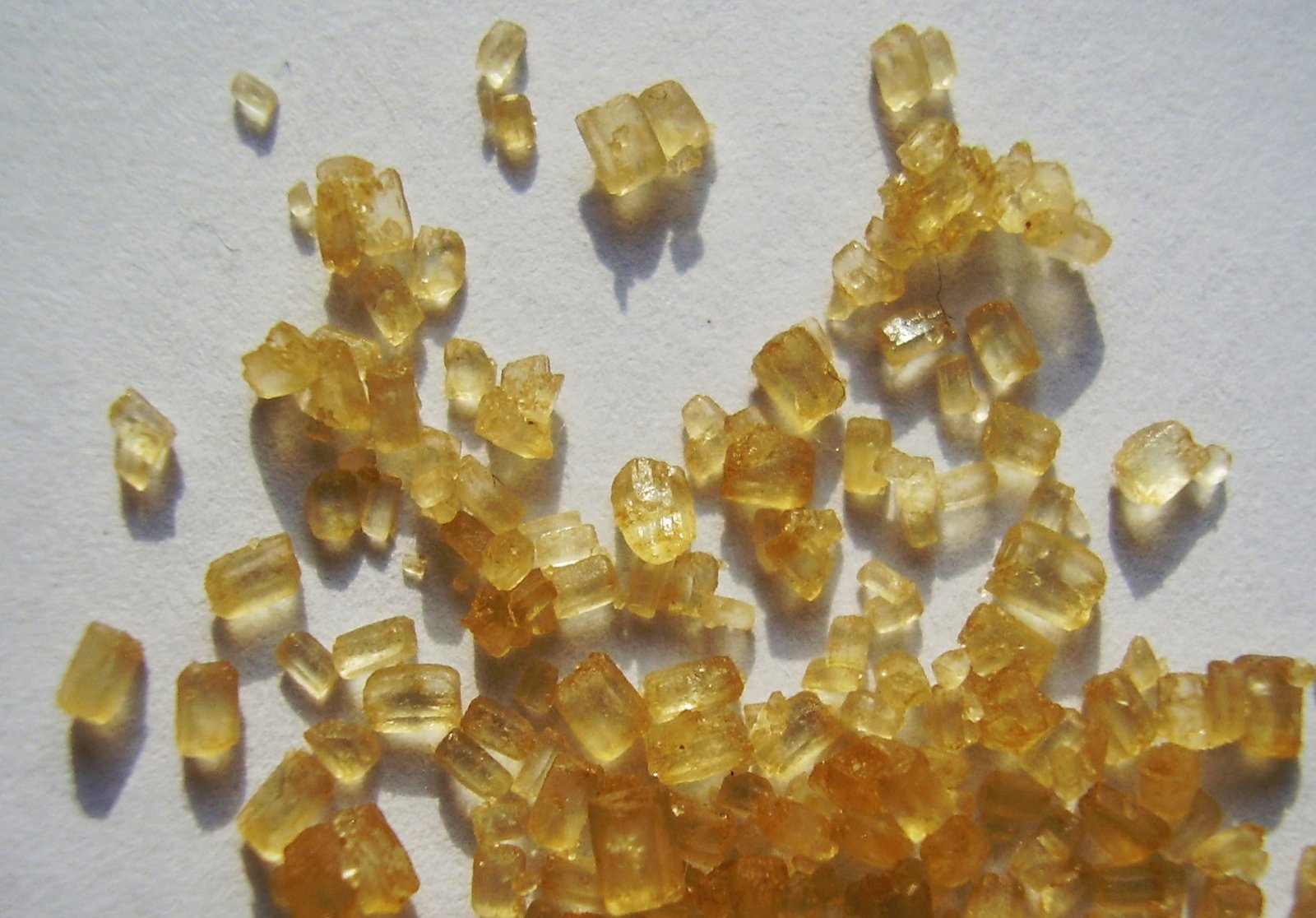
ICUMSA grades sugar by color — the lower the number, the whiter and more refined it is. Raw brown sugar ICUMSA 600-1200 sits well up the color scale compared with white refined sugars like ICUMSA 45 or ICUMSA 150, because it’s only partially refined and retains a meaningful amount of natural molasses. That molasses is exactly what gives it the deep brown color, the coarser crystal texture, and the caramel-like flavor that white sugar simply doesn’t have.
It’s often labeled Grade E in trade documentation, referring to a standard classification of raw cane sugar within this color range. Buyers looking specifically for that natural, less-processed character — rather than a fully refined white product — are the ones who order raw brown sugar ICUMSA 600-1200 from us.
Full Specification
| Parameter | Specification |
|---|---|
| Polarization | 96°–98° minimum |
| Colour (ICUMSA) | 600–1200 |
| Moisture | 0.4% maximum |
| Ash Content | 0.15% maximum |
| Solubility | 100% free-flowing and dry |
| Granulation | Fine to medium brown crystals |
| Magnetic Particles | 4 mg/kg maximum |
| Sulphur Dioxide (SO₂) | 70 mg/kg maximum |
| Origin | Brazil, Thailand, or India (on request) |
| Packaging | 50kg polypropylene bags or 1MT jumbo bags |
Notice the ash content and moisture tolerances are higher than what you’d see on a refined white sugar spec sheet — that’s expected and correct for this category. The retained molasses naturally carries small mineral traces, which is part of what buyers are paying for when they specify raw brown sugar ICUMSA 600-1200 instead of a fully refined alternative.
Why the Molasses Content Matters
Unlike white sugar, which is refined specifically to strip out everything except pure sucrose, this grade keeps a portion of the natural molasses coating from the original cane juice. That gives it three characteristics buyers actively seek out:
- Distinct caramel flavor and aroma that plain white sugar can’t replicate, which matters a lot in baked goods, sauces, and specialty beverages where flavor complexity is part of the product’s identity.
- Trace minerals including small amounts of calcium, potassium, iron, and magnesium, carried in the molasses coating — not a significant nutritional source on its own, but a genuine point of difference from stripped-down white sugar.
- A less processed profile that appeals to manufacturers and consumers looking for ingredients that feel closer to their natural source, which is a meaningful marketing point for specialty and premium product lines.
Where This Sugar Gets Used
- Baking — bread, cakes, cookies, and pastries where a molasses note is part of the recipe, not an accident.
- Craft brewing and distilling — beer, rum, and specialty spirits where fermentable sugars with natural character matter to the finished flavor profile.
- Confectionery — caramel candies, toffee, and specialty chocolate work.
- Sauces, syrups, and marinades — where a deeper, richer sweetness is the goal.
- Retail and health-conscious positioning — sold as a less-processed alternative to white table sugar.
- Industrial fermentation — supplying sugar for large-scale fermentation processes beyond food and beverage.
Raw Brown Sugar vs Refined White Sugar: Making the Right Call
This comes down entirely to what your finished product needs. If your recipe or brand relies on molasses character — a rustic loaf, a specialty rum, a caramel-forward candy — raw brown sugar ICUMSA 600-1200 is the right raw material and no amount of flavoring will fully substitute for the real thing. If your product needs to be visually white or completely neutral in flavor, you need one of our refined grades instead, such as ICUMSA 45 or ICUMSA 150. We get asked fairly often whether one is simply “better” than the other, and the honest answer is that they’re different tools for different jobs — neither one is a downgrade of the other.
Choosing Between This Grade and Other Raw or Specialty Sugars
Buyers sometimes come to us asking about demerara, muscovado, turbinado, or panela without realizing these are related but distinct trade categories, each with its own typical color range, crystal size, and molasses retention. Raw brown sugar ICUMSA 600-1200 as we supply it is a well-documented, consistently tested Grade E raw cane sugar that overlaps in character with several of these named categories without being locked to one specific regional definition. If your product labeling or a customer specification requires an exact named category rather than an ICUMSA range, tell us upfront — we can advise whether our standard product is a match or whether a more specific sourcing arrangement makes sense for your order.
It’s also worth noting this grade sits at the opposite end of the refining spectrum from products like our ICUMSA 35 Coca-Cola grade sugar, which goes through additional refining specifically to remove all the color and character that raw brown sugar is prized for keeping. Neither is more correct than the other — they simply serve completely different formulation goals.
Packaging and Shipping
- 50kg polypropylene bags with a moisture-resistant inner lining for secure transit.
- 1 metric ton jumbo bags for bulk buyers with material handling equipment on site.
- Custom or branded packaging available on request for retail-facing distributors.
Shipping is arranged by container or vessel, on FOB, CIF, or CFR terms, with full export documentation — certificate of origin, health certificate, phytosanitary certificate, SGS inspection report, commercial invoice, packing list, and bill of lading — prepared ahead of loading so customs clearance at your destination port goes smoothly.
Ordering Process
Step 1: Inquiry and quote. Share your target quantity, destination, and packaging preference for a prompt, competitive quote on this sugar.
Step 2: Contract and payment. A pro forma invoice and sales contract follow agreed terms, with secure international payment options.
Step 3: Production and inspection. Each batch is quality-checked and, on request, independently verified by SGS or an equivalent inspection body.
Step 4: Shipping and delivery. We manage export documentation, customs clearance, and insured international shipping end to end.
Storage and Handling
Store in a dry, cool location away from direct sunlight, keep bags sealed to limit moisture uptake, and rotate stock first-in-first-out. Raw brown sugar ICUMSA 600-1200 has a naturally higher moisture tolerance than refined white sugar, but it still performs best and holds its texture longest when kept in stable, dry conditions rather than a humid warehouse.
How This Sugar Is Produced
Sugarcane is crushed and the juice clarified, evaporated, and crystallized in largely the same way as it is for white sugar production, but the process stops well before the deep refining steps that strip out molasses and color. Instead of running through carbonatation, extensive filtration, and decolorization, the raw crystals retain their natural molasses film. The exact color reading within the 600-1200 range depends on the cane variety, the crop’s sugar content, and how much of that molasses coating is left on the crystal during centrifuging. Different lots can land anywhere in that range and still be correctly classified as raw brown sugar ICUMSA 600-1200, which is why buyers with a very specific flavor or color target should ask for a current lab report on the exact lot before finalizing a large order rather than assuming every shipment lands in the same spot within the range.
Common Mistakes Buyers Make
Expecting perfectly uniform color batch to batch. Because this is a less-processed product, natural variation is normal and expected — unlike a tightly controlled white sugar spec, a small color shift between lots of raw brown sugar doesn’t indicate a quality problem.
Confusing it with muscovado or turbinado without checking specs. These are related but distinct trade names for partially refined cane sugars with their own characteristic ranges. If your recipe or labeling depends on matching a specific named category, confirm the exact specification rather than assuming any brown sugar will do.
Underestimating moisture sensitivity in humid climates. The higher moisture tolerance compared with white sugar means storage conditions in tropical or coastal receiving ports deserve extra attention — don’t treat it the same as a bone-dry refined product.
Not sampling before a large commitment. Flavor intensity and color can vary meaningfully between origins. A sample from Brazil and a sample from Thailand may both correctly meet the the product specification while tasting noticeably different — test before you commit to a big volume if flavor consistency matters to your brand.
Regional Notes for Buyers
Import documentation requirements vary by destination. EU buyers should confirm tariff classification and any applicable duty on raw or partially refined sugar imports, which can differ from the rules applied to fully refined white sugar. US buyers typically need a licensed customs broker and confirmation of the exporting mill’s food facility registration. Buyers in the Middle East and Africa may require Halal certification covering the processing facility. Asia-Pacific markets sometimes add fumigation or additional phytosanitary paperwork for raw agricultural commodities. We handle these details at the quoting stage so there are no surprises once your container reaches port.
A Practical Example
A craft brewery client switched from a locally sourced brown sugar to imported raw brown sugar ICUMSA 600-1200 after finding the local supply too inconsistent in molasses content, which was throwing off fermentation predictability batch to batch. A documented, tested specification — rather than a generic “brown sugar” purchase from a general commodity broker — gave their brewmaster the consistency they needed to keep the recipe stable across production runs.
Certifications and Quality Assurance
Every shipment is produced and tested against international food safety frameworks, including Codex Alimentarius guidelines — the joint FAO/WHO reference most national regulators build their own standards around, available on the Codex Alimentarius website — alongside relevant EU and US food-grade requirements. Production facilities are ISO 9001 certified and HACCP-compliant, with Halal and Kosher certification available on request for buyers who need it.
Frequently Asked Questions
Is raw brown sugar ICUMSA 600-1200 the same as demerara sugar? They’re closely related categories of partially refined cane sugar; exact characteristics can vary by mill and crop, so ask us for a current specification sheet if you need an exact match to a demerara reference.
What’s the shelf life? Well over a year when stored correctly, though the higher moisture content compared with white sugar means storage conditions matter more.
Can I get a sample before ordering? Yes, samples are available, with shipping cost depending on destination.
What’s the minimum order quantity? One 20ft container, roughly 25 metric tons, with better per-ton pricing at higher volumes.
What Drives the Price
Because this grade skips the deep refining stages used for white sugar, it’s generally priced below the fully refined grades on a per-ton basis, though the relationship isn’t always a straight line — crop conditions, harvest timing, and demand from craft brewing and specialty food sectors can push pricing around independently of the white sugar market. As with our other grades, freight, packaging, and order volume all factor into the final landed cost, and full container or vessel-scale orders get meaningfully better pricing than small trial quantities. We quote per shipment against current market conditions rather than a fixed list price, since raw sugar markets shift regularly and a stale number isn’t useful to either side of a negotiation.
Nutritional Profile Compared With White Sugar
It’s worth being straightforward about this, because marketing claims around brown sugar sometimes overstate the nutritional difference. Raw brown sugar ICUMSA 600-1200 does carry trace minerals from the retained molasses — small amounts of calcium, potassium, iron, and magnesium — but the quantities are genuinely small relative to a typical daily nutritional intake. The honest selling point isn’t a significant nutrition boost; it’s flavor, color, and a less processed profile that consumers and manufacturers can point to as a meaningful, verifiable difference from white sugar, which is still a legitimate and valuable distinction for the right product category.
Why Buyers Choose Global Sugar Supplies for This Grade
Sourcing raw brown sugar internationally carries more variability risk than sourcing a tightly specified white sugar, simply because it’s a less standardized product category by nature. We manage that risk for buyers through a few consistent practices:
- Testing every lot against the full specification before it ships, so you know exactly where within the 600-1200 range your shipment sits.
- Consistent origin sourcing on request — if flavor consistency across repeat orders matters to your product, we can lock in a specific mill and crop source rather than varying supply shipment to shipment.
- Full export documentation prepared in advance, avoiding customs delays that are more common with raw or partially refined agricultural commodities than with standardized refined products.
- Sample availability before large commitments, which matters more for this product than for our fully refined grades given natural batch variation.
- Direct refinery and mill relationships that let us respond quickly if a buyer needs a specification adjustment or a different origin mid-contract.
More Questions Buyers Ask
Can raw brown sugar ICUMSA 600-1200 be used in place of white sugar in any recipe? Generally not without adjusting the recipe — it changes color, flavor, and sometimes moisture content in a finished product, so it needs to be a deliberate substitution rather than a direct swap.
Does the color range affect fermentation performance in brewing? The fermentable sugar content stays high regardless of where within the 600-1200 range a lot falls; color mainly affects the flavor and appearance contribution to the finished beer or spirit rather than fermentation efficiency itself.
Is this sugar organic? Organic certification is a separate process from ICUMSA color grading; let us know if you specifically need organic-certified raw brown sugar and we’ll confirm current availability.
How consistent is supply throughout the year? Availability follows cane harvest cycles in the countries we source from; ordering ahead of your peak production season helps avoid tight-supply periods around harvest transitions.
Buy this sugar From Global Sugar Supplies
If your product depends on real molasses character rather than a fully refined white sugar, raw brown sugar ICUMSA 600-1200 is what you’re looking for, and we ship it worldwide with full documentation and consistent quality control. See our complete Raw Brown Cane Sugar Grade E product page, compare it against our Crystal White Sugar if you’re deciding between raw and refined, browse the full product range, or reach our sales team directly for a formal quote.