
A sugar distributor buys sugar in bulk, usually by the container, and sells it on to shops, bakeries, food factories, hotels and smaller wholesalers in its own market. The job sounds simple: buy at one price, sell at a higher one. In practice the money is made or lost on grade choice, packing, storage, cash flow and the reliability of the supplier behind you. We supply sugar distributors worldwide with refined white cane sugar (ICUMSA 45, 100 and 150), crystal white sugar and raw brown cane sugar, in 50 kg bags, 1 MT jumbo bags and private label packing, shipped by container to your port.
This guide is for people who already run a sugar distribution business and want a better supply line, and for food wholesalers thinking about adding sugar to what they sell. It covers how the trade works, which grades sell to which customers, what a container really costs you once it lands, how to keep sugar in good condition, what paperwork your buyers will ask for, and how to judge a supplier, including us. Industry rules and official data are linked where we use them. Where we’re giving our own opinion from supplying distributors, we say so.
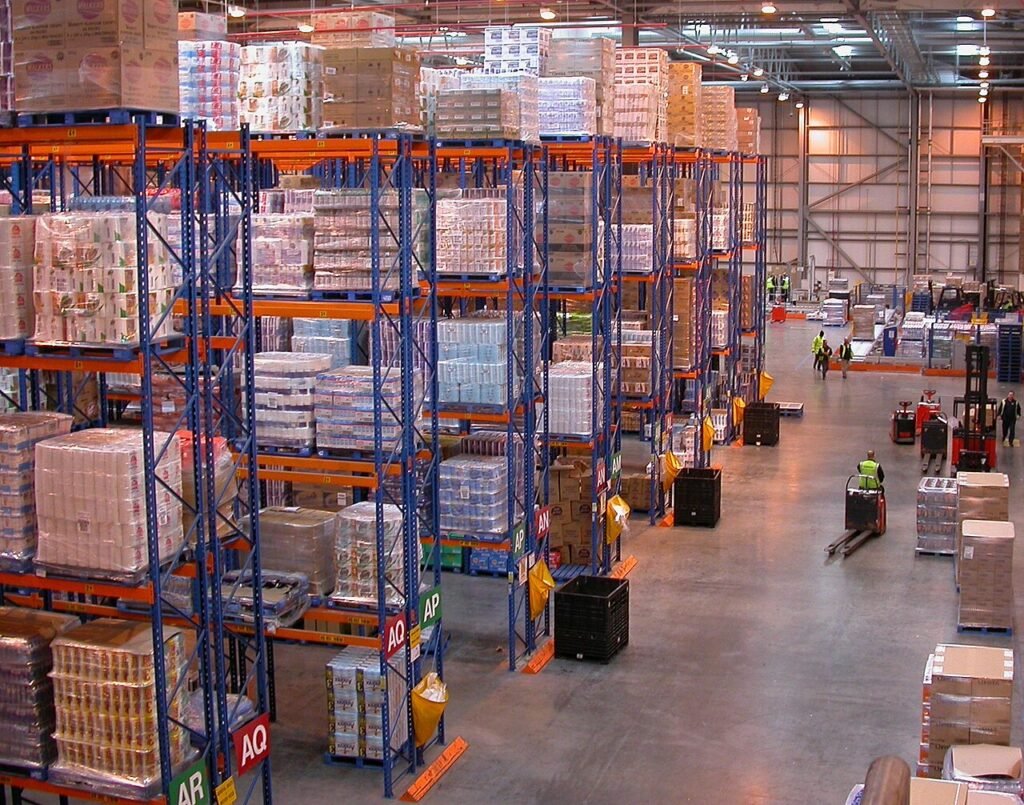
What we supply to sugar distributors
Here’s the short version. Every product page has the full specification sheet.
- Refined ICUMSA 45 sugar: 45 IU max, polarization 99.80% min, moisture 0.04% max, ash 0.04% max. The grade retail shoppers and drinks makers expect.
- Crystal white sugar: sparkling white, polarization 99.8% min, fine to medium crystals. Popular for retail repacking.
- Cane sugar ICUMSA 100: 100 IU max, polarization 99.8% min, moisture 0.04% max. A good middle grade for food service and bakeries.
- ICUMSA 150 white sugar: 150 IU max. Price-sensitive markets and industrial buyers.
- Refined sugar ICUMSA 35: 35 IU max, SO₂ 20 mg/kg max. For distributors serving soft drink and pharma customers.
- Raw brown cane sugar Grade E: ICUMSA 600 to 1200, polarization 96° to 98°. Niche but loyal buyers: bakers, brewers, cafes.
Packing: 50 kg PP bags with inner liner, 1 MT jumbo bags, smaller bags and private label printing on request. Shipping: 20 ft containers, roughly 25 MT each. Terms: FOB or CIF your port. Ask for a distributor quote.
The full range is on our products page.
What a sugar distributor actually does
Strip it back and a sugar distributor does four things: buys in volume, holds stock, breaks it down into the quantities customers want, and gets it to them on time. Each step adds cost, and each one is where a sugar distributor earns its margin.
- Buying in volume. A bakery that uses two tonnes a month can’t import a container. The sugar distributor can, and passes on part of the saving.
- Holding stock. Shops and factories don’t want to hold months of sugar. The distributor carries that inventory and the risk that comes with it.
- Breaking bulk. 50 kg bags into retail 1 kg and 2 kg packs, or a container into 5-tonne deliveries.
- Delivering. Regular, reliable deliveries are often worth more to customers than a slightly lower price.
There’s a fifth job that rarely gets mentioned: smoothing out price swings. The world sugar price moves, and your customers hate surprises. A sugar distributor who buys well and holds sensible stock can keep prices steadier than the market, and that builds loyalty.
Why demand for sugar distributors stays strong
Sugar is one of the most traded foods on earth, and most countries either don’t grow enough or prefer to import some of what they use. In its May 2026 Sugar: World Markets and Trade report, the USDA forecasts global sugar imports for 2026/27 at about 58.9 million tonnes, against human consumption of nearly 180 million tonnes. The biggest importers include China, Indonesia, the United States, the UAE, the European Union, India, Bangladesh, Algeria, Nigeria, Malaysia and Morocco, each bringing in around 1.9 million tonnes or more.
Those import figures are national totals. Inside each country, much of that sugar passes through distributors before it reaches a shop shelf or a factory mixer. That’s the business opportunity, and it’s why a reliable sugar distributor with good supply can grow steadily even when the world market is quiet.
The same USDA report shows where the sugar comes from. Brazil is by far the largest exporter, at a forecast 33.6 million tonnes, with Thailand, Australia and India behind it. Our guides to Brazilian sugar, Thai sugar and Indian sugar explain what each origin offers a distributor.
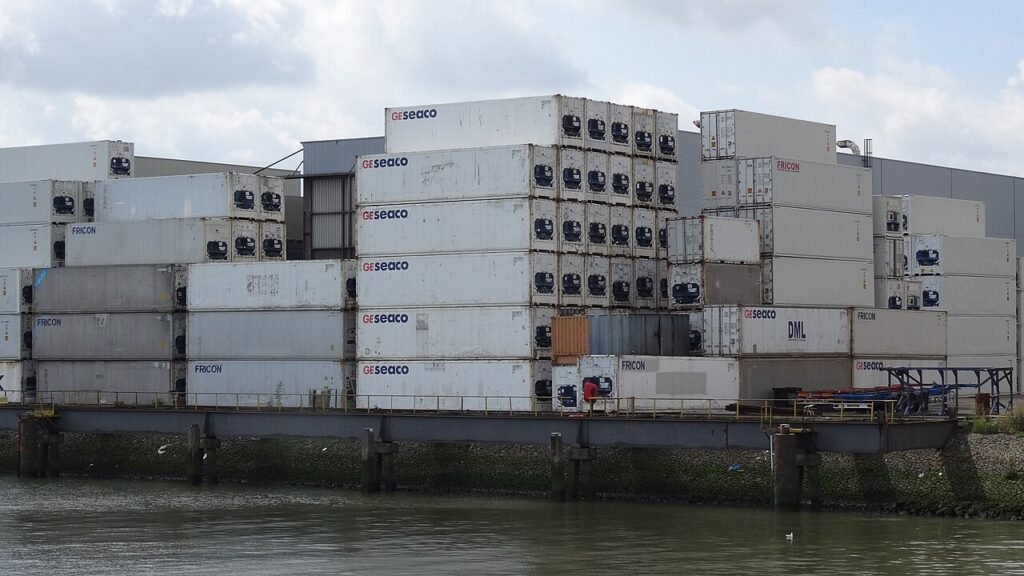
Which grades a sugar distributor should stock
Most sugar distributors start with one grade and add more as they learn what their customers want. The right mix depends entirely on who you sell to. Here’s how we’d think about it.
| Customer type | What they usually want | Grade to stock |
|---|---|---|
| Supermarkets and shops (retail packs) | Bright white, free flowing, attractive in a clear bag | ICUMSA 45 or crystal white |
| Soft drink and juice makers | Very low colour, tight specs, full paperwork | ICUMSA 35 or 45 |
| Bakeries | Consistent crystal size, good price | ICUMSA 100 or 150, some 45 |
| Hotels, restaurants, caterers | White sugar plus sachets or table packs | ICUMSA 45, some brown |
| Small wholesalers and market traders | Lowest price per bag | ICUMSA 150 or 100 |
| Food factories | Specification on contract, regular volumes | Whatever their spec says |
| Cafes, brewers, specialty bakers | Flavour and colour | Raw brown cane sugar |
A practical tip: if you’re new, start with ICUMSA 45. It sells to almost everyone, it’s what most people picture when they think of white sugar, and it’s the easiest to move if a customer lets you down. Once you have steady volume, add a cheaper grade for price-sensitive buyers. Our ICUMSA scale guide and colour and purity guide explain the differences in more detail.

Packing options for a sugar distributor
How you buy sugar should match how you sell it. Get this wrong and you’ll spend your margin on repacking labour or lose sales because the bag size doesn’t suit your customers.
50 kg bags
The standard for trade sales. Polypropylene woven bags with an inner liner. Market traders, bakeries and small factories buy them as they are, and they stack neatly on pallets. See our page on ICUMSA 45 in 50 kg bags.
25 kg bags
Easier to carry, and some customers prefer them for manual handling. They cost a little more per tonne to fill.
1 MT jumbo bags
For selling to factories with hoists and silos, or for your own repacking line. Cheaper per tonne and less waste.
Private label bags
Many distributors want their own brand on the bag. It builds recognition with customers and makes it harder for them to buy the same sugar from someone else. Private label printing is possible on larger orders. Ask us when you request a quote.
Retail packing
Retail packs of 1 kg or 2 kg are where many a sugar distributor makes its best margin, but they come with extra work: a packing line, packaging stock, labels that meet local law, and more handling. Most distributors we deal with import in 50 kg or jumbo bags and repack locally, because it’s cheaper than shipping small packs across the ocean and gives them control over their brand.
Labelling rules a sugar distributor needs to know
If you repack sugar for retail as a sugar distributor, the label is your legal responsibility, not your supplier’s. Rules differ by country, but many are based on the Codex Alimentarius General Standard for the Labelling of Prepackaged Foods. It lists the basic items a prepackaged food label should carry:
- The name of the food
- A list of ingredients
- Net contents
- The name and address of the business responsible
- Country of origin, where leaving it out could mislead
- Lot identification
- Date marking and storage instructions
- Instructions for use, where needed
One detail many people miss: the same Codex standard lists “solid sugars” among the foods that don’t need a date of minimum durability. Your national rules may still ask for a best-before date, so check locally, but it shows how stable sugar is when it’s stored properly.
Lot identification matters more than it looks. If a customer complains, you need to trace the bag back to the container, the supplier lot and the inspection certificate. Keep that link in your records from day one.
Food safety: what your buyers will ask a sugar distributor for
Supermarkets and food factories increasingly expect their suppliers, including distributors, to show proper food safety controls. You’ll hear a few names over and over.
- HACCP. Hazard Analysis and Critical Control Point, a step-by-step way of finding and controlling food safety risks. The Codex food hygiene texts contain what FAO calls “the most internationally used description” of the HACCP system.
- ISO 22000. An international standard for food safety management systems.
- FSSC 22000. A certification scheme built on ISO-aligned management systems. According to its owner, Foundation FSSC, the scheme holds Global Food Safety Initiative (GFSI) recognition, which is why many large buyers accept it.
As a sugar distributor, you’ll be asked for two sets of papers: the producing mill’s certificates, which your supplier should provide, and your own. If you just store and deliver sealed bags, a basic food safety plan and clean, pest-free storage may be enough for most customers. If you repack, expect auditors to look much more closely at your packing area. Our post on which certifications actually prove food grade goes deeper.
What a container of sugar really costs a distributor
This is where a new sugar distributor most often gets caught. The price on the supplier’s quote is only part of what you pay. Here’s how to build up the real landed cost. The figures below are invented to show the method. Plug in your own.
| Cost line | Example per tonne (US$) | Notes |
|---|---|---|
| Sugar, FOB origin port | 500 | From the supplier’s quote |
| Ocean freight | 60 | Container rate divided by ~25 MT |
| Insurance | 3 | Usually a small percentage of value |
| Import duty and taxes | varies | Can be the biggest line; check your tariff |
| Port, clearing and inspection fees | 20 | Varies a lot by port |
| Trucking to your warehouse | 15 | Depends on distance |
| Storage, handling and losses | 10 | Torn bags, damp stock, labour |
| Finance cost | 8 | Money tied up from payment to sale |
In this made-up example, sugar quoted at US$500 FOB ends up costing over US$600 a tonne in your warehouse before duty. If duty is high in your country, the gap is much bigger. Your selling price has to cover all of it, plus your own overheads, before you make a cent.
Two things follow. First, always compare offers on a landed basis, not on the FOB line. A cheaper FOB price from a far-away origin can lose to a dearer one with lower freight. Second, know your duty position exactly. Raw and refined sugar are often taxed very differently. Our sugar HS code guide explains how sugar is classified, and our posts on sugar import prices and sugar wholesale prices break the numbers down further.
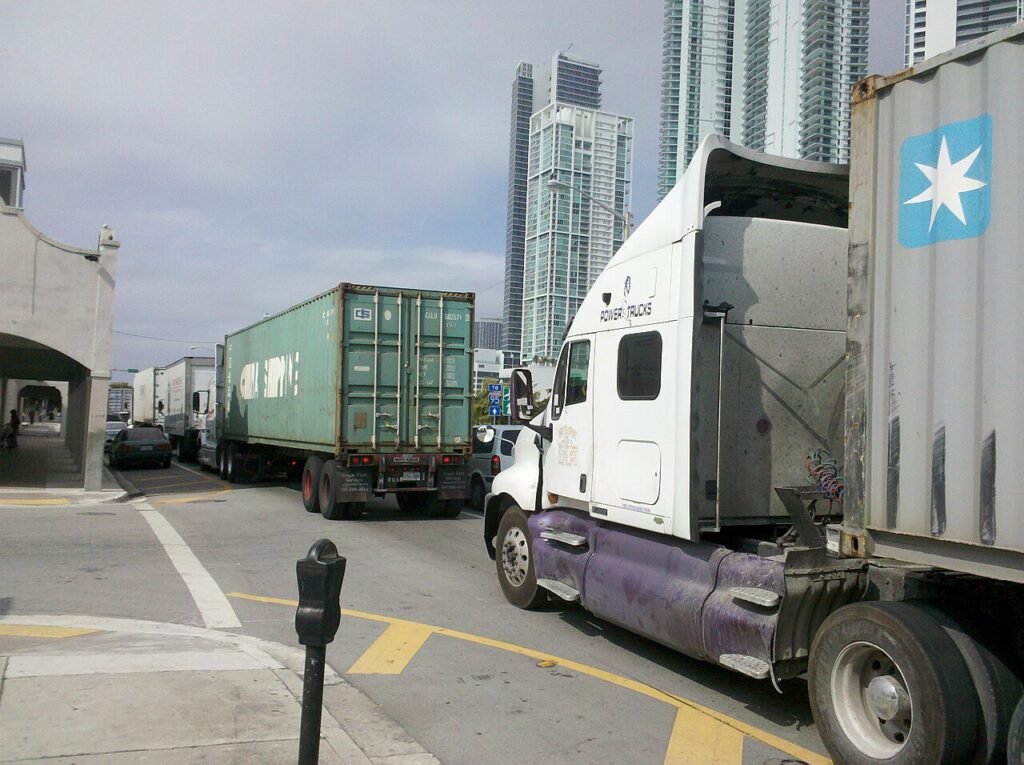
FOB, CFR or CIF: which terms suit a sugar distributor
Trade terms decide who pays for what, and who carries the risk at each stage. The International Chamber of Commerce publishes the Incoterms rules, which it describes as “a set of eleven three-letter trade terms” used in contracts for the delivery of goods. For sugar, three come up most:
- FOB (Free On Board). The seller loads the sugar on the ship at the origin port. You book and pay for freight and insurance. Good if you have a strong freight forwarder and can get better rates yourself.
- CFR (Cost and Freight). The seller pays freight to your port. You arrange insurance. Risk still passes to you when the goods are loaded at origin.
- CIF (Cost, Insurance and Freight). Like CFR, but the seller also buys insurance. Simplest for a first-time importer.
Our honest advice for a new sugar distributor: start on CIF so you have fewer moving parts, then move to FOB once you know the freight market and have a forwarder you trust. Read the Incoterms rules themselves, because a lot of costly disputes come from people assuming a term means something it doesn’t.
Storage: protecting a sugar distributor’s stock
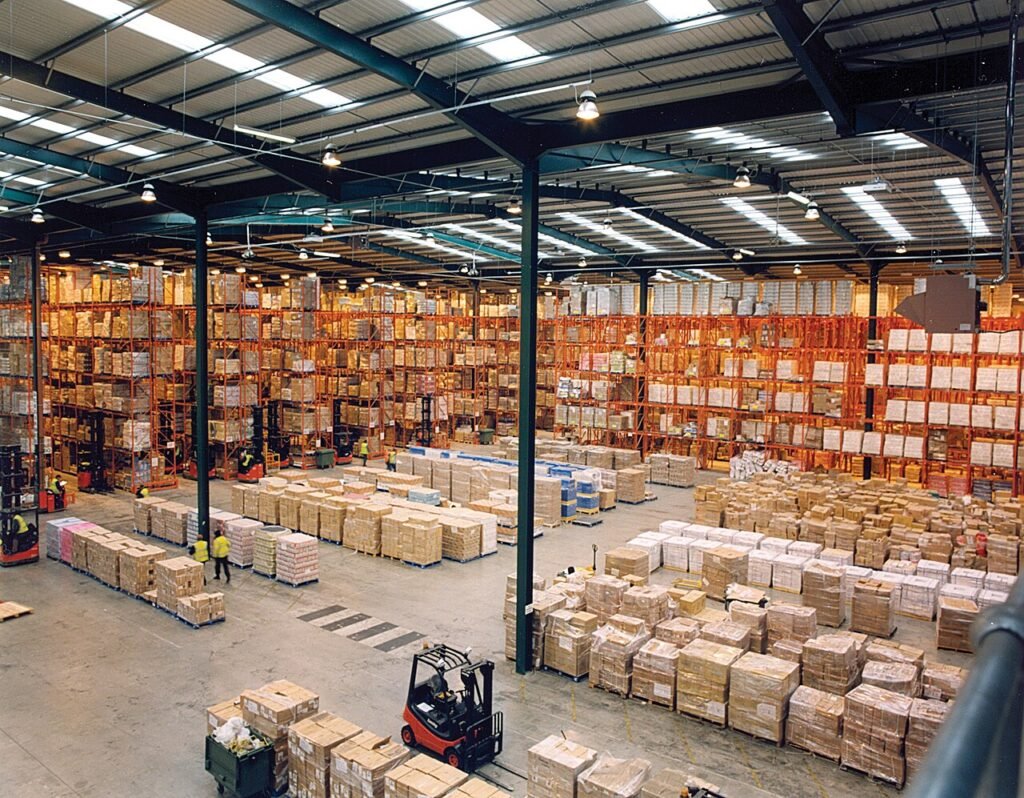
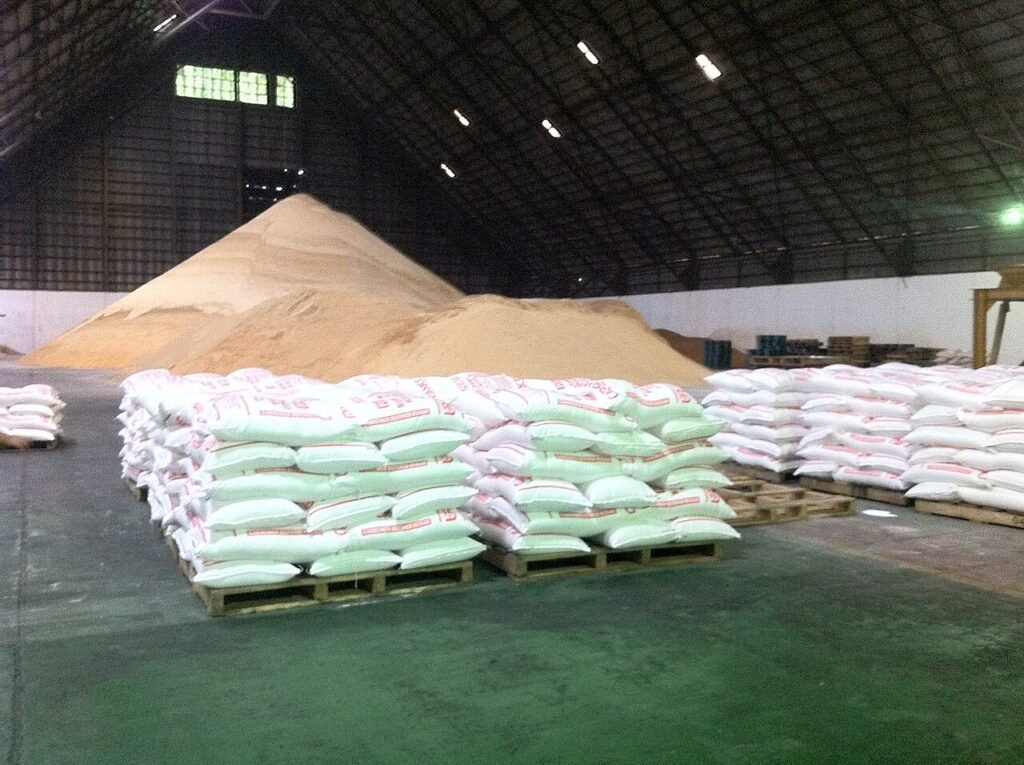
Sugar is a stable product, but it hates damp, and every sugar distributor learns this the hard way. The most common loss we hear about from distributors isn’t theft or price swings. It’s caked sugar. Research by Mathlouthi and Rogé, presented to the South African Sugar Technologists’ Association, found that white sugar cakes mainly because moisture moves in and out of the crystal surface as humidity and temperature change. A damp night followed by a dry day, repeated a few times, turns free-flowing sugar into solid blocks.
What a sugar distributor’s warehouse needs:
- A dry building with a sound roof and floor, away from water sources.
- Pallets under every stack, and a gap between stacks and walls.
- Steady temperatures. Avoid storing sugar against hot metal walls or under skylights.
- Stock rotation, first in first out, with lot numbers on every pallet.
- Pest control. Sugar attracts ants and rodents, and food safety auditors check for it.
- Separation from chemicals, fuel and strong-smelling goods. Sugar picks up odours.
When a container arrives, unload it promptly. Containers left baking in a port yard for weeks are where a lot of damp sugar starts. Check bags at the doors, middle and back of the box, and photograph anything wet before you sign for it.
Cash flow: the hidden challenge for every sugar distributor
Ask any experienced sugar distributor what keeps them up at night, and it’s rarely the sugar. It’s cash. Think about the cycle:
- You pay the supplier, or open a letter of credit, weeks before the sugar ships.
- The container sails, which can take several weeks depending on the route.
- It clears customs and reaches your warehouse.
- You sell it over the following weeks or months.
- Your trade customers pay you, often on 30 or 60 day terms.
From the day you pay to the day you’re paid can easily be three months or more. Multiply that by the value of a container and you can see why distributors run out of cash even when they’re profitable on paper.
A few things help:
- Payment terms. A documentary letter of credit protects both sides and can be cheaper than paying in advance. Our LC and TT payment guide explains the options.
- Staggered shipments. Rather than buying four containers at once, buy one a month. Your money turns over faster.
- Tight credit control. Selling on credit wins customers, but a few bad payers can sink a small distributor.
- A trade finance partner. Banks in many countries will finance commodity imports against the documents.
Pricing your sugar to customers
Sugar is a commodity, so a sugar distributor’s customers can compare prices easily. You won’t win on price alone for long unless you’re the biggest importer in your market. Distributors who last usually compete on a mix of fair price, reliable supply and service.
Some ways to think about your selling price:
- Know your true landed cost (see the table above) and add your overheads before you set a margin.
- Watch the world market. White sugar is benchmarked on the ICE White Sugar futures contract in London. You don’t need to trade futures, but knowing whether the market is rising or falling helps you decide when to buy and how to price.
- Price by customer type. A factory taking 20 tonnes a month on contract gets a different price from a shop buying five bags.
- Charge for small drops. Delivering two bags across town costs nearly as much as delivering forty.
- Be careful with price promises. Don’t lock long-term fixed prices to customers unless your own purchase price is locked too.
Our post on sugar pricing factors explains what moves the price you pay us, and bulk order discounts shows how volume affects it.
7 tips for choosing a supplier as a sugar distributor
A sugar distributor is only as good as its supply. Run out of stock once or twice and customers will find someone else. These are the checks we’d make on any supplier, and we expect distributors to make them on us.
1. Find out who actually ships the sugar
Is the seller a mill, a trading house or an agent? Long chains of middlemen add cost and make problems harder to fix.
2. Ask for the specification in writing
Colour, polarization, moisture, ash, granulation and packing should all be on the contract. Our quality checklist lists what to include.
3. Insist on independent inspection
Every shipment should come with a weight and quality certificate from an independent inspector. See our page on the inspection certificate.
4. Check the paperwork set
Commercial invoice, bill of lading, packing list, certificate of origin, inspection certificate and food safety certificates. Your clearing agent will tell you what else your country needs.
5. Start with a trial shipment
One container first. See how the supplier communicates, how the sugar looks when the doors open, and how your customers react.
6. Never pay big sums to an unverified seller
The sugar trade has more than its share of scams. Upfront “procedure fees”, impossible prices and pressure to pay fast are warning signs. Our article on what to check before you wire money lists the red flags.
7. Look for a supplier who can grow with you
Can they supply one container this month and five a month next year? Can they offer more than one grade? Can they do private label? You don’t want to change supplier just as your business takes off.
Mistakes we see new sugar distributors make
Buying too much too soon
A good price on five containers is a bad deal if you can only sell one a month. Stock that sits too long ties up cash and risks damage.
Choosing a grade nobody local wants
If your market is used to bright white ICUMSA 45 and you bring in ICUMSA 150 to save money, you may struggle to sell it. Ask customers before you order.
Ignoring duty and port costs
We’ve seen distributors celebrate a low FOB price, then find the duty and port charges wipe out their margin.
Poor storage
A leaky roof or a damp floor can ruin a whole container. Fix the warehouse before the sugar arrives.
Weak paperwork
A missing certificate can hold a container at the port for days and run up storage charges. Agree the document list with your supplier and clearing agent before shipment.
Selling on credit without checks
Credit wins customers. Unchecked credit loses money. Set limits and stick to them.
How a sugar distributor grows
Most of the sugar distributors we know grew in roughly the same stages.
- Trading. Buying containers of one grade in 50 kg bags and selling them on to market traders and small wholesalers. Low margin, quick turnover.
- Serving trade customers. Adding bakeries, hotels and small factories who want regular deliveries. Better margins, more service.
- Branding. Moving to private label bags so customers ask for your brand, not just “sugar”.
- Repacking. Adding a retail packing line for 1 kg and 2 kg packs, selling to shops and supermarkets. Highest margins, highest investment.
- Contracts. Signing supply contracts with food and drink manufacturers, often for specific grades such as ICUMSA 35 for beverages.
You don’t have to do all of these. Some very good businesses stay at stage two for years. The point is to grow your supply line at the same pace as your sales. If you serve food factories, our guides to industrial sugar, bakery sugar and sugar for beverage makers will help you talk to them in their language.
Sugar distributor, agent or broker: know which one you are
People use these words loosely, but they mean different things, and the difference matters to your risk and your income.
- A sugar distributor buys the sugar, owns it, stores it and sells it. You carry the stock risk and the price risk, and you keep the full margin.
- An agent sells on behalf of a supplier and earns a commission. You never own the sugar, so your risk is low, but so is your control over price and service.
- A broker introduces buyers and sellers and takes a fee when a deal closes. Many offers you’ll see online come from long chains of brokers, which is one reason real prices are hard to find.
There’s nothing wrong with any of these. But be honest with yourself and your customers about which role you’re playing. A business that calls itself a distributor but has no warehouse and no stock is really a broker, and customers work that out quickly when a delivery is late.
Depending on your country, you may also need an import licence, a food business registration and sometimes a specific permit or quota for sugar imports. Some countries control sugar imports tightly to protect local growers. Check with your trade ministry or customs authority before you place an order. A good clearing agent in your port can usually tell you what’s needed in a single conversation.
Timing your purchases as a sugar distributor
The world sugar market has seasons. Brazil’s main harvest in the centre-south runs from around April through the end of the year, and Thailand’s crushing season is roughly from late in the year into the following spring. When the big exporters are producing, supply is plentiful. When their harvests wind down, mills with unsold sugar can ask more.
Weather and policy add noise. The USDA expects Brazil to make slightly less sugar in 2026/27 because more cane is going to ethanol, and Thailand’s crop is forecast down because of reduced planting. India’s output is forecast up after good monsoons. None of this means a shortage, but each shift can nudge prices.
For a sugar distributor, the practical lesson is to avoid buying in a panic. If you know roughly how much you’ll sell over the next six months, a supply schedule agreed in advance gives you steadier prices and reliable stock. Spot buying works when you have spare cash and good storage, but it also means you take whatever the market offers on the day.
Winning and keeping customers as a sugar distributor
Everyone sells sugar. What makes customers stay with one sugar distributor rather than another? In our experience it usually comes down to a few unglamorous things.
- Never running out. A bakery that can’t get sugar on Monday will call someone else on Tuesday, and might not come back.
- Same sugar every time. Consistent grade, consistent bag, consistent crystal size. Factories especially hate surprises.
- Clean, dry, intact bags. Torn or damp bags look careless and cost customers money.
- Paperwork on request. When a supermarket asks for a certificate of analysis, have it ready the same day.
- Fair, explained pricing. When prices rise, tell customers why. When they fall, pass some of it on.
- Delivery when promised. Even a small business can be reliable.
None of this needs a big budget. It needs a dependable supply line behind you, which is where we come in, and a warehouse and delivery routine that you run tightly.
How shipping works for a sugar distributor
Bagged sugar travels in standard dry containers. A 20 ft container carries roughly 25 tonnes of bagged sugar. Sugar is heavy for its volume, so a 40 ft container often doesn’t carry much more because of road and container weight limits. That’s why most sugar distributors buy in 20 ft units.
Good loading protects your stock. Containers should be clean, dry and odour-free, often lined with kraft paper and fitted with desiccant bags to absorb moisture on the voyage. Our container shipping guide explains what good loading looks like, and our post on what a sugar logistics supplier handles covers the bigger picture. Our general terms are on the shipping policy page.
How to order from us as a sugar distributor
- Tell us about your business. Your market, the customers you serve, the grades and bag sizes you want, your monthly volume and your port. Use our contact form.
- Get a quote and specification. We’ll offer the grade or grades that suit your customers, FOB or CIF, with the full spec sheet.
- Agree the contract. Grade, packing, labelling, inspection, documents, delivery schedule and payment terms in writing.
- Trial shipment. We usually suggest starting with one container.
- Loading and inspection. Your sugar is inspected at loading and the certificate goes with the shipping documents.
- Regular supply. Once the trial works, we can set up a monthly or quarterly schedule.
Our billing policy and FAQ page answer common questions. If you’re new to sugar importing, start with our guides to buying sugar in bulk and how we move sugar across borders.
Frequently asked questions about becoming a sugar distributor
What does a sugar distributor do?
A sugar distributor buys sugar in bulk, usually by the container, stores it, breaks it into smaller quantities and sells it to shops, bakeries, hotels, factories and smaller wholesalers.
How much sugar does a container hold?
A 20 ft container typically holds about 25 tonnes of bagged sugar, which is 500 bags of 50 kg.
Which sugar grade sells best for distributors?
ICUMSA 45 refined white sugar sells to the widest range of customers. Many distributors add ICUMSA 100 or 150 for price-sensitive buyers.
Can I get sugar in my own branded bags?
Yes, private label printing is possible on larger orders. Ask us when you request a quote.
Do sugar bags need a best-before date?
The Codex labelling standard lists solid sugars among foods that don’t need a minimum durability date, but national rules vary. Check your own country’s labelling law.
What certificates should a sugar distributor ask for?
An inspection certificate, certificate of origin, commercial invoice, bill of lading, packing list, and food safety certificates from the producing mill.
Is it better to buy FOB or CIF?
CIF is simpler for new importers. FOB can be cheaper once you have a good freight forwarder.
How do I avoid sugar scams?
Verify the seller, insist on independent inspection, use secure payment such as a letter of credit, and never pay upfront fees before a contract exists.
Do you supply sugar distributors worldwide?
Yes. We ship to ports across Asia, Africa, Europe, the Middle East, the Americas and Oceania.
How do I get a distributor price?
Send your grade, bag size, monthly volume and port through our contact page.
Key takeaways
- A sugar distributor earns its margin by buying in volume, holding stock, breaking bulk and delivering reliably.
- Match grades to customers: ICUMSA 45 for retail and drinks, 100 or 150 for bakeries and price-sensitive buyers, brown for niche users.
- Always work out the landed cost, including duty, port fees and finance, before setting prices.
- Dry, well-run storage is what stops caked sugar and lost money.
- Cash flow, not sugar, is the biggest risk for most distributors.
- Check any supplier, start with a trial container, and grow supply at the pace of your sales.
Ready to set up supply? Request a sugar distributor quote or browse our full product range. Our guides to the sugar wholesale market and wholesale sugar are also worth a read.
Sources and References
- USDA Foreign Agricultural Service: Sugar: World Markets and Trade (May 2026)
- Codex Alimentarius: General Standard for the Labelling of Prepackaged Foods
- Codex Alimentarius: Food Hygiene Basic Texts (HACCP)
- Foundation FSSC: FSSC 22000 certification scheme
- International Chamber of Commerce: Incoterms rules
- Mathlouthi and Rogé: Caking of white sugar and how to prevent it (Proc. S. Afr. Sug. Technol. Ass., 2004)
- ICE: White Sugar Futures contract specifications
Photo credits: Nick Saltmarsh (CC BY 2.0); AgainErick (CC BY-SA 4.0); Lauri Andler (CC BY-SA 3.0); generalising (CC BY-SA 2.0); Daniel Christensen (CC BY-SA 3.0); Axisadman (CC BY-SA 3.0); Mdornseif (CC BY-SA 4.0); Markadan (CC BY-SA 3.0); all via Wikimedia Commons.