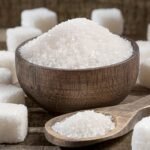

If you’ve spent any time sourcing sugar for a beverage plant, you’ve probably had someone on your quality team ask for "Coca-Cola grade" sugar and then watched half the room nod like they knew exactly what that meant. Most people don’t, not really. So let’s clear it up: Coca-Cola grade sugar is ICUMSA 35 sugar, and it’s the tightest, cleanest refined white sugar most bottlers will ever put in a formulation. At Global Sugar Supplies we ship it by the container and by the vessel to beverage producers, pharmaceutical companies, and premium food manufacturers around the world, and this guide walks through everything a buyer actually needs before placing an order.
What Is ICUMSA 35 Sugar, Exactly?
ICUMSA stands for the International Commission for Uniform Methods of Sugar Analysis, and the number attached to any batch of sugar tells you how much color is left in it after refining. The lower the number, the whiter and purer the sugar. ICUMSA 35 sugar sits at the very top end of that scale in terms of purity — whiter than the more commonly traded ICUMSA 45, and considerably whiter than raw or partially refined sugars that can run into the hundreds or thousands on the same scale.
It picked up the nickname "Coca-Cola grade" because major bottling groups, Coca-Cola among them, specify sugar at this purity level for their syrup bases. When a formulation has been the same for decades and gets bottled in more than 200 countries, there’s zero tolerance for a sugar batch that shifts the color, smell, or clarity of the finished drink. That’s the whole reason ICUMSA 35 sugar exists as a commercial category — buyers needed a shorthand for "sugar clean enough that it disappears completely into whatever you’re making."

Full Technical Specification
Here’s what we test for and guarantee on every shipment of ICUMSA 35 sugar that leaves our partner refineries:
| Parameter | Specification |
|---|---|
| Product Type | Refined White Cane Sugar |
| ICUMSA Colour | 35 IU maximum |
| Polarization | 99.80% minimum |
| Moisture | 0.04% maximum |
| Ash Content | 0.04% maximum |
| Solubility | 100% dry and free-flowing |
| Granulation | Fine to medium crystal |
| Magnetic Particles | 4.0 mg/kg maximum |
| Sulphur Dioxide (SO₂) | 20 mg/kg maximum |
| Smell | Free of foreign odor |
| Origin | Brazil, Thailand, or India (buyer’s choice, on request) |
| Packaging | 50kg polypropylene bags or 1MT jumbo bags |
Every one of those numbers matters more than it looks. A sugar with ash content even slightly above spec will leave a faint mineral aftertaste in a carbonated drink over time. Moisture above 0.04% shortens shelf life and risks caking in transit. That’s why buyers who specify this sugar tend to be strict about testing every lot rather than trusting a supplier’s word on paper.
ICUMSA 35 vs ICUMSA 45: What’s Actually Different
This is the question we get asked more than any other. ICUMSA 45 is a very good, widely traded refined white sugar — it’s the workhorse grade for general food manufacturing. ICUMSA 35 sugar is a step above it in purity, with a lower color reading and tighter tolerances across the board. In practice:
- ICUMSA 45 is fine for most bakery, confectionery, and general food use.
- ICUMSA 35 is specified where color consistency and total transparency in a liquid matter — carbonated drinks, clear syrups, pharmaceutical suspensions, premium bottled water lines.
- ICUMSA 35 typically costs a bit more per metric ton because the extra refining step and stricter QC add cost.
- Availability of ICUMSA 45 is broader; ICUMSA 35 usually needs to be sourced from mills running dedicated high-purity lines.
If your product is a clear or lightly colored beverage, or your QA department has ever rejected a batch of sugar because a drink came out looking slightly off, you probably need ICUMSA 35 sugar rather than the standard grade.
Why Bottlers and Food Manufacturers Choose This Grade
Three things drive the decision, in our experience talking to procurement teams:
Complete dissolution, no residue. A carbonated drink or clear syrup has nowhere to hide undissolved particles or cloudiness. this grade dissolves cleanly and doesn’t leave sediment, which matters a lot when a bottling line is running at thousands of units an hour and can’t stop to filter out haze.
No flavor or color drift. Formulations that have to taste identical whether they’re bottled in Lagos or Lisbon can’t tolerate batch-to-batch variation. The low ash and low SO₂ content in ICUMSA 35 sugar keeps the flavor neutral, so the sugar does its job — sweetness — without introducing any of its own character.
Regulatory and brand-spec compliance. Large beverage groups write ICUMSA 35 directly into their supplier specifications. If you’re a co-packer or a bottler under license, you often don’t have a choice; the sugar grade is dictated by the brand you’re bottling for.
Where This Sugar Gets Used
We ship ICUMSA 35 sugar into a fairly narrow but high-volume set of industries:
- Carbonated soft drinks and colas — the original use case that gave the grade its nickname.
- Bottled juices and flavored water — where clarity is part of the product’s appeal.
- Pharmaceutical syrups and suspensions — where purity requirements overlap heavily with food-grade sugar specs.
- Premium confectionery — clear hard candies and glazes where any discoloration shows immediately.
- Dairy and ice cream bases — higher-end lines where a cleaner sugar improves mouthfeel and shelf stability.
Packaging and Shipping
We keep packaging flexible because every buyer’s logistics chain is different:
- 50kg woven polypropylene bags with a moisture-barrier inner liner — the standard for most food manufacturers.
- 1,000kg (1MT) jumbo bags for buyers with bulk material handling on site.
- Custom or private-label bags for distributors reselling under their own brand.
Shipping is arranged by 20ft or 40ft container, or by vessel for larger contracts, on FOB, CIF, or CFR terms depending on what works for your finance team. Typical lead time from confirmed payment to loading runs 10 to 21 days, and we handle the full export document set: certificate of origin, health certificate, phytosanitary certificate, SGS (or equivalent) inspection report, commercial invoice, packing list, and bill of lading. None of that is optional paperwork — customs authorities in most countries will hold a shipment of the product at port without the full set, so we prepare it before the vessel leaves rather than scrambling afterward.
How the Order Process Works
Step 1 — Inquiry and quote. Tell us your target volume, destination port, and preferred packaging. We turn around a quote fast because pricing on ICUMSA 35 sugar moves with the raw sugar market, so we don’t sit on a request for days.
Step 2 — Contract and payment. Once terms are agreed we issue a pro forma invoice and sales contract. Payment terms are structured to protect both sides — we’re not asking you to wire full payment upfront with nothing to show for it.
Step 3 — Production and inspection. Every lot is tested in-house and, on request, independently verified by SGS or an equivalent inspection body before it ever gets near a container.
Step 4 — Shipping and delivery. We manage the logistics end to end — booking, documentation, customs clearance, insurance — so the sugar shows up at your port on schedule.
How ICUMSA 35 Sugar Is Actually Made
It helps to understand the process, because it explains why this refined sugar costs more and why not every mill can produce it. Raw sugarcane juice goes through the usual stages first — milling, clarification, evaporation, crystallization — to produce raw sugar. From there, refining removes the molasses coating and remaining impurities through a sequence of affination, carbonatation or phosphatation, filtration, and decolorization, usually using activated carbon or ion-exchange resin. Standard ICUMSA 45 sugar stops the decolorization process once it hits that 45 IU color reading. Getting down to 35 IU means running the sugar liquor through an extra filtration or decolorization pass, plus tighter control at the crystallization stage to avoid re-introducing color. It’s not a different raw material — it’s the same cane sugar taken one step further in the refining sequence, which is also why the price gap between the two grades isn’t enormous, just noticeable.
Mills that can consistently hit 35 IU tend to be larger operations with modern decolorization equipment, because the extra pass adds processing time and cost that smaller mills can’t always absorb profitably. That’s part of why supply of ICUMSA 35 sugar is more concentrated among a smaller group of refineries compared with the much wider pool of mills producing standard ICUMSA 45.
Common Mistakes Buyers Make When Sourcing This Grade
We’ve watched a lot of first-time buyers stumble on the same handful of issues, so it’s worth flagging them upfront.
Assuming any “white sugar” supplier can hit the spec. Plenty of traders will happily quote you ICUMSA 35 sugar without confirming their mill can actually produce it consistently at that color reading. Ask for a recent SGS or independent lab report on an actual shipment, not a generic spec sheet copied from a brochure.
Skipping pre-shipment inspection to save money. An SGS inspection costs a small fraction of a container’s value and catches problems before the sugar is on the water, when fixing them is cheap. Skipping it to shave a few hundred dollars off a shipment worth tens of thousands is a false economy that buyers usually regret exactly once.
Not locking in packaging specs early. If your facility is set up for 50kg bags and a supplier ships 1MT jumbo bags because that’s what they had on hand, you’re paying for extra handling equipment or labor you didn’t budget for. Confirm packaging in the contract, not as an afterthought.
Ignoring crop year and origin consistency. Sugar from different origins and different crop years can behave slightly differently even within the same this sugar specification — crystal size, flow characteristics, moisture uptake in humid climates. If your process is sensitive to these variables, specify a consistent origin across repeat orders rather than taking whatever’s cheapest that month.
Regional Notes for Buyers
A few things shift depending on where you’re importing to:
European Union. EU sugar import rules include tariff considerations and specific labeling requirements for food-grade sugar; buyers should confirm HS code classification and any applicable duty before finalizing volumes.
North America. US buyers need to confirm FDA food facility registration status on the exporting mill and may need to work through a licensed customs broker for food product entries.
Middle East and Africa. Halal certification is frequently required even though sugar itself contains no animal-derived ingredients — certification is about the processing facility and handling chain, not just the ingredient, so confirm this is available if your market requires it.
Asia-Pacific. Import documentation requirements vary significantly by country; some markets require additional fumigation or phytosanitary paperwork specific to agricultural commodities beyond the standard set.
We handle these regional variations for buyers regularly, so if you’re not sure what your destination port requires, it’s worth asking before you finalize a purchase order rather than after the container is already loaded.
ICUMSA 35 vs ICUMSA 100: A Quick Note
It’s worth mentioning where ICUMSA 35 sugar sits relative to the other end of the refined spectrum. ICUMSA 100 is still a good, food-grade white sugar, but with a noticeably higher color reading and looser tolerances than either ICUMSA 45 or ICUMSA 35. It suits general bulk food production and retail packing where ultimate clarity in a liquid isn’t the deciding factor. If your end product is solid — baked goods, table sugar, general confectionery — ICUMSA 100 can be a more cost-effective choice. If your end product is a clear or lightly colored liquid, stick with ICUMSA 35.
Certifications We Work To
Buyers sourcing ICUMSA 35 sugar for beverage or pharma use usually need paperwork beyond the basic specification sheet. We supply against:
- Codex Alimentarius food safety standards, the joint FAO/WHO reference most national food regulators build their own rules around — you can read the underlying standards directly on the Codex Alimentarius website.
- EU sugar regulations for buyers importing into the European market.
- US FDA food-grade requirements.
- ISO 9001 certified production at partner refineries.
- HACCP-compliant processing.
- Halal and Kosher certification available on request.
- Non-GMO, gluten-free by nature of the product.
Storage Advice That Actually Matters
We say this to every buyer and it’s worth repeating: the sugar leaves our facility in spec, but how it’s stored after delivery determines whether it stays that way. Keep bags in a dry, cool warehouse away from direct sunlight, keep them sealed until you need them, and rotate stock first-in-first-out. this grade has a low moisture content specifically so it holds up over long storage and ocean transit, but that advantage disappears fast if bags sit open in a humid warehouse.
What Drives the Price
Pricing on ICUMSA 35 sugar tracks the global raw sugar market plus a refining premium, since getting sugar down to a 35 IU color reading takes an extra processing step compared with the more common 45 IU grade. On top of that, freight, packaging choice, and order volume all move the final landed cost. Larger orders — full container loads and up — get meaningfully better pricing than smaller trial orders, which is standard across the bulk commodity trade. We quote per shipment rather than publishing a fixed price list, because locking in a number that’s three weeks stale does buyers no favors in a market that moves daily.
Sustainability and Traceability
More buyers are asking about this than they were even two years ago, and it’s a fair question. Cane sourced from Brazil, Thailand, or India each comes with different agricultural practices, water use patterns, and mill efficiency levels. We work with refineries that can provide traceability back to the mill and, where required, documentation supporting responsible sourcing practices. If your company reports on supply chain sustainability metrics or your customers ask about it, let us know at the inquiry stage — we can match you with origins that fit your reporting requirements rather than sorting it out after the contract is signed.
A Quick Real-World Example
A mid-sized bottler we’ve worked with switched from a domestic ICUMSA 45 supplier to imported ICUMSA 35 sugar after their QA team flagged a slight yellow tint appearing in clear lemon-lime batches during summer months, when ambient warehouse temperatures ran higher and storage time before use was longer. The lower ash and color reading on the product solved the tint issue without requiring any change to their formulation or process — sometimes the fix is in the raw material spec, not the recipe. It’s a common enough pattern that it’s usually the first thing we ask about when a buyer says their sugar keeps causing appearance issues downstream.
Frequently Asked Questions
What’s the shelf life? Around two years when stored correctly — cool, dry, sealed, out of direct sunlight.
Can I get a sample before committing to a full order? Yes, we offer samples; shipping cost depends on destination and method.
Is there a minimum order quantity? Our standard MOQ is one 20ft container, roughly 25 metric tons. We can discuss smaller trial quantities for certain markets — just ask.
Do you supply organic-certified ICUMSA 35 sugar? Organic certification is a separate process from ICUMSA grading; reach out and we’ll confirm current availability for your target market.
Which countries do you ship to? We export worldwide — North America, Europe, Asia, the Middle East, Africa, Latin America — with all documentation handled for customs clearance at destination.
What’s the difference between ICUMSA 35 sugar and regular table sugar I’d buy in a supermarket? Retail table sugar in most countries is already a highly refined white sugar, often close to or within the ICUMSA 45 range, but it isn’t produced or tested to the same documented specification and traceability standard that bulk buyers need for formulation consistency and regulatory compliance. Bulk this refined sugar comes with lab reports, certificates of origin, and inspection paperwork that a retail bag simply doesn’t.
Can ICUMSA 35 sugar be used in dry mixes as well as liquids? Yes — it works perfectly well in dry applications like premium confectionery or bakery glazes. It’s just that liquid applications are where the purity difference is most visible to the end consumer, which is why that’s where the grade is specified most often.
Why Buyers Keep Coming Back to Global Sugar Supplies
Sourcing ICUMSA 35 sugar internationally comes with real risk if you pick the wrong partner — delayed shipments, inconsistent quality between lots, or paperwork that doesn’t clear customs on arrival. We’ve built our process specifically to remove those failure points: direct refinery relationships instead of layers of middlemen, mandatory quality testing before any shipment leaves, complete export documentation prepared in advance, and a sales team that answers questions before you sign a contract, not just after something goes wrong. Whether you need a single trial container or a standing annual contract for several thousand metric tons, the process and the quality standard stay the same.
Buying this sugar From Global Sugar Supplies
We’re not a broker reselling paperwork — we work directly with refineries that run the extra processing step needed to hit a consistent 35 IU reading, and every shipment gets tested before it leaves. If your production line needs sugar that disappears completely into the final product, whether that’s a cola, a clear syrup, or a pharmaceutical suspension, ICUMSA 35 sugar is the grade to specify, and we can get it to your port reliably and at a fair price.
Take a look at our full Coca-Cola grade refined sugar ICUMSA 35 product page for packaging photos and current lead times, compare it against our ICUMSA 45 refined sugar if you’re not yet sure which grade fits your line, or browse the full product range. When you’re ready to talk numbers, our sales team can put together a formal quote within one business day.