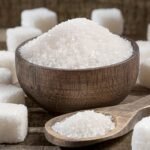

If you’ve been sourcing sweeteners for a food or beverage line for any length of time, you’ve probably typed “white refined sugar ICUMSA 45” into a search bar more than once, usually late at night, usually while trying to figure out why three different suppliers quoted three completely different specs for what’s supposed to be the same product. That confusion is normal. The ICUMSA scale gets thrown around loosely in the trade, and not every seller who slaps “ICUMSA 45” on a proforma invoice actually understands what it means or can back it up with a lab report. This page is meant to clear that up, and to walk you through what we actually supply.
What ICUMSA 45 Actually Measures
ICUMSA stands for the International Commission for Uniform Methods of Sugar Analysis, and the number attached to it, in this case 45, refers to a colour reading measured in RBU (reference base units) or ICUMSA units. Lower numbers mean whiter, more refined sugar. A reading around 45 puts you in the premium white refined sugar category — the same tier used in bottled beverages, dairy, confectionery, and pharmaceutical-adjacent applications where colour and clarity actually matter to the finished product. For comparison, raw sugar can sit anywhere from 1,000 to 3,000+ ICUMSA units, plantation white might land in the 150–300 range, and anything under 45 starts moving into super-refined territory used mostly in certain pharma and lab contexts.
The point of quoting an ICUMSA number isn’t just a marketing flourish. It tells a buyer, before a single bag lands on a dock, roughly what colour and purity to expect, and it gives both sides a number to check the sugar against once an independent lab (SGS, Intertek, Bureau Veritas, whoever you prefer) runs the sample.
Full Specification for Our White Refined Sugar ICUMSA 45
Here’s the spec sheet we actually ship against, not a rounded-off version for marketing purposes:
| Parameter | Specification |
| Colour (ICUMSA) | 45 RBU max |
| Polarization | 99.80° min |
| Moisture content | 0.04% max |
| Ash content (conductivity) | 0.04% max |
| Sulphur dioxide (SO2) | 20 ppm max |
| Reducing sugars | 0.04% max |
| Granulation | Fine to medium, 0.4–1.2 mm, per buyer request |
| Solubility | 100% in water, no visible sediment |
| Magnetic particles | Nil to trace, within Codex limits |
| Foreign matter | None |
| Radiation | Within normal background levels, certified on request |
| Packaging | 50kg PP/PE bags, 1000–1200kg jumbo bags, or bulk container loading |
| Shelf life | 24 months in original, unopened packaging, stored dry |
Every shipment travels with a certificate of analysis from an independent surveyor, plus a certificate of origin, phytosanitary certificate, and fumigation certificate where the destination country requires it. If your import broker has a specific documentation checklist, send it over before we finalize the contract — it’s far easier to build those requirements into the paperwork upfront than to chase them down after the vessel has already sailed.
Why Buyers Choose This Grade Specifically
White refined sugar ICUMSA 45 sits in a sweet spot, if you’ll forgive the pun. It’s white enough and clean enough for almost any food application that calls for refined sugar, but it doesn’t carry the cost premium of the ultra-low colour grades that are mostly overkill outside pharmaceutical manufacturing. Bottlers use it because it dissolves clean and doesn’t tint clear beverages. Bakeries and confectioners use it because colour consistency in the finished product matters, and this grade holds that consistency batch after batch. Dairy processors like it for the same reason — nobody wants an off-white tinge showing up in a product that’s supposed to be pure white.
We also see a fair number of repackers and private-label brands buying at this grade specifically because it gives them room to blend, reprocess, or repackage without worrying about colour drift affecting the final product on shelf.
Origin and How the Sugar Gets to You
Our white refined sugar ICUMSA 45 is sourced from established cane sugar refineries with consistent production volumes and a track record of passing third-party inspection without drama. We don’t work with spot-market traders who can’t tell you which mill the sugar actually came from. Depending on your destination port, we ship FOB, CFR, or CIF, and we can arrange container loading (20ft or 40ft) or break-bulk vessel loading for larger volumes. Typical container capacity runs 24–27 MT depending on bag size and stuffing pattern.
Lead time from confirmed order to vessel departure usually runs 15–25 days, depending on port congestion and whether you’re ordering from existing stock or a fresh production run. We’ll give you a realistic window at the quotation stage rather than a number that looks good on paper and falls apart once the booking gets made.
Minimum Order Quantity and Payment Terms
For first-time buyers, our standard MOQ on white refined sugar ICUMSA 45 is one 20ft container (roughly 24–25 MT). Repeat buyers with an established relationship can scale up to full container loads or multi-container bookings as volume needs grow. Payment structures are negotiated case by case, but the two most common arrangements are an irrevocable letter of credit at sight, or a deposit-plus-balance arrangement against shipping documents for buyers we’ve worked with before. We’re upfront that new relationships usually start with LC — it protects both sides, and it’s a normal part of doing business in bulk commodities.
Storage and Handling Once It Arrives
Refined sugar at this grade is stable, but it’s not indestructible. Keep bags off the warehouse floor on pallets, away from direct moisture exposure, and in a space with reasonable humidity control. Sugar is hygroscopic — it pulls moisture from the air — so a warehouse that floods with condensation in summer or sits next to a loading dock door that’s always open is going to cause caking and clumping regardless of how good the sugar was on arrival. If you’re repackaging into smaller retail or food-service units, do it in a controlled environment and reseal promptly.
ICUMSA 45 Compared to Raw and Plantation White Sugar
It helps to see where ICUMSA 45 sits relative to the other grades moving through the market, because a lot of buyers get quoted “sugar” without anyone specifying which tier they’re actually talking about. Raw sugar, sometimes called VHP (very high polarization), is the unrefined product straight off the mill — brownish, high in molasses content, and not something you’d use directly in a finished consumer product without further processing. Plantation white, produced in a single-stage process at the mill, is a step up in whiteness but still carries visible colour and inconsistent granulation batch to batch. White refined sugar ICUMSA 45 is a double or triple refined product, run through a proper refinery with carbonation or phosphatation, filtration, and crystallization stages that strip out the colour bodies and impurities the earlier grades still carry. That extra processing is exactly why the price sits higher than raw or plantation white — you’re paying for the refining, not just the sugar itself.
For buyers coming from a raw sugar background who are moving into refined for the first time, the biggest adjustment is usually around storage and handling rather than anything to do with usage. Refined sugar is more sensitive to humidity swings than raw sugar because the crystal structure is finer and the moisture content is tighter to spec, so warehouses that were fine for raw cargo sometimes need a second look before refined stock goes in.
Industries We Regularly Supply
The demand for this grade isn’t limited to one type of buyer, and the specification requirements shift slightly depending on what you’re making:
- Carbonated and still beverages — colour and clarity are non-negotiable here, since any tint shows up immediately in a clear bottle held up to light.
- Dairy and ice cream manufacturing — consistent dissolution rate and low ash content matter for texture and mouthfeel in the finished product.
- Bakery and confectionery — colour stability under heat (caramelization behaviour) needs to be predictable batch to batch, especially for products where colour is part of the branding.
- Jams, preserves, and syrups — sugar acts as both sweetener and preservative here, so purity and low reducing-sugar content help shelf stability.
- Pharmaceutical and nutraceutical excipients — some formulations use ICUMSA 45 as a base sweetener or filler where a pharma-grade product isn’t strictly required but low colour and low impurity levels are.
- Repackaging and private label — buyers who bag sugar under their own brand need a consistent input so every batch on the shelf looks and performs the same.
How We Quality-Check Every Batch
Every production run gets tested at the refinery before it’s approved for loading, and we keep a running record of certificates of analysis by batch number so if a question ever comes up post-shipment, we can trace it back. Beyond the refinery’s own testing, we work with independent surveyors — SGS, Intertek, or Bureau Veritas depending on the origin country and buyer preference — who draw samples during container stuffing or vessel loading and issue an inspection certificate separate from anything the refinery produces internally. That third-party layer matters because it removes any incentive for a seller to mark their own homework. If you want a specific surveyor written into the contract, tell us at the quotation stage and we’ll build it into the terms.
We also encourage buyers, especially first-time buyers, to request a pre-shipment sample and run their own in-house or third-party lab check before the balance payment is released. It costs a small amount of time upfront and it removes almost all of the uncertainty that otherwise sits on a buyer’s shoulders when sugar is moving across an ocean before final inspection.
Ports, Freight, and Container Loading
Depending on the production origin for a given order, we typically load out of major cane-sugar export ports with established container and bulk-vessel infrastructure. A standard 20ft container carries around 24–25 MT in 50kg bags, or slightly more with jumbo bag stuffing, while a 40ft container can push closer to 26–27 MT depending on how the load is optimized. For buyers ordering multiple containers on a regular basis, we can also discuss break-bulk or part-vessel loading, which usually brings the per-tonne freight cost down once volumes justify it. Transit time varies heavily by destination — anywhere from 10 days for regional shipments to 6 weeks or more for buyers on the far side of a long ocean route — and we’ll give you a realistic transit estimate tied to the actual vessel schedule rather than a generic industry average.
Common Questions We Get About ICUMSA 45 White Refined Sugar
Is ICUMSA 45 the same as “food grade”?
Generally yes — ICUMSA 45 refined sugar meets food-grade requirements in most jurisdictions, but “food grade” itself isn’t a single fixed standard worldwide. If your country has specific labeling or additive requirements, tell us before contracting so we can confirm compliance documentation matches.
Can I get a pre-shipment sample?
Yes. We send physical samples for testing before any large order ships, and we’re comfortable with you running your own lab analysis alongside our certificate of analysis. If the two don’t match, we want to know before the container is loaded, not after.
What’s the difference between ICUMSA 45 and ICUMSA 100?
Both are white refined sugars, but ICUMSA 45 is a slightly whiter, lower-colour grade than ICUMSA 100. The difference is subtle to the eye in small quantities but shows up clearly in clear liquids and light-coloured finished products. If your application isn’t colour-sensitive, ICUMSA 100 can be a more cost-effective choice — we cover that grade in detail on our ICUMSA 100 sugar page if you want to compare the two side by side.
Do you supply smaller trial orders?
We can usually accommodate a smaller trial shipment for new buyers who want to test the product and our reliability before committing to a full container program. Ask us directly and we’ll work out what’s realistic given current production scheduling.
Compliance, Certifications, and Documentation
Depending on your destination market, you may need more than just a certificate of analysis. Halal certification, Kosher certification, ISO 22000 or FSSC 22000 food safety documentation, and non-GMO declarations are all things we can source or confirm from the refinery side — just flag what you need before the contract is signed, since chasing down a certificate after the fact usually adds delay. We also provide standard trade documents as a matter of course: commercial invoice, packing list, bill of lading, certificate of origin, and phytosanitary certificate where applicable. If your bank requires a specific LC format or additional documents for the letter of credit to clear, send us the draft LC text early so we can flag anything that doesn’t match what we’re able to provide.
Getting a Quote
Pricing on white refined sugar ICUMSA 45 moves with the global sugar market, so we don’t publish a fixed number — anyone who quotes you a flat price without asking your destination port, volume, and packaging preference is guessing. Send us your destination, target volume, and preferred Incoterm, and we’ll turn around a firm quote with validity dates attached. We deal with buyers across food and beverage manufacturing, distribution, and repackaging worldwide, and we’re set up to handle recurring contract volumes as well as one-off trial shipments.
If you’re also evaluating other grades for different product lines, take a look at our pages on food grade ICUMSA 45 sugar and cane sugar ICUMSA 45 — the underlying grade is closely related but the framing helps depending on whether you’re buying for direct food use or industrial processing. For the full picture of how ICUMSA colour grading works as an international reference, the ICUMSA organization’s own documentation is a solid technical resource if you want to go deeper than what we’ve covered here.