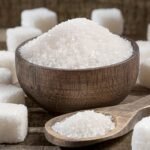

“Cane sugar ICUMSA 45” is a phrase that does two jobs at once for buyers who type it into a search bar. First, it specifies the colour grade — ICUMSA 45, premium white refined. Second, it specifies the source crop — cane, as opposed to sugar beet. That second part matters more to buyers than a lot of suppliers give it credit for, whether the reason is labeling requirements, a customer base that specifically wants cane sugar, a recipe formulated and tested with cane sugar’s slightly different crystallization behaviour, or just a personal or brand preference for cane over beet. This page covers what you’re actually getting when you buy cane sugar at the ICUMSA 45 grade, and how we supply it.
Why the Cane-vs-Beet Distinction Matters to Some Buyers
At ICUMSA 45, both cane and beet sugar are chemically almost identical — sucrose is sucrose, and a lab test on pure white refined sugar from either source will come back nearly indistinguishable on a basic panel. Where the distinction actually shows up is in a few specific areas: some buyers report subtle differences in how cane versus beet sugar behaves in certain confectionery and caramelization applications, some markets and consumer bases have a stated preference for cane sugar on ethical, historical, or taste-perception grounds, and some product labeling regulations require disclosure of sugar source, particularly for products marketed as “pure cane sugar.” If none of that applies to your business, the source distinction may not matter much to you — but if it does, it’s worth confirming with any supplier before you sign a contract, because not everyone can actually guarantee cane-only sourcing at scale.
Full Specification for Our Cane Sugar ICUMSA 45
| Parameter | Specification |
| Source | 100% cane sugar (Saccharum officinarum), no beet blending |
| ICUMSA colour | 45 RBU max |
| Polarization | 99.80° min |
| Moisture | 0.04% max |
| Ash | 0.04% max |
| SO2 | 20 ppm max |
| Reducing sugars | 0.04% max |
| Granulation | Fine to medium, per buyer request |
| Packaging | 50kg PP bags, jumbo bags, or bulk container loading |
| Shelf life | 24 months, dry storage |
Because source verification isn’t something a standard colour or purity test confirms on its own, we can arrange origin documentation and, where needed, supply chain traceability back to the specific cane mill for buyers who need that level of confirmation for labeling or brand claims. Ask about this at the quotation stage if it’s a requirement for your business, since it may affect which production facility your order is sourced from.
Where Cane Sugar ICUMSA 45 Gets Used
Beyond the general applications any ICUMSA 45 grade covers — beverages, bakery, confectionery, dairy — cane sugar specifically tends to be requested by:
- Premium and artisanal food brands marketing “pure cane sugar” as a label claim or quality signal
- Rum and cane-spirit distillers and other beverage producers where cane origin ties into the product’s identity
- Traditional confectionery producers replicating recipes historically made with cane rather than beet sugar
- Buyers in markets with strong cultural or regional preference for cane sugar over beet, which varies significantly by country
- Private label brands whose customer base specifically expects a cane-sourced product
Sourcing and Regional Origin
Our cane sugar ICUMSA 45 is refined from cane grown and milled at origin, primarily from major cane-producing regions with established refinery infrastructure. If you have a specific origin preference — for regulatory, brand, or supply chain diversification reasons — tell us and we’ll confirm what’s available and whether it affects pricing or lead time. Origin sourcing can shift with harvest seasons and regional crop conditions, so if consistent single-origin supply matters for your contract, we’ll flag anything that could affect that before you commit to a longer-term agreement.
Packaging, Shipping, and Order Volumes
Standard MOQ is one 20ft container, roughly 24–25 MT, with the option to scale to multi-container or part-vessel volumes for larger buyers. We ship FOB, CFR, or CIF, and typical lead time from confirmed contract to vessel departure is 15–25 days. Packaging defaults to 50kg PP bags but we can arrange jumbo bags or bulk loading based on your intake infrastructure. If you’re a brand doing retail-facing repackaging under your own label, let us know your bag or container specifications in advance so we can align production accordingly.
Certification and Label Claims
If your product is going to carry a “100% pure cane sugar” or similar claim on packaging, we recommend confirming your specific label wording requirements against your target market’s regulations before finalizing the order — labeling rules for sugar source claims vary by country, and what’s acceptable in one market may need different substantiating documentation in another. We can provide origin and source certification to support these claims, but the compliance responsibility for how it’s worded on your packaging sits with you and your regulatory team.
Quality Control and Traceability
Every batch of cane sugar ICUMSA 45 we supply is tested at the refinery and comes with a batch-specific certificate of analysis, so if a question comes up about a particular shipment, we can trace it back to the exact production run. For buyers who need it, independent third-party inspection (SGS, Intertek, Bureau Veritas) is available at container stuffing or vessel loading, and we’re comfortable writing a specific inspection requirement into the sales contract. Pre-shipment sampling is standard practice — we send a physical sample from the actual batch before final loading so you can run your own testing and confirm both the colour/purity spec and, if relevant, any additional cane-source verification your business needs.
Storage and Handling
Cane sugar ICUMSA 45 behaves the same in storage as any refined white sugar at this grade — keep it dry, off the floor on pallets, and away from strong odours or moisture sources. It’s hygroscopic, so warehouses with poor humidity control will see caking and clumping regardless of how clean the sugar was on arrival. If you’re repackaging into smaller retail units under your own label, do that work in a controlled, low-humidity environment and reseal packaging promptly to protect shelf life.
Frequently Asked Questions
Can you guarantee zero beet sugar blending?
Yes, for cane sugar orders specifically sourced and documented as such. This is different from our general ICUMSA 45 supply, where source (cane or beet) isn’t always specified unless requested — for cane-specific orders, we source and confirm accordingly.
Is there a price difference between cane and beet ICUMSA 45 sugar?
Pricing can vary depending on origin, season, and current market conditions for cane versus beet sugar specifically, which sometimes move independently of each other. We’ll give you a current quote reflecting actual cane-sourced pricing rather than a blended market average.
Do you supply raw or unrefined cane sugar as well?
We can discuss raw cane sugar (VHP) supply separately from the refined ICUMSA 45 grade covered on this page — the specification, pricing, and typical buyer profile are quite different, so reach out with your specific requirement and we’ll advise on what fits.
What documentation proves cane origin?
We can provide a certificate of origin specifying cane source, and where required, additional supply chain traceability documentation back to the milling facility. Confirm your specific documentation requirement before contracting so we can build it into the paperwork from the start.
Getting a Quote
If cane origin matters for your product, brand, or regulatory requirements, tell us that explicitly when requesting a quote — send your destination port, target volume, and origin or certification requirements, and we’ll put together a proposal that reflects cane-specific sourcing rather than a generic ICUMSA 45 quote. For buyers whose priority is purely the colour and purity spec regardless of source, our broader white refined sugar ICUMSA 45 page covers the general specification without the cane-specific sourcing requirements. If you’re comparing against a slightly less refined, more cost-effective option, our ICUMSA 100 sugar page is worth a look as well. For background on how cane sugar refining and colour grading work as an international standard, the ICUMSA organization publishes the methodology behind these classifications.
Looking for the unrefined, molasses-rich option instead? Our raw brown sugar page covers specifications, color grades, and bulk ordering.