

On the export side of the sugar trade, the questions are basically the mirror image of what an importer asks: can you actually load what you’re quoting, can you hit the shipping window, and can you produce the paperwork a receiving country’s customs office will accept without a fight. If you’re researching ICUMSA 45 sugar export because you’re buying from overseas, or because you’re trying to understand how the shipment on your end actually gets built, here’s how it works in practice.
Key points at a glance
- Most ICUMSA 45 sugar export cargo ships from Brazil or Thailand.
- Bagged sugar in 20ft containers suits most first orders; bulk vessels suit large buyers.
- Every ICUMSA 45 sugar export needs matching documents: invoice, packing list, bill of lading, certificate of origin and inspection certificate.
- Ask for draft documents before the vessel sails.
- Plan for several weeks to a couple of months from contract to arrival.
What Gets Exported Under the ICUMSA 45 Name
ICUMSA 45 white refined sugar is graded by color, with 45 ICUMSA units marking a bright, consistent white crystal used across beverage manufacturing, confectionery, and general food production. It’s one of the most heavily traded sugar grades globally because the specification is well understood and the end uses are so broad. When a buyer requests ICUMSA 45 sugar export documentation, they’re really asking whether the exporting party can back up the offer with real production capacity, not just a price sheet.
Export Specification Reference
| Parameter | Specification |
|---|---|
| Polarization | 99.80° min |
| Moisture | 0.04% max |
| Color (ICUMSA) | 45 units max |
| Ash | 0.04% max |
| SO2 | Below 20 ppm |
| Granulation | Fine to medium crystal, uniform |
| Packaging | 25kg / 50kg PP bags, 1,000kg jumbo bags, bulk vessel loading |
| Minimum order | Varies by destination; container loads to full vessel |
The Export Sequence
Every export contract runs through a broadly similar sequence, though specific paperwork shifts depending on the destination country’s import requirements:
- ICPO and offer matching. The buyer submits an Irrevocable Corporate Purchase Order or inquiry, and the exporter confirms quantity, specification, and delivery port with a Full Corporate Offer.
- Contract execution. A Sales and Purchase Agreement is signed, laying out price, Incoterm (FOB, CFR, or CIF), quantity tolerance, and payment structure.
- Letter of Credit issuance. The buyer’s bank issues an LC in favor of the exporter, typically confirmed through a bank in the exporter’s country for added security.
- Production and stock allocation. The mill or refinery allocates the confirmed tonnage and schedules production or bagging to match the shipping window.
- Pre-shipment inspection. An independent surveyor — SGS, Intertek, or Bureau Veritas are the most commonly used — verifies quantity and quality at the loading point.
- Loading and shipping documents. Once loaded, the exporter issues the Bill of Lading, Certificate of Origin, phytosanitary certificate, weight certificate, and insurance certificate, transferred through the banking chain per the LC terms.
Choosing an Export Port and Shipping Method
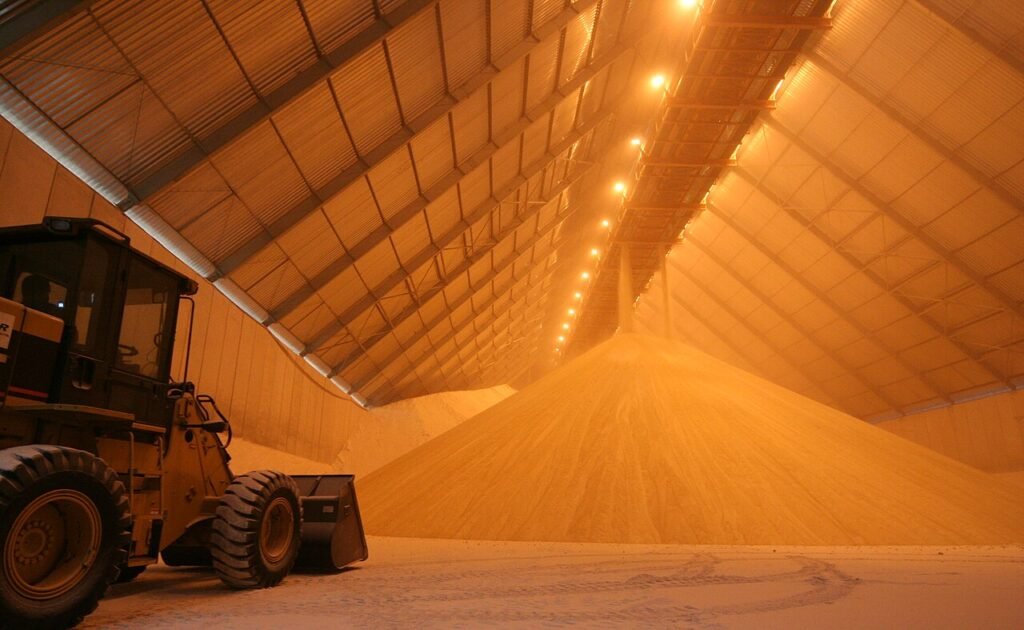
Container shipments work well for buyers who need flexibility on volume and don’t have bulk receiving infrastructure. A single 20-foot container typically carries around 24-25 metric tons in 25kg or 50kg bags. Buyers scaling into higher volumes often move to break-bulk or full bulk vessel shipments, which lower the cost per ton substantially but require the receiving port to have bulk unloading and storage capability. The right choice depends entirely on what’s waiting for the cargo on your end — there’s no universally “better” option.
Documentation Buyers Should Always Request
- Certificate of Analysis from an accredited lab matching the agreed specification
- Certificate of Origin
- Phytosanitary certificate where required by the destination country
- Fumigation certificate for bagged shipments, where applicable
- Bill of Lading showing vessel, quantity, and port of discharge
- Insurance certificate if the Incoterm is CIF
A legitimate exporter will have all of this ready as a matter of routine. If an offer can’t be backed by these documents on request, treat it as a red flag rather than an oversight.

Why Buyers Choose to Work With Global Sugar Supplies for Export
We export ICUMSA 45 white refined sugar to buyers across every continent, working directly with mill partners rather than operating as a resale layer. That means we can confirm real production schedules instead of guessing at availability, and we support independent inspection before every shipment so you’re not taking our word for quality on faith. Whether you need a single container as a trial order or a recurring bulk vessel schedule to support ongoing manufacturing, we structure the contract around your actual shipping and payment capability rather than pushing a one-size template.
We also handle the LC process end to end for buyers who haven’t done a commodity trade transaction before, walking through bank requirements, document timing, and what to expect at each stage so nothing catches you off guard.
Requesting an Export Quote
Send your required tonnage, destination port, and target shipping month, and we’ll return a Full Corporate Offer with current pricing and a realistic production-to-loading timeline. For background on trade documentation standards referenced above, the Codex Alimentarius, the joint FAO/WHO food standards body, maintains the internationally referenced standard for sugars used in food trade.
See also our related pages on ICUMSA 45 sugar import, wholesale ICUMSA 45 sugar, and how to vet ICUMSA 45 sugar traders.
Where ICUMSA 45 Sugar Export Cargo Usually Ships From
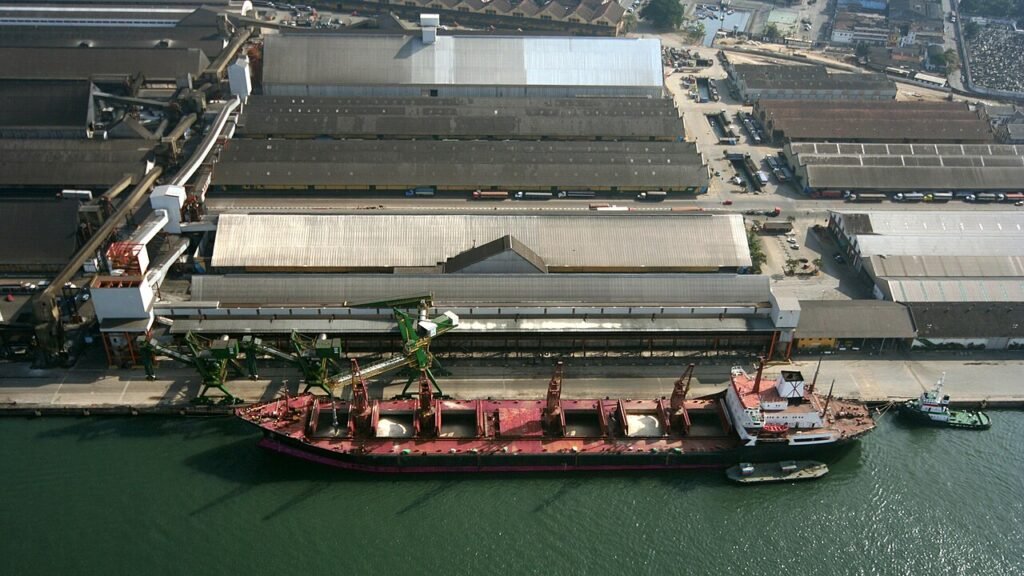
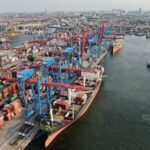
Most ICUMSA 45 sugar export volume leaves from a small number of origins. Brazil is the world’s largest sugar exporter, according to the International Sugar Organization, and its main sugar ports, Santos and Paranaguá, handle both bulk vessels and containers. Thailand is the other major source for buyers in Asia and the Middle East, with container cargo commonly moving through Laem Chabang. India produces large volumes too, but its exports have been restricted in recent seasons, which we cover in our Indian sugar article.
For an ICUMSA 45 sugar export, origin affects timing as much as price. Brazil’s main harvest in the centre-south runs through roughly the middle of the year, while Thailand’s crushing season falls around the turn of the year. Buyers who can take sugar from either origin have more flexibility. Our guides to Brazilian sugar and Thai sugar go into more detail.
Packing an ICUMSA 45 Sugar Export Order
The way an ICUMSA 45 sugar export is packed decides how it ships and how it’s unloaded at your end:
- 50kg bags in containers. The most common choice for first orders and for buyers who unload by hand. Bags are usually polypropylene with a polyethylene liner.
- One-tonne jumbo bags. Faster to load and unload with a forklift, with less bag waste.
- Bulk vessel cargo. For very large buyers and refineries with port discharge equipment. See our page on bulk ICUMSA 45 sugar.
For any ICUMSA 45 sugar export, ask for the number of bags and net tonnes per container in writing, and check those figures on the packing list. Container preparation matters too. Our sugar logistics guide explains how containers should be lined and sealed so the sugar arrives dry.
Export Paperwork, Line by Line
Every ICUMSA 45 sugar export shipment should come with a matching set of documents. The usual set is a commercial invoice, packing list, bill of lading, certificate of origin, independent quality and weight inspection certificate, and an insurance certificate when the sale is CIF. Some destinations also ask for a phytosanitary or health certificate. The invoice should show the correct HS code so customs can apply the right duty.
On any ICUMSA 45 sugar export, the single most useful habit is to ask for draft documents before the vessel sails. Checking names, container numbers and quantities across every document takes ten minutes and can save weeks of delay at port.

Common Questions About an ICUMSA 45 Sugar Export
Can I nominate my own inspector? Yes. Most buyers appoint a company such as SGS, Bureau Veritas or Intertek, and we arrange access at the loading point. The cost is usually agreed in the contract.
What is the smallest order you ship? For refined sugar in bags, one 20ft container is a common trial size. Larger buyers move to regular container programmes or bulk vessel lots.
Who arranges the freight? Under CIF or CFR terms we book the vessel to your port. Under FOB terms you appoint the shipping line and we load the cargo on board.
How Long an ICUMSA 45 Sugar Export Takes
From signed contract to arrival, most ICUMSA 45 sugar export shipments in containers take somewhere between several weeks and a couple of months. The main stages are production or allocation, container booking, loading and inspection, export clearance, ocean transit and import clearance. Transit time depends on the route and any transhipment. Your supplier should give you a realistic ICUMSA 45 sugar export schedule for each stage and update you if anything changes.
If you’re on the import side, our companion guide to ICUMSA 45 sugar import covers what happens when the cargo reaches you. For the product itself, see ICUMSA 45 sugar for sale and our full ICUMSA 45 specification, or compare sugar export prices before you request a quote.


Comments are closed.