

Sugar for canning is the refined white sugar that fruit canneries and food packers dissolve into the syrup around canned peaches, pears, apricots, cherries, pineapple, mandarins and fruit cocktail, and add to other canned and bottled foods. The best sugar for canning is a clean, low-colour ICUMSA 45 refined cane sugar, because it makes a clear, bright syrup that doesn’t dull pale fruit or leave sediment in a glass jar. Syrup strength is measured in degrees Brix, and labels such as “light syrup” and “heavy syrup” are tied to set Brix ranges in many countries. We sell sugar for canning in 50 kg bags and 1 MT jumbo bags to canneries and food packers, shipped by container worldwide.
This guide is for owners, production managers and buyers at fruit canneries, jar packers and food processors who buy sugar by the tonne. It covers what the label terms mean, how much sugar a cannery really needs, why the syrup you fill isn’t the syrup the customer finds when they open the can, which grade to buy, and how to buy bulk sugar at a sensible delivered price. We link to food regulations and university food-preservation sources for the facts. Where something is our own view or our own arithmetic, we say so. Canning safety depends on a properly designed thermal process, so always follow your process authority and local regulations.
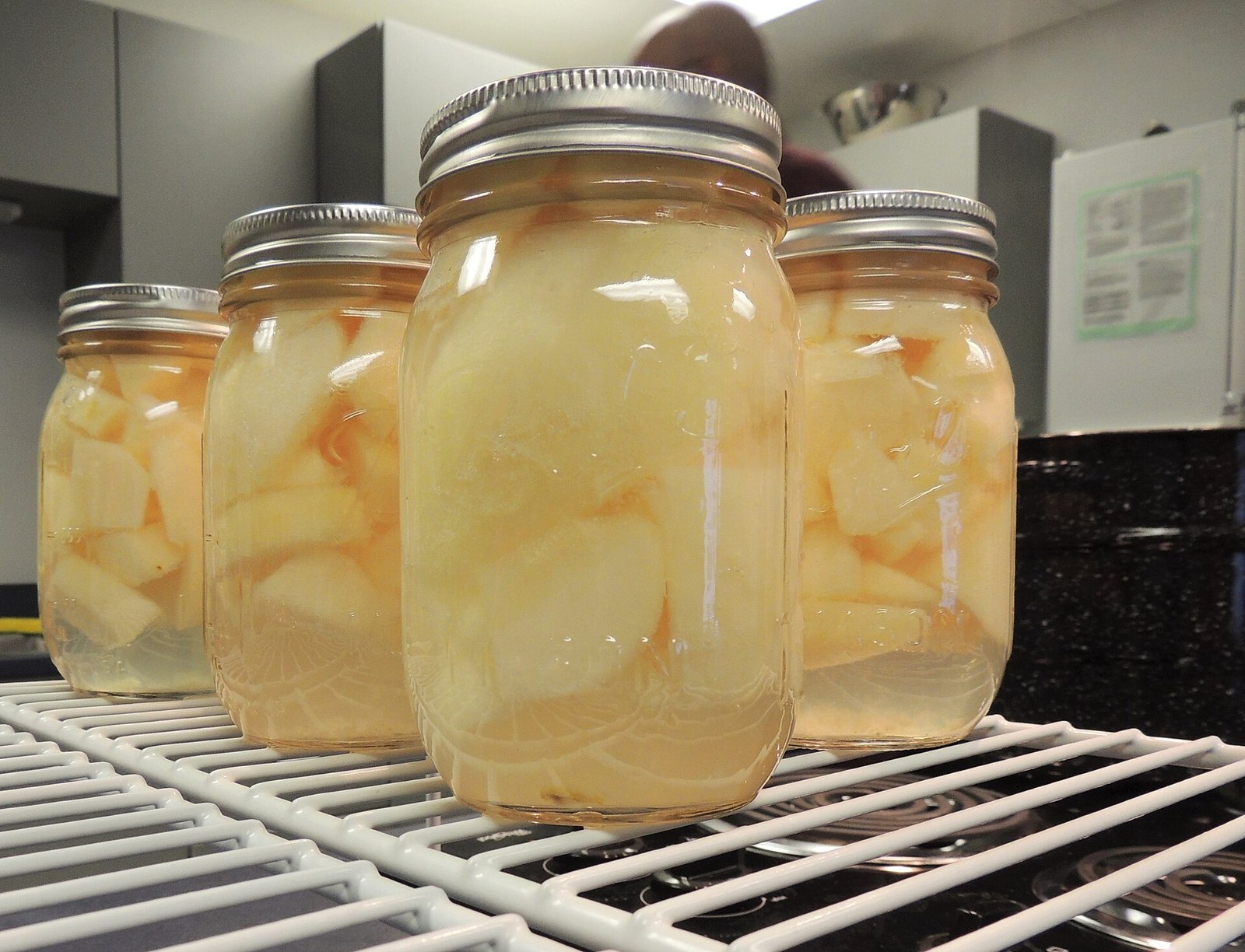
Sugar for canning: what we sell
These are the grades canneries and food packers buy from us. Each product page has the full specification sheet, packing options and documents.
- Refined ICUMSA 45 sugar: colour 45 IU max, polarization 99.80% min, moisture 0.04% max, ash 0.04% max. Our standard sugar for canning fruit in syrup. Dissolves to a clear syrup that keeps pale fruit bright.
- Refined sugar ICUMSA 35: colour 35 IU max. For premium white-fleshed fruit in glass jars, where any tint in the syrup shows.
- Crystal white sugar: refined white cane sugar, polarization 99.8% min, even crystals that dissolve steadily in a syrup tank.
- Cane sugar ICUMSA 100 and ICUMSA 150 white sugar: lower-cost white sugars for dark fruit, tomato-based packs and sauces, where a slight colour won’t show.
- Raw brown cane sugar Grade E: ICUMSA 600 to 1200. For baked-bean style sauces, spiced fruit and brown-sugar packs where colour and flavour are wanted.
Packing: 50 kg PP bags with inner PE liner, or 1 MT jumbo bags. Shipping: 20 ft containers, about 25 MT each. Terms: FOB or CIF your port. Documents: SGS or equivalent inspection, certificate of analysis, certificate of origin and phytosanitary certificate. Ask for a quote on sugar for canning.
All our grades are on our products page.
What sugar does in canned fruit
Sugar in canned fruit is mostly about eating quality. It sweetens sour fruit, helps the fruit keep its colour, flavour and shape, and gives the syrup body. It’s not what keeps the can safe. The National Center for Home Food Preservation at the University of Georgia makes this clear: USDA fruit canning directions allow canning in water without a sugar syrup, because the heat of proper canning provides adequate preservation for safety.
That’s an important point for buyers. In a properly processed can of fruit, sugar for canning is a quality and marketing ingredient. In very high-sugar products such as jams and fruit preserves, sugar plays a bigger part in preservation, which is a different subject covered in our article on sugar for jam.
The products that use sugar for canning include:
- Peaches, pears, apricots and plums in syrup.
- Fruit cocktail and mixed fruit.
- Cherries, both sweet and sour.
- Pineapple and tropical fruit.
- Mandarin and orange segments.
- Lychees, rambutans and other Asian fruit in syrup.
- Bottled fruit in glass jars for premium and export markets.
- Baked beans, sweetened sauces and some vegetable packs, where sugar is part of the recipe.
Light syrup, heavy syrup: what the labels mean
In many countries the words on the can aren’t just marketing. They’re tied to a measured syrup strength in degrees Brix, which is the percentage of sucrose by weight. US rules define Brix as percent by weight of sucrose (degrees Brix), and the same section defines “sugar” for canned fruit as refined sucrose.
United States examples
The US standard for canned fruit cocktail says that when the packing medium’s density is 14 percent or more but less than 18 percent it is “light sirup”, and 18 percent or more but less than 22 percent it is “heavy sirup”. Different fruits have different ranges. For canned red tart pitted cherries, USDA grade standards list “heavy sirup” at 22° or more but less than 28°, and “light sirup” at 18° or more but less than 22°, measured on a refractometer and corrected to 20 °C. Sour cherries need more sugar to taste right, so the bands sit higher.
International guidance
Codex, the international food standards body run by FAO and WHO, worked on guidelines for packing media for canned fruits. A draft considered by its fruit and vegetable committee set out extra light or slightly sweetened syrup between 10° and 14° Brix, light syrup between 14° and 18° Brix, and heavy syrup between 18° and 22° Brix, with some names applied according to the custom or legislation of the importing country. If you export, check the rules in the destination market, because the bands and names differ.
A quick reference table
This table combines the figures quoted above. It’s a guide, not a legal summary. Always check the exact standard for your fruit and market.
| Label term | Typical Brix band (fruit cocktail, Codex draft) | Sour cherries (USDA) |
|---|---|---|
| Extra light / slightly sweetened | 10° to 14° | — |
| Light syrup | 14° to 18° | 18° to 22° |
| Heavy syrup | 18° to 22° | 22° to 28° |
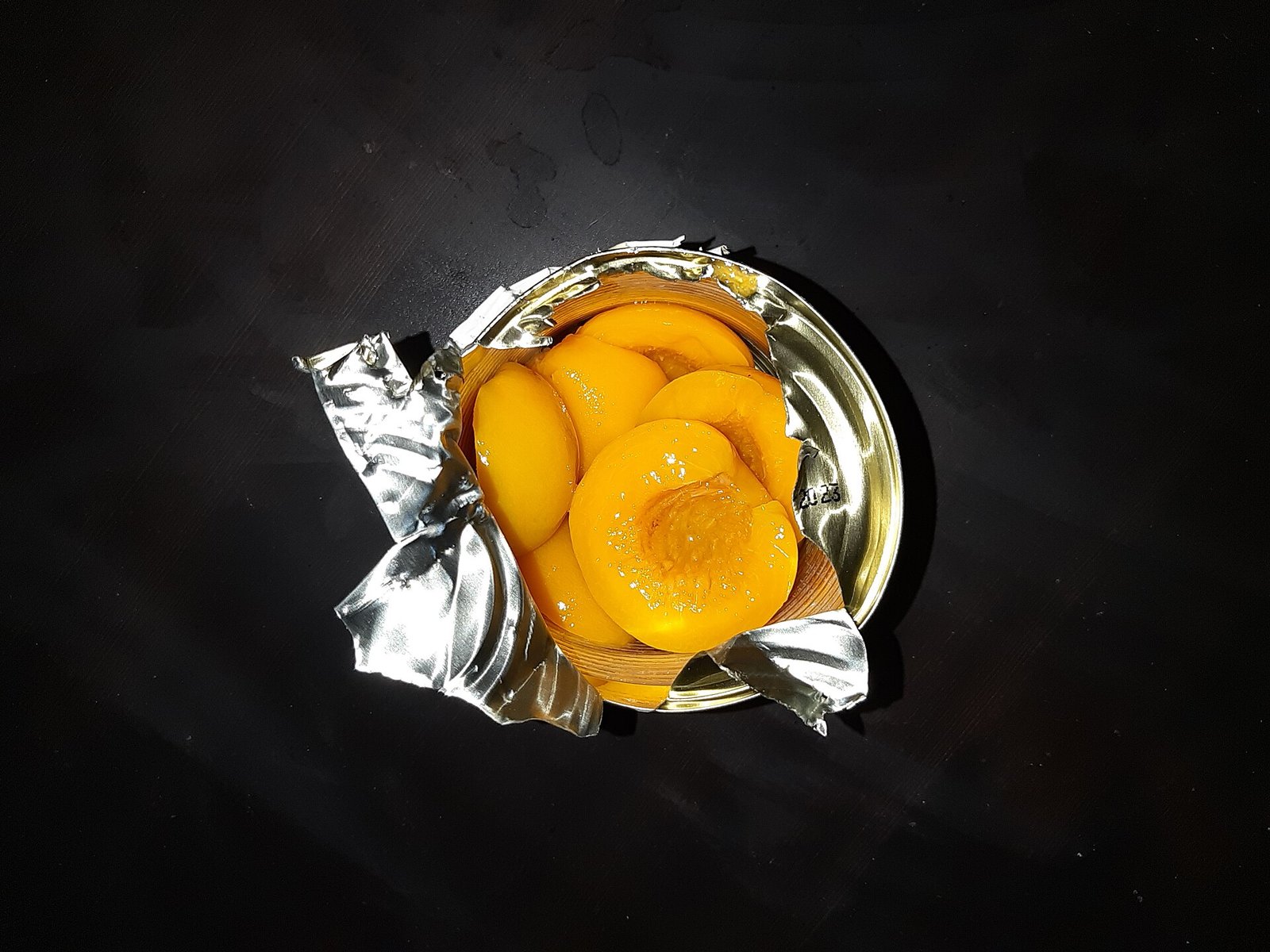
The cut-out Brix trap: why your filling syrup must be stronger
This is the part of sugar for canning that catches out new canners, and it’s where a lot of buying mistakes start.
The Brix that counts for the label is not the Brix of the syrup in your tank. It’s the Brix of the liquid in the can after the fruit and syrup have settled together. Fruit contains water and its own sugars. Over the days after canning, sugar moves into the fruit and water moves out, until the two even out. The liquid you measure when you open the can is called the “cut-out” Brix.
Regulators measure it that way. The US Food and Drug Administration’s compliance guide on canned fruit packing media looks at the average Brix measurement at 15 or more days after canning, compared with the minimum for the medium declared on the label. The same guide notes that it should not be applied when the deficiency in Brix density is due to overfilling with fruit, which tells you how much the fruit-to-syrup ratio matters.
A worked example
Here’s our own simplified mass balance. It treats the fruit as if all of it were liquid that mixes with the syrup, which isn’t quite true, so use it to understand the idea, not to set your recipe.
- A can holds 60% fruit and 40% syrup by weight.
- The fruit’s own sugar content is about 10 °Brix.
- You want a cut-out Brix of 18 °Brix, the bottom of “heavy syrup” for fruit cocktail.
At equilibrium, the overall sugar is roughly 0.6 × 10 + 0.4 × X = 18, where X is the syrup Brix you fill. That gives X = 30 °Brix. In other words, to end up at 18 °Brix in the can, you might need to fill with syrup around 30 °Brix. Change the fruit’s ripeness or the fill ratio and the number changes. That’s why canneries test cut-out Brix on finished product and adjust filling syrup strength through the season.
What this means for buying
Two practical points come out of this. First, you’ll use more sugar for canning than a quick look at the label suggests, because the filling syrup is stronger than the cut-out. Second, fruit ripeness changes through a season, and riper fruit brings more of its own sugar. Keeping some flexibility in your sugar order, or holding a little extra stock, helps you hit your label bands without rushing for supply.
How much sugar for canning does a cannery need?
Let’s turn that into tonnes. Again, these are our own illustrative figures.
Sugar per tonne of filling syrup
Because Brix is percent sucrose by weight, a 30 °Brix syrup contains 300 kg of sugar per tonne of syrup. A 20 °Brix syrup contains 200 kg.
| Filling syrup | Sugar per tonne of syrup | Syrup from a 25 MT container |
|---|---|---|
| 15 °Brix | 150 kg | about 167 MT |
| 20 °Brix | 200 kg | 125 MT |
| 25 °Brix | 250 kg | 100 MT |
| 30 °Brix | 300 kg | about 83 MT |
| 40 °Brix | 400 kg | 62.5 MT |
Sugar per year
Suppose a plant packs 10,000 tonnes of fruit in syrup a season, with syrup making up 40% of the pack weight, filled at 30 °Brix. That’s 4,000 tonnes of syrup containing 1,200 tonnes of sugar, or 48 containers. Halve the volume or the syrup strength and you halve the sugar. Plug in your own numbers. The point is that a mid-sized fruit cannery can easily use dozens of containers of sugar for canning in a season, and most of that demand lands in a few busy months.
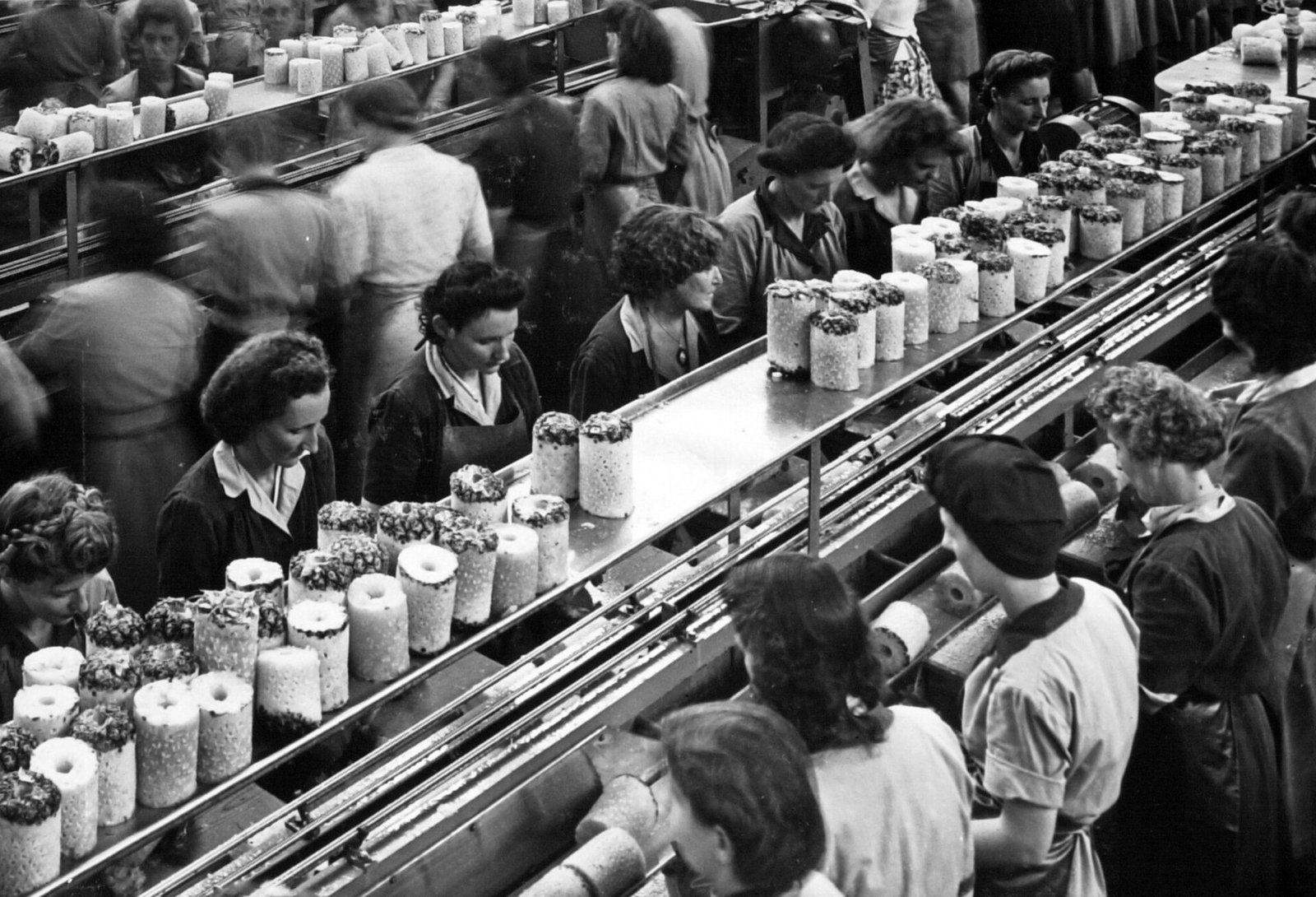
Which grade of sugar for canning to buy
Pale fruit and clear syrup: ICUMSA 45
Peaches, pears, apricots, pineapple and lychees are sold on looks. A yellowish or hazy syrup makes them look old. Refined ICUMSA 45 sugar dissolves to a clear, nearly colourless syrup, which is why it’s the standard sugar for canning fruit. Our guides to food grade ICUMSA 45 sugar and white refined sugar ICUMSA 45 explain the grade.
Premium glass jars: ICUMSA 35
Fruit in glass jars is on full display. For white-fleshed fruit in jars, especially for premium and export markets, ICUMSA 35 gives an even clearer syrup. Our ICUMSA 35 sugar guide covers when the extra cost is worth it.
Dark fruit and sauces: ICUMSA 100 or 150
Plums, dark cherries, berries in syrup, tomato-based sauces and baked beans hide a little colour. ICUMSA 100 or ICUMSA 150 can lower cost here. Run a trial first, because higher-colour sugar also carries a little more ash and non-sugars. Our ICUMSA 150 sugar page explains the grade.
Brown-sugar packs: raw brown cane sugar
Some products are meant to taste of brown sugar: spiced peaches, baked beans, some chutneys. Raw brown cane sugar brings that colour and flavour. Expect more sediment, so filter your syrup or sauce. Our bulk brown sugar article covers handling. Note that US rules require syrups made with sweeteners other than plain sugar to be named accordingly; the fruit cocktail standard, for example, gives the wording “______ sirup of brown sugar and honey” for a mixed sweetener.
Our honest advice: run your whole fruit range on ICUMSA 45, and move up or down only where a trial shows a clear reason.
What matters in sugar for canning
Colour
The main reason canneries pay for good refined sugar. Our guide to ICUMSA sugar grades explains the colour scale.
Insolubles and sediment
Fibres and grit in sugar for canning that don’t dissolve show up as a haze in jars or a deposit at the bottom of the can. They also block syrup filters. Ask for low insolubles in your sugar for canning contract.
Polarization
Higher sucrose content means more sweetness per kilo and more predictable Brix readings. Our ICUMSA 45 is 99.80% minimum.
Ash
Low ash means a clean taste. Refined white sugar for canning is very low in ash.
Microbiology
Canned fruit is heat processed, so the thermal process does most of the work. But clean sugar reduces the load going into your syrup tanks, especially if syrup sits before filling. Many canneries include basic microbiological limits in their sugar specification.
Odour
Sugar picks up smells from storage. A diesel or chemical note in a mild fruit syrup is easy to taste. Check samples before you accept a lot.
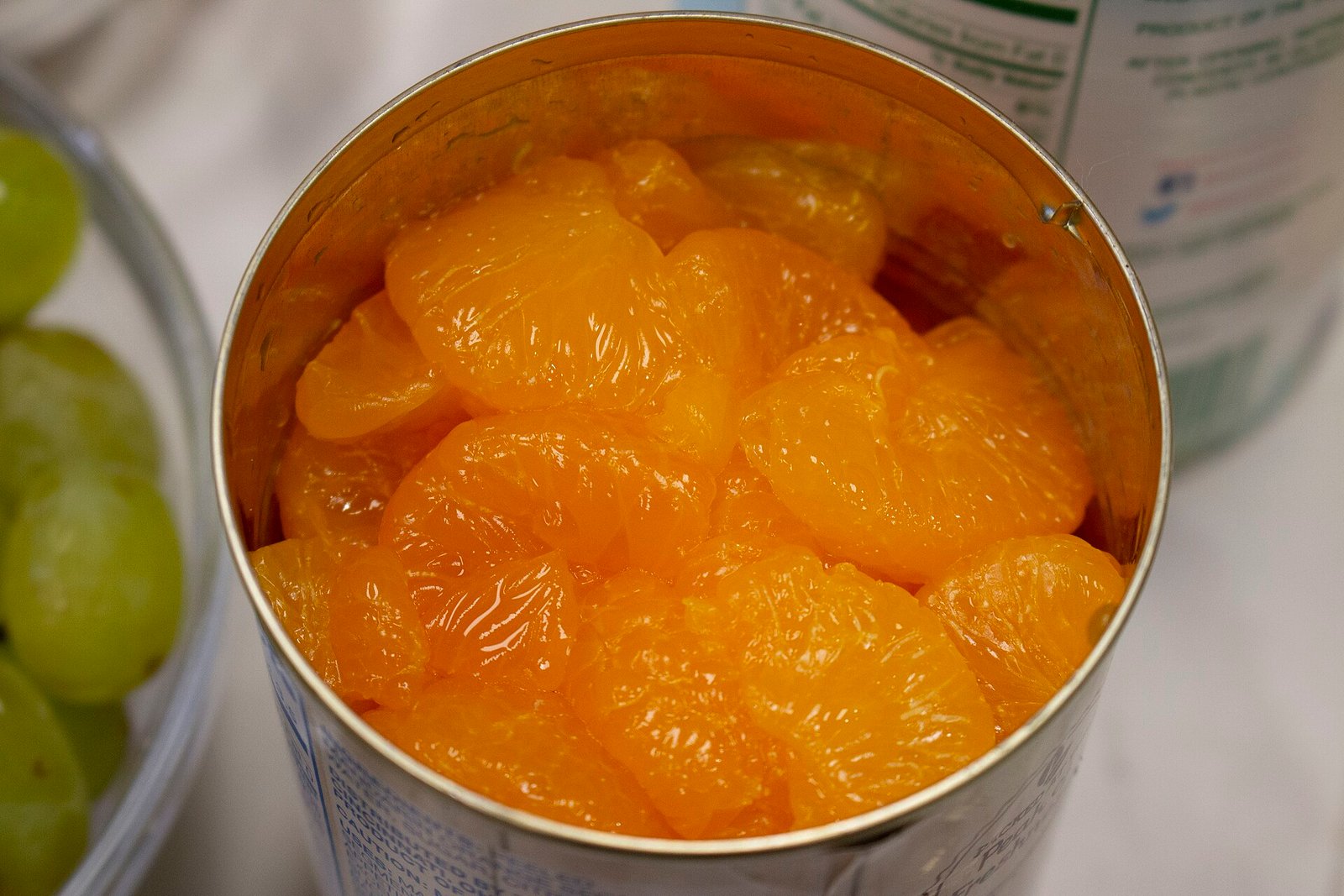
Making canning syrup at scale
Every cannery has its own system, but most follow the same basic steps:
- Weigh sugar and water for the target filling Brix, using the arithmetic above.
- Dissolve sugar for canning in a stirred tank. Warm water dissolves it faster.
- Add acid such as citric acid, if your recipe and process call for it.
- Filter the syrup to remove insolubles, string and bag fibres.
- Check Brix with a refractometer and adjust.
- Heat the syrup to filling temperature.
- Fill over the fruit, leaving the right headspace for your process.
- Seal and process according to your scheduled thermal process.
- Test cut-out Brix on finished product after it has equilibrated, and feed the results back to the syrup room.
Holding syrup hot for long periods darkens it, especially with acid present, so most canneries make syrup close to when it’s needed. Our article on sugar for syrup production goes deeper into dissolving, clarity and spoilage.
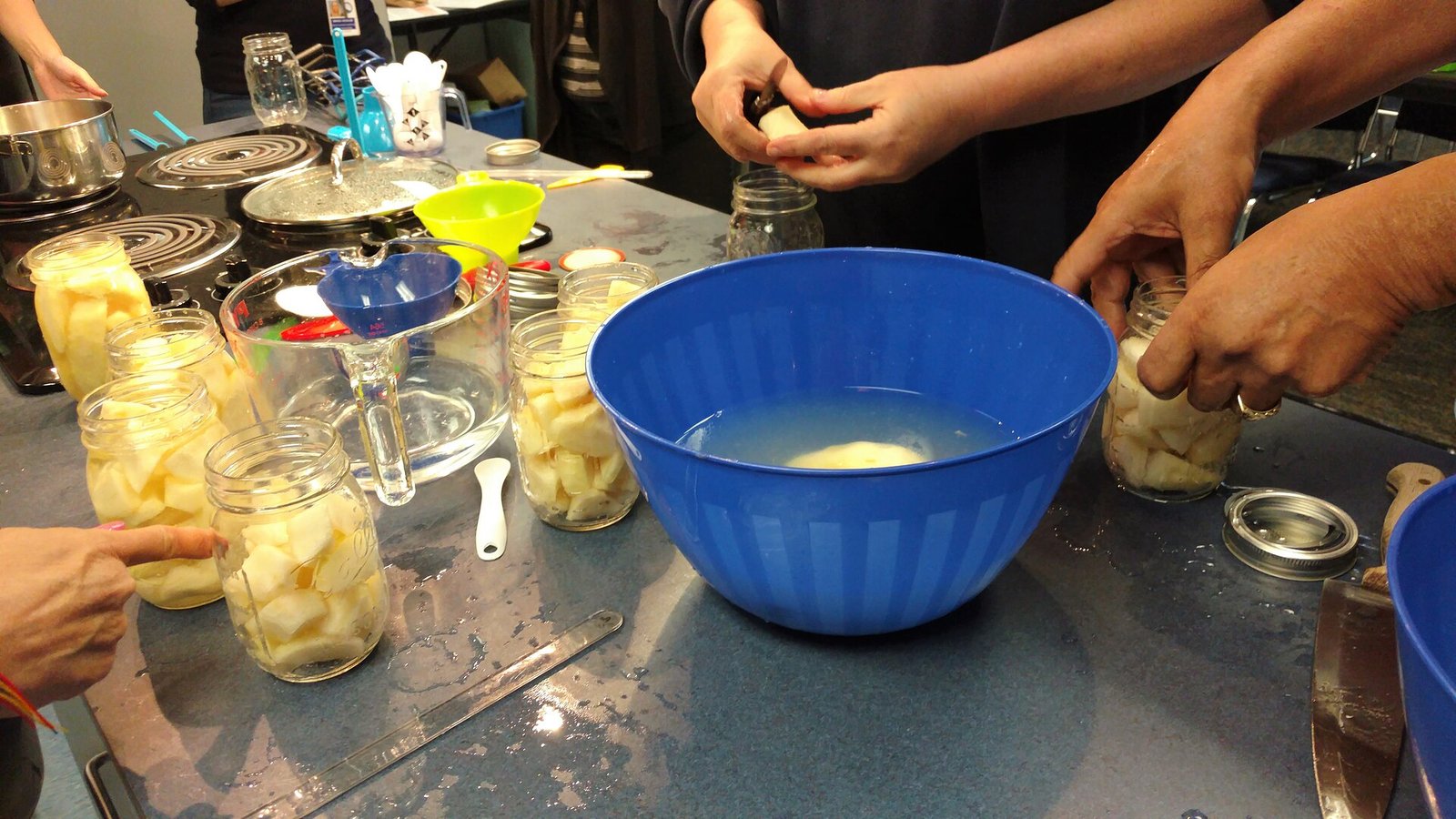
Quality control in the syrup room
Most label problems in canned fruit start in the syrup room, not in the field. A few habits keep sugar for canning working the way you expect:
- Calibrate refractometers every shift with distilled water and a known standard.
- Correct for temperature. Brix readings change with temperature. USDA’s cherry standard, for example, specifies readings expressed as percent by weight sucrose with correction for temperature to the equivalent at 20 °C. Use a temperature-compensated instrument or correct by hand.
- Record every batch: sugar lot, weights, water, Brix reading and time.
- Test cut-out Brix on finished cans after they’ve had time to settle, and adjust filling syrup when ripeness changes.
- Watch fill weights. Too much fruit and too little syrup pushes cut-out Brix down.
- Keep retained samples of each sugar lot until the products made from it are safely through their shelf life.
Good records also help when a customer or inspector asks how a batch was made. If you can trace a can back to the sugar for canning lot it used, a complaint is a quick check rather than a recall.
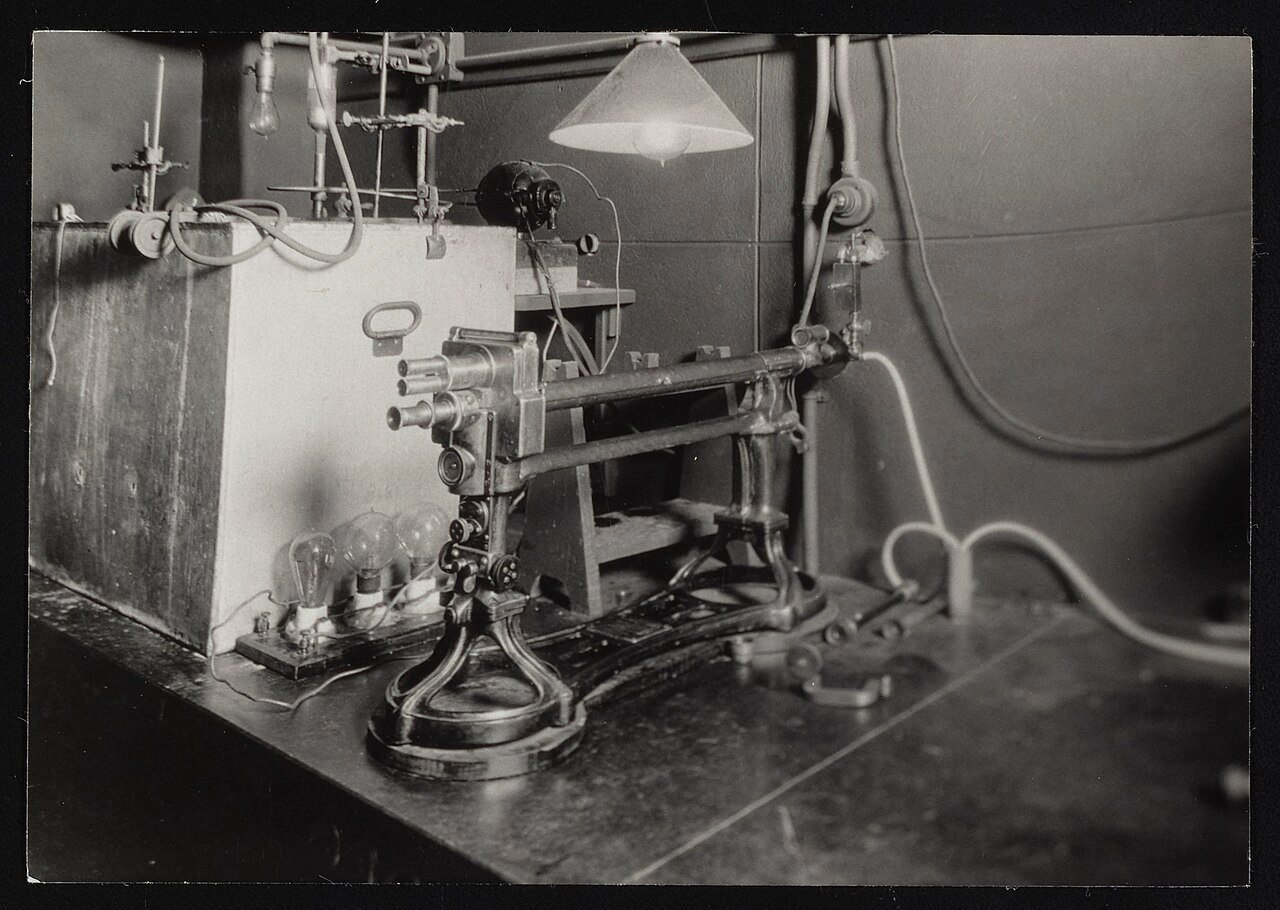
Lighter syrups and “in juice” packs
Many markets now want less added sugar. Canners respond with extra-light syrups, fruit in juice, and fruit in water. This changes how much sugar for canning you buy, but it rarely takes it to zero across a whole range.
The National Center for Home Food Preservation’s guidance reflects the same shift. Its syrup table includes a “very light” syrup that approximates the natural sugar content of many fruits. Cornell Cooperative Extension’s home canning table runs from very light at 10% sugar through light at 20%, medium at 30% and heavy at 40% to very heavy at 50%. Commercial canners work in Brix bands, but the idea is the same: match the syrup to the fruit and the market.
Our view as a supplier: even canneries that move most of their range to lighter packs usually keep heavy-syrup lines for sour fruit, for traditional markets and for export customers who expect them. Plan your sugar buying around the mix you actually sell, not the headline trend.
Sugar in other canned foods
Fruit isn’t the only canned product that needs sugar. Baked beans in tomato sauce, many tomato sauces and ketchups, some sweetcorn packs, pickles and relishes, chutneys and canned desserts all use sugar as part of the recipe. Here, sugar for canning is about flavour balance rather than a labelled syrup strength.
For these products, ICUMSA 100 or 150 often makes sense on cost, and raw brown sugar suits products meant to taste of brown sugar. Our article on sugar for sauces covers ketchups and cooking sauces in more depth.
Tropical fruit canneries
Pineapple, lychee, rambutan, longan, mango, papaya and jackfruit are canned in large volumes in tropical countries, mostly for export. These canneries face a few extra challenges with sugar for canning:
- Heat and humidity. Sugar stored in a hot, humid shed takes up moisture and cakes. A dry, ventilated store makes a big difference.
- Delicate colour. White lychee and rambutan flesh shows any tint in the syrup, so clean, low-colour sugar matters even more.
- Export labels. The same fruit may go to several countries with different syrup names and bands, so the syrup room may run several Brix targets in one week.
- Long supply lines. Many tropical canneries import their sugar, so planning ahead for the season is essential.
For these plants, a reliable container supply of ICUMSA 45 sugar for canning, timed to the harvest, is usually worth more than chasing the lowest price on each lot.
Export canners: meeting buyer specifications
If you sell canned fruit to supermarket chains or importers, your customers will often send their own product specification. It may set the syrup name and Brix band, the drained weight, the fruit grade and the ingredients allowed. Some buyers also ask for the sugar specification and certificates behind it.
Three practical points for exporters buying sugar for canning:
- Match your sugar spec to your strictest customer. It’s simpler to run one clean grade than to switch grades by order.
- Keep certificates on file. A certificate of analysis for every lot, plus origin and inspection documents, answers most buyer questions quickly.
- Know the destination rules. Syrup names and Brix bands differ by country, and the Codex draft itself left some names to the custom or legislation of the importing country.
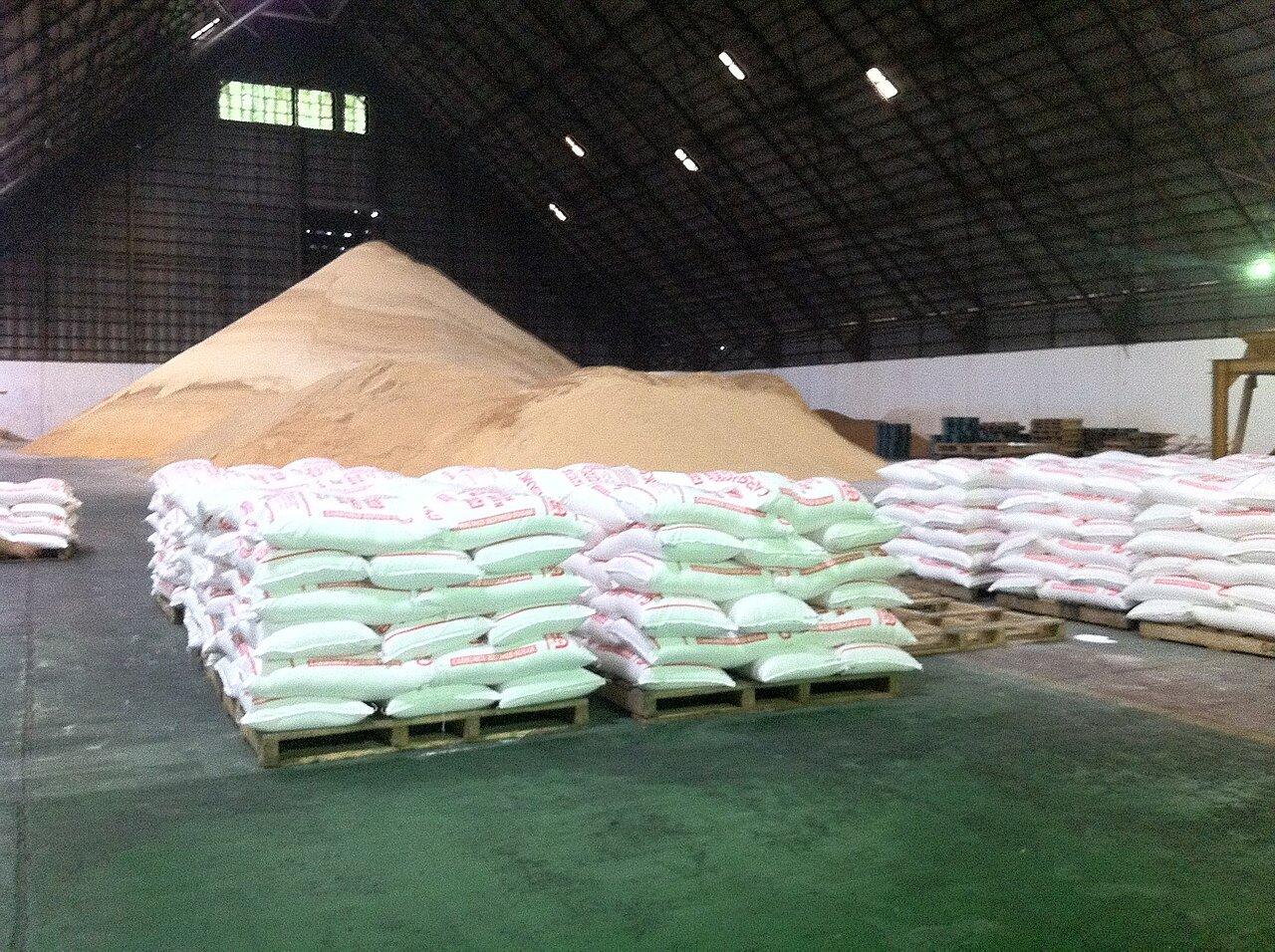
Who buys sugar for canning in bulk
- Fruit canneries packing peaches, pears, apricots, pineapple and fruit cocktail.
- Tropical fruit processors packing lychees, rambutans, mango and jackfruit in syrup.
- Citrus segment canners packing mandarin and orange segments.
- Jar packers making premium bottled fruit.
- Vegetable and bean canners using sugar in sauces and brines.
- Co-packers who pack for several brands and need flexible supply.
- Food distributors who supply smaller canneries and preserve makers.
Most of them share one problem: demand for sugar for canning arrives all at once, at harvest. Plan supply before the season starts.
Planning sugar supply around the harvest
Fruit doesn’t wait, and neither does demand for sugar for canning. When peaches ripen, the cannery runs flat out for weeks, and if the sugar runs out, the line stops and fruit is lost. A few practical points from the supply side:
- Order before the season. Ocean freight takes weeks, plus clearance and inland transport. Place orders well before the first fruit arrives.
- Hold a buffer. Fruit ripeness changes how much sugar you need. A small buffer covers a stronger-than-expected syrup demand.
- Split shipments. Several containers timed through the season reduce storage needs and risk.
- Agree the specification in advance. A season is not the time to discover a new supplier’s sugar behaves differently.
- Store it well. A canning plant is wet and steamy. Keep sugar for canning in a separate dry store.
Our guide to buying sugar in bulk covers contracts and delivery schedules.
Storing bulk sugar in a cannery
- Dry store away from retorts, steam lines and wash-down areas.
- Off the floor on clean pallets, away from walls.
- Away from smells such as fuel, cleaning chemicals and spices.
- Steady temperature to avoid condensation inside bags.
- First in, first out, with lot numbers recorded for traceability.
- Jumbo bags over the syrup tank save labour and reduce dust compared with cutting dozens of 50 kg bags.
Our guides to sugar in bulk and industrial sugar cover bulk handling.
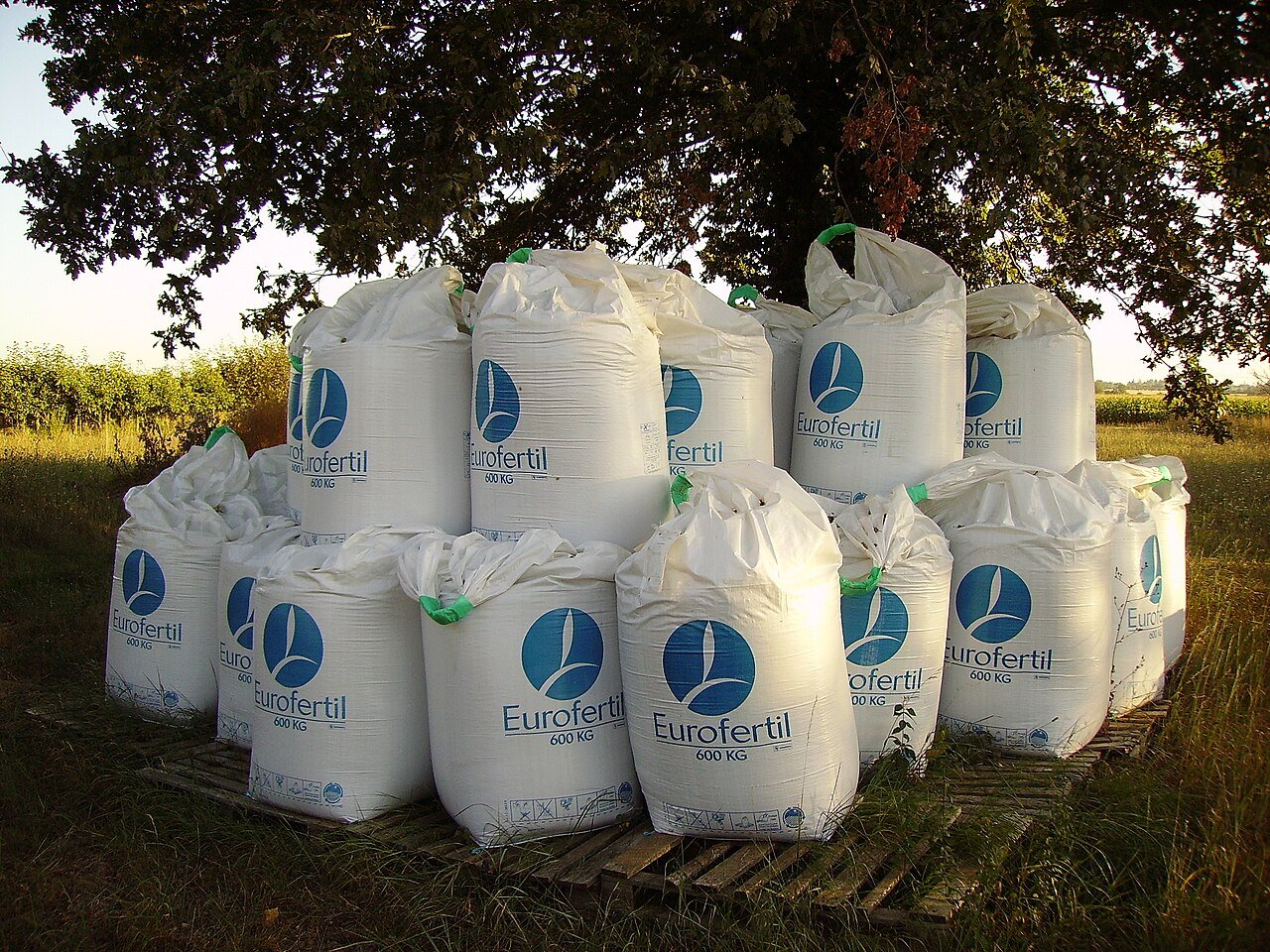
The specification to put in your contract
When a cannery buys sugar for canning from us, these are the points that matter most. Our standard ICUMSA 45 figures are shown.
| Parameter | Our ICUMSA 45 | Why it matters in canning |
|---|---|---|
| Colour | 45 IU max | Clear syrup, bright fruit |
| Polarization | 99.80% min | Predictable Brix and sweetness |
| Moisture | 0.04% max | Accurate weighing, stores well |
| Ash | 0.04% max | Clean taste |
| Insolubles | By contract | No haze or sediment in jars |
| Microbiology | By contract | Lower load into syrup tanks |
Ask for a certificate of analysis with every lot of sugar for canning.
Checking sugar for canning on arrival
Our practical routine, not an official method:
- Match documents to the cargo: container and seal numbers, lot numbers, certificate of analysis. Our articles on the sugar certificate of origin and the sugar HS code explain the paperwork.
- Inspect bags for wet patches, tears, smells and lumps. Photograph damage before unloading further.
- Make a test syrup at your usual filling Brix. It should be clear and bright, with no specks or odd smell.
- Let it stand and check for sediment.
- Record the lot and keep a retained sample.
What drives the delivered price of sugar for canning
- World white sugar price, which moves with harvests in Brazil, India and Thailand, with energy prices and with currencies. Our articles on Brazilian sugar, Thai sugar and Indian sugar explain the origins.
- Grade: ICUMSA 35 costs more than 45, which costs more than 100 or 150.
- Packing: jumbo bags usually cost less per tonne than 50 kg bags.
- Freight, import duty and taxes, which vary a lot by country.
- Timing: buying in the rush before harvest usually costs more than buying on a plan.
Our guides to sugar import prices, sugar wholesale prices and wholesale food sugar walk through the numbers.
7 tips for buying sugar for canning
1. Buy for colour
Pale fruit sells on looks. ICUMSA 45, or 35 for premium jars.
2. Plan around cut-out Brix
Your filling syrup must be stronger than your label band. Budget sugar accordingly.
3. Order before harvest
Freight takes weeks. Don’t let the line stop.
4. Keep a buffer
Fruit ripeness changes how much sugar you need.
5. Filter your syrup
Insolubles show up in glass jars.
6. Use cheaper grades only where colour is hidden
Sauces, dark fruit and beans can take ICUMSA 100 or 150.
7. Check who you’re buying from
Sugar trading attracts fake offers. Read our articles on what a real sugar logistics supplier handles, choosing a global sugar exporter and spotting a real sugar trader.
Common mistakes with sugar for canning
- Filling at the label Brix. The cut-out will come in low.
- Overfilling with fruit. Less syrup means a lower cut-out Brix.
- Holding hot syrup too long. It darkens.
- Using high-colour sugar on pale fruit. The syrup looks tired.
- Running out mid-season. Order early and hold a buffer.
- Storing sugar near the retorts. Steam and heat cause lumps.
How to order sugar for canning from us
- Send your enquiry: grade, quantity, packing, destination port and your season dates. Use our contact page.
- Get a quotation with price, specification, packing, Incoterm, shipping window and documents.
- Agree the contract in writing, including split shipments if you need them.
- Inspection and loading by SGS or an equivalent agency.
- Documents: bill of lading, commercial invoice, packing list, certificate of analysis, inspection report, certificate of origin and phytosanitary certificate.
- Arrival: clear the cargo, check it and move it into dry storage.
Our shipping policy and FAQs cover timing, payment and claims.
Sugar for canning compared with other uses
Jam makers use far more sugar per kilo of product and rely on it for setting and preservation; see sugar for jam. Syrup makers care about clarity and microbiology; see sugar for syrup production. Drinks plants care about colour and floc; see sugar for soft drinks. Dairies care about microbiology; see sugar for dairy.
Canneries sit closest to syrup makers. They need clean, clear syrup at a precise strength, delivered on time for a short, intense season. That’s why the usual sugar for canning is a well-refined white sugar bought on a seasonal plan. Our bulk refined sugar and bulk white sugar articles cover buying it by the tonne.
Frequently asked questions about sugar for canning
What is the best sugar for canning fruit?
Refined ICUMSA 45 white sugar. It makes a clear syrup that keeps pale fruit bright. ICUMSA 35 suits premium glass jars.
What does “light syrup” mean on a can?
In many markets it means a set Brix band. For US fruit cocktail, light syrup is 14 to under 18 °Brix and heavy syrup is 18 to under 22 °Brix. Other fruits and countries use different bands.
Why is the syrup in the can weaker than the syrup I filled?
Sugar moves into the fruit and water moves out until they balance. The cut-out Brix measured after equilibrium is lower than your filling syrup.
When is cut-out Brix measured?
US FDA guidance looks at the average Brix measured 15 or more days after canning.
Is sugar needed to keep canned fruit safe?
No. Properly processed fruit can be canned in water. Sugar is for flavour, colour and texture.
How much sugar does a cannery use?
It depends on volume, fill ratio and syrup strength. A 30 °Brix filling syrup holds 300 kg of sugar per tonne of syrup.
Can I use brown sugar in canned fruit?
Yes, for products meant to taste of brown sugar, but name the syrup correctly under your local rules and expect more sediment.
Is cane or beet sugar better for canning?
Refined white sugar from either source is almost pure sucrose. We supply cane sugar for canning.
Should I buy 50 kg bags or jumbo bags?
If you have a hoist or bag discharger over your syrup tank, 1 MT jumbo bags are faster and usually cheaper per tonne.
How far ahead should I order for the season?
Allow for ocean freight, clearance and inland transport, which together can take weeks. Order well before your first fruit arrives.
How long does bulk sugar keep?
Refined white sugar for canning kept dry, clean and at a steady temperature keeps a long time.
Where do you ship?
We ship sugar for canning worldwide by container on FOB or CIF terms. Tell us your port and we’ll quote.
Get a quote for sugar for canning
If you run a cannery or food packing business and want a steady, well-timed supply of clean refined cane sugar, we’d be glad to quote. Tell us the grade, quantity, packing, your port and your season dates, and we’ll come back with price, documents and a shipping window. Contact us here or browse all our sugar products.
Sources and References
- 21 CFR 145.3: Definitions for canned fruits, including sugar and Brix
- 21 CFR 145.135: Canned fruit cocktail, including packing media (Cornell LII)
- 7 CFR 52.773: Liquid media and Brix measurements for canned red tart pitted cherries
- US FDA Compliance Policy Guide 550.800: Standardized canned fruit, declaration of packing medium
- FAO/WHO Codex: proposed draft guidelines for packing media for canned fruits
- National Center for Home Food Preservation: Preparing and using syrups for canning fruit
- Cornell Cooperative Extension: syrups for canning fruit