

Sugar for meat curing is the sucrose (white or brown cane sugar) that meat processors add to dry cures, brines and injection pickles for bacon, ham, corned beef, sausages and other cured meats. Sugar softens the harsh taste of curing salt, adds flavour, helps surface colour and browning, and feeds the bacteria that develop flavour in long cures. For brines and injection, the best sugar for meat curing is a clean, fast-dissolving refined white sugar such as ICUMSA 45. For brown-sugar cures and glazes, a raw brown cane sugar gives colour and flavour. We sell sugar for meat curing in 50 kg bags and 1 MT jumbo bags to meat plants, butchers’ suppliers and cure blenders, shipped by container worldwide.
This guide is for people who buy sugar by the tonne for meat processing: bacon and ham plants, sausage makers, smokehouses, cure and seasoning blenders, and the distributors who supply butchers. It covers what sugar actually does in a cure, what the rules say, which grade suits which product, how much sugar a plant really uses, and how to buy bulk sugar at a sensible delivered price. We link to official food safety agencies and university extension services for the facts. Where something is our own view as a sugar supplier, we say so. We’re not meat scientists, and nothing here replaces your own process authority, HACCP plan or local regulations, especially on nitrite.
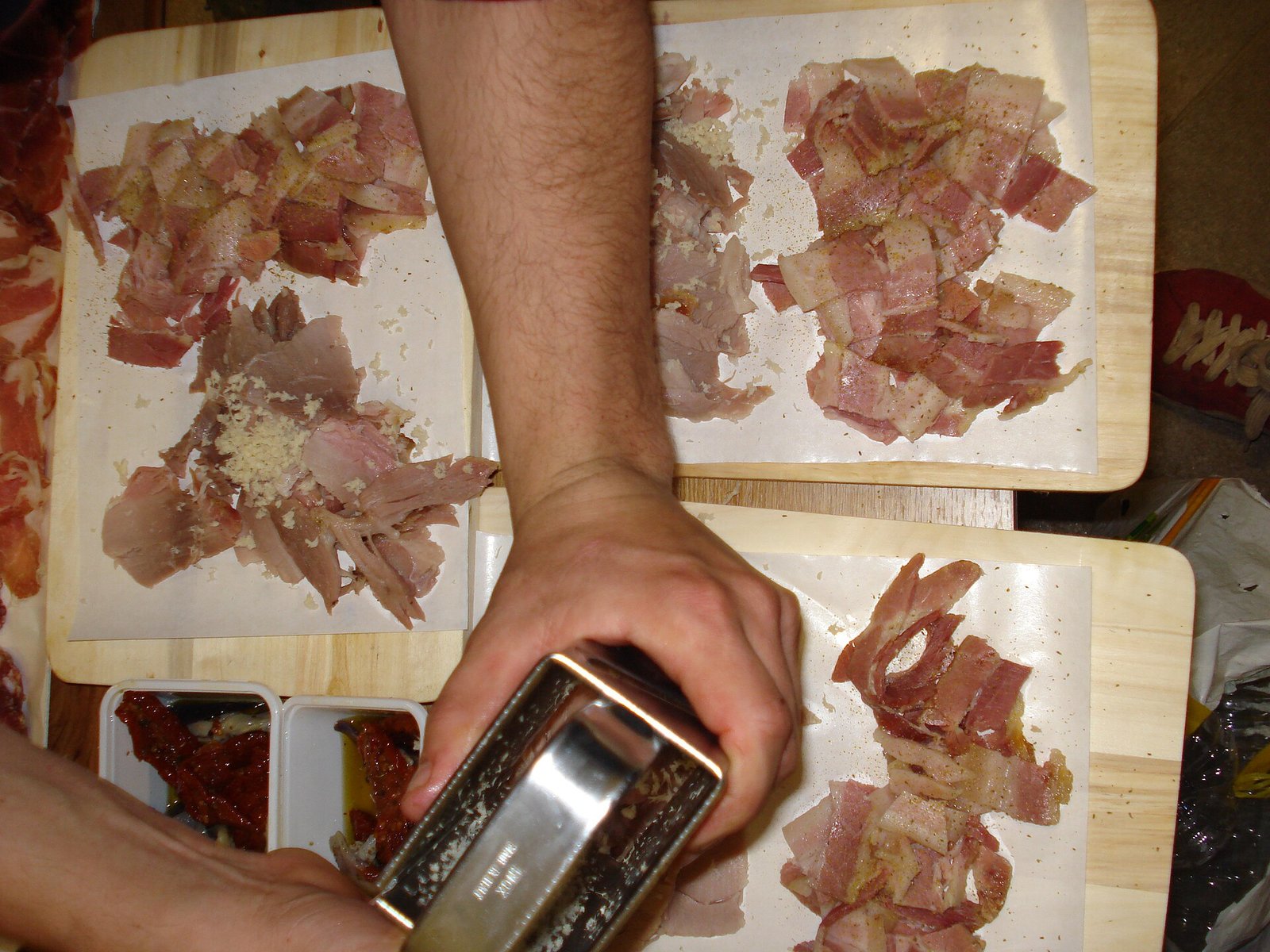
Sugar for meat curing: what we sell
These are the grades meat processors and cure blenders buy from us. Each product page has the full specification sheet, packing details and documents.
- Refined ICUMSA 45 sugar: colour 45 IU max, polarization 99.80% min, moisture 0.04% max, ash 0.04% max. Our standard sugar for meat curing in brines, injection pickles and dry-cure blends. Dissolves clean and fast.
- Crystal white sugar: refined white cane sugar, polarization 99.8% min, even fine-to-medium crystals. Mixes evenly with salt and spices in dry rubs and cure premixes.
- Raw brown cane sugar Grade E: ICUMSA 600 to 1200. For brown-sugar bacon, glazed hams and cures where colour and a cane flavour are part of the product.
- Cane sugar ICUMSA 100 and ICUMSA 150 white sugar: lower-cost white sugars for dark cures, smoked products and sausages where a slight tint doesn’t matter.
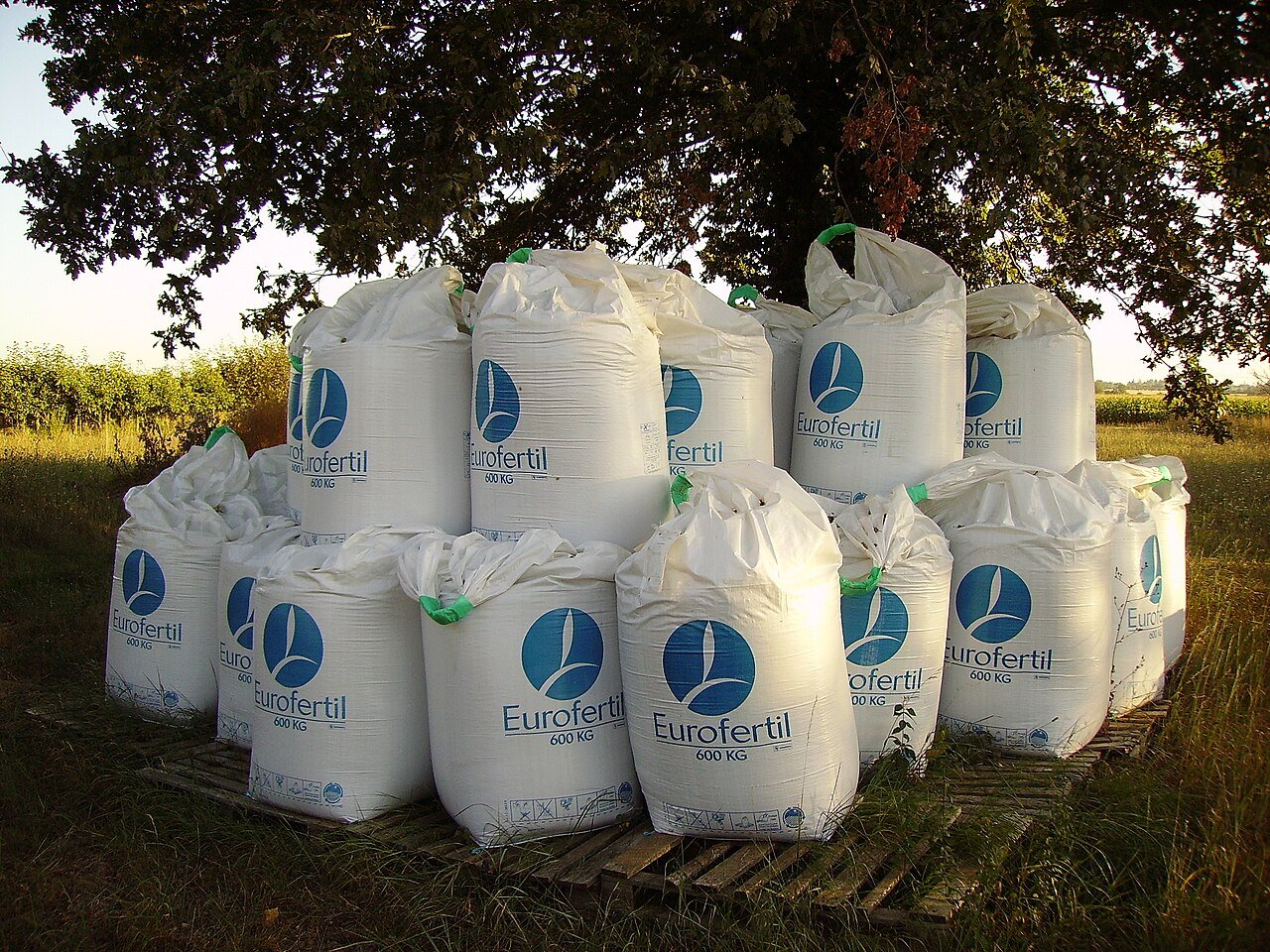
Packing: 50 kg PP bags with inner PE liner, or 1 MT jumbo bags. Shipping: 20 ft containers, about 25 MT each. Terms: FOB or CIF your port. Documents: SGS or equivalent inspection, certificate of analysis, certificate of origin and phytosanitary certificate. Ask for a quote on sugar for meat curing.
Every grade we carry is on our products page.
What curing is, and where sugar fits
The National Center for Home Food Preservation at the University of Georgia defines curing as the addition to meats of some combination of salt, sugar, nitrite and/or nitrate for preservation, flavour and colour. Salt and nitrite do most of the preserving. Sugar’s job is mostly about taste, colour and the way the product eats.
The US Food Safety and Inspection Service (FSIS) puts it in one sentence in its consumer guide to bacon: sugar is added to reduce the harshness of salt. The same guide notes that for immersion-cured bacon, sugar, honey or maple syrup may be added to the brine.
The cured products that use sugar for meat curing include:
- Bacon, pumped, immersion-cured or dry-cured.
- Hams, both injected cooked hams and dry-cured country-style hams.
- Corned beef, pastrami and cured beef.
- Cooked sausages such as frankfurters, bologna and luncheon meats.
- Fermented sausages such as salami and summer sausage.
- Cured and smoked poultry, such as turkey ham and smoked chicken.
- Cured and smoked fish, where many brines also carry sugar.
Each of these uses sugar slightly differently, which is why the right sugar for meat curing depends on the product.
Who buys sugar for meat curing in bulk
The buyers in this market are more varied than people expect. The ones we hear from most often are:
- Bacon and ham plants running injection and tumbling lines, where sugar goes into brine every shift.
- Sausage and deli meat factories making frankfurters, bologna, luncheon meats and cooked hams.
- Dry-cured and fermented product makers producing salami, country hams and air-dried meats.
- Smokehouses curing pork, beef, poultry and fish.
- Cure and seasoning blenders who sell ready-mixed cures to butchers and small plants.
- Food ingredient distributors who supply sugar for meat curing alongside salt, phosphates and spices.
- Large butchery chains with central production kitchens.
Each of them buys sugar for meat curing for the same reasons: a steady specification, a fair delivered price and a supply that doesn’t run out in the middle of a busy season such as the run-up to holiday ham sales.
What sugar does in a cure
Oklahoma State University’s extension fact sheet on meat curing is one of the clearest short summaries. It says sugar (sucrose) serves several important purposes in cured meat: it adds flavour and offsets the harshness of salt. Here is how those functions work in practice.
1. Balancing the salt
Curing uses a lot of salt. Without something to round it off, a cured ham tastes sharp and harsh. A small amount of sugar for meat curing takes that edge off. The FSIS meat labelling training material says that, because of the tremendous amount of salt used, sugar serves to reduce the harshness of the salt in cured meat and poultry.
2. Flavour
In most cured meats you don’t really taste sugar as sweetness. Bacon is the exception. The same FSIS module notes that bacon has a distinctly sweet taste after frying. Sweet products such as honey-cured ham and some bolognas rely on sugar for their character.
3. Colour and browning
Sugar browns when it’s heated, and that helps the surface colour of fried bacon, roasted hams and smoked products. Oklahoma State notes that sugar provides a surface colour characteristic of aged ham if caramelised sugar is used. Too much sugar, though, means bacon burns quickly in the pan, which is one reason processors keep levels modest.
4. Food for flavour bacteria
In long, traditional cures, sugar feeds the bacteria that build cured flavour. The NCHFP review notes that sugar feeds flavour-producing bacteria during long cures. In fermented sausages, sugar is essential, as we explain further down.
What sugar doesn’t do
Sugar is not the preservative in a modern cure, and it is not a substitute for nitrite or proper salt levels. Food safety in cured meat comes from salt, nitrite, temperature control, drying, smoking and cooking, managed under a proper process. Sugar for meat curing makes the product taste and look right. It doesn’t make it safe on its own.
What the rules say about sugar in cured meat
Rules differ by country, but they tend to treat sugar as a normal, permitted ingredient that has to be declared on the label. US federal meat regulations are a useful example because they’re published in full. Under 9 CFR 424.22, the substances that may be added to meat under appropriate declaration include common salt, approved sugars (sucrose, cane or beet sugar), maple sugar, dextrose and invert sugar.
There’s no fixed maximum for sugar. The FSIS training module lists the amount permitted for sugar (sucrose) or dextrose, and brown sugar, as “sufficient for purpose”. Oklahoma State makes the practical point that the amount of sugar used is self-limiting because of its sweetening power. Put in too much and the product just tastes wrong.
Nitrite is a different story and is tightly controlled. For example, FSIS states that in dry-cured bacon added sodium nitrite cannot exceed 200 parts per million, and in pumped and immersion-cured bacon it cannot exceed 120 ppm. That’s not a sugar issue, but anyone formulating cures needs to know it. Always follow your own country’s limits.
Check your national rules for:
- How sugar must be named on the ingredient list.
- Whether claims such as “honey cured”, “maple” or “brown sugar” require a minimum amount of that ingredient.
- Rules on nitrite, nitrate and cure accelerators.
- Import rules and duties for bulk sugar. Our article on the sugar HS code helps with classification.
Which grade of sugar for meat curing to buy
Oklahoma State notes that both brown and white sugars can be used, and the sugars most often used are sucrose, cane sugar, dextrose and invert sugar. Within that, the grade you choose depends on how you cure.
Brines and injection: ICUMSA 45
Most bacon and cooked ham today is made by injecting a brine through rows of fine needles. That brine has to be clean. Undissolved sugar, fibres or grit can block needles and filters, and dirty brine is a hygiene risk. A refined ICUMSA 45 dissolves quickly and leaves a clear brine, which is why it’s our standard recommendation as sugar for meat curing in injection lines. Our guides to food grade ICUMSA 45 sugar and industrial ICUMSA 45 sugar explain the grade.
Dry cures and rubs: crystal white
For dry-cured bacon, country hams and rubs, sugar is mixed with salt, cure and spices and rubbed onto the meat. Here, a fine, even crystal blends evenly and doesn’t separate from the salt in the bag. Crystal white sugar works well.
Brown-sugar products: raw brown cane sugar
Brown-sugar bacon, glazed hams and some sweet smoked products use brown sugar for colour and flavour. Our raw brown cane sugar gives a natural cane colour and flavour. A practical note: raw brown sugar carries more moisture and non-sugar matter than white sugar, so it can cake in storage and leave more sediment in brines. Many plants use it for rubs and glazes and keep white sugar for injection. Check your local labelling rules on what you can call “brown sugar”. Our bulk brown sugar article covers handling.
Dark cures and sausages: ICUMSA 100 or 150
For smoked sausages, dark cures and products where colour is hidden anyway, ICUMSA 100 or ICUMSA 150 can lower cost. Run a trial first, because higher-colour sugar also carries slightly more ash. Our ICUMSA 150 sugar page explains the grade.
What about dextrose?
Many meat processors also use dextrose (glucose), especially in fermented sausages. We sell sucrose, not dextrose, so we’ll be honest: for some fermented products dextrose is the better choice, and we explain why below. For brines, bacon, ham and most cooked products, cane sugar for meat curing does the job well and usually costs less.
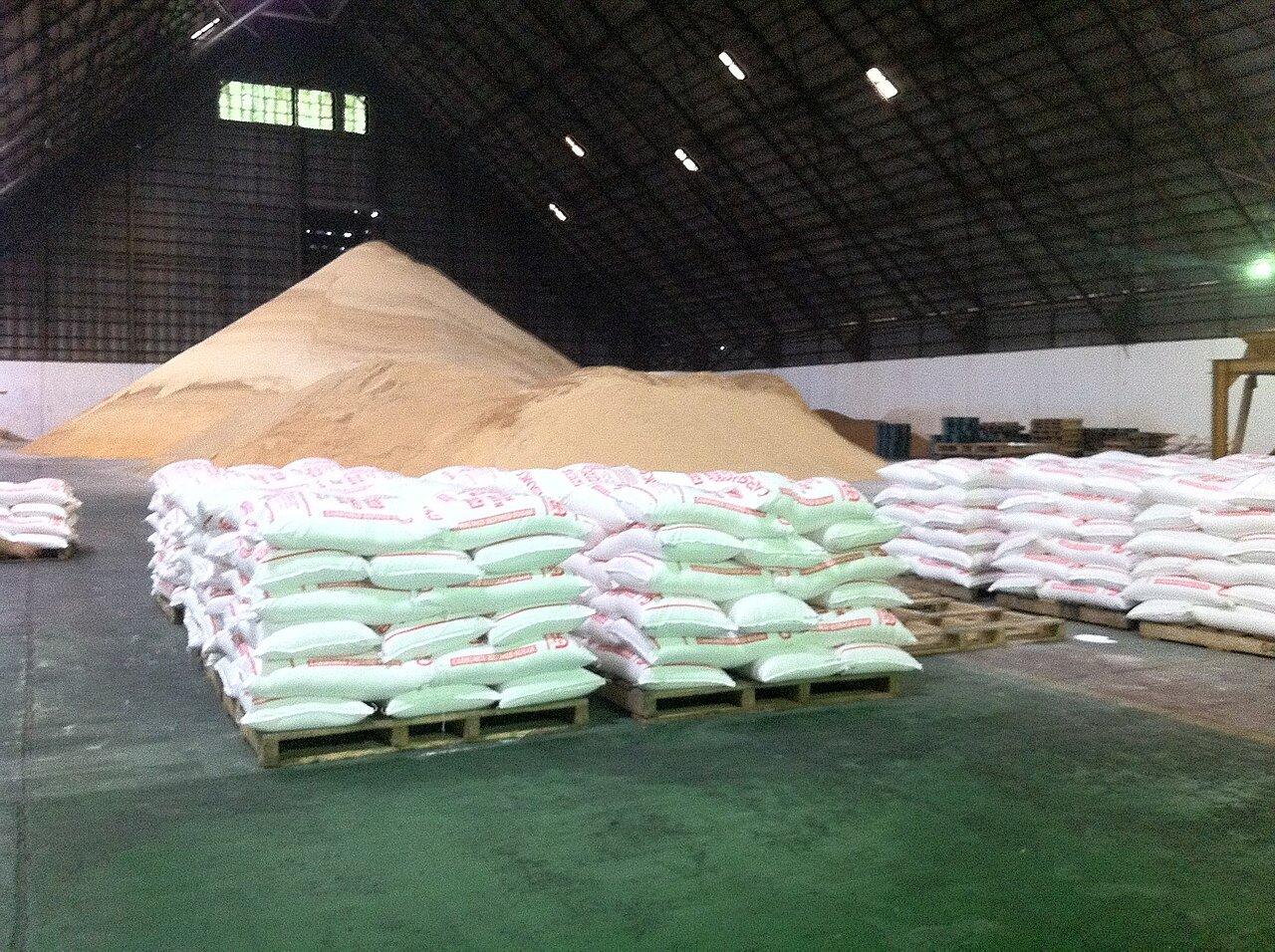
How much sugar for meat curing does a plant use?
Levels of sugar for meat curing in finished products are low, usually somewhere around a fraction of a percent to a few percent of the finished product. That sounds small, but meat plants process a lot of meat, so the tonnage adds up.
Salt-to-sugar ratios in dry cures
Traditional dry cures show the proportions. Oklahoma State’s time-tested dry-curing formula uses 8 lb of salt to 3 lb of sugar, plus measured nitrate and nitrite. In other words, about three parts sugar to eight parts salt. The same fact sheet suggests a salt concentration of two to three percent in the product is about right for most tastes. We’re quoting the salt and sugar ratio only. Nitrite and nitrate must always be measured exactly from a commercial cure and your regulations, never guessed.
Brine arithmetic
For injected products, the sugar in the finished meat depends on the sugar in the brine and how much brine is pumped in. Here are our own worked examples.
| Sugar in brine | Pump level (brine added to green weight) | Approx. sugar in product |
|---|---|---|
| 3% | 10% | about 0.3% |
| 5% | 10% | about 0.5% |
| 5% | 20% | about 0.8% |
| 8% | 20% | about 1.3% |
The “approx. sugar in product” column is simply sugar in brine multiplied by pump level, divided by the total weight after pumping. It ignores drip loss and cooking loss.
Tonnes per year
Again, our own illustration, not industry data:
| Cured product made per year | Average sugar level | Sugar needed | 20 ft containers (25 MT) |
|---|---|---|---|
| 1,000 MT | 0.5% | 5 MT | 0.2 |
| 5,000 MT | 1% | 50 MT | 2 |
| 20,000 MT | 1% | 200 MT | 8 |
| 50,000 MT | 1.5% | 750 MT | 30 |
Smaller plants rarely need a full container on their own. That’s where cure and seasoning blenders come in: they buy sugar for meat curing by the container and sell finished cure mixes to hundreds of butchers and small processors. If that’s your business, our guide to sugar for repacking covers the supply side of breaking bulk.
Sugar in bacon
Bacon is the product where sugar matters most to the consumer, because it’s the one where you can taste it. FSIS describes the methods: pumped bacon has cure injected, immersion-cured bacon sits in brine, and dry-cured bacon has a premeasured amount of cure mixture applied or rubbed onto the belly surfaces.
A few practical points about sugar for meat curing in bacon, from the supply side:
- Pumped bacon needs clean, fully dissolved sugar in the brine. ICUMSA 45 is the safe choice.
- Dry-cured bacon usually uses a salt, sugar and cure rub. Crystal white blends evenly; raw brown gives a “brown sugar” style.
- Frying behaviour matters. More sugar means faster browning and more risk of burning. Many processors tune sugar levels with frying tests.
- Glazes and toppings for specialty bacon often use brown sugar for colour and a caramel note.
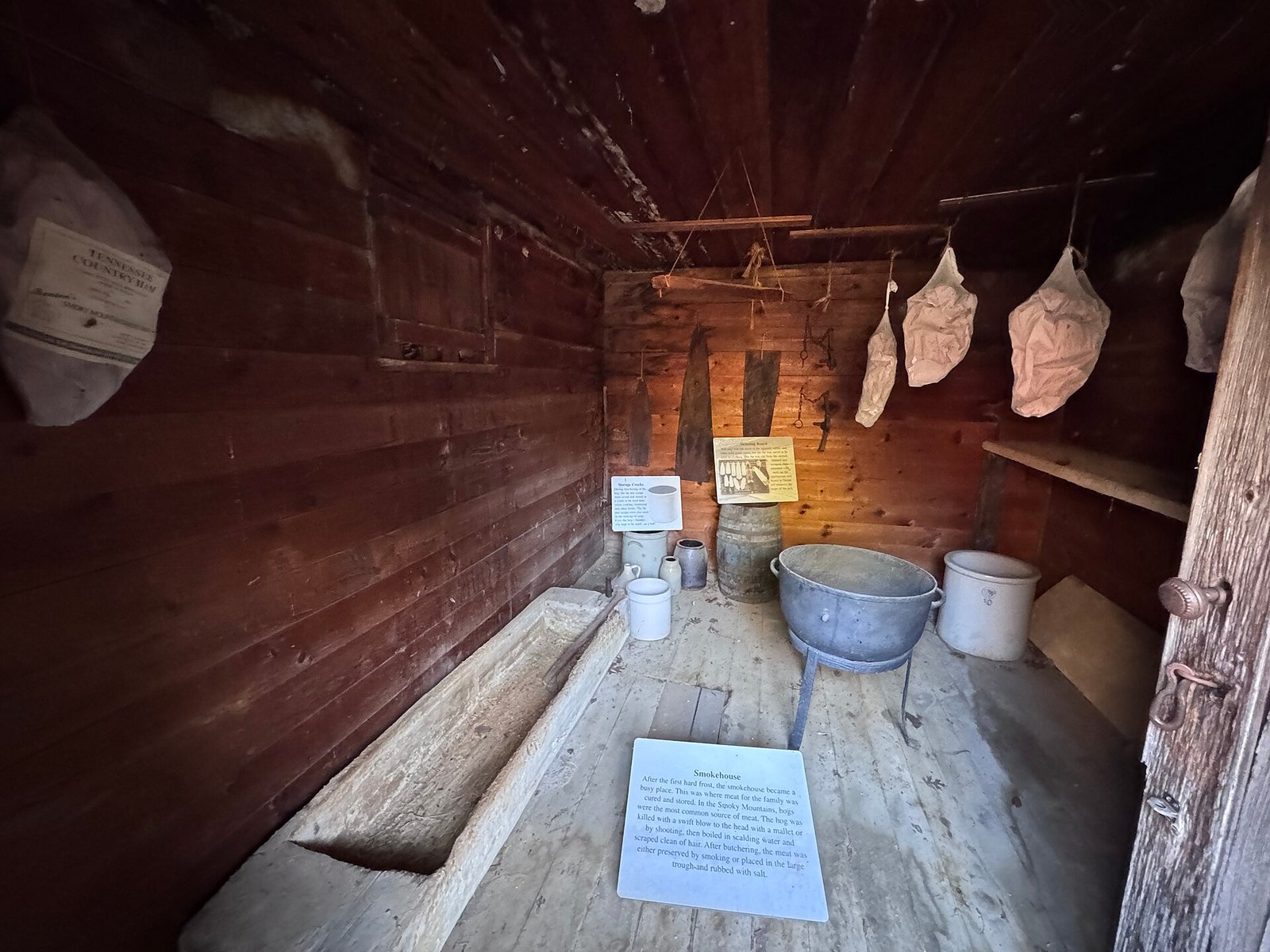
Sugar in ham
Ham is cured pork leg, made either by injecting brine (most cooked hams) or by rubbing on a dry cure (country hams, prosciutto-style hams). The FSIS ham fact sheet lists brining ingredients that can include salt, sugar, sodium nitrite, sodium nitrate, sodium erythorbate, sodium phosphate, potassium chloride, water and flavourings. It also notes that dry curing draws out so much moisture that it reduces ham weight by at least 18%, usually 20 to 25%, which concentrates the flavour.
That weight loss matters when you calculate sugar. In a dry-cured ham, whatever sugar you rub on stays while water leaves, so the sugar level in the finished ham is higher than in the raw leg. In a cooked injected ham, sugar for meat curing is usually lower and mainly balances salt and helps the surface colour when the ham is roasted or glazed.
Glazed hams
Holiday and deli hams are often finished with a sugar glaze, sometimes brown sugar with honey, mustard or spices. Glazes use a lot more sugar per kilo of surface than the cure itself, and they’re where brown and raw sugars earn their place.
Sugar in fermented sausages
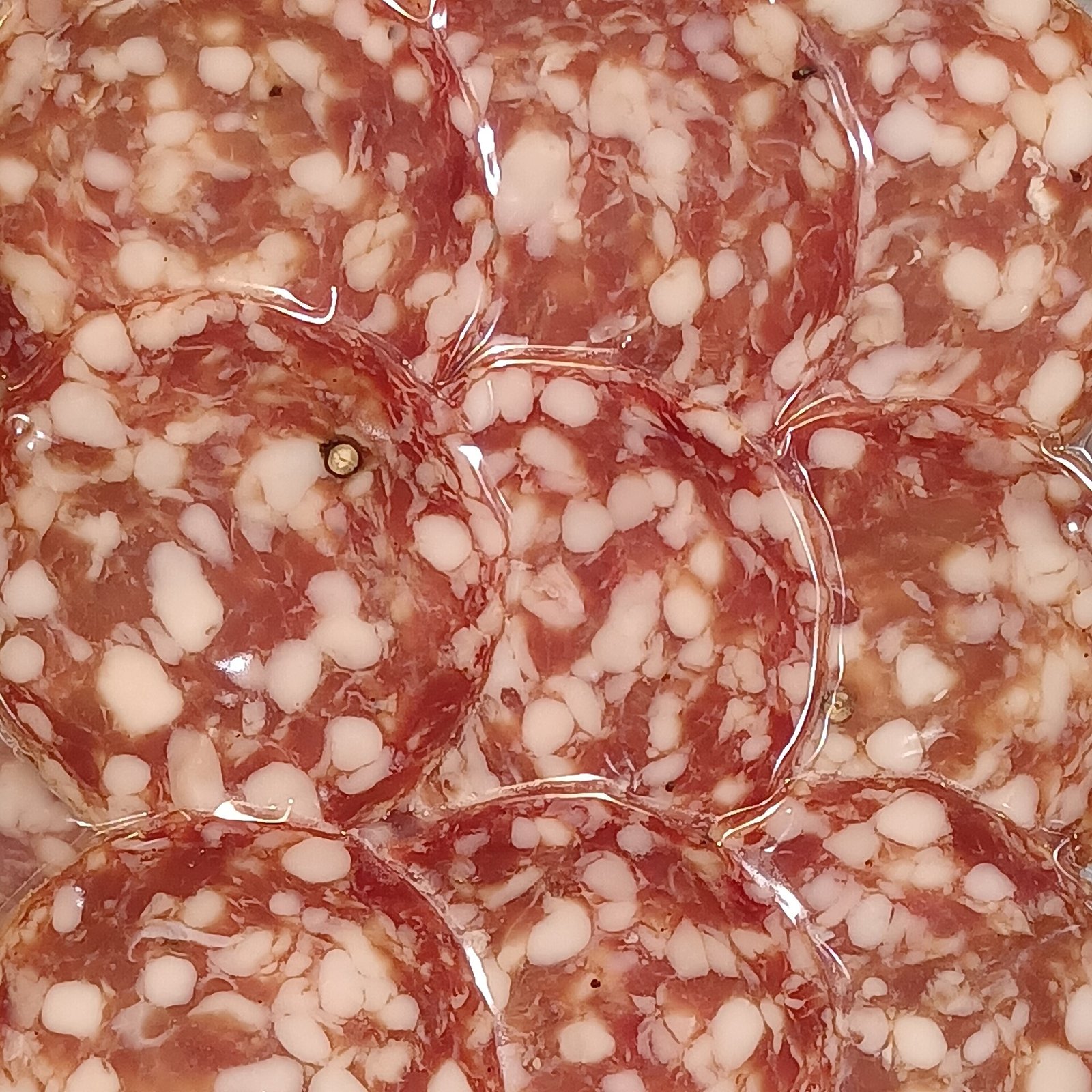
In fermented sausages such as salami, pepperoni and summer sausage, sugar isn’t just flavour. It’s the fuel for fermentation. Lactic acid bacteria in the meat or in an added starter culture eat the sugar and make lactic acid, which lowers the pH, firms the texture and helps make the product safe and stable as it dries.
A US patent on meat starter cultures describes the established practice: Lactobacillus and Pediococcus cultures are used for meat fermentations with added dextrose to produce lactic acid, and these cultures are also able to ferment available sucrose. That’s the key point for buyers. Most meat cultures will use sucrose, but some are chosen for dextrose only, and dextrose is often used for fast, predictable acid production.
Our honest advice: in fermented sausages, follow your starter culture supplier’s instructions on which sugar to use and how much. Where sucrose suits the culture, our sugar for meat curing works well and costs less than many dextrose products. Where the culture needs dextrose, use dextrose for the fermentation and our sugar for flavour and balance.
Sugar in cooked sausages, corned beef and poultry
Frankfurters, bologna and luncheon meats usually carry a small amount of sugar to round out the flavour. Some regional products are deliberately sweet. The NCHFP review mentions sweet Lebanon bologna as an example of sugar adding sweetness while countering salt.
Corned beef and pastrami brines often include some sugar for balance. Cured and smoked turkey and chicken products, which are leaner and milder than pork, often use sugar for meat curing to keep the salt from dominating. In all of these, a clean white sugar dissolved in the brine is the usual choice.
Cured and smoked fish
Smoked salmon, kippers and other cured fish often use a salt and sugar dry cure or brine. The same rules apply: clean white sugar for brines, brown or raw sugar where colour and flavour are wanted. Because fish is delicate, a fine crystal that dissolves quickly on the surface is easier to work with. Food safety for cured fish is tightly regulated in most countries, so follow your process authority’s guidance.

Making brine with sugar for meat curing
A good brine is clear, fully dissolved and consistent from batch to batch. These are general practical points, not a process specification.
- Use clean, cold water in most cases. Many plants make brine cold to keep meat and brine temperatures down.
- Dissolve phosphates first if your recipe uses them, because they can be hard to dissolve after salt.
- Add salt and sugar for meat curing and mix until fully dissolved. Fine sugar dissolves faster in cold water.
- Add nitrite cure, ascorbate or erythorbate and flavourings exactly as your formulation says.
- Filter or strain before the injector, to protect the needles.
- Check strength with a salometer or density meter, and record it.
- Keep brine cold and use it within the time your HACCP plan allows.
Sugar raises brine density a little, so if you check brine strength with a salometer, your target readings will differ from a salt-only brine. Calibrate your targets with your actual recipe.
Storing bulk sugar for meat curing
Meat plants are cold, wet places, which isn’t kind to dry sugar for meat curing. A few basics keep it in good condition:
- Dry ingredient store separate from wet processing, wash-down areas and chillers.
- Off the floor on clean pallets, away from walls.
- Away from strong smells such as smoke, spices and cleaning chemicals. Sugar absorbs odours.
- Away from nitrite cure. Store curing salts separately and clearly labelled, so they can never be mistaken for sugar or salt.
- Steady temperature. Moving sugar from a cold store into a warm room causes condensation and lumps.
- First in, first out, with lot numbers recorded for traceability.
Raw brown sugar needs extra care because it holds more moisture and cakes more easily than white sugar. Our guides to sugar in bulk and industrial sugar cover bulk handling.
Supplying cure and seasoning blenders
A large share of the sugar used in meat curing never goes straight from a sugar bag into a brine tank. It goes through a blender first. Cure and seasoning companies mix salt, sugar, nitrite cure, phosphates, spices and flavourings into ready-to-use premixes, then sell them in 5 kg to 25 kg bags to butchers, smokehouses and small processors who don’t want to weigh out individual ingredients.
For a blender, sugar for meat curing has to do three things well:
- Blend evenly. Sugar and salt crystals of similar size mix well and stay mixed. Very coarse or very fine sugar can separate in the bag, so the last kilo out isn’t the same as the first.
- Stay dry. Damp sugar makes premixes cake. Low moisture and good storage matter.
- Stay the same. A blender’s customers expect every bag to cure the same way. Changing sugar grade or origin can change colour and sweetness.
Our crystal white sugar and ICUMSA 45 are the grades blenders usually ask us for, with raw brown cane sugar for brown-sugar cure lines.
Samples, trials and switching suppliers
If you’re thinking of switching to a new source of sugar for meat curing, run a proper trial before you commit a full container. Our suggestion:
- Ask for a sample and a certificate of analysis for the grade you want.
- Make a test brine or premix with your normal recipe.
- Run a small batch of your most sensitive product, often pale cooked ham or bacon, side by side with your current sugar.
- Compare dissolving, filtering, colour after cooking, frying behaviour and taste.
- Agree the specification in the contract once you’re happy.
Most good sugar for meat curing behaves the same way, but checking first costs very little compared with reworking a batch of product.
The specification to put in your contract
When a meat plant or cure blender buys sugar for meat curing from us, these are the points that matter. Our standard ICUMSA 45 figures are shown.
| Parameter | Our ICUMSA 45 | Why it matters in curing |
|---|---|---|
| Colour | 45 IU max | Clean brine, no tint in pale products |
| Polarization | 99.80% min | Consistent sweetness and formulation |
| Moisture | 0.04% max | Free-flowing, accurate weighing, blends without lumps |
| Ash | 0.04% max | Clean taste |
| Insolubles | By contract | Injector needles and filters stay clear |
| Crystal size | Fine to medium, even | Fast dissolving, even blending with salt |
| Foreign matter | Free from | Food safety and metal detection |
Ask for a certificate of analysis with every lot of sugar for meat curing. Our guide to ICUMSA sugar grades explains the colour scale.
Checking sugar for meat curing on arrival
This is our practical routine, not an official method:
- Match documents to the cargo: container and seal numbers, lot numbers, certificate of analysis. Our article on the sugar certificate of origin explains the paperwork.
- Inspect bags for wet patches, tears, smells and lumps. Photograph damage before unloading further.
- Make a test brine at your normal strength. It should dissolve fully and look clear.
- Run it through a filter or a spare injector head if you’re worried about insolubles.
- Smell and taste the brine. Smoke or chemical odours in sugar show up in mild products.
- Record the lot for traceability and keep a retained sample.
What drives the delivered price of sugar for meat curing
- World white sugar price, which moves with harvests in Brazil, India and Thailand, with energy prices and currencies. Our articles on Brazilian sugar, Thai sugar and Indian sugar explain the main origins.
- Grade: ICUMSA 45 costs more than ICUMSA 100 or 150. Raw brown is priced differently again.
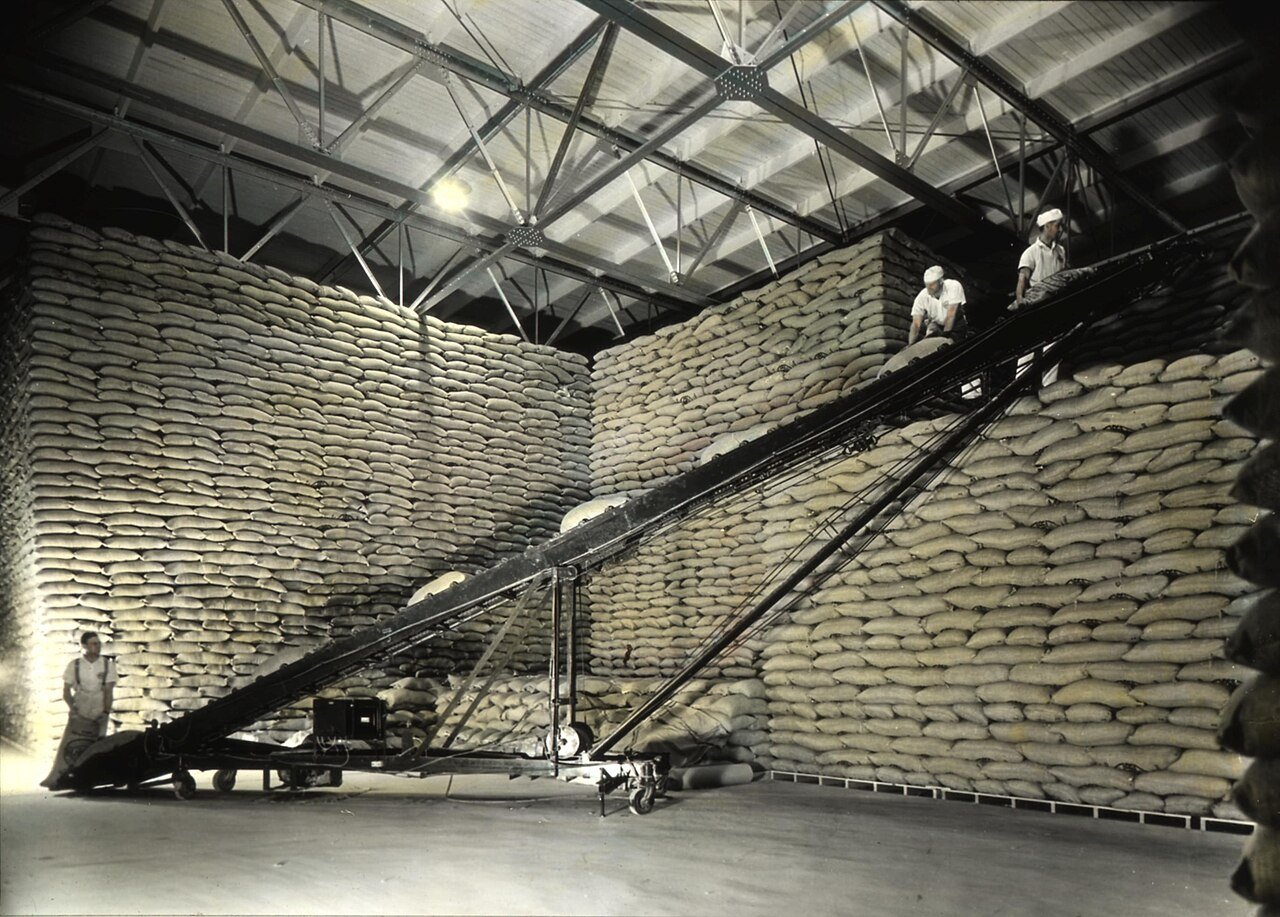
- Packing: jumbo bags usually cost less per tonne than 50 kg bags.
- Freight, import duty and taxes, which vary a lot between countries.
- Port charges, clearance and inland transport.
Our guides to sugar import prices, sugar wholesale prices and wholesale food sugar walk through the numbers.
Sugar is a small cost, but not a trivial one
At 1% of product weight, sugar is a small part of a cured meat’s cost compared with the meat itself. But a plant making 20,000 tonnes of cured products a year at that level buys around 200 tonnes of sugar for meat curing. Buying that by the container rather than by the pallet from a local distributor usually saves money, and a steady specification saves trouble on the line.
7 tips for buying sugar for meat curing
1. Match the sugar to the process
Refined white for brines and injection, fine crystal white for dry rubs, raw brown for brown-sugar products and glazes.
2. Protect your injectors
Ask about insolubles and filter your brine. Blocked needles mean uneven cure and rework.
3. Keep the specification steady
Changing sugar grade or origin can change colour, browning and taste. Test before switching.
4. Follow your culture supplier for fermented products
Sucrose or dextrose? Use what your starter culture needs.
5. Store sugar dry and away from cure
Separate sugar from nitrite cure, and keep both dry.
6. Buy on a schedule
Steady deliveries avoid emergency buying. Our guide to buying sugar in bulk covers contracts.
7. Check who you’re buying from
Sugar trading attracts fake offers. Read our articles on what a real sugar logistics supplier handles, choosing a global sugar exporter and spotting a real sugar trader.
Common mistakes with sugar in cures
- Treating sugar as a preservative. It isn’t, in a modern cure. Salt, nitrite and process control keep the product safe.
- Too much sugar in bacon. It burns in the pan before the bacon is crisp.
- Raw sugar in injection brine. More sediment, more blocked needles.
- Ignoring dry-cure weight loss. Sugar levels rise as water leaves.
- Storing sugar near curing salt. Mix-ups with nitrite cure are dangerous.
- Changing sugar without a trial. Browning and flavour can shift.
How to order sugar for meat curing from us
- Send your enquiry: grade, quantity, packing, destination port and any extra specification. Use our contact page.
- Get a quotation with price, specification, packing, Incoterm, shipping window and documents.
- Agree the contract in writing.
- Inspection and loading by SGS or an equivalent agency.
- Documents: bill of lading, commercial invoice, packing list, certificate of analysis, inspection report, certificate of origin and phytosanitary certificate.
- Arrival: clear the cargo, check it and move it into dry storage.
Our shipping policy and FAQs cover timing, payment and claims.
Sugar for meat curing compared with other uses
Food factories use sugar in very different ways. Sauce makers use it for flavour and body; see sugar for sauces. Drinks plants care about colour and floc; see sugar for soft drinks. Bakeries care about crystal size; see bakery sugar. Brewers care about fermentability; see sugar for brewing. Syrup makers care about clarity; see sugar for syrup production.
Meat processors use less sugar per kilo of product than almost any of these, but they need it to dissolve cleanly, blend evenly and behave the same way every time. That’s why most sugar for meat curing is a well-refined white sugar, with raw brown kept for products that call for it. Our bulk refined sugar and bulk white sugar articles cover buying this grade by the tonne.
Frequently asked questions about sugar for meat curing
Why is sugar used in curing meat?
Mainly to soften the harsh taste of curing salt, add flavour, help surface colour and browning, and feed flavour bacteria in long cures and fermentation.
What is the best sugar for meat curing?
For brines and injection, a clean refined white sugar such as ICUMSA 45. For dry rubs, a fine crystal white sugar. For brown-sugar bacon and glazes, raw brown cane sugar.
Can I use brown sugar in a cure?
Yes. Extension guidance says both brown and white sugars can be used. Brown and raw sugars add colour and flavour, but can leave more sediment in brines.
How much sugar goes into cured meat?
Usually a small amount of sugar for meat curing, often under a few percent of the product. In the US, the amount is “sufficient for purpose”, and sweetness limits it naturally.
Is sugar a preservative in cured meat?
Not in a modern cure. Salt, nitrite and process control provide safety. Sugar is there for flavour, colour and fermentation.
Should I use sugar or dextrose in salami?
Follow your starter culture supplier. Many meat cultures ferment both, but some need dextrose.
Does sugar make bacon burn?
It can. More sugar means faster browning. Keep levels moderate and test frying behaviour.
Is cane sugar different from beet sugar for curing?
Refined white sugar from either source is almost pure sucrose. We supply cane sugar for meat curing.
Do I need to declare sugar on the label?
In most countries, yes. US rules allow sugars in meat under appropriate declaration. Check your national labelling rules.
Should I buy 50 kg bags or jumbo bags?
If you have a forklift and a bag discharger near your brine room, 1 MT jumbo bags are faster and usually cheaper per tonne. Smaller plants often start with 50 kg bags.
How do I store sugar in a meat plant?
Dry, off the floor, away from smells and separate from nitrite cure, with lot records.
Where do you ship?
We ship sugar for meat curing worldwide by container on FOB or CIF terms. Tell us your port and we’ll quote.
Get a quote for sugar for meat curing
If you make bacon, ham, sausages or cure blends and want a steady supply of clean, consistent cane sugar for meat curing, we’d be glad to quote. Tell us the grade, quantity, packing, your port and any extra specification, and we’ll come back with price, documents and a shipping window. Contact us here or browse all our sugar products.
Sources and References
- USDA Food Safety and Inspection Service: Bacon and food safety
- USDA FSIS: Processing and labeling course, cured meat and poultry operations
- 9 CFR 424.22: Certain other permitted uses (Electronic Code of Federal Regulations)
- USDA FSIS: Ham and food safety (via Utah State University Extension)
- Oklahoma Cooperative Extension Service: Meat curing (ANSI-3994)
- National Center for Home Food Preservation, University of Georgia: Curing and smoking review
- US Patent 4,521,434: Fermentation method and compositions including a Lactobacillus species strain