

Sugar for soft drinks is the refined white cane sugar that bottlers, syrup makers and drinks factories dissolve into syrup to sweeten carbonated drinks, lemonades, iced teas, energy drinks and cordials. For most soft drinks the right choice is a very low colour grade such as ICUMSA 35 or ICUMSA 45, with low ash, almost no insoluble matter, clean taste and no tendency to form floc in acidic drinks. We sell sugar for soft drinks to bottlers, beverage plants, juice and syrup producers and distributors worldwide, in 50 kg bags or 1 MT jumbo bags, shipped by container with full lab documents.
This guide is for owners, plant managers, quality staff and buyers at soft drink companies, big and small. It covers what a bottler actually needs from sugar, how much goes into a drink, which grade suits which product, what to put in the contract, how floc and sugar inversion catch people out, how to check a shipment when it arrives, and how to buy at a fair delivered price. We link to official documents and research where we use them. Where something is our own view as a sugar supplier, we say so.
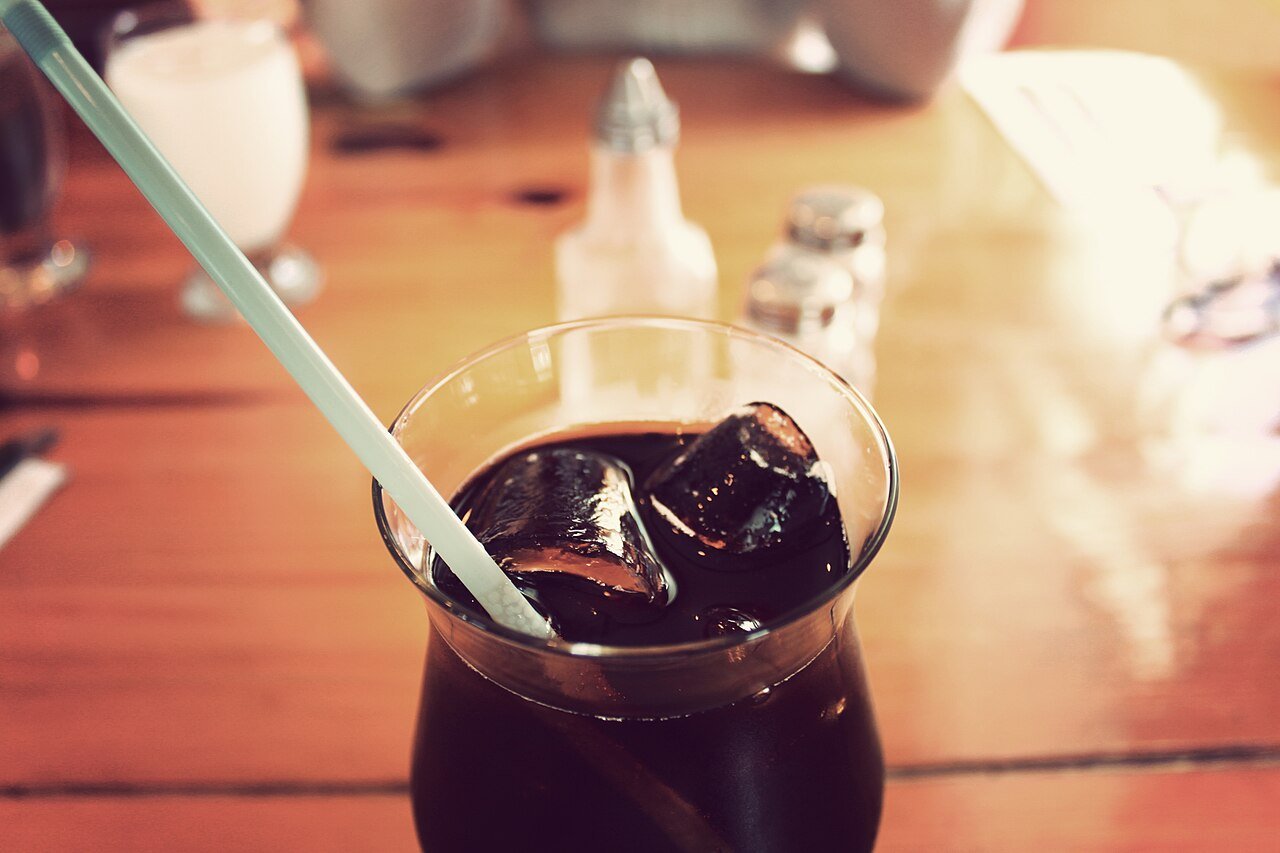
Sugar for soft drinks: what we sell
These are the grades drinks makers buy from us. Each product page has the full specification sheet, packing details and documents.
- Refined sugar ICUMSA 35: 35 IU max, polarization 99.80% min, moisture 0.04% max, ash 0.04% max, SO₂ 20 mg/kg max. Our first choice for clear lemonades, tonics, clear sodas, sports drinks and anything sold in a clear bottle.
- Refined ICUMSA 45 sugar: 45 IU max, polarization 99.80% min, moisture 0.04% max, ash 0.04% max. The everyday grade for colas, orange and fruit sodas, iced teas, energy drinks and cordials.
- Crystal white sugar: sparkling white refined cane sugar, polarization 99.8% min, even crystal. Dissolves at a steady, predictable rate in a syrup room.
- Cane sugar ICUMSA 100: 100 IU max. For dark syrups, malt drinks and some cordials where colour is hidden and the buyer has tested it.
- ICUMSA 150 white sugar and raw brown cane sugar: not for clear or light drinks. Some buyers use them in dark, heavily flavoured products, but most bottlers stay at 45 or below.
Packing: 50 kg PP bags with inner PE liner, or 1 MT jumbo bags. Shipping: 20 ft containers, about 25 MT each. Terms: FOB or CIF your port. Documents: SGS or equivalent inspection, certificate of analysis, origin and phytosanitary certificates. Ask for a soft drink sugar quote.
You can see every grade we carry on our products page.
Why sugar matters more in a soft drink than almost anywhere else
In a biscuit or a cake, a little extra colour or a trace of ash disappears into the bake. In a soft drink there’s nowhere to hide. The sugar is dissolved completely, the drink is often clear, it sits in a bottle under shop lights for months, and the customer looks straight through it. Anything that comes in with the sugar for soft drinks ends up in the bottle.
That’s why the beverage industry has its own idea of good sugar for soft drinks. A refinery can sell a lot that passes the general white sugar standard and still have it rejected by a bottler. The Codex Committee on Sugars brought the world’s sugar standards together into one text, the Codex Standard for Sugars (CXS 212-1999), and that standard sets the basic floor for white sugar. Bottlers usually ask for more than that floor, especially on colour, ash, insoluble matter, floc and microbiology.
A few things make sugar for soft drinks a special case, compared with sugar for baking or dairy:
- Sugar is the biggest ingredient after water. In a full-sugar drink it’s often 10% or more of the finished product by weight, so whatever else is in the sugar for soft drinks gets carried straight into the bottle.
- The drink is acidic. Most soft drinks sit at a low pH. Acid changes sucrose over time and can make tiny impurities clump together into visible floc.
- The drink is stored for a long time. Shelf lives of many months mean small problems have time to grow, whether that’s a haze, a sediment or a yeast.
- Brand consistency is everything. A cola has to taste the same in every market, every month. A sugar with an off-taste or variable quality breaks that promise.
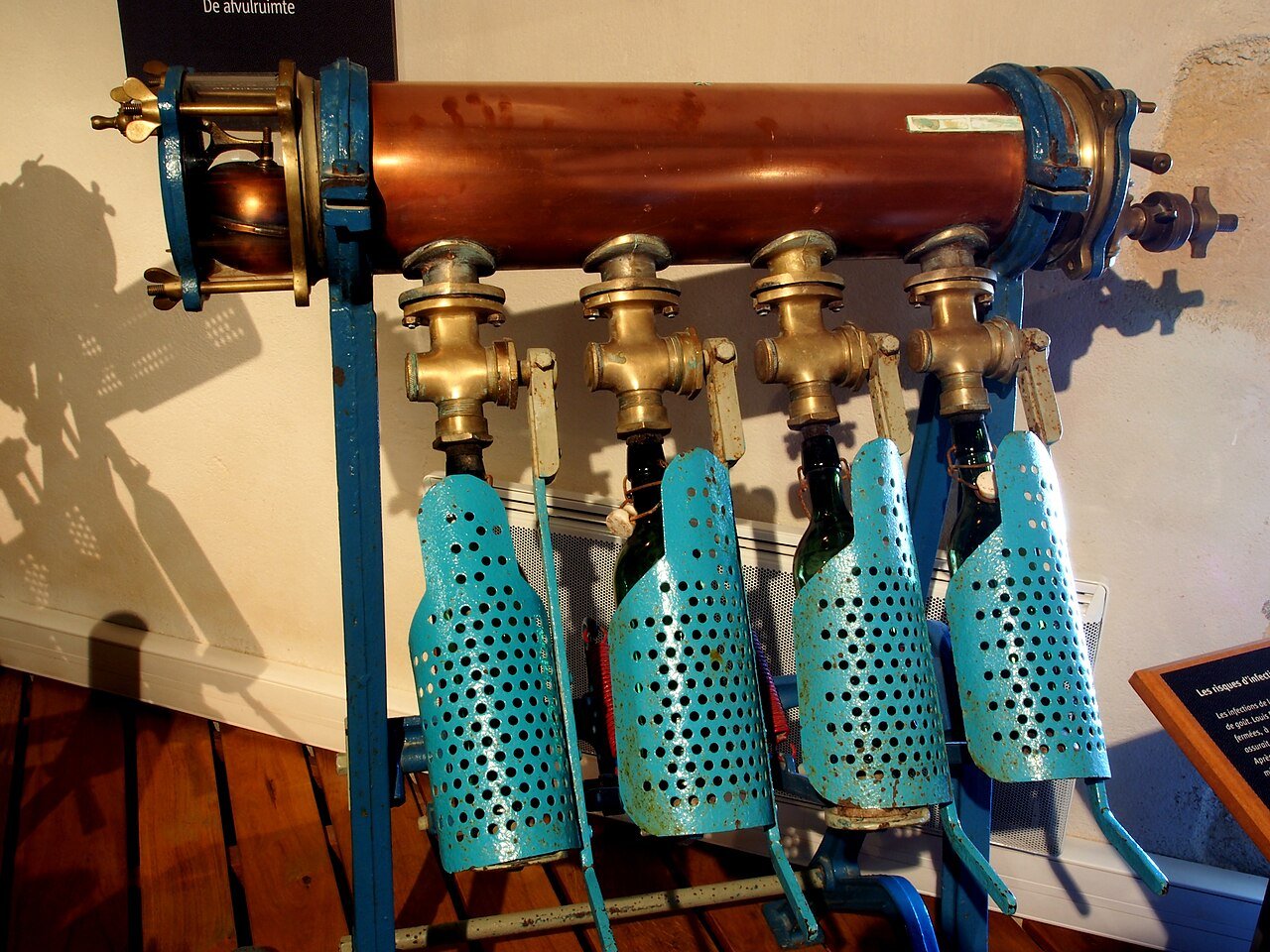
How much sugar goes into a soft drink
If you’re planning purchases of sugar for soft drinks, you need a feel for volumes. Sugar levels vary a lot by product and by market, but full-sugar colas are a useful reference point. A survey of carbonated sugar-sweetened drinks sold in UK supermarkets found an average of 30.1 g of sugar per 330 ml can across the products studied, with some going well above that. Published label data for leading colas commonly sit around 10.6 g of sugar per 100 ml, as shown in the Action on Sugar product table published by the NCD Alliance.
Here’s what that means in purchasing terms. These are our own worked numbers, based on a drink at 10.6 g sugar per 100 ml:
| Sugar bought | Finished drink (approx.) | 330 ml cans (approx.) |
|---|---|---|
| 1 x 50 kg bag | 472 litres | 1,430 |
| 1 MT jumbo bag | 9,430 litres | 28,600 |
| 1 x 20 ft container (25 MT) | 235,800 litres | 714,000 |
A mid-sized bottling line can get through a container of sugar for soft drinks in days, not months. That’s why most of our beverage customers buy on a schedule rather than one container at a time, and why a late ship or a rejected lot hurts so much. Run out of sugar and the line stops.
Sugar taxes are changing the numbers
Many drinks now carry less sugar than they did ten years ago, because governments tax sugary drinks. According to the World Health Organization, at least 116 countries now tax sugary drinks, and many of those taxes target sodas.
The UK levy is a good example of how these taxes work in practice, because it’s tiered by sugar content. Official GOV.UK guidance on the Soft Drinks Industry Levy says a drink is liable at 5 g of sugar or more per 100 ml, with a higher band at 8 g or more, and from 1 April 2026 the rates are £2.08 and £2.78 per 10 litres. The government has also published a policy paper setting out a plan to lower the threshold from 5 g to 4.5 g per 100 ml.
For anyone buying sugar for soft drinks this matters in two ways. First, reformulated drinks use less sugar per litre, so your tonnage per million litres falls. Second, when a product is designed to sit just under a tax threshold, the sugar dose has to be accurate. Small errors in syrup strength, or in how far sucrose has inverted, can push a drink over a band. Consistent sugar for soft drinks makes that control easier.
The specification that matters for sugar for soft drinks
When a bottler sends us a purchase specification for sugar for soft drinks, the same handful of parameters come up every time. Here’s what each one means in a drinks plant and why it’s there.
Colour (ICUMSA units)
Colour is the first number anyone checks on sugar for soft drinks. It’s measured on a sugar solution under ICUMSA methods and reported in ICUMSA units (IU). Lower is whiter. Our guide to the ICUMSA scale and sugar grades explains the scale in more detail. For a clear lemonade or tonic, colour shows up straight away as a yellow tint, so bottlers ask for very low numbers. Published bottlers’ grade specifications from refiners give a sense of the range. Australian refiner Sunshine Sugar lists its refined sugar bottlers grade at 30 IU max, and Bundaberg Sugar lists its bottlers sugar at 33 IU max with a typical value of 15. Our ICUMSA 35 sugar sits in that territory.
Ash (conductivity ash)
Ash is the mineral residue left in the sugar. In a drink, high ash can change the taste slightly, affect how flavours and acids behave, and add to haze. Beverage specs tend to be tight here. The Sunshine bottlers grade sheet sets ash at 0.015% max, and Südzucker’s White Sugar High Grade specification also lists ash at 0.015% max. Our standard ICUMSA 35 and 45 contracts state ash at 0.04% max. If your plant needs 0.015%, say so at the quotation stage and we will tell you plainly whether a lot meets it before you commit.
Floc
Floc is a fluffy, cloudy material that can appear in a sugar-sweetened acidic drink after it has been standing for some days. It doesn’t make the drink unsafe, but customers see it and assume something is wrong. We cover floc in its own section below because it catches out more first-time importers than any other parameter.
Insoluble matter, sediment and turbidity
Insoluble matter is the fine dirt, fibre and other particles that don’t dissolve. In a clear drink these show as sediment or haze, and they load up your filters. The Sunshine bottlers sheet sets insoluble matter at 7 mg/kg max, and the Südzucker high grade sheet lists sediment at 7 mg/kg max and turbidity at 20 IU max. Good sugar for soft drinks keeps these numbers low so the syrup room isn’t changing filter cartridges every shift.
Microbiology
Dry sugar doesn’t grow microbes easily, but it can carry them. Yeasts, moulds and some bacteria that survive in a sugar bag can wake up once they’re in a sweet, wet syrup. Bottlers usually set their own limits for yeast, mould and mesophilic bacteria, counted per 10 g of sugar, and some refiners publish microbial limits on their bottlers’ grades. Treat microbiology as a contract item when you buy sugar for soft drinks: write your limits in, ask for the lab results on the lot, and test on arrival.
Taste and odour
This sounds basic, but it’s one of the most important tests. A 10% solution of good sugar for soft drinks in clean water should taste of nothing but clean sweetness. Any earthy, musty, smoky or chemical note will come through in a lightly flavoured drink like soda water with lime or a tonic. Most quality teams taste every incoming lot of sugar for soft drinks.
Sulphur dioxide (SO₂)
Some plantation white sugars are made with sulphitation, which can leave residual SO₂. Our ICUMSA 35 is contracted at 20 mg/kg max. If your drink is sensitive to sulphite, or your market has labelling rules about it, put a limit in the contract.
Specification at a glance
The table below puts our contract figures beside published bottlers’ grade examples so you can see where the gaps are. The refiners’ figures come from their own published sheets, linked above.
| Parameter | Our ICUMSA 35 | Our ICUMSA 45 | Published bottlers’ grade examples |
|---|---|---|---|
| Colour | 35 IU max | 45 IU max | 30 to 33 IU max |
| Sucrose / polarization | 99.80% min | 99.80% min | 99.85% to 99.9% min |
| Ash | 0.04% max | 0.04% max | 0.015% to 0.03% max |
| Moisture | 0.04% max | 0.04% max | around 0.04% max |
| Insolubles | by contract | by contract | around 7 mg/kg max |
| Floc test | by contract | by contract | negative |
Our honest advice: if you run a large bottling plant with a brand owner’s specification to meet, send us that specification first. If you run a smaller plant making local sodas, cordials or iced tea, our standard ICUMSA 45 or 35 is what most buyers in that position use, and the extra items can be added as you grow.
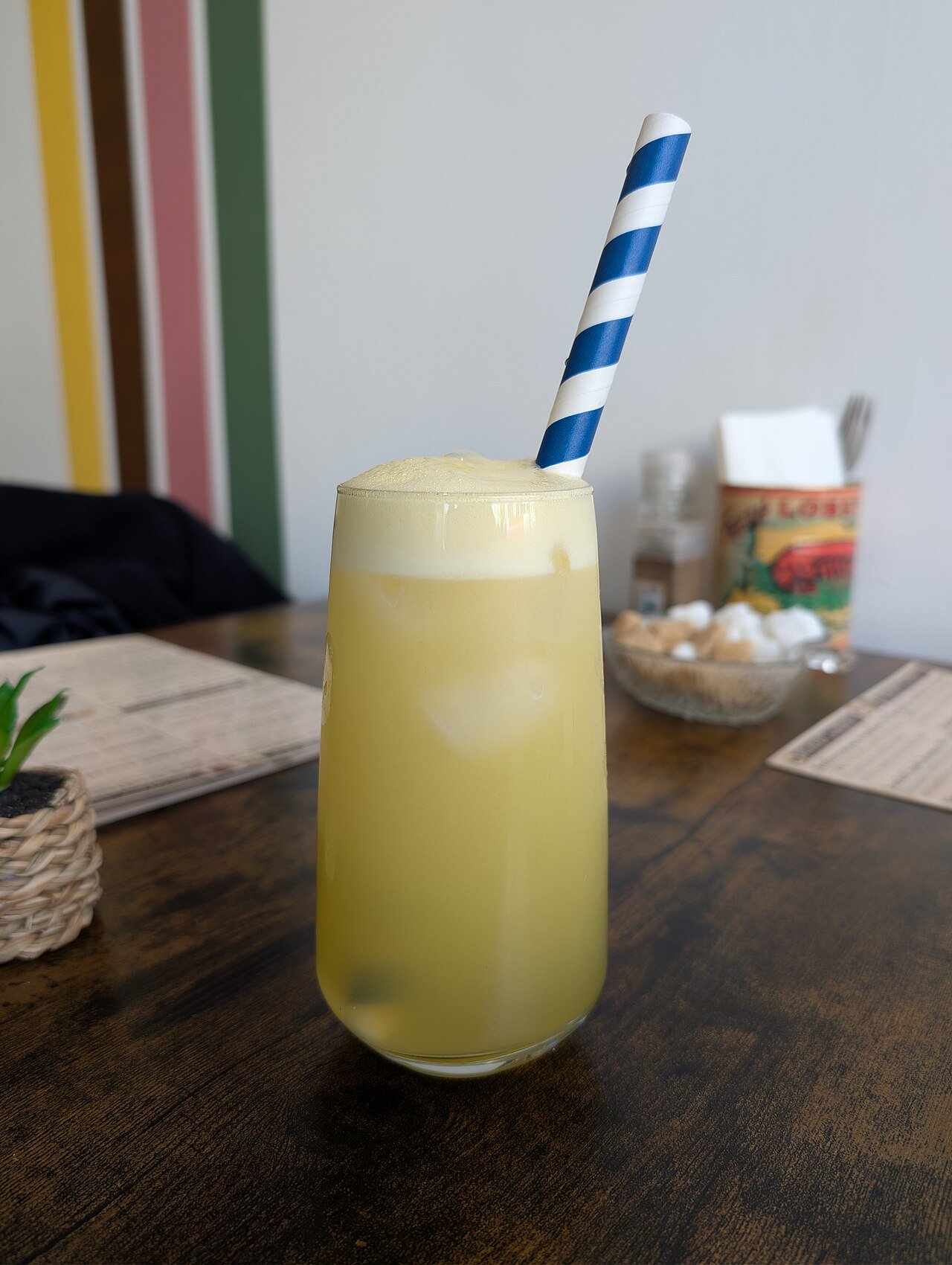
ICUMSA 35 or ICUMSA 45: which grade for which drink
Most of the questions we get about sugar for soft drinks come down to this choice. Here’s how we’d choose sugar for soft drinks, product by product.
Clear and very light drinks: ICUMSA 35
Clear lemonade, lemon-lime soda, tonic water, soda water with flavour, clear sports and electrolyte drinks, and anything sold in a clear PET or glass bottle. Colour shows up immediately, so spend the small premium on ICUMSA 35. Our product sheet for refined sugar ICUMSA 35 explains why this grade is often called “beverage grade” in the trade. That nickname describes the low colour that beverage companies ask for. It doesn’t mean any link to a particular brand.
Coloured drinks: ICUMSA 45
Colas, orange and other fruit sodas, ginger beer, iced tea, energy drinks and most cordials. The drink’s own colour hides the small difference between 35 and 45 IU, so ICUMSA 45 is usually the sensible buy. Have a look at our food grade ICUMSA 45 sugar guide for the safety and certification side, and our white refined sugar ICUMSA 45 page for the full specification. Remember that colour isn’t the only issue. A cola still needs low ash, a clean taste and no floc, even though nobody can see the colour of the sugar in it.
Dark syrups and malt drinks: sometimes ICUMSA 100
Some producers of dark malt drinks, concentrated syrups and traditional cordials use ICUMSA 100 cane sugar to save money. It can work, but test it in your own product first, run an acid floc test, and watch taste closely. We don’t recommend anything above ICUMSA 100 for drinks unless you’ve tested it and you’re happy with the result.
A quick decision table
| Drink | Usual grade | Watch for |
|---|---|---|
| Clear lemonade, lemon-lime, tonic | ICUMSA 35 | Colour, floc, taste |
| Sports and electrolyte drinks | ICUMSA 35 | Colour, ash |
| Cola | ICUMSA 45 | Floc, ash, taste |
| Orange and fruit sodas | ICUMSA 45 | Floc, haze |
| Iced tea | ICUMSA 45 | Haze, microbiology |
| Energy drinks | ICUMSA 45 | Floc, taste |
| Cordials and squashes | ICUMSA 45 | Microbiology, crystallisation |
| Dark malt drinks, concentrated syrups | ICUMSA 45 or tested ICUMSA 100 | Taste, floc |
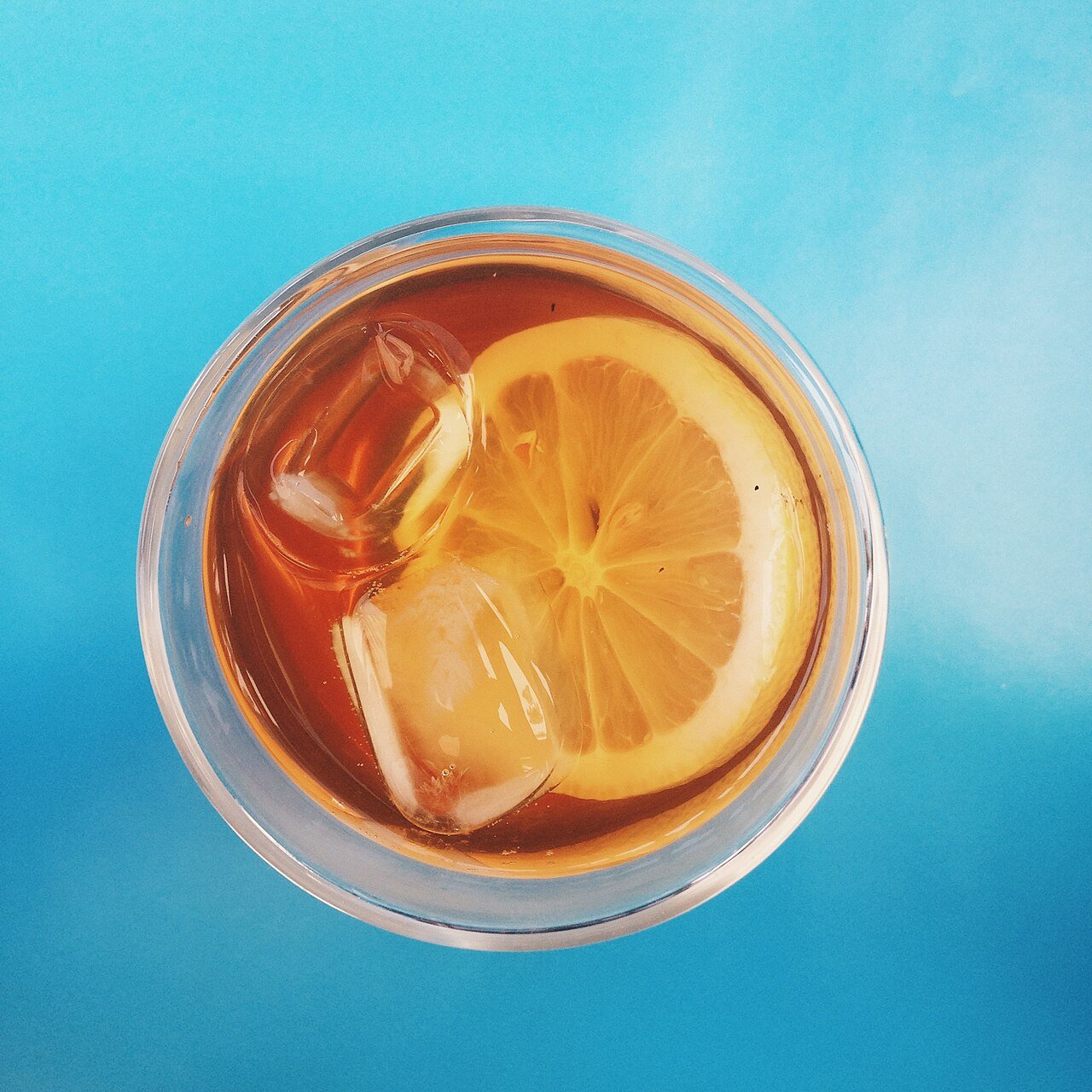
Granulated sugar or liquid sugar: what bottlers actually do
A bottler doesn’t pour dry sugar for soft drinks straight into a bottle. It’s dissolved first, usually into a concentrated “simple syrup”, then mixed with flavour, acid and colour into a final syrup that’s dosed into water and carbonated on the filling line.
There are two ways to get that sugar syrup:
- Buy granulated sugar and dissolve it on site. This is what most plants outside the biggest markets do, and it’s how almost all sugar for soft drinks moves internationally, because shipping dry sugar is far cheaper than shipping water. A dissolving station tips bags or jumbo bags into a tank of treated water, heats and stirs it, and pumps the syrup through filters. Many plants add activated carbon, fine filtration and a heat or UV step.
- Buy liquid sugar from a local refiner. In some countries refiners deliver sugar syrup by tanker. Sunshine Sugar’s liquid sugar bottlers grade, for example, is listed at 66 to 68 °Brix with colour at 35 IU max. Liquid sugar saves you a dissolving station but ties you to a local supplier and tanker logistics.
If you import, you’ll be dissolving, and that’s where the crystal quality of your sugar for soft drinks matters. Even, free-flowing crystals with low fines dissolve at a steady rate and don’t cake in the bag. Lumpy, damp sugar is slow to tip, slow to dissolve and harder to filter. Our crystal white sugar page goes into crystal size in more detail.
Sugar inversion: why your Brix changes after you make syrup
Here’s a point about sugar for soft drinks that surprises a lot of new bottlers. Sucrose doesn’t stay as sucrose once it’s in an acidic syrup. It slowly splits into glucose and fructose, a mixture called invert sugar. Acid and heat speed this up.
The Anton Paar guide to sugar inversion explains why that matters in a drinks plant. When one sucrose molecule splits, it takes up one molecule of water, so the dissolved sugar gets heavier: about 1.053 times the original weight after full inversion. The syrup’s density and Brix reading change even though you haven’t added anything. If your recipe is built around fresh syrup and you dose syrup that has partly inverted, you can end up under-dosing or over-dosing.
What this means in practice:
- Make acidified syrup close to when you need it, rather than storing it for days.
- Keep syrup tanks cool where you can.
- Measure Brix on the actual syrup going to the line, and know whether your meter corrects for inversion.
- Remember that invert sugar tastes slightly sweeter than sucrose, so a drink that has sat on the shelf may taste a little different from a fresh one.
None of this is a fault in the sugar. It’s chemistry. But a consistent, high-purity sugar for soft drinks makes inversion predictable, and predictable is what a quality team wants.
Acid beverage floc: the problem nobody sees until it’s in the bottle
Acid beverage floc is a light, cottony haze or clump that can form in a sugar-sweetened acidic drink after it has been standing a few days. The drink looks fine when it’s filled. A week later, on a shelf or in a warehouse, it’s cloudy or has wisps floating in it. The customer complains, the retailer pulls the stock, and the bottler blames the sugar for soft drinks it bought.
What causes it
Researchers have spent decades on floc in sugar for soft drinks. Work published in the Journal of Sugar Beet Research by the Sugar Processing Research Institute describes floc from cane sugar as coming from two factors: a polysaccharide carrying glucuronic acid and a protein. At the low pH of a soft drink these carry opposite charges and pull together into a floc. A 2020 study in Sugar Tech looking at raw sugar, refinery liquor and refined sugar found that starch had the most significant effect on floc formation among the impurities they measured. And a study of Brazilian crystal sugar published on PubMed concluded that floc there was made up of tiny particles of sugarcane plant cells.
In plain terms: floc comes from very small amounts of plant material, starch, polysaccharides and proteins that survive refining. They don’t change the colour reading much, which is why sugar for soft drinks can pass the ICUMSA colour test and still floc.
How it’s tested
The standard test is ICUMSA Method GS2/3-40. According to ICUMSA, the method was derived from one developed by a major cola company: a sugar solution is acidified to pH 1.5 with phosphoric acid, left at room temperature for 10 days, and then checked for floc. The result is reported as floc positive or floc negative.
Ten days is a long time when a ship is waiting, so the practical answer is to get floc results from the producing refinery on the lot being shipped, and run your own test on arrival samples in parallel with the first production.
What a buyer should do
- If you make acidic carbonated drinks, put “floc negative by ICUMSA GS2/3-40” in your purchase specification.
- Ask for the floc result on the actual lot, not a general statement about the mill.
- Keep retained samples from every lot so you can test them if a problem appears months later.
- If you do get floc in the market, check the water treatment and other ingredients too. Sugar is a common cause but not the only one.
How to check sugar for soft drinks when it arrives
Paperwork from the load port tells you what your sugar for soft drinks was like when it was bagged. Your incoming checks tell you what it’s like now, after weeks at sea and a few days in a port yard. Here’s a simple routine many plants use. Adjust it to your own quality system.
- Check the documents match the cargo. Container numbers, seal numbers, lot numbers on bags, and the certificate of analysis should all line up. Our guides to the sugar certificate of origin and the sugar HS code explain the paperwork side.
- Inspect the bags. Look for wet patches, torn bags, strong smells, insects and hard lumps. Photograph anything odd before you unload further.
- Take samples properly. Sample from several bags across the container, not just the doors. Keep a sealed retained sample from each lot.
- Taste and smell a solution. A clean 10% solution in treated water. Any off-note is a reason to stop.
- Measure colour and turbidity if you have the equipment, or send samples to a local food lab.
- Check moisture and look for caking. Damp sugar for soft drinks dissolves poorly and invites microbes.
- Run microbiology for yeast, mould and mesophilic bacteria to your own limits.
- Start the 10-day floc test on a sample from each new lot or new origin.
- Release the lot only when the checks you need before use are complete.
If you’d like help building a buying specification, our guide to choosing an ICUMSA 45 sugar supplier covers what to ask for at each step.
Storage and handling in a drinks plant
Sugar for soft drinks is easy to store if you respect a few rules, and annoying if you don’t.
- Keep it dry and off the floor. Store bags on clean pallets, away from walls and wet areas. Sugar picks up moisture and then cakes.
- Keep temperature steady. Big temperature swings cause moisture to move inside the bag and form hard lumps. A cool, dry, well-ventilated warehouse is best.
- Keep it away from smells. Sugar absorbs odours. Don’t store it next to fuel, chemicals, spices or cleaning products.
- First in, first out. Use older lots first and keep lot records so you can trace any bottle back to the sugar for soft drinks that went into it.
- Control the tipping area. The point where bags are opened is where dust, string and foreign matter get in. Use bag cutters, magnets and a sieve or screen before the dissolving tank.
- Jumbo bags save labour. If you run high volumes, 1 MT jumbo bags with a bottom spout and a bag discharger make tipping faster and cleaner than cutting forty 25 kg or twenty 50 kg bags.
Our article on industrial sugar for food manufacturers has more on bulk handling in factories.
What drives the delivered price of sugar for soft drinks
We get asked for “today’s price” every day. The honest answer is that the price you pay for sugar for soft drinks at your gate is built from several parts, and only one of them is the world sugar market.
- The world white sugar price. Refined sugar prices move with world markets, crop news from big producers like Brazil, India and Thailand, energy prices and currency moves. Our articles on Brazilian sugar and Thai sugar explain how those origins shape supply.
- The grade premium. ICUMSA 35 costs a little more than ICUMSA 45, which costs more than ICUMSA 100 or 150. Extra contract items like tighter ash, floc-negative guarantees and micro limits can add a little more.
- Packing. 50 kg bags and 1 MT jumbo bags are priced differently. Jumbo bags are usually cheaper per tonne to pack and quicker to unload.
- Freight. Container freight to your port can change a lot from month to month and route to route.
- Import duties and taxes. These vary hugely by country and are often the biggest single item after the sugar itself. Check your own country’s tariff for the sugar HS code before you compare quotes.
- Port, clearance and inland transport. Often forgotten in early budgets.
Our guides to sugar import prices and sugar wholesale prices walk through these costs line by line. When you compare quotes for sugar for soft drinks, compare them on the same basis: same grade, same spec, same packing, same Incoterm, same port.
7 proven tips to buy the right sugar for soft drinks
Here’s the short version of everything above. These are the habits we see in buyers of sugar for soft drinks who rarely have problems.
1. Start from your drink, not from the sugar
Write down what you make: clear or coloured, acidic or not, shelf life, market. That tells you whether you need ICUMSA 35 or 45 and which extra parameters matter. A clear tonic and a dark malt drink don’t need the same sugar.
2. Put a full specification in the contract
“White sugar ICUMSA 45” on its own isn’t enough for a bottler. Add ash, moisture, insolubles, taste, SO₂, microbiology and floc if they matter to you. A specification that isn’t written in the contract can’t be enforced.
3. Ask for lot-specific results
General brochures from a mill tell you what the mill usually makes. A certificate of analysis on your lot, plus an independent inspection report, tells you what you’re actually buying.
4. Test a sample in your own product
Before you switch supplier or origin, make a trial batch with a sample of the new sugar for soft drinks, fill it, and hold it for at least the floc test period. Taste it against your current product.
5. Buy on a schedule
Drinks plants burn through sugar for soft drinks quickly. A schedule of monthly or quarterly containers smooths out freight, keeps stock fresh and protects you from a single late ship stopping production. Our guide to buying sugar in bulk covers contract structures.
6. Choose packing that suits your plant
Small plants with manual tipping often prefer 50 kg bags. Larger plants with a bag discharger usually save money and labour with 1 MT jumbo bags. Ask us for both prices on your sugar for soft drinks.
7. Work with a supplier who handles logistics properly
A good price means nothing if the container arrives late, wet or with wrong documents. Check how your supplier handles inspection, booking, documents and claims. Our article on what a real sugar logistics supplier handles and our checklist for choosing a global sugar exporter are good places to start.
How to order sugar for soft drinks from us
Here’s how an order for sugar for soft drinks normally runs. Most buyers find it straightforward after the first container.
- Send your enquiry. Tell us the grade, quantity, packing, destination port and any extra specification your plant uses. You can use our contact page.
- Get a quotation. We reply with price, specification, packing, Incoterm, shipping window and documents.
- Agree the contract. We confirm specification, quantity, price, payment terms and shipment schedule in writing.
- Inspection and loading. The sugar is inspected at loading by SGS or an equivalent agency, and containers are loaded and sealed.
- Documents. You receive the bill of lading, commercial invoice, packing list, certificate of analysis, inspection report, certificate of origin and phytosanitary certificate.
- Arrival. You clear the cargo, run your incoming checks and start production.
Our shipping policy and FAQs answer common questions about timing, payment and claims.
Common mistakes when buying sugar for soft drinks
- Buying on colour alone. ICUMSA number is the headline, but ash, insolubles, taste and floc cause most of the real problems in drinks.
- Switching origin without a trial. Sugar from different mills and countries can behave differently in the same recipe, especially for floc.
- Storing acidified syrup too long. Inversion changes Brix and sweetness. Make it fresh.
- Skipping retained samples. Without them you can’t prove anything if a complaint comes in months later.
- Comparing quotes on different bases. A cheap FOB price can end up dearer than a CIF quote once you add freight and insurance.
- Believing offers that look too good. The sugar trade has its share of fake offers and advance-fee scams. Our guide to spotting a real sugar trader explains the warning signs.
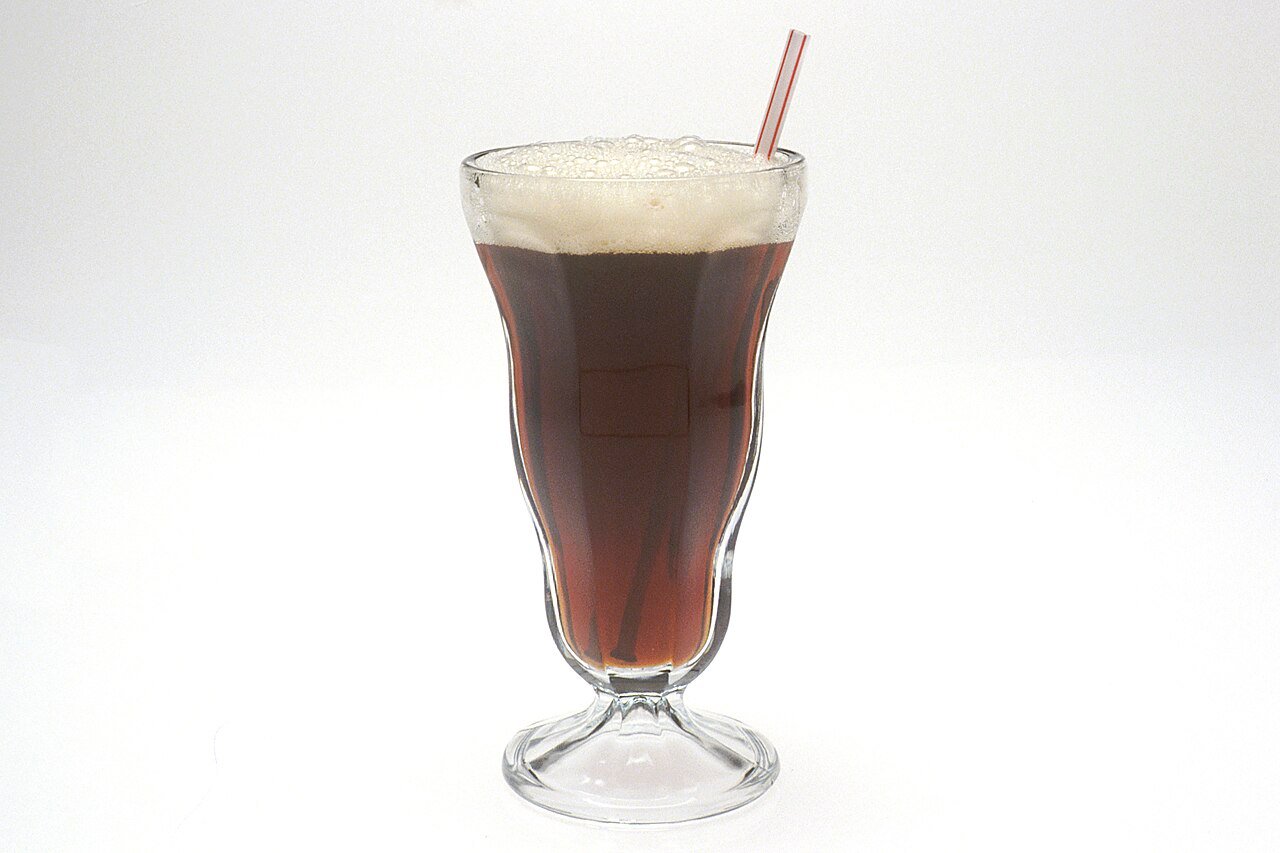
Sugar for soft drinks compared with other food uses
If you also make other products, it helps to see how sugar for soft drinks compares with sugar for other uses. Drinks are the strictest on colour, ash, insolubles and floc. Dairy plants worry most about microbiology and dissolving; see our guide to sugar for dairy. Sweet makers care about crystal size, colour and reducing sugars; see sugar for confectionery. Jam and preserve makers care about dissolving and setting; see sugar for jam. Sauce makers often use lower grades because colour is hidden; see sugar for sauces. Many of our customers buy ICUMSA 35 as their sugar for soft drinks and ICUMSA 45 for everything else.
Frequently asked questions about sugar for soft drinks
What is the best sugar for soft drinks?
For most products, the best sugar for soft drinks is refined white cane sugar at ICUMSA 35 or 45, with low ash, very low insoluble matter, a clean taste and a negative acid floc test. Use ICUMSA 35 for clear drinks and ICUMSA 45 for coloured ones.
Why do bottlers ask for such low ICUMSA colour?
Because the sugar is fully dissolved and many drinks are clear. Any colour in the sugar shows as a yellow tint in the bottle. Even in coloured drinks, a low colour usually goes with fewer impurities overall.
What is acid beverage floc?
It’s a light, cloudy haze or clump that can form in sugar-sweetened acidic drinks after several days. It comes from tiny amounts of polysaccharides, proteins, starch and plant material that survive refining. It’s tested with ICUMSA Method GS2/3-40, a 10-day test at pH 1.5.
Is ICUMSA 45 good enough for cola?
In most cases yes. Cola’s dark colour hides the difference between 35 and 45 IU. What matters more for cola is low ash, clean taste and a negative floc result.
Can I use raw or brown sugar in soft drinks?
Not in clear or light drinks. Good sugar for soft drinks is refined white sugar. Raw and brown sugars carry colour, ash and flavour that show in the finished drink, and they’re more likely to cause floc and haze. A few dark specialty drinks use them on purpose, but that’s a product decision, not a cost saving.
Should I buy granulated sugar or liquid sugar?
If you import, buy granulated sugar for soft drinks and dissolve it on site. Shipping liquid sugar internationally means paying to ship water. Liquid sugar makes sense only where a local refiner can deliver it by tanker.
Why does my syrup’s Brix change in storage?
Sucrose slowly splits into glucose and fructose in acidic syrup. This inversion takes up water, so the dissolved sugar gets heavier and Brix readings shift. Make acidified syrup fresh and measure it on its way to the line.
How much sugar do I need per container of drinks?
At around 10.6 g of sugar per 100 ml, one tonne of sugar sweetens roughly 9,400 litres, or about 28,600 cans of 330 ml. A 25 MT container covers roughly 236,000 litres. Lower-sugar recipes stretch that further.
What packing do you offer?
We pack sugar for soft drinks in 50 kg PP bags with an inner liner, or 1 MT jumbo bags. A 20 ft container carries about 25 MT.
Where do you ship?
We ship sugar for soft drinks worldwide by container, on FOB or CIF terms. Tell us your destination port and we’ll quote.
Can you meet my brand owner’s beverage specification?
Send it to us. We’ll check it against the lots available and tell you plainly which items we can meet and which we can’t, before any contract is signed.
Get a quote for sugar for soft drinks
If you make soft drinks, syrups, iced tea, energy drinks or cordials and want a steady supply of refined cane sugar, we’d be glad to quote. Tell us the grade, quantity, packing, your port and any extra specification, and we’ll come back with price, documents and a shipping window. Contact us here or browse all our sugar products.
Sources and References
- Codex Alimentarius: Codex Committee on Sugars and the Standard for Sugars (CXS 212-1999)
- ICUMSA: Method GS2/3-40 (2019), floc in white sugar
- Sunshine Sugar: Refined Sugar Bottlers Grade product specification
- Sunshine Sugar: Liquid Sugar Bottlers Grade product specification
- Bundaberg Sugar: white sugar product specifications, including bottlers sugar
- Südzucker: White Sugar High Grade specification
- World Health Organization: global reports on sugary drink and alcohol taxes (January 2026)
- GOV.UK: Check if your drink is liable for the Soft Drinks Industry Levy
- GOV.UK: Changes to the Soft Drinks Industry Levy, policy paper
- Hashem et al., sugar content of carbonated sugar-sweetened beverages in the UK, BMJ Open (PMC)
- Action on Sugar / NCD Alliance: sugar content of soft drinks, product table
- Anton Paar Wiki: sugar inversion in soft drinks
- Clarke, Roberts and Godshall: Acid Beverage Floc from Sugar Beets, Journal of Sugar Beet Research
- Sastre Siladji et al.: Effects of starch, polysaccharides, protein and silicate on acid beverage floc in refined sugar, Sugar Tech (2020)
- Lima et al.: Sugarcane cells as origin of acid beverage floc in cane sugar (PubMed)