

Sugar for distilling is refined or raw cane sugar that licensed distilleries ferment into a “sugar wash” for neutral spirit, vodka, gin base and other sugar spirits, or use to sweeten liqueurs, rum and flavoured spirits after distillation. The best sugar for distilling is a clean, low-ash refined white sugar such as ICUMSA 45, because it ferments cleanly and gives a neutral spirit with few off-flavours. One tonne of pure sucrose can in theory make about 680 litres of pure alcohol. A word of warning before you buy: in many countries refined sugar cannot legally be used to make a spirit labelled “rum”. We sell sugar for distilling in 50 kg bags and 1 MT jumbo bags to licensed distilleries, liqueur makers and spirit producers, shipped by container worldwide.
This guide is for distillery owners, production managers and buyers who purchase sugar by the tonne. It covers which spirits can and can’t be made from sugar, how much alcohol a tonne of sugar can make, which grade to buy, what yeast needs in a sugar wash, how sugar is used to sweeten finished spirits, and how to buy bulk sugar at a fair delivered price. We link to official regulations and technical sources for the facts. Where something is our own view as a sugar supplier, we say so. This article is for licensed, legal producers. Distilling spirits without a licence is illegal in many countries, and the rules on what you can call your product are strict, so check with your regulator before you start.

Sugar for distilling: what we sell
These are the grades distilleries and liqueur makers buy from us. Each product page has the full specification sheet, packing options and documents.
- Refined ICUMSA 45 sugar: colour 45 IU max, polarization 99.80% min, moisture 0.04% max, ash 0.04% max. Our standard sugar for distilling neutral spirit and for sweetening clear liqueurs and spirits.
- Refined sugar ICUMSA 35: colour 35 IU max. For water-white liqueurs and cream liqueurs where any tint shows in a clear bottle.
- Crystal white sugar: refined white cane sugar, polarization 99.8% min, even crystals that dissolve steadily in a mixing tank.
- Cane sugar ICUMSA 100 and ICUMSA 150 white sugar: lower-cost white sugars for fermentation feedstock where a slight colour in the sugar doesn’t carry through distillation.
- Raw brown cane sugar Grade E: ICUMSA 600 to 1200. For flavoured sugar spirits and dark liqueurs where cane character is wanted. Check the rules before using it for any product called “rum”.
Packing: 50 kg PP bags with inner PE liner, or 1 MT jumbo bags. Shipping: 20 ft containers, about 25 MT each. Terms: FOB or CIF your port. Documents: SGS or equivalent inspection, certificate of analysis, certificate of origin and phytosanitary certificate. Ask for a quote on sugar for distilling.
See every grade we carry on our products page.
What distilleries use sugar for
Sugar turns up in a distillery in two quite different places, and it helps to keep them apart.
1. As a fermentation feedstock
Yeast turns sugar into alcohol. A distillery can dissolve sugar in water, add yeast and nutrients, ferment it into a “wash”, and distil that wash into spirit. Because refined sugar is almost pure sucrose, the spirit it gives is very clean and neutral. That makes sugar for distilling a natural fit for neutral spirit, vodka in countries that allow it, and the base spirit for gin, liqueurs and flavoured spirits.
2. As a sweetener after distillation
Many finished spirits contain sugar added after distilling: liqueurs, cream liqueurs, flavoured vodkas, spiced and sweetened rums, and many regional spirits. Here sugar for distilling isn’t fermented at all. It’s dissolved into the finished product for sweetness and body.
Some distilleries do both. Others only do one. The grade you need, and the rules you must follow, depend on which.
Can you make rum from sugar? Check the law first
This is the question we’re asked most, and the honest answer is: in many markets, not legally under the name “rum”. Most rum is made from molasses or cane juice, not refined sugar, and several countries write that into law.
European Union
EU spirits law defines rum as a spirit drink produced exclusively by the distillation of the product obtained by the alcoholic fermentation of molasses or syrup produced in the manufacture of cane sugar, or of sugar-cane juice itself, distilled at less than 96% vol. Refined white sugar is not on that list. A spirit fermented from white sugar can’t be sold as “rum” in the EU.
South Africa
South Africa’s liquor product regulations are even more direct. Its rules on rum list fermented cane juice, molasses and cane syrup from sugar manufacture, and then state that granulated sugar may not be used in the production of rum.
United States
US federal rules say rum is distilled spirits distilled from the fermented juice of sugar cane, sugar cane syrup, sugar cane molasses, or other sugar cane by-products at less than 95% alcohol by volume. The phrase “other sugar cane by-products” is broader than the EU wording, but it is not a clear green light for refined white sugar. If you plan to sell a sugar-based spirit as rum in the US, get a ruling from the regulator before you print labels.
Canada
Canada’s Food and Drug Regulations say rum shall be a potable alcoholic distillate obtained from sugar-cane or sugar-cane products fermented by the action of yeast. Again, check with the regulator how your feedstock will be treated.
What this means for buyers
If you make rum, your main fermentation feedstock is likely to be molasses or cane juice, not our refined sugar. Where refined sugar for distilling does fit rum producers is after distillation, for sweetening within legal limits, which we cover below. We’d rather tell you this now than sell you a container you can’t use.

Neutral spirit and vodka from sugar
Neutral spirit is where sugar for distilling really comes into its own. The rules are generally more open on raw material.
In the United States, neutral spirits are defined as distilled spirits distilled from any suitable material at or above 95 percent alcohol by volume (190° proof). The same section describes vodka as neutral spirits which may be treated with up to two grams per litre of sugar and up to one gram per litre of citric acid.
In the EU, vodka is made from ethyl alcohol of agricultural origin, from potatoes, cereals or other agricultural raw materials. If it isn’t made only from potatoes or cereals, the label must prominently bear the indication “produced from …”, naming the raw materials. So a sugar-based vodka is allowed in the EU, but it has to say so on the bottle.
Many gin producers buy neutral spirit rather than make it, but some distil their own base. Sugar for distilling gives a clean, low-congener base that lets the botanicals do the talking. Our honest view: for a distillery that wants to make its own neutral base without grain handling, sugar is the simplest feedstock there is. No milling, no mashing, no enzymes.
How much alcohol does a tonne of sugar make?
This is the number every distillery wants, so let’s work it out properly.
The theory
Yeast turns one molecule of glucose into two molecules of ethanol and two of carbon dioxide. Patent literature on yeast fermentation spells out the arithmetic: 1 mole of glucose (180 g) yields 2 moles of ethanol (92 g), so the theoretical maximum yield of ethanol on glucose is 0.511 g per g.
Sucrose is a little better, because when it splits into glucose and fructose it takes up a molecule of water. Another patent on sugar fermentation gives the figure for sucrose: 0.538 m/m in the fermentation of sucrose. In plain terms, a kilo of sucrose can in theory give 0.538 kg of ethanol. Ethanol weighs about 0.789 kg per litre, so that works out at roughly 0.68 litres of pure alcohol per kilo of sugar.
Our worked figures
These are our own calculations from those theoretical yields. Real distilleries always get less, because yeast uses some sugar to grow, some is left unfermented, and some alcohol is lost in heads, tails and evaporation.
| Sugar | Theoretical ethanol | Theoretical pure alcohol | Equal to spirit at 40% ABV |
|---|---|---|---|
| 1 kg | 0.538 kg | 0.68 litres | 1.7 litres |
| 50 kg bag | 26.9 kg | 34 litres | 85 litres |
| 1 MT | 538 kg | 682 litres | 1,705 litres |
| 25 MT container | 13,450 kg | 17,050 litres | 42,625 litres |
To plan, many distilleries apply their own measured efficiency to these numbers. If your process reaches, say, 85% of theory, a tonne of sugar for distilling gives about 580 litres of pure alcohol instead of 682. Measure your own yield over several batches before you budget on it.
Wash strength
The amount of sugar you dissolve sets the potential alcohol of the wash. As a rough guide from the same arithmetic, 100 g of sucrose per litre of wash gives at most about 6.8% alcohol by volume, and 200 g per litre at most about 13.6%, before real-world losses. Stronger washes stress yeast, so most producers pick a sugar level that their yeast strain handles comfortably and ferments to dryness.

What yeast needs in a sugar wash
Here’s the catch with refined sugar: it’s almost pure sucrose, so it brings almost nothing else. Grain mashes and molasses carry nitrogen, minerals and vitamins that yeast needs. A sugar wash doesn’t. That’s why the most common problem with sugar for distilling is a slow or stuck fermentation, not the sugar itself.
Yeast maker Lallemand explains in its technical sheet for a distilling nutrient that yeast can take up ammonium ions, small peptides and amino acids, collectively called yeast assimilable nitrogen (YAN), and that nitrogen deficiency affects yeast growth and can cause slow and sluggish fermentation. An article in Artisan Spirit magazine on sugar utilisation in distilleries makes the same point, noting that for a sugar solution (sugar wash), nitrogen is a key consideration.
In practice, distilleries fermenting sugar for distilling usually:
- Add a complete yeast nutrient designed for distilling, with nitrogen, minerals and vitamins.
- Use a distilling yeast strain suited to their target alcohol and temperature.
- Control pH, because a sugar wash has almost no buffering and can drop quickly.
- Control temperature, because fermentation gives off heat and stressed yeast makes off-flavours.
- Keep everything clean, because a sugar wash is an easy meal for bacteria too.
Follow your yeast supplier’s dosing advice for sugar for distilling. They know their strains.
Fermenting a sugar wash: a typical process
Every distillery has its own method, and your yeast supplier’s instructions come first. But the general shape of a sugar wash looks like this:
- Weigh the sugar and water. Work out the sugar for distilling you need from your target wash strength, using the arithmetic above.
- Dissolve the sugar in warm water in a clean tank. Warm water speeds things up, but cool the wash to your yeast’s pitching temperature before adding yeast.
- Add nutrients as your yeast supplier recommends.
- Check and adjust pH to the range your yeast prefers.
- Pitch the yeast, rehydrated if it’s a dry yeast.
- Control temperature through fermentation. Sugar washes can heat up quickly in large tanks.
- Check gravity or Brix until it stops falling and the wash is dry.
- Let it settle, then transfer the clear wash to the still, leaving yeast sediment behind.
- Record everything: sugar lot, weights, gravity readings, temperatures and final yield. That’s how you find your real efficiency.
Because sugar for distilling dissolves completely, a sugar wash is usually much cleaner going into the still than a grain mash. Less solid matter means less risk of scorching in a pot still and easier cleaning afterwards.
Which grade of sugar for distilling to buy
Neutral spirit and vodka: ICUMSA 45
For neutral spirit, refined ICUMSA 45 sugar is the standard sugar for distilling. It’s very pure, low in ash and dissolves quickly. Fewer impurities going in usually means fewer odd flavours coming out. Our guides to food grade ICUMSA 45 sugar and industrial ICUMSA 45 sugar have more detail.
Cost-sensitive fermentation: ICUMSA 100 or 150
Colour in the sugar mostly doesn’t carry over through distillation, because colour compounds stay in the still. That’s why some producers ferment ICUMSA 100 or ICUMSA 150 to save money. The trade-off is slightly more ash and non-sugars, which can affect fermentation and flavour. Run a trial batch first. Our ICUMSA 150 sugar page explains the grade.
Liqueurs and sweetening: ICUMSA 45 or 35
When sugar goes into the finished bottle, colour matters again. For clear liqueurs and sweetened clear spirits, use ICUMSA 45, or ICUMSA 35 for water-white products. Our article on ICUMSA 35 sugar explains when it’s worth the extra cost.
Flavoured sugar spirits: raw brown cane sugar
Raw brown cane sugar carries some cane flavour and more minerals, and some producers use it for characterful sugar spirits and dark liqueurs. Just remember the rum rules above: raw sugar is not molasses or cane juice, so in the EU and some other markets it still doesn’t qualify as a rum feedstock. Our bulk brown sugar article covers handling.

Sugar for sweetening spirits and liqueurs
This is where refined sugar for distilling is used by almost every type of spirits producer, rum makers included.
Rum
EU law allows rum to be sweetened to round off the taste, but says the final product may not contain more than 20 grams of sweetening products per litre, expressed as invert sugar. EU spirits law includes white sugar and extra-white sugar among the sweetening products it recognises. So white sugar can legally go into EU rum, but only as a sweetener, within that limit, and not as the fermentation feedstock.
Cachaça
When the US recognised Cachaça as a type of rum, the Federal Register notice described it as a spirit made by distilling fermented sugar cane must, to which up to six grams of sugar per litre may be added, expressed as sucrose.
Vodka
As noted above, US rules allow vodka to be treated with up to two grams of sugar per litre. Small amounts like this are about smoothing mouthfeel, not sweetness.
Liqueurs and cream liqueurs
Liqueurs use far more sugar per litre than any of these. Exact minimums and maximums depend on the category and the country, so check your local spirits rules. For a liqueur maker, sugar for distilling is often the biggest single ingredient after alcohol and water, which makes buying it in bulk worth the effort.
Dissolving sugar into spirit
Sugar dissolves slowly in high-strength spirit. Most producers dissolve it in water first to make a syrup, then blend the syrup into the spirit and adjust the strength. Our article on sugar for syrup production covers how to make clean, stable syrups at scale.

Sugar compared with other distilling feedstocks
Here’s how sugar stacks up, in our view as a supplier, against the other main options. These are general comparisons, not hard data, and your local prices will decide the economics.
| Feedstock | Preparation | Flavour | Notes |
|---|---|---|---|
| Refined sugar | Dissolve and ferment | Very neutral | Needs added nutrients; not a rum feedstock in many markets |
| Molasses | Dilute and ferment | Rich, rum-like | Main rum feedstock; more variable |
| Cane juice | Ferment fresh | Grassy, fresh | Only practical near cane fields |
| Grain | Mill, mash, convert starch | Depends on grain | Required for whisky; more equipment |
| Fruit | Crush and ferment | Fruity | Seasonal; required for brandies |
The big advantages of sugar for distilling are simplicity and consistency. A tonne of ICUMSA 45 behaves the same way as the last tonne, there’s no milling or mashing, and the spillage and waste are low. Its main disadvantages are cost per litre of alcohol in markets where sugar is expensive, the need for added nutrients, and the legal limits on what you can call the spirit.
Who buys sugar for distilling in bulk
- Neutral spirit producers making base alcohol for vodka, gin and liqueurs.
- Craft distilleries that make their own base spirit and want a simple, consistent feedstock.
- Liqueur and cream liqueur makers who use sugar as a major ingredient.
- Rum producers who sweeten within legal limits, even though they ferment molasses or juice.
- Flavoured spirit and ready-to-drink brands that blend spirit, sugar and flavour.
- Regional sugar-spirit producers in markets where local rules allow spirits made from sugar.
For a small craft distillery, a full container of sugar for distilling is a lot. Some buy jointly with other local producers, or buy through a distributor who breaks bulk. Larger plants buy several containers a year on a schedule.

A planning example for a liqueur maker
Here’s a simple example of how a liqueur business might size its sugar purchase. The numbers are illustrative, not a recipe or a legal minimum.
| Liqueur made per year | Sugar per litre (example) | Sugar needed | Containers (25 MT) |
|---|---|---|---|
| 50,000 litres | 150 g | 7.5 MT | 0.3 |
| 100,000 litres | 250 g | 25 MT | 1 |
| 500,000 litres | 250 g | 125 MT | 5 |
A mid-sized liqueur brand can easily use a container or more of sugar for distilling and sweetening a year, which is where buying direct starts to pay off. Because the sugar stays in the bottle, choose ICUMSA 45 or ICUMSA 35 and keep the grade the same from batch to batch, so colour and sweetness don’t drift.
Licences, excise and records
Distilling is one of the most closely regulated food businesses there is. Rules differ in every country, but most require a licence to produce spirits, a registered and secured premises, excise or duty accounting on the alcohol you make, and detailed records of the raw materials you use.
That last point matters for sugar for distilling. Regulators often check that the alcohol produced matches the raw materials used. Keep the certificate of analysis, the weight received and the lot numbers for every delivery, and record which lots went into which fermentations. Good paperwork from your sugar supplier makes that much easier. We’ll supply the documents listed below with every shipment.
We sell only to businesses, and we may ask licensed distilleries for basic company details before quoting, as any responsible supplier should.
Handling and storing bulk sugar in a distillery
Distilleries are warm, humid places with a lot of water around. Dry sugar for distilling keeps well if you look after it:
- Dry store away from fermenters, steam lines and wash-down areas.
- Off the floor on clean pallets, away from walls.
- Away from strong smells such as botanicals, spirit vapour and cleaning chemicals. Sugar picks up odours, and they can show up in a neutral spirit or liqueur.
- Steady temperature to avoid condensation inside bags.
- First in, first out, with lot numbers recorded.
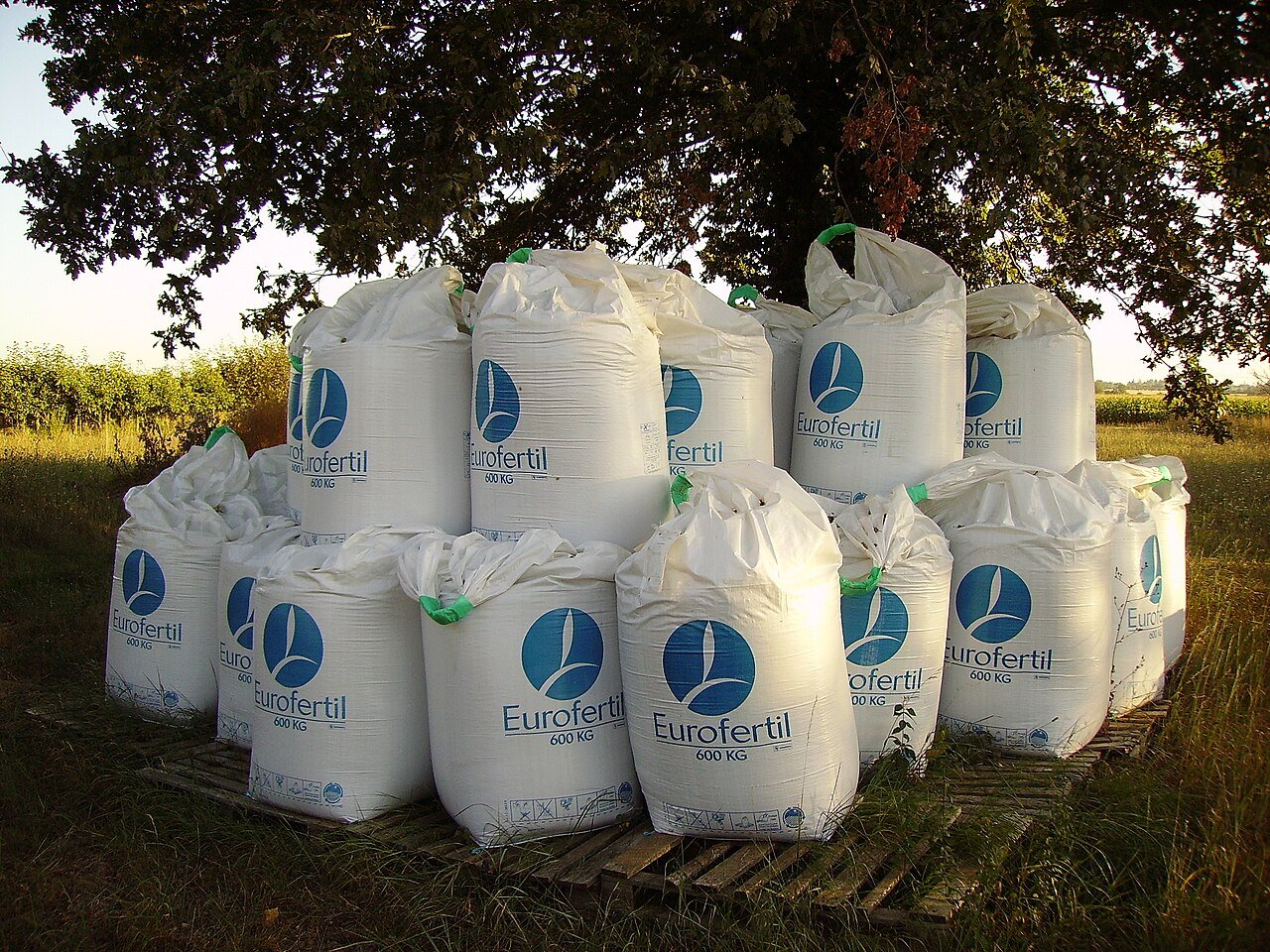
- Jumbo bags over a mixing tank save labour and reduce dust compared with cutting dozens of 50 kg bags.
Sugar dust is also a hygiene and combustible-dust concern in any plant, so keep tipping areas clean and follow your local safety rules. Our guides to sugar in bulk and industrial sugar cover bulk handling.
The specification to put in your contract
When a distillery buys sugar for distilling from us, these are the points that matter most. Our standard ICUMSA 45 figures are shown.
| Parameter | Our ICUMSA 45 | Why it matters in a distillery |
|---|---|---|
| Polarization | 99.80% min | Fermentable sucrose content, alcohol yield |
| Colour | 45 IU max | Colour of liqueurs and sweetened spirits |
| Ash | 0.04% max | Clean fermentation and taste |
| Moisture | 0.04% max | Accurate weighing, stores well |
| Insolubles | By contract | Clear liqueurs, clean tanks |
| Odour | Free from foreign odours | Neutral spirit and liqueur flavour |
Polarization matters most for yield in sugar for distilling. A difference of a few tenths of a percent in sucrose content changes the alcohol you get from a container. Ask for a certificate of analysis with every lot. Our guide to ICUMSA sugar grades explains the numbers.
Checking sugar for distilling on arrival
Our practical routine, not an official method:
- Match documents to the cargo: container and seal numbers, lot numbers, certificate of analysis. Our articles on the sugar certificate of origin and the sugar HS code explain the paperwork.
- Inspect bags for wet patches, tears, smells and lumps. Photograph damage before unloading further.
- Dissolve a sample in clean water. It should be clear, with no specks, film or odd smell.
- Run a small test fermentation with your usual yeast and nutrients if you’re switching supply.
- Record the lot and keep a retained sample.
What drives the delivered price of sugar for distilling
- World white sugar price, which moves with harvests in Brazil, India and Thailand, with energy prices and with currencies. Our articles on Brazilian sugar, Thai sugar and Indian sugar explain the origins.
- Grade: ICUMSA 35 costs more than 45, which costs more than 100 or 150.
- Packing: jumbo bags usually cost less per tonne than 50 kg bags.
- Freight, import duty and taxes. Some countries treat sugar for industrial alcohol differently, so check with your customs broker.
- Port charges, clearance and inland transport.
Our guides to sugar import prices, sugar wholesale prices and wholesale sugar walk through the numbers.
Cost per litre of alcohol
The fairest way to compare sugar for distilling with other feedstocks is cost per litre of pure alcohol, not cost per tonne. Using the theoretical figure of 682 litres per tonne and your own measured efficiency, divide the delivered price per tonne by the litres you actually get. Do the same for molasses or grain with their own yields and handling costs. That tells you whether sugar makes sense in your market.
7 tips for buying sugar for distilling
1. Check the rules for your product name
Rum, vodka, gin, liqueur: each has its own definition. Confirm sugar is allowed for what you plan to sell.
2. Buy on polarization
Fermentable sucrose drives yield. Ask for polarization on every certificate.
3. Budget for nutrients
A sugar wash needs added nitrogen and minerals. Include them in your cost per litre.
4. Use the cleanest grade where sugar stays in the bottle
ICUMSA 45 or 35 for liqueurs and sweetened spirits.
5. Trial cheaper grades for fermentation only
ICUMSA 100 or 150 can work as feedstock, but test first.
6. Buy on a schedule
Steady supply keeps stills running. Our guide to buying sugar in bulk covers contracts.
7. Check who you’re buying from
Sugar trading attracts fake offers. Read our articles on what a real sugar logistics supplier handles, choosing a global sugar exporter and spotting a real sugar trader.
Common mistakes with sugar for distilling
- Assuming any sugar spirit can be called rum. In many markets it can’t.
- Skipping nutrients. Stuck sugar washes are usually starved of nitrogen.
- Making the wash too strong. Overloaded yeast struggles and gives off-flavours.
- Ignoring pH. Sugar washes have little buffering.
- Storing sugar near botanicals or spirit. It picks up smells.
- Budgeting on theoretical yield. Real yields are lower. Measure yours.
How to order sugar for distilling from us
- Send your enquiry: grade, quantity, packing, destination port and how you’ll use the sugar (fermentation, sweetening or both). Use our contact page.
- Get a quotation with price, specification, packing, Incoterm, shipping window and documents.
- Agree the contract in writing.
- Inspection and loading by SGS or an equivalent agency.
- Documents: bill of lading, commercial invoice, packing list, certificate of analysis, inspection report, certificate of origin and phytosanitary certificate.
- Arrival: clear the cargo, check it and move it into dry storage.
Our shipping policy and FAQs cover timing, payment and claims.
Sugar for distilling compared with brewing and other uses
Brewers use sugar to raise alcohol and lighten body in beer, cider and kombucha; see sugar for brewing. Soft drink plants dissolve it into syrups; see sugar for soft drinks. Confectioners and dairies care about crystal size and microbiology; see sugar for confectionery and sugar for dairy.
Distillers sit in between. When sugar is fermented, they care most about fermentable sucrose and a clean wash. When sugar goes into the bottle, they care about colour and clarity like a soft drink maker. Either way, the usual sugar for distilling is a well-refined white sugar. Our bulk refined sugar and bulk white sugar articles cover buying it by the tonne.
Frequently asked questions about sugar for distilling
What is the best sugar for distilling?
For neutral spirit and liqueurs, refined ICUMSA 45 white sugar. It’s almost pure sucrose, ferments cleanly and gives a neutral spirit.
How much alcohol does a tonne of sugar make?
In theory about 682 litres of pure alcohol, or about 1,700 litres of spirit at 40% ABV. Real yields are lower.
Can I make rum from white sugar?
In the EU and South Africa, no: rum must come from molasses, cane syrup from sugar manufacture or cane juice, and South Africa expressly bans granulated sugar. In the US and Canada, check with the regulator.
Can I make vodka from sugar?
In many markets, yes. US neutral spirits can be made from any suitable material. In the EU, vodka not made from potatoes or cereals must say “produced from” on the label.
Why is my sugar wash fermenting slowly?
Most often nitrogen deficiency. Refined sugar has almost no yeast nutrients, so add a complete distilling nutrient and check pH and temperature.
Does sugar colour carry into the spirit?
Mostly no, because colour compounds stay in the still. It does matter when sugar for distilling is added after distillation, as a sweetener.
Can I use sugar to sweeten rum?
In the EU, yes, up to 20 grams of sweetening products per litre, expressed as invert sugar. Other countries have their own limits.
Is raw brown sugar better for distilling?
It adds some cane character and more minerals, but it’s not molasses or cane juice, so it doesn’t make a product rum where the law is strict. For neutral spirit, refined sugar is cleaner.
Is cane sugar different from beet sugar for distilling?
Refined white sugar from either source is almost pure sucrose. We supply cane sugar for distilling.
Should I buy 50 kg bags or jumbo bags?
If you have a hoist or forklift over your mixing tank, 1 MT jumbo bags are faster and usually cheaper per tonne. Small distilleries often start with 50 kg bags.
How long does bulk sugar keep?
Refined sugar for distilling kept dry, clean and at a steady temperature keeps a long time. Keep it away from botanicals and spirit vapour.
Where do you ship?
We ship sugar for distilling worldwide by container on FOB or CIF terms to licensed producers. Tell us your port and we’ll quote.
Get a quote for sugar for distilling
If you run a licensed distillery or liqueur business and want a steady supply of clean, high-polarization cane sugar, we’d be glad to quote. Tell us the grade, quantity, packing, your port and how you’ll use the sugar, and we’ll come back with price, documents and a shipping window. Contact us here or browse all our sugar products.
Sources and References
- Regulation (EU) 2019/787 on spirit drinks, Annex I: categories including rum and vodka
- Regulation (EU) 2019/787, Chapter I: definitions including sweetening products
- 27 CFR 5.147: Rum (US standards of identity)
- 27 CFR 5.142: Neutral spirits or alcohol, including vodka
- South Africa Liquor Products Act regulations: requirements for rum
- Canada Food and Drug Regulations B.02.030: Rum
- US Federal Register (2013): Amendment to the standards of identity for distilled spirits, Cachaça
- US Patent 9,551,015: theoretical ethanol yield on glucose
- US Patent 9,783,830: process for microbial fermentation of sugary substrates (theoretical yield on sucrose)
- Lallemand: Distilavite technical data sheet on yeast nutrition in distilling
- Artisan Spirit magazine: sugar utilisation and distillery ethanol yields