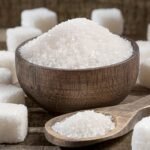

Refined ICUMSA 100 sugar is white, free-flowing, and food-grade, but it is worth being precise about what “refined” means at this specific color grade, because buyers sometimes assume ICUMSA 100 and ICUMSA 45 go through an identical process when they do not. Both are refined sugars in the sense that raw cane sugar has been processed to remove molasses and impurities, but they stop at different points on that refining process, which is exactly what the ICUMSA color number is measuring.
This page covers what refined ICUMSA 100 sugar actually is, the full specification sheet, how it holds up in storage and transport, and where it fits against other refined grades if you are still deciding what to order.
What “Refined” Actually Means at ICUMSA 100
Raw sugar coming off initial crystallization is tan to brown, coated in molasses film, and not suitable for most food or beverage applications. Refining removes that molasses film and further purifies the crystal through processes like affination, carbonatation or phosphatation, filtration, and re-crystallization. Refined ICUMSA 100 sugar has gone through enough of this process to reach a genuinely white appearance and food-grade purity, sitting a step below ICUMSA 45 on the color scale because it has one or two fewer refining passes.
In practical terms: it looks white, dissolves clean, and performs like refined sugar in almost every application, at a lower cost than the most heavily refined grades.
Full Specification Sheet
| Specification | Value |
|---|---|
| Polarization | 99.6° to 99.8° min |
| Moisture content | 0.05% max |
| Ash content | 0.10% max |
| Color (ICUMSA units) | 100 units max |
| Reducing sugars | 0.04% max |
| SO2 residual | 20 ppm max |
| Granulation | 0.4mm to 1.0mm, medium to fine crystal |
| Solubility | 100% in water, clear solution, no visible sediment |
| Appearance | White, free-flowing crystals, free of foreign matter |
| Odor | Free from any off-odor |
How Refined ICUMSA 100 Sugar Performs in Storage and Transport
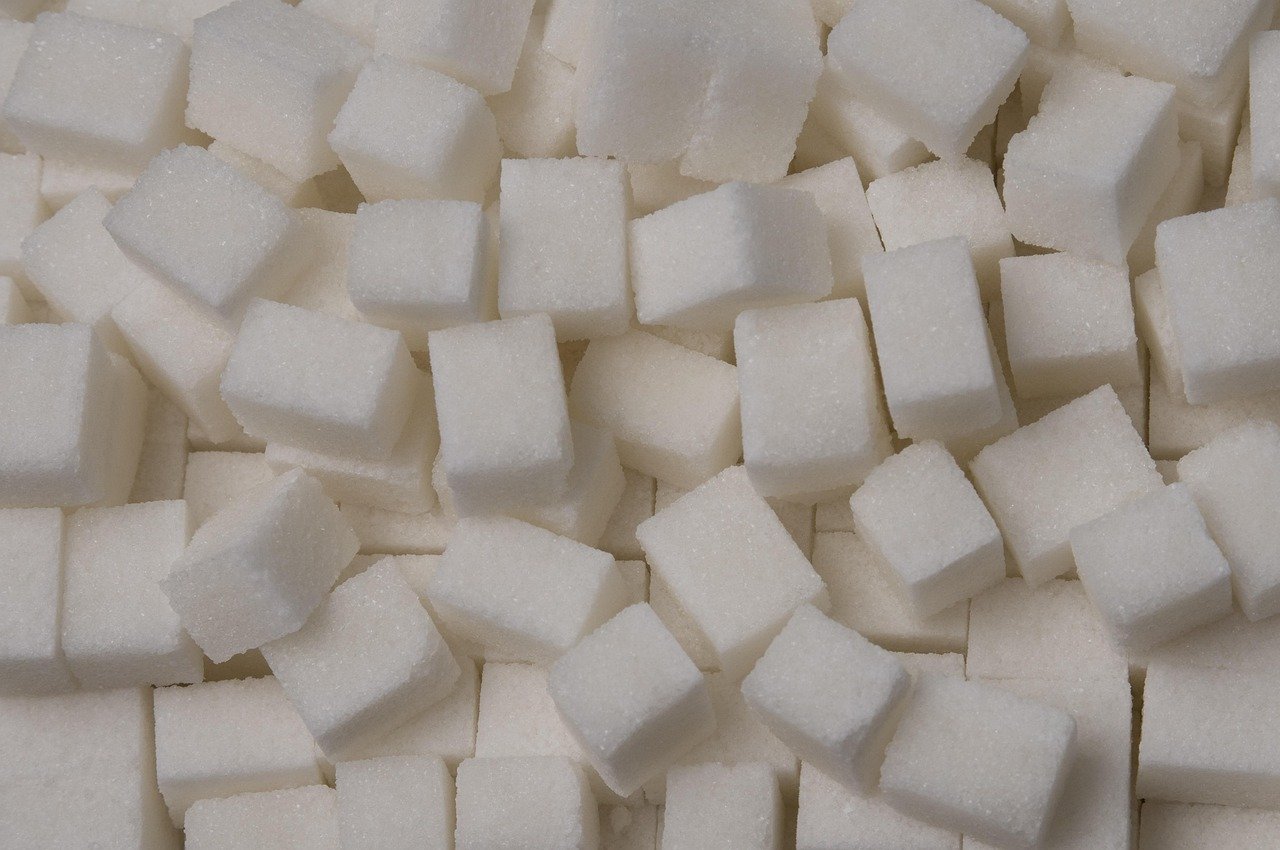
Refined sugar is hygroscopic, meaning it absorbs ambient moisture, which is why moisture content and storage conditions matter as much as the initial spec sheet. Properly dried and packed refined ICUMSA 100 sugar, kept in a dry warehouse away from temperature swings, holds its specification for up to two years unopened. Once bags are opened or exposed to humid conditions, caking can begin within weeks, which is a storage issue rather than a defect in the sugar itself.
- Store in a dry, covered warehouse, off the ground on pallets, away from direct sunlight and moisture sources
- Avoid temperature cycling, since repeated warm-cool cycles encourage moisture migration inside sealed bags
- Keep original packaging sealed until use, and reseal partially used bags tightly
- Rotate stock, using older inventory first rather than letting bags sit indefinitely
During ocean transport, containers are lined and ventilated appropriately to manage condensation risk, particularly on routes crossing significant temperature zones. This is standard practice, but worth confirming with your supplier rather than assuming it happens automatically.
Common Uses for Refined ICUMSA 100 Sugar
| Industry | Typical application |
|---|---|
| Food manufacturing | Baked goods, confectionery, general sweetening applications |
| Beverage production | Non-premium soft drinks, syrups, where the strictest color spec is not required |
| Repackaging and private label | Bulk purchase, repackaged into smaller retail or foodservice units |
| Industrial blending | Blended with other ingredients where sugar is a component, not the visual focus |
If your product is visually white sugar sold directly to consumers with a strict color expectation, ICUMSA 45 may be worth the price difference. For most manufacturing and blending applications, ICUMSA 100 performs the job at a meaningfully lower landed cost.

How We Confirm Quality Before Every Shipment
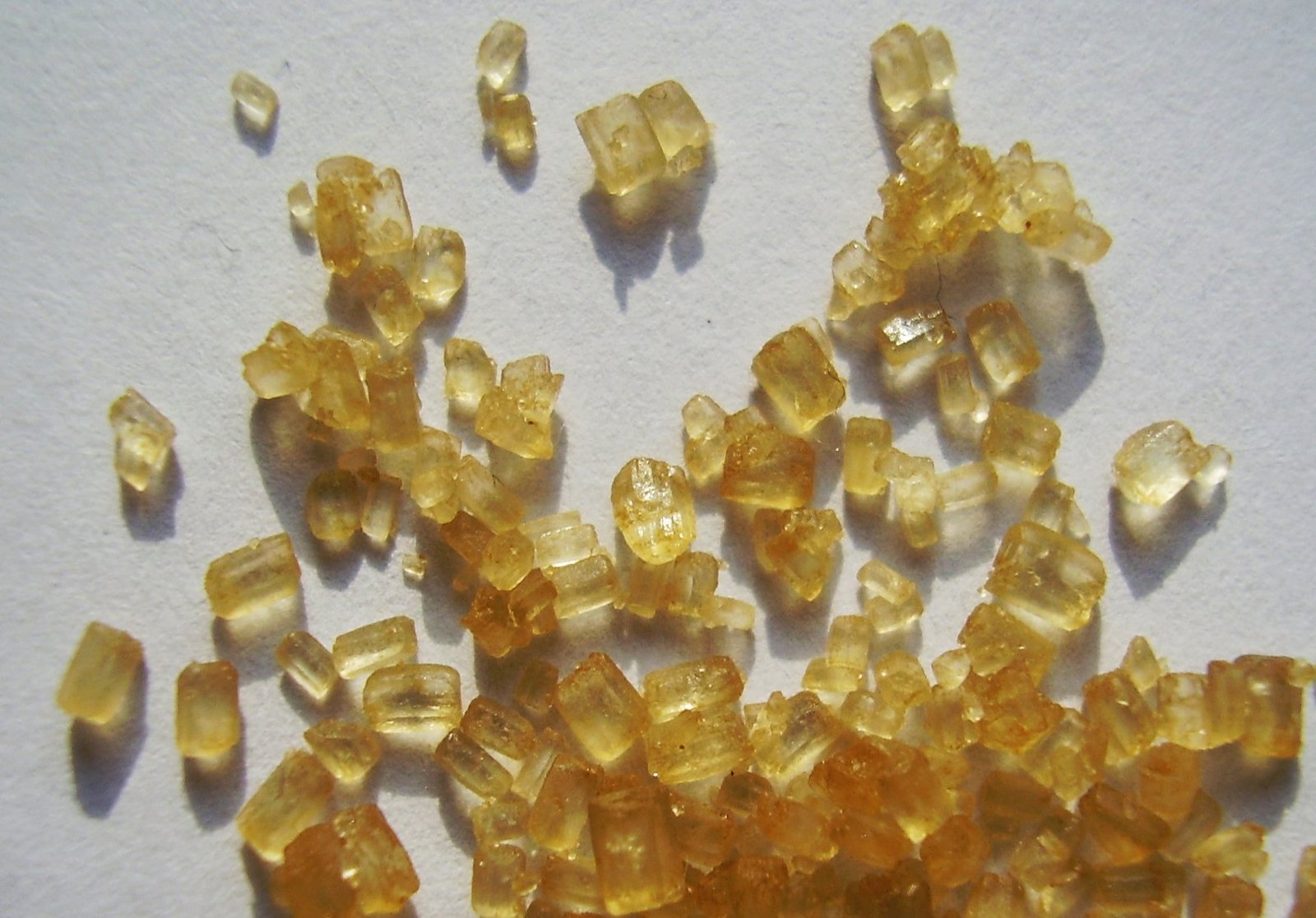
Every batch of refined ICUMSA 100 sugar we ship is tested against the full specification before it leaves the warehouse, and we can arrange independent third-party inspection for buyers who want verification beyond our own internal testing. This is not an unusual request in the sugar trade, and any refined sugar supplier unwilling to accommodate it is telling you something about how confident they actually are in their own product.
Packaging That Protects the Refining Investment
All that refining work is wasted if the sugar picks up moisture on the way to you. Refined ICUMSA 100 sugar leaving our facility is packed in food-grade polypropylene bags with an inner polyethylene liner, heat-sealed to resist humidity during transit. Jumbo bag orders use the same liner principle at scale. This is a basic step, but it is exactly the kind of detail that separates suppliers who think about the whole journey from ones who only think about the moment of loading.
How to Verify Refined ICUMSA 100 Sugar Before You Pay
- Request a Certificate of Analysis tied to the specific batch or container number, not a generic sheet
- Ask whether third-party inspection (SGS or equivalent) is available before or at loading
- Request a sealed sample for independent lab testing if this is a first order
- Confirm packing, weight, and labeling details in writing before production begins
- Check that polarization, moisture, and color figures are recent, not months old
None of this is unusual to ask for, and a supplier with nothing to hide will not treat these requests as an inconvenience.
Refined ICUMSA 100 vs Other Refined Grades
| Grade | Refining level | Typical buyer |
|---|---|---|
| ICUMSA 45 | Most heavily refined, whitest | Premium food and beverage, strict color spec |
| ICUMSA 100 | Refined, genuinely white | General manufacturing, repackaging, cost-conscious buyers |
| ICUMSA 150 | Less refined, slightly off-white | Buyers prioritizing cost further |
Refined ICUMSA 100 sugar is genuinely the middle ground: white enough for the overwhelming majority of applications, at a price point below the most refined grade on the market.
Frequently Asked Questions
Is ICUMSA 100 sugar considered fully refined? Yes, it has gone through the refining process to reach food-grade purity and a white appearance, though it sits a step below the most refined grades like ICUMSA 45 on the color scale.
How long does refined ICUMSA 100 sugar last in storage? Up to two years unopened in proper dry, climate-stable storage conditions, though this depends heavily on how well storage conditions are maintained.
Can refined ICUMSA 100 sugar be used in beverages? Yes, it is commonly used in beverage production where the strictest possible color specification is not a requirement.
What is the shelf life difference between opened and unopened bags? Unopened, properly stored bags hold spec for up to two years. Once opened, exposure to humidity can begin affecting texture and moisture content within weeks.
For technical reference on how sugar refining and color grading work, the International Commission for Uniform Methods of Sugar Analysis (icumsa.org) maintains the analytical standards, and the Food and Agriculture Organization’s Codex Alimentarius (fao.org) sets the international food safety standards refined sugar is measured against.
See current availability on our ICUMSA 100 sugar for sale page, or read about our ICUMSA 100 sugar exporter process for shipping details.