
If you have ever tried to source raw sugar internationally, you already know the market is crowded with people who call themselves a raw sugar exporter but who, when you actually push for details, turn out to be forwarding your email to three different mills and hoping one of them replies first. That is not exporting. That is guessing with your money on the line. A real raw sugar exporter controls the relationship with the mill, knows the batch that is going into your container, and can answer a question about polarization or moisture content without disappearing for a week.
We supply raw cane sugar to buyers across Africa, the Middle East, Asia, Europe and the Americas, and this page is written the way we would actually explain our process to a buyer on a call, not as a glossy overview. It covers what raw sugar actually is, the specification you should expect on paper, how we package and ship it, and what separates a genuine exporter from someone just reselling a price list.
What Raw Sugar Actually Is
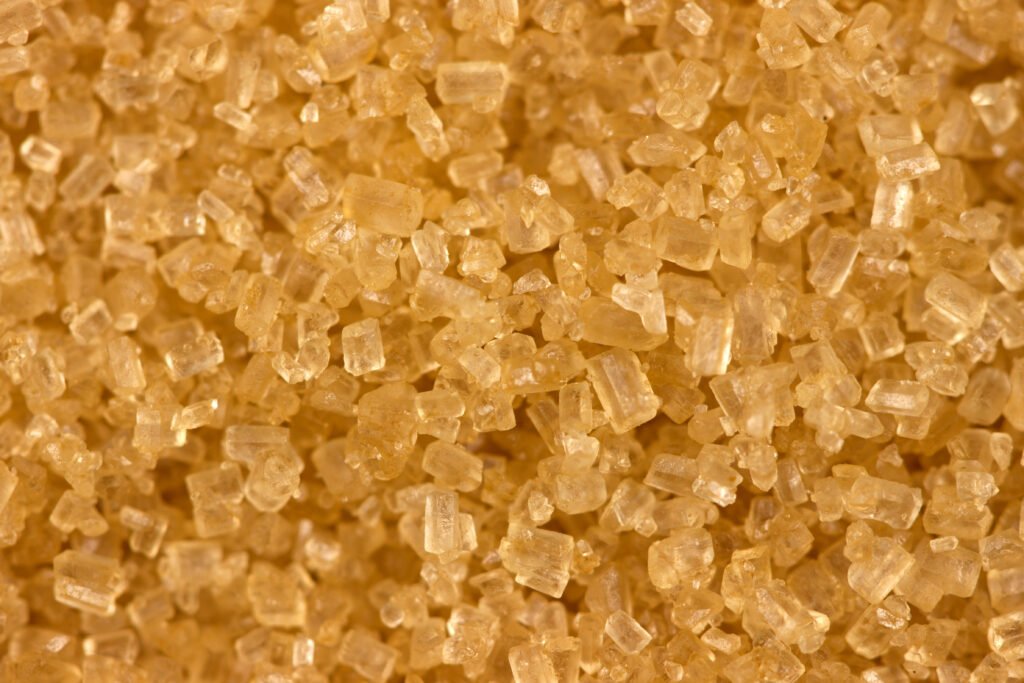
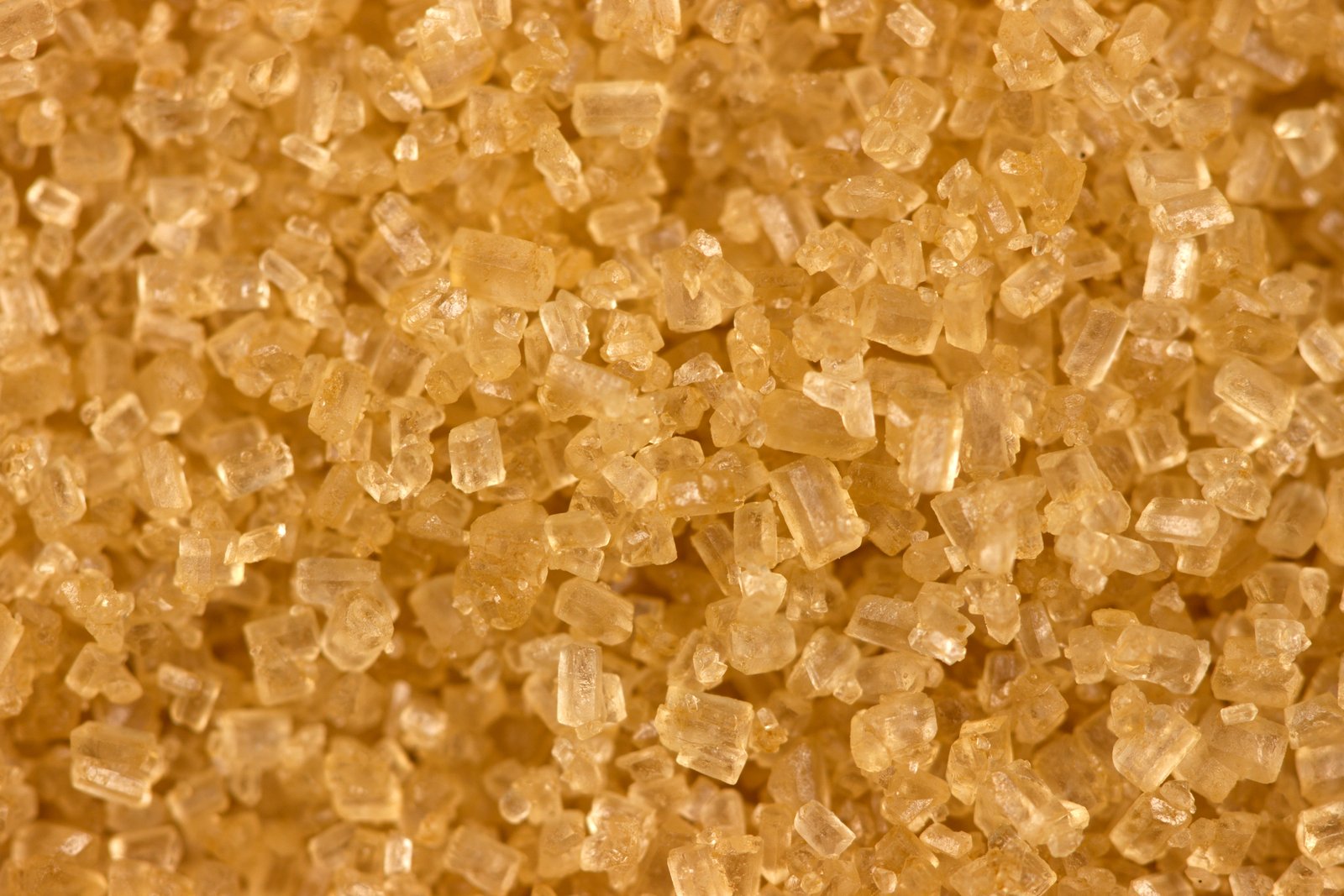
Raw sugar is the sugar that comes straight out of the initial crystallization process at the mill, before it goes through the further refining steps that turn it into white table sugar. It still carries a coating of molasses, which gives it that tan-to-brown color and a slightly sticky feel compared to refined sugar. It is not a finished consumer product on its own in most markets — it is an input. Refineries buy it to turn into white sugar. Some food and beverage producers use it directly where a raw, less-processed sugar fits the product. Traders buy it because the price gap between raw and refined creates margin opportunity.
Because it is an input rather than a finished good, consistency matters more here than almost anywhere else in the sugar trade. A refinery running raw sugar through its process needs the polarization, moisture and ash figures to sit in a tight, predictable band. A shipment that swings from batch to batch throws off yield calculations and can cost a buyer real money in processing losses.
Full Specification for the Raw Sugar We Export
| Parameter | Typical Specification |
|---|---|
| ICUMSA color | 600 – 1,200 IU |
| Polarization | 96.0° – 99.0° minimum |
| Moisture content | 0.15% – 0.50% maximum |
| Ash content | 0.15% maximum |
| Reducing sugars | 1.0% maximum |
| Crystal size | Medium to large, uniform |
| Color | Light to medium brown |
| Foreign matter | None detectable |
| Solubility | High, clean dissolve |
Every container we load ships with a certificate of analysis tied to that specific batch, not a spec sheet lifted from a brochure and reused for every inquiry. If you are comparing offers from more than one raw sugar exporter, ask each of them for a current certificate against an actual production date, and be a little suspicious of anyone who can only offer a generic one.
Grades We Supply
Raw sugar is not one single product. Depending on your process and your end use, you might need a lower-color, higher-polarization grade closer to 600 IU, or a more standard 800–1,200 IU grade that costs less and works fine for most refining operations. We carry both:
- Grade E raw cane sugar (ICUMSA 600–1,200) — the workhorse grade most refineries and blenders order, balancing purity, cost and availability.
- Higher polarization raw sugar (98°+) — for buyers who need a lower-loss input for their own refining line.
- VHP raw sugar — very high polarization sugar, popular with traders and refineries that want the cleanest raw input available at scale.
Tell us your end use — refining, direct blending, resale — and we will point you to the grade that actually fits rather than the one with the best margin for us.
How We Package Raw Sugar for Export
Poor packaging undoes good product. Raw sugar is hygroscopic, meaning it pulls moisture straight out of the air, and a bag with a weak seal or a container with condensation problems will show up as clumping, weight variance, or worse by the time it reaches you.
- Food-grade polypropylene bags, 50 kg standard, with a moisture-resistant inner liner
- 1,000 kg jumbo bags for buyers with forklift or crane unloading capability
- Bulk vessel loading for buyers moving several thousand tons at a time
- Palletized loading inside containers to prevent shifting and bag damage during transit
- Container inspection for cleanliness and structural integrity before any product goes in
As a raw sugar exporter shipping to climates that range from dry desert ports to humid coastal ones, we adjust packaging to the actual route rather than using the same setup for every destination. A container heading to a hot, humid port gets more attention on ventilation and liner quality than one heading somewhere drier.
Documentation Every Shipment Includes
Paperwork is where a lot of export deals actually go wrong, usually because of a missing certificate rather than a problem with the sugar itself. Here is what we issue as standard with every order:
- Commercial invoice stating buyer, seller, quantity, price and Incoterm
- Packing list confirming bag counts, container numbers and weights
- Bill of lading from the carrier
- Certificate of origin
- Certificate of analysis tied to the actual batch loaded
- Phytosanitary certificate
- Health certificate confirming fitness for further processing or human consumption where applicable
- Fumigation certificate for wooden pallets, where the destination country requires it
If your customs authority has additional requirements beyond this list, raise it before we confirm the order, not after the vessel has already sailed. Sorting documentation before loading is a five-minute conversation. Sorting it after a container is sitting at a foreign port waiting on customs clearance is a very different, much more expensive conversation.
Where We Source From
As a raw sugar exporter, our sourcing follows the world’s major cane-producing regions:
- Brazil — the largest raw sugar exporter globally, with consistent quality and the deepest available supply
- India — the largest producer overall, strong for Asian and African destinations
- Thailand — a reliable source for buyers across Southeast Asia and the Middle East
- Colombia and Guatemala — useful alternate origins, particularly for buyers in the Americas
Origin availability shifts with harvest timing and current stock levels, so when you request a quote we confirm the origin that is actually available that week rather than promising something we cannot deliver on schedule.
Shipping Terms
We quote raw sugar exports on the two terms that dominate this trade:
- FOB (Free On Board) — we load the sugar onto the vessel at the origin port, and you take responsibility from there, arranging your own freight and insurance. This suits buyers who already have freight forwarding relationships they trust.
- CIF (Cost, Insurance, Freight) — we cover freight and insurance through to your destination port, giving you one number to budget against. This is the more common choice for buyers new to importing sugar, since it removes a layer of coordination.
Ports and Regions We Ship To
As a global raw sugar exporter, we are not limited to a handful of routes. Common destinations include:
- Africa: Lagos, Dakar, Abidjan, Mombasa, Dar es Salaam, Tema
- Middle East: Jeddah, Jebel Ali, Muscat, Kuwait
- Asia: Singapore, Mumbai, Chennai, Colombo, Karachi, Chittagong
- Europe: Rotterdam, Hamburg, Antwerp, Barcelona
- Americas: Miami, Houston, Veracruz, Cartagena
If your port is not on that list, ask anyway. We ship to most ports worldwide equipped to receive bulk commodity cargo.
Minimum Order Quantities and Lead Times
| Order type | Typical minimum |
|---|---|
| Container order | Roughly 24–27 metric tons per 20ft container |
| Multi-container order | 50+ metric tons |
| Bulk vessel | 2,000+ metric tons |
Lead time from confirmed order to vessel loading generally runs 15–30 days for stock orders, and 30–45 days when a custom production run is required. We put a realistic figure in the proforma invoice rather than the fastest possible number, because a lead time that slips repeatedly is worse for your planning than an honest one from the start.
Quality Control on Every Shipment
Consistency does not happen by accident — it comes from checking the product at multiple stages rather than trusting a single test at the end:
- Pre-loading sampling and lab testing before sugar goes anywhere near a container
- Moisture verification at loading, since even a small increase compounds during a long ocean transit
- Bag seal and labeling checks before palletizing
- Container cleanliness and structural inspection before loading begins
- Third-party inspection (SGS, Bureau Veritas or equivalent) available on request, common for larger orders
Industries That Buy Raw Sugar From Us
- Sugar refineries buying raw input for further processing
- Beverage and syrup manufacturers
- Confectionery and bakery ingredient suppliers
- Commodity traders building physical positions
- Regional distributors supplying smaller buyers downstream
How to Vet Any Raw Sugar Exporter Before You Commit
The sugar trade has its share of operators who never intend to ship a single ton. A few questions worth asking before you send anything:
- Can you name the actual mill or origin, not just a country?
- Can you provide a certificate of analysis tied to an actual batch and date?
- Are you willing to arrange third-party inspection before loading?
- What happens if the delivered product tests outside the agreed specification?
- Do your bank details match the company name on your correspondence?
A legitimate raw sugar exporter answers these questions directly, without hesitation and without pressuring you to wire funds before any documentation has changed hands. Be cautious of prices sitting noticeably below the going market rate with no clear explanation — that gap usually means either a misrepresented grade or a deal that was never going to ship in the first place.
FOB vs CIF: Which Should You Choose
Neither option is automatically better. FOB gives you control over freight forwarder selection and can work out cheaper if you already have strong shipping relationships. CIF is simpler for a first order, since one number covers product, freight and insurance, and you are not coordinating a separate freight booking on your own. If this is your first raw sugar import, CIF usually removes one more variable while you are still learning how the process works.
A Practical Example
One buyer we work with, a regional refinery, initially sourced raw sugar from a broker offering a price a fair bit below what everyone else was quoting. The first shipment arrived with moisture readings above spec, which caused clumping in transit and forced a partial rejection. After moving to a direct supplier relationship with verified batch testing, they built a standing practice of requesting a pre-shipment sample on every new production run before committing to a full container. It costs a little time upfront, and it has saved them from repeating that first mistake.
What Drives the Price a Raw Sugar Exporter Quotes You
Raw sugar pricing does not come from a fixed catalog. It moves with a handful of factors, and understanding them makes it easier to judge whether a quote you receive from any raw sugar exporter is realistic:
- Global commodity pricing — raw sugar tracks futures markets, and every quote you receive reflects where that market sits on the day of the offer.
- Order volume — larger and recurring orders generally secure a better per-ton price, since fixed costs like inspection and documentation spread across more tonnage.
- Origin — freight distance and harvest conditions in a given producing country affect the base price.
- Packaging format — bulk vessel loading costs less per ton than bagged shipments, since labor and packaging materials add cost.
- Freight route and current rates — port congestion, fuel costs and distance all factor into a CIF quote.
- Payment terms — letters of credit, advance payment or documentary collection can each shift the final number slightly.
When you are comparing quotes from more than one raw sugar exporter, check exactly what is included. Some quotes bury freight, insurance or documentation fees as separate line items, which makes an initially lower number misleading once you calculate the full landed cost.
Storage and Handling After Delivery
Getting a container to your warehouse is only half the job. What happens to raw sugar after it arrives determines whether it stays close to the condition it was loaded in.
- Keep it dry. Raw sugar pulls moisture from the air, so store bags off the floor on pallets, in a space with stable humidity, away from walls where condensation collects.
- Watch stacking height. Bags stacked too high for too long compress and clump at the bottom of the pile. Follow standard pallet guidance, typically no more than eight to ten bags high for 50 kg bags.
- Rotate stock. Older inventory sitting untouched in a humid corner is exactly how clumping and caking happen. First-in, first-out keeps that risk low.
- Reseal opened jumbo bags promptly. Once a 1,000 kg bag is opened, the exposed sugar at the surface is the first to pick up ambient moisture.
Raw Sugar vs Refined Sugar: A Quick Comparison
| Grade | Color (ICUMSA units) | Typical buyer | Relative price |
|---|---|---|---|
| Raw sugar | 600–1,200 | Refineries, blenders, traders | Lowest, but requires further processing for most direct food use |
| ICUMSA 100 | 80–100 | Food manufacturing, beverages | Mid-range |
| ICUMSA 45 | 25–45 | Retail table sugar, premium food and beverage | Highest |
If your business is a refinery or a trader looking for the lowest entry cost per ton, raw sugar from a direct exporter is the right starting point. If you need a finished, food-ready product, you will want one of the refined grades instead.
Sustainability and Sourcing Questions Worth Asking
More buyers, particularly larger manufacturers with their own supply chain reporting requirements, are asking where their raw sugar actually comes from and how it was grown, not just what grade it carries. A raw sugar exporter with a real mill relationship can answer questions about cane sourcing, water usage and origin documentation directly, rather than giving a vague answer about “multiple origins.” If your organization needs this kind of documentation for internal procurement policy or retail partner audits, raise it at the quoting stage so it can be prepared alongside the standard export paperwork rather than chased down after the shipment has already left.
Common Mistakes First-Time Buyers Make
- Chasing the lowest price without checking the source. A quote well below the going market rate is a signal to ask more questions, not a bargain to grab quickly.
- Skipping the sample stage. A small sample shipment costs little compared to discovering a full container does not match spec after it is already at sea.
- Not confirming packaging in writing before production starts. Changing bag size or format mid-order is far more difficult once loading has begun.
- Assuming every raw sugar exporter offers the same grade. Two suppliers can both say “raw sugar” while sitting at opposite ends of the 600–1,200 ICUMSA range. Always request the actual certificate for your specific batch.
- Overlooking payment term flexibility. An established raw sugar exporter with a real track record is usually willing to discuss letter of credit or partial advance structures rather than demanding full payment upfront with no documentation exchanged.
Frequently Asked Questions
What is the difference between raw sugar and refined sugar?
Raw sugar still carries a molasses coating and has a higher ICUMSA color value, typically 600 IU or above. Refined sugar has gone through additional processing to remove that coating and reach a white, food-ready state. Raw sugar is usually an input for further refining rather than a finished retail product.
Can raw sugar be used directly without further refining?
In some applications, yes, particularly where a less-processed sugar fits the product profile. For most food and beverage manufacturing, though, raw sugar is purchased as an input for a refinery or further processing step rather than used as-is.
What is the minimum order quantity for raw sugar?
Container orders typically start around 24–27 metric tons. Larger buyers move multiple containers or full bulk vessels. Reach out with your target volume and we will tell you plainly what is realistic for your timeline.
Do you ship worldwide?
Yes. We export raw sugar to buyers across Africa, the Middle East, Asia, Europe and the Americas, on both FOB and CIF terms.
How do I confirm the ICUMSA color and polarization before buying?
Request an independent lab’s certificate of analysis tied to the specific batch you would be buying, not a generic spec sheet. You can also review the testing methods published by the International Commission for Uniform Methods of Sugar Analysis, the body that maintains the ICUMSA grading standard referenced throughout this trade.
Request a Quote
We export raw sugar in bulk to buyers worldwide, with verified specifications, complete documentation, and shipping terms that hold up once the vessel actually sails. Send us your target volume, destination port and preferred grade, and we will respond with a formal offer and a current certificate of analysis.
Looking for the fully refined option instead? Our ICUMSA 100 sugar for sale page covers pricing and packing for the white refined grade. If you are further along and comparing distribution options, see our ICUMSA 100 sugar distributor page, or read about our bulk raw sugar shipping process for container and vessel-scale orders.