

If you’re sourcing bulk raw sugar for a production line, a distribution business, or a refinery, you’re probably past the point of needing the basics explained. This is a practical, spec-focused guide covering what bulk orders actually look like, how logistics work at scale, and what separates a supplier who handles bulk volume well from one who’s really only set up for small orders.
What Counts as “Bulk” in the Raw Sugar Trade
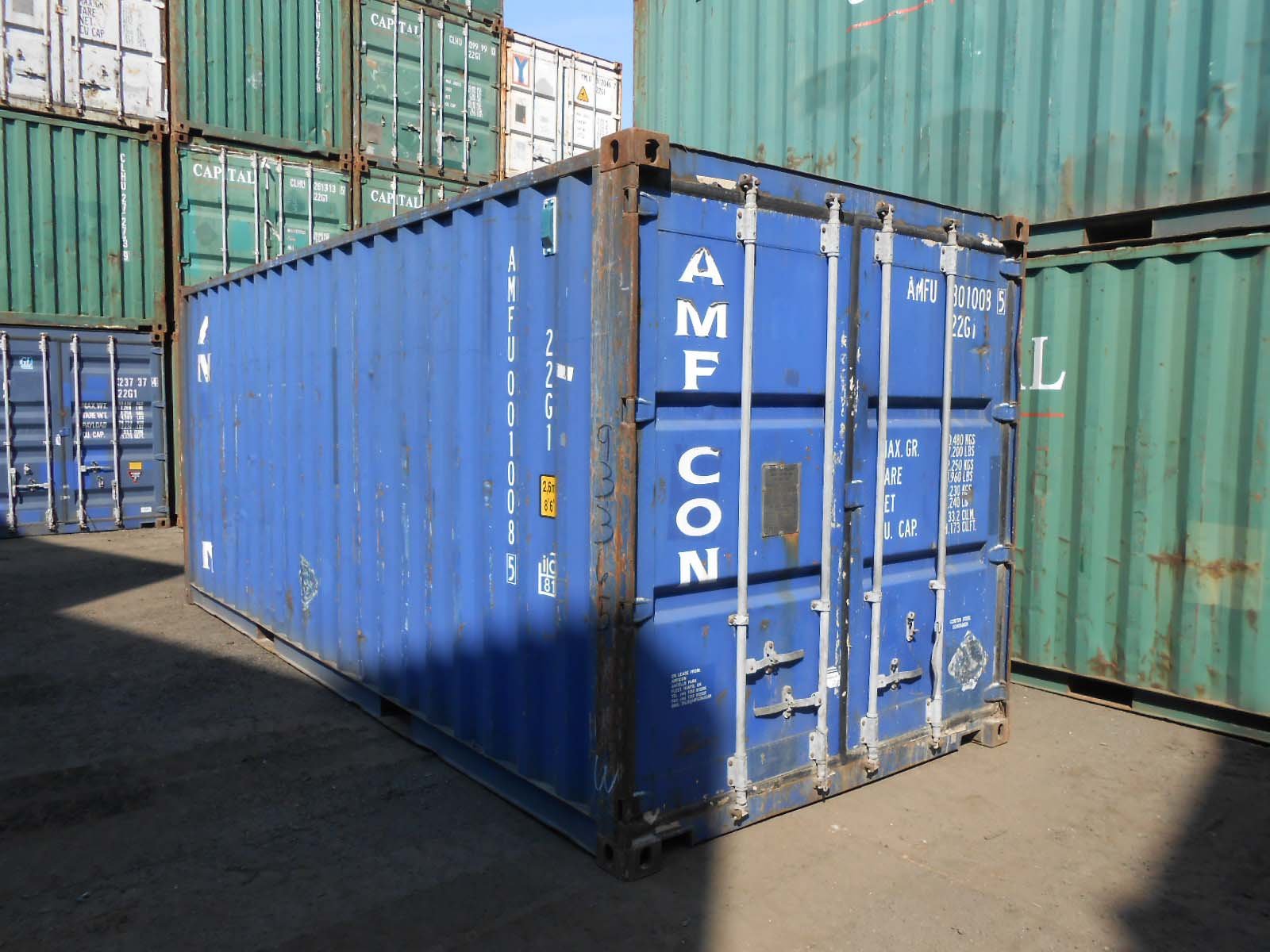
Bulk raw sugar generally refers to orders moving in full container loads or larger—starting around 25 metric tons for a single 20ft container, scaling up through multi-container orders, and into full vessel shipments for the largest buyers. It’s distinct from packaged retail sugar in both scale and handling: bulk orders are priced, packed, and shipped as commodity freight, not consumer goods.
The product itself is sugar extracted from sugarcane and crystallized without full refining, keeping a natural molasses coating that gives it a tan-to-brown color and fuller flavor than white sugar. Most bulk orders are Very High Polarization (VHP) grade, the standard traded commodity used directly or as refinery feedstock.
Specifications for Bulk Orders
| Parameter | Typical Value |
|---|---|
| Polarization | 98.5° – 99.5° min |
| Moisture | 0.10% – 0.5% max |
| Color (ICUMSA) | 800 – 1500 IU |
| Ash content | 0.15% – 0.4% |
| Granulation | Medium to coarse, uniform |
| Sulphur dioxide (SO2) | 20 ppm max |
| Foreign matter | Free from visible impurities |
For bulk raw sugar specifically, consistency across the full order matters as much as hitting the target numbers on paper. A batch that averages within spec but swings widely from container to container causes more downstream problems than one that sits reliably in the middle of the range throughout.
Bulk Bag vs Container Liner vs Vessel Bulk
There are a few distinct ways bulk raw sugar actually moves, and which one fits depends on your volume and receiving infrastructure:
- 1-ton jumbo bags are the most common bulk format—easy to handle with standard forklift equipment, loaded multiple to a container.
- Container liners allow raw sugar to be loaded loose into a lined shipping container, skipping individual bagging entirely. This reduces packaging cost but requires pneumatic or mechanical unloading equipment on your end.
- Bulk vessel shipment is used for the largest orders, where sugar is loaded directly into a ship’s hold rather than containers. This becomes cost-effective at very high volumes but needs port infrastructure capable of bulk handling.
Most of our buyers land on jumbo bags as the practical middle ground—bulk enough to be efficient, but not requiring specialized unloading infrastructure most facilities don’t have.
Who Orders Bulk Raw Sugar
- Refineries using it as feedstock for further processing into white or specialty sugars.
- Large-scale food and beverage manufacturers running high-volume production lines.
- Distributors buying bulk to break into smaller resale lots.
- Commodity trading houses handling bulk raw sugar as part of a broader trade portfolio.
- Government and institutional buyers managing large-scale food supply programs.
Pricing at Bulk Volume
Bulk raw sugar pricing tracks the ICE No. 11 raw sugar futures market as a baseline, with per-ton cost generally improving as order volume increases, since fixed costs spread across more tonnage. We quote FOB, CFR, or CIF depending on your logistics setup, and for genuinely large or recurring bulk volume, we can discuss structured pricing arrangements that offer more predictability than pure spot-market purchasing. If your organization buys bulk raw sugar on a regular schedule, it’s worth having that conversation early rather than negotiating fresh terms on every order.
Logistics Planning for Bulk Shipments
Bulk orders take more coordination than smaller ones, simply because more is riding on getting the details right the first time. Container or vessel booking needs to align with your production or distribution schedule, port capacity at both ends needs to be confirmed, and documentation needs to be prepared well ahead of loading rather than scrambled together at the last minute. We build lead time into our quotes that reflects the real production and shipping timeline for bulk orders, rather than an optimistic estimate that falls apart under real-world port congestion or scheduling conflicts.
Quality Assurance for Bulk Orders
The scale of bulk orders makes quality control more important, not less. We test every batch for polarization, moisture, and color before it ships, and for bulk-volume orders we strongly recommend third-party inspection through SGS, Bureau Veritas, or an equivalent local inspector at the load port. The inspection cost is marginal against the value of a full bulk shipment, and it gives you independent documentation if a quality question comes up after arrival—something that matters considerably more when the shipment in question represents dozens of tons rather than a handful of bags.
Documentation for Bulk Shipments
Bulk shipments come with a full documentation package: certificate of analysis with actual test results, certificate of origin, packing list, and bill of lading, with phytosanitary certification added where required by the destination country. For buyers managing bulk imports as part of a larger supply chain, we can also coordinate documentation formats to match your existing customs and compliance processes, rather than handing over generic paperwork that needs to be reformatted on your end.
Storage Considerations at Bulk Scale
Storing bulk raw sugar properly matters more as volume increases, since a moisture or temperature issue affects the whole lot rather than a single bag. Keep warehouse humidity below roughly 65% to avoid caking, ensure adequate ventilation, and manage stock rotation on a first-in, first-out basis so older inventory doesn’t sit long enough to develop quality issues. If your facility handles multiple sugar grades or commodities, keep bulk raw sugar stock clearly separated and labeled—visual mix-ups between similar-looking bulk commodities happen more often than people expect in busy warehouses.
Understanding Shipping Terms: FOB, CFR, and CIF
These terms come up on every bulk quote, so it’s worth being clear on them. FOB (Free On Board) means the price covers the sugar loaded onto the vessel at origin, with the buyer arranging freight and insurance from there—common among bulk buyers with established freight forwarder relationships who want more control over shipping costs. CFR (Cost and Freight) bundles ocean freight into the price but excludes insurance. CIF (Cost, Insurance, and Freight) includes both, offering the simplest option for buyers without existing freight infrastructure. We quote all three so you can choose based on your own logistics capabilities.
A Buyer’s Checklist for Bulk Orders
- Confirm the exact specification range in writing before the order is placed, not verbally.
- Decide on third-party inspection and build it into the contract if it matters for your compliance process.
- Confirm your receiving infrastructure matches the packaging format—jumbo bags, container liner, or vessel bulk.
- Plan lead time realistically, accounting for production, testing, and shipping—not just the fastest theoretical timeline.
- If this is a recurring bulk need, discuss a standing supply arrangement rather than renegotiating every time.
- Get full documentation confirmed and reviewed before the shipment moves.
Where Bulk Raw Sugar Comes From
We source bulk raw sugar primarily from Brazilian mills, with additional capacity from Thailand and India depending on order size and market timing. Brazilian VHP has become the benchmark for large bulk buyers because the mills there run consistent, high-throughput processing—a real advantage at bulk scale, where inconsistency between shipments creates much bigger downstream problems than it would on a small order. Origin also has a mild effect on flavor and color: Brazilian sugar tends to run slightly milder, while some Asian origins carry a more pronounced molasses character. If flavor or color consistency matters for your product line, flag that at the quote stage so we can lock in a single origin across your bulk order rather than mixing sources.
Why Buyers Choose Us for Bulk Orders
Handling bulk raw sugar well isn’t just about having volume available—it’s about managing the logistics, documentation, and quality control that come with moving large quantities reliably. We test every batch ourselves rather than relying purely on a mill’s paperwork, and we’re upfront about realistic lead times rather than quoting an optimistic date that falls apart once port scheduling gets involved. For bulk buyers with recurring needs, we assign a dedicated point of contact who understands your specific volume patterns, packaging preferences, and documentation requirements, so you’re not re-explaining your setup on every order. That consistency tends to matter a great deal once a bulk relationship moves past the first shipment or two.
Industry-Specific Notes on Bulk Orders
Different industries lean on different parts of the bulk order process. Refineries buying bulk raw sugar as feedstock tend to focus heavily on polarization consistency, since that directly affects their own processing yield. Large food manufacturers running continuous production lines care most about delivery scheduling reliability, since a delayed bulk shipment can stall a production run. Commodity trading houses moving bulk raw sugar as inventory often prioritize documentation accuracy and flexibility on shipping terms, since the sugar may get resold or rerouted before it reaches a final buyer. Telling us which of these matters most for your business helps us tailor the order process to what actually affects your operation, rather than a one-size-fits-all approach.
Common Mistakes With Bulk Orders
The most expensive mistake at bulk scale is treating quality control the same way you would for a small trial order—skipping independent inspection to save a modest fee is a much bigger gamble when it’s covering a full bulk shipment rather than a sample bag. Another common issue is underestimating how long bulk logistics actually take, especially around port congestion or peak shipping seasons, and rushing to compensate usually means paying a premium for expedited freight that better planning would have avoided. A third is not confirming receiving infrastructure ahead of time—ordering container liner bulk sugar without the pneumatic unloading equipment to handle it creates a real problem the moment the container arrives.
Sourcing and Sustainability
Buyers sourcing bulk raw sugar increasingly want to know about farming and processing practices as part of their own supply chain due diligence. The mills we work with have moved toward mechanized, green harvesting that avoids pre-harvest cane burning, cutting emissions and returning more plant residue to the soil or bioenergy use. If sustainability documentation matters for your organization’s reporting, ask us at the quote stage and we’ll tell you plainly what’s available for the specific origin and volume you need.
International Standards
Bulk raw sugar shipped internationally is generally expected to meet the food safety benchmarks set by the Codex Alimentarius, the joint FAO/WHO body responsible for international food standards, covering limits on sulphur dioxide residues and heavy metals among other criteria. Buyers importing into markets with stricter national requirements, such as the EU or US, should check those specific rules as well, since they can exceed the Codex baseline. We build our documentation to align with these standards so your compliance team has something concrete to work from.
If your operation also needs refined sugar at bulk volume, our bulk ICUMSA 100 sugar guide covers the fully refined equivalent, and our wholesale raw sugar page goes deeper into standing supply arrangements for recurring buyers.
How to Place a Bulk Order
- Send us your target volume and destination port.
- Confirm your preferred shipping terms (FOB, CFR, or CIF) and packaging format.
- We return a quote with current pricing, realistic lead time, and payment terms.
- Once terms are confirmed, we lock the sourcing slot and begin pre-shipment quality testing.
- Full documentation is prepared and the shipment is booked, with tracking through to delivery.
Frequently Asked Questions
What’s the minimum order considered “bulk”?
Generally a single 20ft container, roughly 25 metric tons, though the term applies more broadly to any container-load-and-up order.
Can you handle vessel-size bulk orders?
Yes, for buyers with the volume and port infrastructure to support bulk vessel shipment, we can arrange it alongside standard container logistics.
Do you offer standing supply agreements for recurring bulk buyers?
Yes, with agreed delivery schedules and pricing mechanisms structured around your specific volume needs.
How consistent is quality across a large bulk order?
We test every batch against the agreed specification before loading, so buyers shouldn’t see meaningful drift across a bulk shipment placed to a single spec.
What happens if part of a bulk shipment doesn’t meet spec?
This is exactly why we recommend third-party inspection at loading. If a documented discrepancy is found, we work with you and the inspection report to resolve it fairly.
Request a Bulk Quote
Send us your target volume, destination, and preferred shipping terms, and we’ll return a real quote built around how bulk orders actually move—not a generic estimate that falls apart once logistics get involved.