

Buying wholesale raw sugar is a different animal from a small retail purchase, and the buyers who do it well tend to ask different questions than first-time buyers do. This is written for the wholesale side of the business—distributors, manufacturers, and repackagers moving real volume, not one bag at a time.
What “Wholesale” Actually Means Here
When we talk about wholesale raw sugar, we mean container-load quantities and up—typically starting around 25 metric tons (a single 20ft container) and scaling to multi-container or vessel-load orders for larger operations. Pricing, terms, and service all shift once you’re in this volume range, which is why wholesale buyers get a different conversation than someone asking about a pallet.
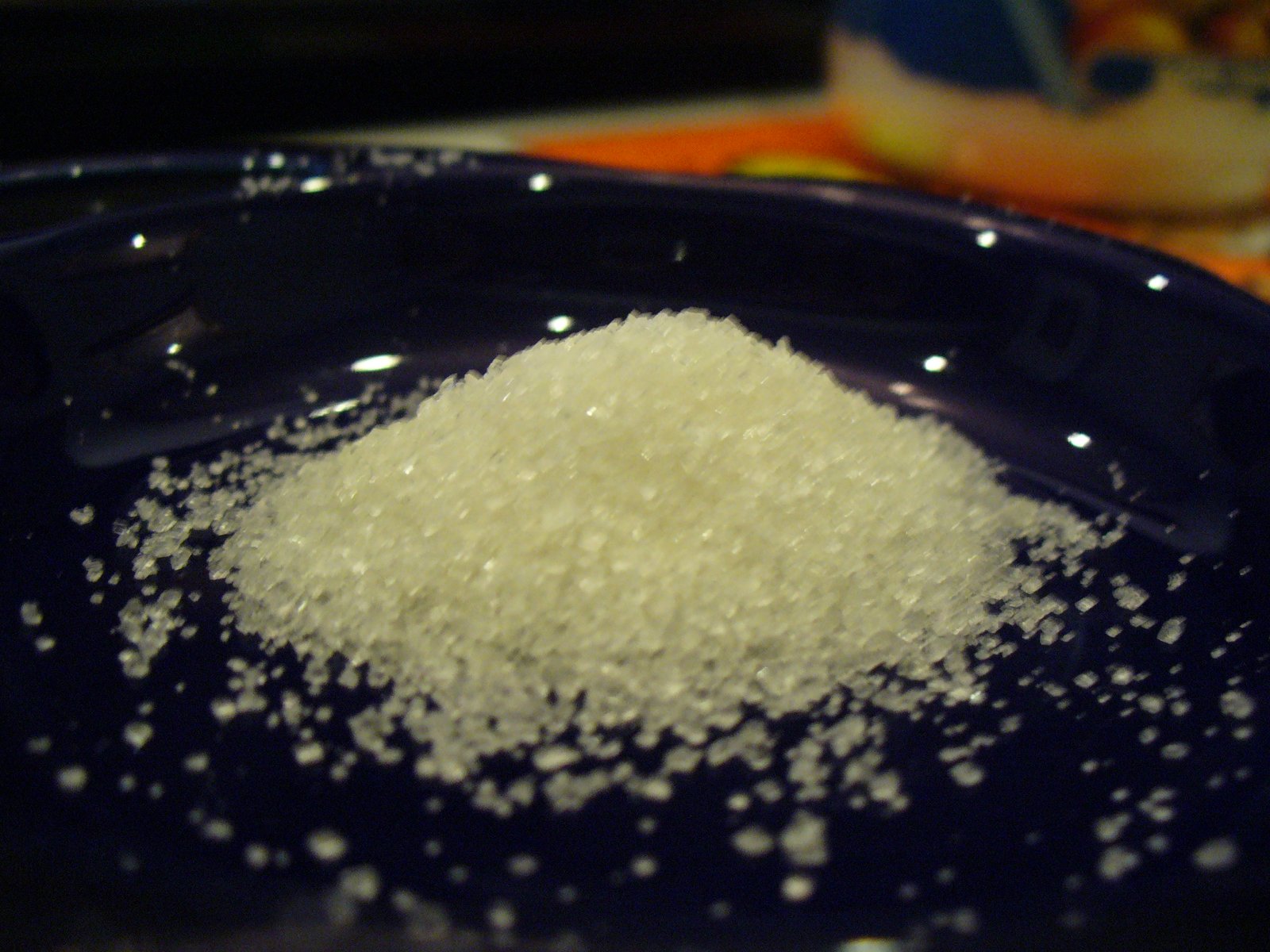
Raw sugar itself, for anyone new to the term, is sugar extracted from sugarcane and crystallized but not fully refined—it keeps a natural molasses coating that gives it a tan-to-brown color and a fuller flavor than white sugar. Most wholesale orders are for Very High Polarization (VHP) grade, the standard export commodity used either directly or as refinery feedstock.
Specifications for Wholesale Orders
| Parameter | Typical Value |
|---|---|
| Polarization | 98.5° – 99.5° min |
| Moisture | 0.10% – 0.5% max |
| Color (ICUMSA) | 800 – 1500 IU |
| Ash content | 0.15% – 0.4% |
| Granulation | Medium to coarse, uniform |
| Sulphur dioxide (SO2) | 20 ppm max |
On wholesale orders, we work with buyers to tighten these ranges where needed—if your downstream customers require a narrower moisture tolerance or a specific color band, we adjust sourcing and testing to hit it consistently across the full order, not just on the first pallet.
Who Buys Wholesale Raw Sugar
- Distributors buying container volumes to resell in smaller lots to regional food manufacturers and retailers.
- Refineries sourcing feedstock at scale for their own production lines.
- Large food and beverage manufacturers with recurring production needs that make spot-buying inefficient.
- Import/export trading houses moving wholesale raw sugar as part of a broader commodity book.
- Co-packers and private label manufacturers supplying multiple downstream brands from a single bulk source.
How Wholesale Pricing Works
Wholesale raw sugar pricing starts from the same baseline as any other order—the ICE No. 11 raw sugar futures market—but the per-ton cost drops as order size increases, since fixed costs like documentation, inspection, and freight booking spread across more tonnage. For buyers placing recurring wholesale orders, we also offer standing supply agreements with locked pricing windows, which can smooth out some of the volatility that comes with buying fresh on the spot market every time. If your volume is large and consistent enough, it’s worth discussing a longer-term contract rather than negotiating from scratch on every purchase.
We quote FOB, CFR, or CIF depending on your logistics setup. Larger wholesale buyers with established freight forwarder relationships often prefer FOB, since it gives them more control over freight costs and scheduling; buyers without that infrastructure usually find CIF simpler.
Packaging for Wholesale Volume
Wholesale orders typically move in one of two formats: 50kg polypropylene bags on pallets, or 1-ton jumbo bags for buyers with bulk material handling systems. For very large recurring orders, we can also discuss bulk container liner options that skip individual bagging entirely, which reduces packaging cost but requires the right unloading infrastructure on your end. Tell us how your facility receives and stores sugar, and we’ll recommend the packaging format that actually fits your operation instead of defaulting to whatever’s easiest for us to load.
Container and Vessel Logistics
Standard wholesale orders load into 20ft containers (roughly 25 metric tons) or 40ft containers (roughly 27–28 metric tons depending on packaging density). For buyers moving significantly larger volumes, we can also arrange bulk vessel shipments, which becomes more cost-effective at scale but requires port infrastructure capable of handling bulk unloading rather than container devanning. If you’re not sure which logistics setup fits your volume, we can walk through the trade-offs based on your actual order size and destination port capabilities.
Quality Control at Wholesale Scale
The bigger the order, the more a quality issue costs if it isn’t caught before shipping. We test every wholesale batch for polarization, moisture, and color before loading, and for wholesale-volume orders, we strongly recommend third-party inspection through SGS, Bureau Veritas, or a comparable local inspector at the load port—the cost is marginal relative to the order value, and it gives you an independent record if any question comes up after arrival. A lot of our established wholesale buyers have this built into their standard purchasing process, and we’re glad to make it part of ours too.
Documentation for Wholesale Shipments
Every wholesale shipment comes with a certificate of analysis showing actual test results (not just a “meets spec” statement), certificate of origin, packing list, and bill of lading. Phytosanitary certification gets added where the destination country requires it. If your wholesale operation has specific documentation needs—certain import licenses, specific customs codes, additional testing certificates—flag them at the quote stage so we can build them into the paperwork from the start.
Setting Up a Recurring Wholesale Supply Arrangement
If you’re buying wholesale raw sugar regularly rather than as a one-off, a standing supply agreement is usually worth setting up. This typically involves agreeing on a delivery schedule, a pricing mechanism (fixed, or tied to the futures market with a set differential), and minimum/maximum volumes per shipment. The benefit is predictability—you’re not renegotiating terms every time you need product, and we can plan sourcing further ahead, which sometimes translates into better pricing than repeated spot purchases. We’re happy to structure this however fits your production schedule, whether that’s monthly, quarterly, or tied to your own demand forecasting.
Where Wholesale Raw Sugar Comes From
We source wholesale raw sugar mainly from Brazilian mills, supplemented by Thai and Indian mills depending on order size, timing, and market conditions. Brazilian VHP has become the benchmark grade for large-scale wholesale buyers because the mills there run consistent, high-volume processing—which matters a great deal at wholesale scale, since a batch-to-batch inconsistency that’s a minor annoyance on a small order becomes a genuine production problem across 25 or more tons. Origin also affects flavor slightly, with Brazilian sugar tending to run milder and some Asian origins carrying a more pronounced molasses note. If your downstream customers are sensitive to flavor consistency, tell us at the quote stage so we can lock in a single origin for your recurring wholesale volume rather than mixing sources.
Understanding Shipping Terms: FOB, CFR, and CIF
Wholesale buyers with established logistics relationships often prefer to manage freight themselves, which is where FOB (Free On Board) terms come in—the quoted price covers the sugar loaded onto the vessel at origin, and you arrange freight and insurance from there. CFR (Cost and Freight) bundles ocean freight into the price but excludes insurance. CIF (Cost, Insurance, and Freight) includes both, and tends to be the more common choice for buyers without an existing freight forwarder relationship, or for first-time wholesale orders where simplicity matters more than shaving freight costs. We quote all three and can walk through which makes the most sense given your volume and destination.
A Buyer’s Checklist Before Committing to a Wholesale Order
- Confirm the exact specification range in writing—polarization, moisture, color, ash content—not just a verbal understanding.
- Decide whether third-party inspection is standard practice for your organization, and get it written into the wholesale contract.
- Check that packaging format matches your warehouse or distribution center’s handling capacity at scale, not just for a single pallet.
- If this is a recurring need, discuss a standing supply agreement upfront rather than renegotiating from scratch every time.
- Confirm payment terms clearly, especially for larger orders where LC structuring can get more involved.
- Get the full documentation list confirmed before the shipment moves, particularly if you’re distributing to multiple downstream customers who’ll each want their own paperwork.
Storage for Wholesale Volumes
Storing wholesale raw sugar at scale raises different considerations than storing a single pallet. Warehouse humidity above roughly 65% starts to cause caking over time across an entire lot, not just the outer layer, so proper ventilation and moisture control matter more as volume increases. Buyers distributing wholesale raw sugar to multiple downstream customers should also think about rotation—first-in, first-out stock management prevents older inventory from sitting long enough to develop quality issues before it moves. If your facility handles multiple sugar grades, keep wholesale raw sugar stock clearly separated and labeled, since visual similarity between grades has caused more than one warehouse mix-up over the years.
Why Wholesale Buyers Choose Us
Wholesale orders carry more risk if something goes wrong, simply because the volumes are larger and the downstream commitments (to your own customers) are often already made. We test every batch ourselves before it ships, rather than relying purely on a mill’s paperwork, and we’re upfront about lead times instead of quoting an optimistic date that slips once the order is confirmed. For buyers setting up recurring wholesale supply, we assign a consistent point of contact who understands your specific volume patterns and requirements, rather than routing you through a different rep on every order. That continuity tends to matter more than people expect once you’re a few orders into a working relationship.
Common Questions From Wholesale Buyers
What’s your minimum order for wholesale pricing?
Wholesale-tier pricing generally kicks in around one full 20ft container. Larger, recurring orders unlock better per-ton rates through standing agreements.
Can you handle multi-container or vessel-size orders?
Yes, we regularly handle multi-container shipments and can arrange bulk vessel logistics for buyers moving significant volume.
Do you offer credit terms for established wholesale buyers?
For buyers with an established track record, we can discuss more flexible payment structures beyond the standard LC or TT arrangement used for new relationships.
How do you handle quality consistency across a large recurring order?
By sourcing from a consistent set of qualified mills and testing every batch against the agreed specification, rather than sourcing opportunistically from whichever supplier has stock that week.
Can wholesale orders be split across multiple destination ports?
In many cases, yes, depending on total volume and routing. Let us know your distribution needs at the quote stage and we’ll confirm what’s feasible.
Mistakes Wholesale Buyers Should Avoid
The most costly mistake at wholesale volume is treating a large order the same way you’d treat a small trial purchase—skipping independent inspection, for instance, is a much bigger risk when a quality issue affects 25+ tons instead of a sample bag. Another common mistake is not locking in a supply agreement when order volume is consistent, which leaves buyers renegotiating from scratch (and often paying more) on every purchase instead of securing better terms through a standing arrangement. A third is underestimating lead time on larger orders—bigger volumes sometimes require more production or sourcing time than a small order, and rushing it usually means paying a premium for expedited freight that proper planning would have avoided.
A Note on Sourcing and Sustainability
Wholesale buyers increasingly ask about sourcing practices as part of their own supply chain due diligence, and it’s a fair question at this volume especially. The mills we work with have been shifting toward mechanized, green harvesting that avoids pre-harvest burning, cutting emissions and returning more plant residue to the soil or bioenergy use. If your company needs sustainability documentation for supply chain reporting, ask at the quote stage—we’ll tell you plainly what’s available for the specific origin and volume you’re considering.
International Standards
Wholesale raw sugar shipped internationally is generally expected to meet the food safety benchmarks set by the Codex Alimentarius, the joint FAO/WHO body responsible for international food standards, including limits on sulphur dioxide residues and heavy metals. If you’re importing into a market with additional national requirements, such as the EU or US, check those specifically, since they can exceed the Codex baseline. Our documentation is built around these standards so your compliance and QA teams have something concrete to check shipments against.
If your business also handles refined sugar, our bulk ICUMSA 100 sugar guide covers the fully refined wholesale grade, and our raw cane sugar page goes deeper into VHP specifications if you need more detail on the raw grade itself.
How to Start a Wholesale Order
- Send us your target volume, whether it’s a single container or a recurring supply need.
- Confirm your destination port and preferred shipping terms (FOB, CFR, or CIF).
- We’ll return a quote with current pricing, lead time, and payment terms.
- Once terms are agreed, we lock the sourcing slot and begin pre-shipment quality testing.
- Full documentation is prepared and the shipment is booked, with tracking updates through to arrival.
For buyers who want a recurring arrangement rather than a one-time order, we can build the supply agreement structure into this same process from the start.
Get a Wholesale Quote
Send us your target volume, destination, and whether you’re looking at a one-time order or a recurring supply arrangement, and we’ll come back with real numbers and a realistic timeline—built for how wholesale buyers actually operate, not a generic retail pitch.
Placing a smaller first order? Our buy raw sugar guide walks through the basics, and our bulk raw sugar page covers vessel-scale logistics.