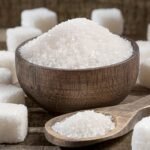

Of everything we sell, crystal white sugar is the one buyers assume is simple and then ask the most detailed questions about once they actually start comparing suppliers. It’s the sugar most people picture when they hear “white sugar” — bright, uniform crystals, clean sweetness, no color, no flavor of its own. But at bulk export volume, there’s a real spec sheet behind that simplicity, and getting it right matters just as much as it does for our more tightly branded grades like ICUMSA 35 or ICUMSA 45. Here’s what buyers need to know before ordering.
What Is Crystal White Sugar?
Crystal white sugar is fully refined, food-grade cane sugar processed to a bright white appearance with high sucrose purity and even crystal size. It’s the general-purpose white sugar category that sits underneath the more tightly branded ICUMSA-numbered grades in most buyers’ minds, even though it’s produced to the same rigorous refining standards. When we talk about this sugar, we mean a consistent, food-grade product suited to virtually any application that calls for standard white sugar — not a specialty or niche grade, but a dependable workhorse product ordered in high volume by bakeries, beverage companies, confectioners, and retailers worldwide.
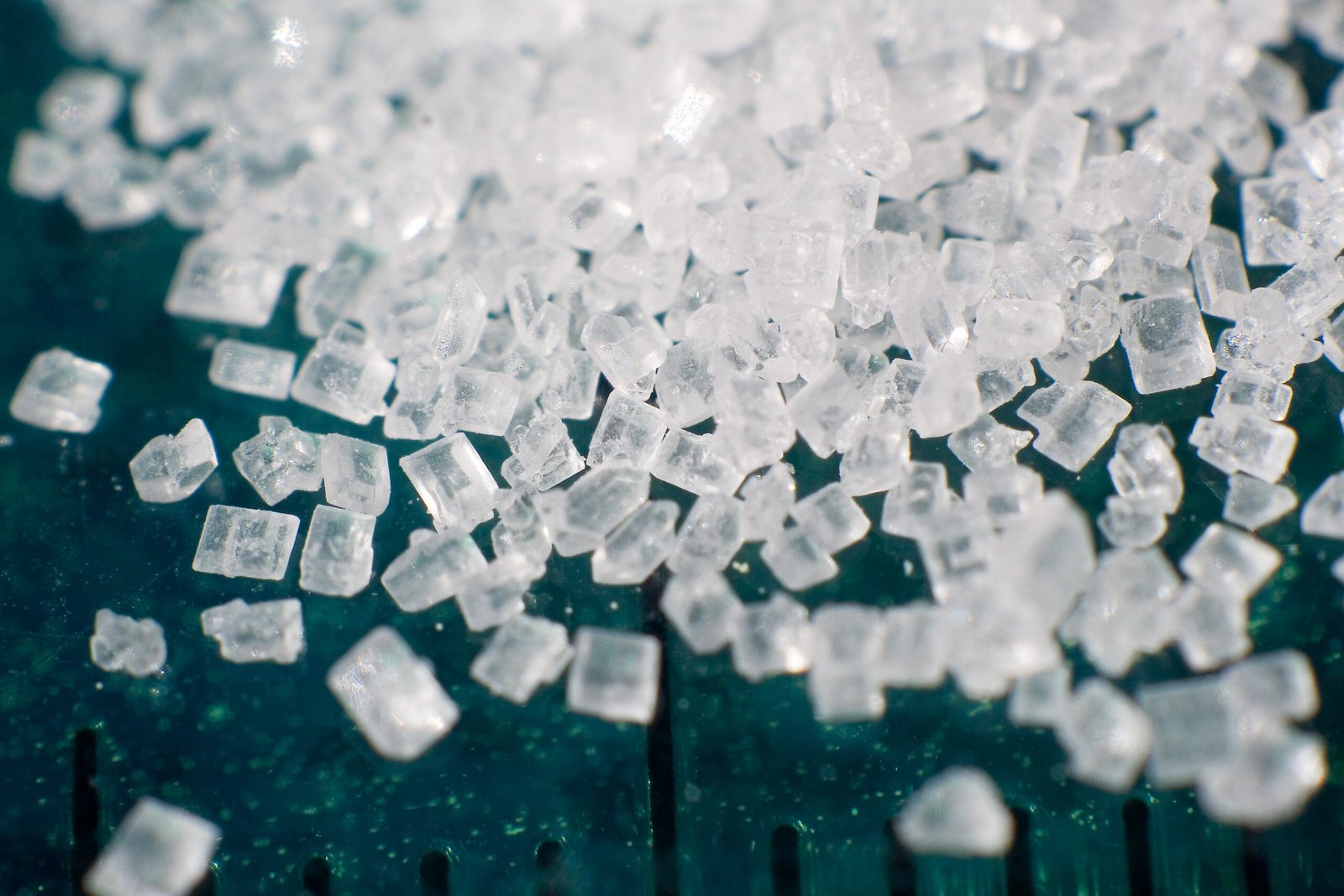
The key traits buyers look for are a sparkling white crystalline appearance, high sucrose content, an even crystal size and texture, and low ash and moisture content — all of which affect how the sugar performs once it’s mixed, dissolved, or packaged downstream.
Full Technical Specification
| Parameter | Specification |
|---|---|
| Polarity (Sucrose) | 99.8% minimum |
| Moisture Content | 0.04% maximum |
| Colour | Sparkling, pure white |
| Solubility | 100% dry and free-flowing |
| Ash Content | 0.04% maximum |
| Granulation | Fine to medium crystals |
| Magnetic Particles | 4 mg/kg maximum |
| Sulphur Dioxide (SO₂) | 70 mg/kg maximum |
| Origin | Brazil, Thailand, or India |
| Packaging | 50kg polypropylene bags or 1MT jumbo bags |
Every batch of crystal white sugar we export is tested against this specification before shipment, with independent SGS verification available whenever a buyer wants third-party confirmation on top of our own testing.
Why Buyers Choose This Grade
Consistency you can rely on. Every lot is analyzed for uniform sucrose content and impurity levels, so batch-to-batch performance in your process stays predictable — no surprises in how it dissolves, bakes, or blends.
Genuinely versatile. this grade works across an unusually wide range of applications — bakeries, soft drink production, confectionery, pharmaceuticals, and straight household or food-service use — without needing a specialty grade for most of them.
Storage stability. Low moisture content means it holds its color and free-flowing texture through long-distance shipping and extended warehouse storage, which matters for buyers stockpiling ahead of seasonal demand or ordering in bulk to secure better pricing.
Where This Sugar Gets Used
- Food and beverage manufacturing — baked goods, chocolate, soft drinks, jams, syrups, and dairy preparations.
- Pharmaceutical production — medical syrups, tablet coatings, and formulation work.
- Hospitality and retail — table sugar for hotels, restaurants, cafes, and supermarket private label.
- Industrial food processing — large-scale sweetener requirements across the wider food industry.
this product vs the ICUMSA-Numbered Grades
A question we get constantly: is crystal white sugar the same as ICUMSA 45? In practice, standard this sugar typically falls in a similar general purity range to ICUMSA 45 or slightly above it, without being marketed under the tighter branded specification that beverage giants like Coca-Cola write into their supplier contracts. For most food manufacturing, baking, and general retail use, this sugar performs identically to the more tightly numbered grades. If your buyer, brand, or regulatory requirement specifically calls out an ICUMSA number — 45, 35, or otherwise — we’ll supply against that exact spec instead. If you just need reliable, bulk, food-grade white sugar without a brand-specific number attached, crystal white sugar is usually the simpler and more cost-effective choice.
Packaging and Shipping
- 50kg polypropylene bags with a moisture-barrier inner lining.
- 1 metric ton jumbo bags for bulk buyers.
- Custom packaging available for private label or special retail requirements.
We ship by 20ft or 40ft container or by vessel for larger contracts, on FOB, CIF, or CFR terms. Full export documentation — certificate of origin, health certificate, phytosanitary certificate, SGS inspection report, commercial invoice, packing list, and bill of lading — is prepared in advance of loading so your shipment clears customs without delay.
Ordering Process
Step 1: Inquiry and quote. Send your target volume, destination port, and packaging preference for a fast, competitive quote on the product.
Step 2: Contract and payment. We issue a pro forma invoice and sales agreement once terms are confirmed, with secure international payment handling.
Step 3: Production and inspection. Every shipment is tested and, on request, independently verified by SGS or an equivalent inspection agency before it leaves.
Step 4: Shipping and delivery. We manage logistics, customs clearance, and insured shipping so your order lands on schedule.
Storage and Handling
Keep bags in a dry, cool location out of direct sunlight, seal them tightly to prevent moisture uptake, and rotate stock on a first-in-first-out basis. the sugar is formulated with low enough moisture content to handle extended ocean transit and warehouse storage well, but that only holds true if bags stay sealed and dry once they’re off the vessel.
How Crystal White Sugar Is Made
The process starts the same way as any cane sugar — milling, clarification, evaporation, and crystallization to produce raw sugar — then moves through refining stages including affination, carbonatation or phosphatation, filtration, and decolorization to strip out the molasses coating and remaining impurities. The result is a fully refined, bright white crystal with high sucrose purity and minimal ash or moisture content. Because it’s produced at scale across multiple partner refineries rather than a single dedicated high-purity line, this grade tends to be more consistently available and competitively priced than the more tightly branded ICUMSA-numbered grades, without any meaningful drop in quality for general food and beverage use.
Common Mistakes Buyers Make
Assuming “white sugar” is a commodity with no quality variation. It isn’t. Two suppliers both offering this product can differ noticeably in consistency, moisture control, and documentation quality. Ask for a recent lab report on an actual shipment, not a generic spec sheet.
Not specifying granulation clearly. Fine and medium crystal sizes behave differently in dissolving speed and packing density. If your process is sensitive to grain size, put it in the purchase order rather than assuming standard granulation will match your expectations.
Overlooking packaging fit for receiving equipment. Confirm whether your facility is set up for 50kg bags or bulk jumbo bags before finalizing an order — mismatched packaging creates handling costs that erode any savings from a lower per-ton price.
Skipping pre-shipment inspection on a first order. An SGS or equivalent inspection is inexpensive relative to a full container’s value and catches problems before the sugar is on the water, which is exactly when they’re cheapest to fix.
Regional Buying Notes
EU importers should confirm HS code classification and duty treatment ahead of finalizing volume. US buyers typically need a licensed customs broker and confirmation of the exporting mill’s FDA food facility registration. Middle Eastern and African buyers frequently require Halal certification covering the processing and handling chain. Asia-Pacific markets sometimes require additional phytosanitary or fumigation documentation for agricultural commodity imports. We work through these requirements with buyers at the quote stage so nothing holds up your shipment once it reaches port.
A Practical Example
A regional confectionery producer we work with was buying crystal white sugar from three different domestic distributors, each with slightly different consistency and pricing that shifted month to month. Consolidating to a single documented international supply source with tested, consistent specifications gave their production planning far more predictability, and the bulk pricing on larger container orders more than offset the shift from local sourcing. That’s a common pattern — buyers often assume local sourcing is simpler, when in practice a documented bulk supplier delivers more consistency for the same or better price.
Certifications and Quality Assurance
Every shipment of this sugar is produced and tested against international food safety frameworks, including Codex Alimentarius guidelines — the joint FAO/WHO reference most national food regulators build their own standards around, available on the Codex Alimentarius website — along with relevant EU sugar regulations and US FDA food-grade requirements. Production facilities are ISO 9001 certified and HACCP-compliant, with Halal and Kosher certification available on request.
Frequently Asked Questions
Is this sugar the same product as table sugar? Broadly, yes — it’s the standard bulk white sugar category most retail and food-service table sugar comes from, tested and documented to commercial export standards.
What’s the minimum order quantity? One 20ft container, roughly 25 metric tons, with volume discounts at higher quantities.
Can I request a sample before ordering? Yes, samples are available with shipping cost depending on destination and method.
How long does delivery typically take? Around 10 to 21 days from confirmed payment to loading, plus ocean transit time.
Industry-by-Industry Breakdown
Bakeries buy crystal white sugar in high volume for bread, cakes, and pastries where consistent sweetness and reliable behavior in dough or batter matter more than any brand-specific purity number. Beverage producers making standard soft drinks, iced teas, and juices outside the ultra-premium clear category rely on it as a cost-effective, dependable input. Confectioners use it across a huge range of candy, chocolate, and dessert applications where the sugar needs to be a neutral sweetening base rather than a flavor contributor. Pharmaceutical manufacturers use food-grade white sugar in tablet coatings and syrup formulations where purity documentation matters more than brand recognition. Retailers and food-service operators repackage bulk the product into consumer-facing table sugar, often under their own private label, taking advantage of the cost efficiency of buying at bulk export volume rather than through a domestic wholesale chain.
Handling the sugar Once It Arrives
Correct storage protects your investment in a full container or vessel shipment. Store bags in a dry, temperature-stable warehouse away from direct sunlight and away from walls where condensation can form. Stack pallets with airflow in mind rather than packing bags flush together, and pay extra attention to humidity control if you’re storing through a rainy or humid season. Crystal white sugar is formulated to resist moisture pickup, but that resistance has limits in a consistently damp environment over months of storage. Rotate stock first-in-first-out, and inspect a sample bag from each pallet on arrival so any transit damage gets documented immediately rather than discovered partway through a production run, when it’s much harder to trace back to a specific shipment.
What Drives the Price
Pricing on this grade tracks the global raw sugar market plus refining and freight costs, and because it’s produced across a wide pool of refineries rather than a narrow set of specialty lines, it’s generally one of the more competitively priced white sugar options we offer. Order volume matters a lot here — full container and vessel-scale orders get noticeably better per-ton pricing than small trial quantities, and buyers who commit to a standing supply contract across multiple shipments typically negotiate better terms than one-off purchases. We quote against current market conditions rather than a fixed price list, since raw sugar pricing moves daily and a number from even a few weeks ago can be meaningfully out of date.
Comparing Quotes From Different Suppliers
When comparing quotes for this product across suppliers, confirm whether pricing is FOB, CIF, or CFR, since that determines who covers freight and insurance and can flip which quote is actually cheaper once full landed cost is calculated. Ask for a dated lab report on an actual recent shipment rather than a generic specification sheet, confirm packaging format matches your receiving setup, and ask directly whether SGS inspection is included or billed separately. Payment terms are worth scrutinizing too — a supplier asking for full payment upfront with no verification step carries more risk than one willing to work with documentary letters of credit or milestone-based payment. These checks take an extra day of diligence and consistently save buyers from costly surprises later in the process.
Why Buyers Choose Global Sugar Supplies
We source crystal white sugar directly from licensed refineries, test every batch before shipment, and manage the complete export process so buyers aren’t left chasing documentation after a container has already sailed. A few things buyers consistently tell us matter most:
- Direct refinery relationships instead of layered trading middlemen, keeping pricing honest and communication responsive.
- Mandatory testing on every batch, with independent SGS verification available whenever requested.
- Complete documentation prepared ahead of shipment, avoiding customs delays at the destination port.
- Flexible order sizes, from a single trial container to multi-thousand-ton annual contracts.
- A sales team that answers technical questions upfront, before a contract is signed rather than after a problem appears.
More Questions Buyers Ask
Does this sugar dissolve as well as branded ICUMSA grades? Yes — solubility is effectively identical across refined white sugar in this purity range regardless of branding.
Can this grade be private labeled for retail? Yes, custom packaging and private label options are available on request for distributors selling to retail or food-service channels.
Is organic-certified this sugar available? Organic certification is separate from the standard refining specification; contact us to confirm current availability for your target market.
What happens if a shipment doesn’t meet spec on arrival? Every shipment ships with test documentation, and our quality guarantee covers verified deviations from the agreed specification — raise it with our team immediately on discovery so it can be resolved quickly.
Buy Crystal White Sugar From Global Sugar Supplies
For reliable, food-grade white sugar in bulk without unnecessary premium branding, the product is the practical choice for most manufacturers, and we ship it worldwide with full documentation and consistent quality control. See our full the sugar product page, compare it with our ICUMSA 45 refined sugar if your buyer requires a specific number, browse the complete product range, or contact our sales team for a formal quote.