
An ICUMSA 100 sugar exporter is not the same thing as someone forwarding your inquiry to a mill and hoping it works out. Real export means controlling the chain from the refinery gate to the vessel, handling the paperwork that customs actually checks, and being able to answer specific questions about polarization, moisture, and color grade without going quiet for three days. Global Sugar Supplies exports ICUMSA 100 sugar out of Brazil to buyers across Africa, the Middle East, Asia, and Europe, and this page covers what that process looks like in practice, plus the specs you should be checking before you sign anything.
ICUMSA 100 sits in the mid-range of the color scale, whiter than raw brown sugar but not as heavily refined as ICUMSA 45. It is a common choice for buyers who want a genuinely white product at a lower price point than the most refined grades, often used for repackaging, blending, and general food and beverage manufacturing where the strictest color spec is not required.
What an Exporter Actually Does, Versus a Broker
A broker takes your inquiry, shops it to whichever mill will fill it, and adds a margin in between, often without touching the product or the logistics directly. An ICUMSA 100 sugar exporter controls the relationship with the refinery, arranges vessel or container space, prepares the export documentation, and is legally the party responsible for getting your cargo to port in the condition the contract describes. That distinction matters most when something goes wrong: a broker can shrug, an exporter has to fix it.
ICUMSA 100 Specifications We Work With
| Specification | Typical value |
|---|---|
| Polarization | 99.6° to 99.8° min |
| Moisture content | 0.05% max |
| Ash content | 0.10% max |
| Color (ICUMSA units) | 100 units max |
| Granulation | 0.4mm to 1.0mm, medium to fine crystal |
| SO2 content | 20 ppm max |
| Solubility | 100% in water, clear solution |
| Radiation | Within normal background levels, tested on request |
Every shipment we export ships with third-party inspection results attached to the specific lot and container numbers, not a generic spec sheet copied from a brochure. If a supplier will not tie their specs to your actual shipment, that is worth asking about directly before you commit.
How Export Documentation Actually Works
This is where most first-time buyers get nervous, usually because they have heard stories about deals that fell apart over paperwork. A legitimate ICUMSA 100 sugar exporter should walk you through these documents before you pay anything, not after:
- Certificate of Origin, confirming the sugar was produced and shipped from the stated country
- Certificate of Analysis, showing lab results for polarization, moisture, ash, and color on the actual batch
- Phytosanitary Certificate, required by most importing countries for agricultural cargo
- Bill of Lading, the shipping document that proves the cargo is loaded and confirms ownership transfer terms
- Packing List, breaking down bag counts, container numbers, and gross/net weights
- Commercial Invoice, matching the agreed contract price and quantity exactly
A real exporter can produce sample copies of these documents on request, before contract signing, so you know what to expect. If a supplier is cagey about paperwork or keeps pushing you toward payment before documentation is discussed, treat that as a warning sign, not a formality to skip past.
Shipping Terms and Ports We Work Through
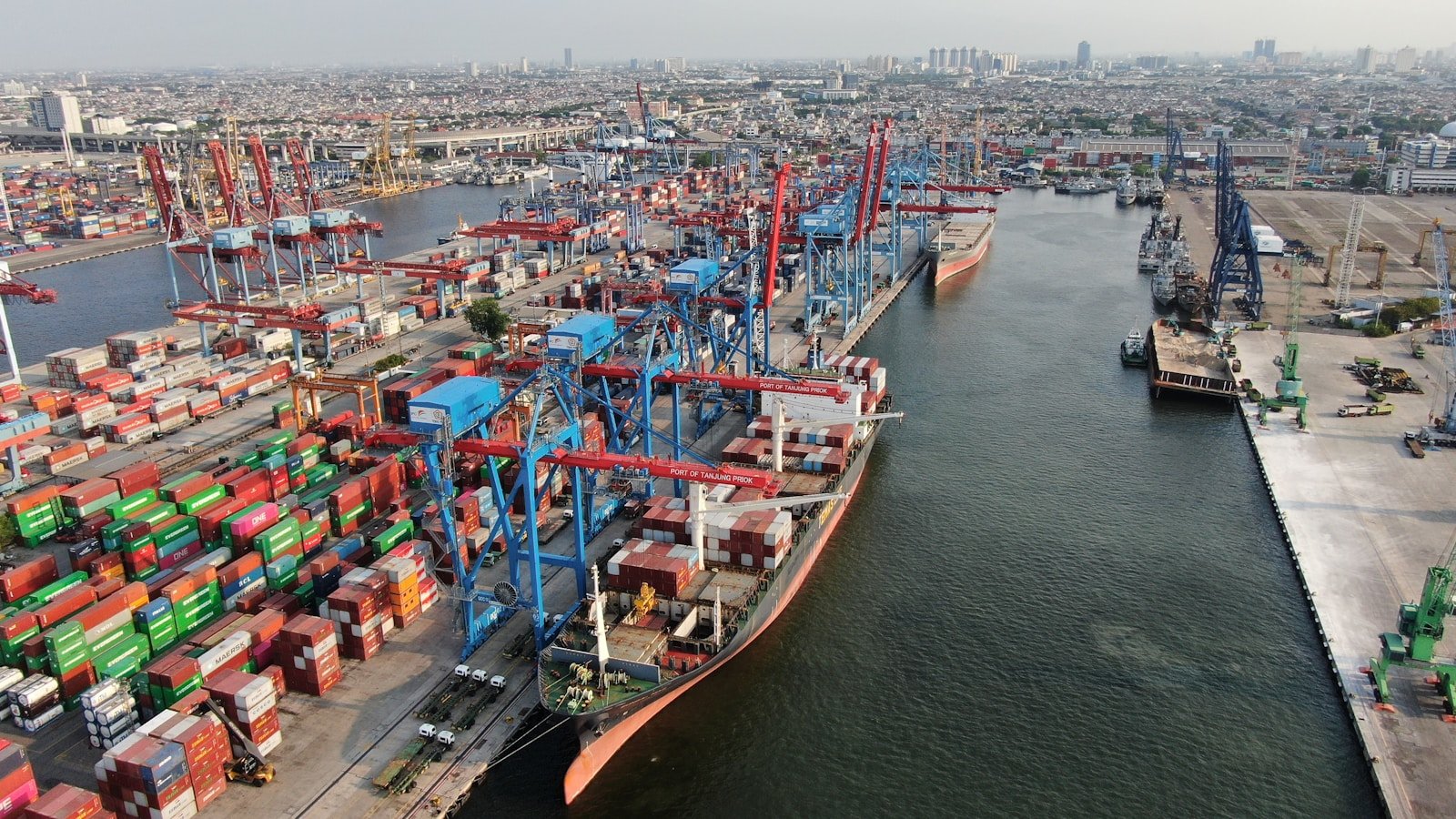
Most ICUMSA 100 sugar exports move through Santos, the largest port in Brazil and the primary export point for sugar leaving the country. Shipments are typically quoted FOB (Free on Board, buyer arranges the ocean freight) or CIF (Cost, Insurance, and Freight, seller arranges freight to your destination port), and both terms are standard in the sugar trade. We quote both so buyers can compare against their own freight forwarding relationships if they already have one.
| Order size | Typical packing | Shipping method |
|---|---|---|
| Trial / small order | 25kg or 50kg PP bags | Less than container load (LCL) or full container |
| Container load | 50kg bags on pallets, or 1000-1200kg jumbo bags | 20ft or 40ft container, roughly 24-27 metric tons per 20ft |
| Vessel / bulk order | Bulk hold or bulk bags | Bulk vessel charter, typically 12,500+ metric tons |
Lead time from confirmed order to vessel loading typically runs four to eight weeks depending on order size and current mill production schedules, and we give buyers a realistic window upfront rather than an optimistic one that slips repeatedly.

Payment Terms and How They Actually Get Negotiated
Payment terms are one of the most misunderstood parts of the sugar export process, partly because scam operations have made buyers understandably cautious about anything involving upfront wire transfers. Legitimate ICUMSA 100 sugar exporters typically work with a combination of deposit and balance terms, letter of credit (LC) arrangements for larger orders, or documentary collection through banks, where documents transfer against payment rather than blind trust either direction. First-time buyers should expect to discuss this openly, and a reasonable exporter will explain exactly why they are proposing a given structure rather than simply demanding it.
Be specifically cautious of any arrangement that requires full payment before any documentation is exchanged, with no bank involved on either side, and no way to verify the cargo actually exists. That pattern shows up repeatedly in sugar trade fraud reports, and it is worth treating as a hard stop regardless of how good the price looks.
What a Realistic Timeline Looks Like End to End
| Stage | Typical duration |
|---|---|
| Inquiry to signed contract | 1-2 weeks |
| Production or stock allocation | 2-6 weeks depending on order size and season |
| Loading and pre-shipment inspection | 3-7 days |
| Ocean transit | 3-6 weeks depending on destination |
| Customs clearance at destination | 3-10 days, varies significantly by country |
Add it up and a first order realistically runs eight to fourteen weeks from initial contract to cargo in your warehouse. Anyone promising dramatically faster than that on a new relationship is worth questioning.
ICUMSA 100 vs ICUMSA 45: Which One Do You Actually Need
Buyers new to the sugar trade often assume lower is simply better, but the right grade depends on what you are doing with it. ICUMSA 45 is more heavily refined, whiter, and priced accordingly higher. ICUMSA 100 is still a genuinely white, food-grade sugar, but sits a step below on the color scale, which makes it a sensible choice for buyers who do not need the strictest color spec and want a lower landed cost per ton. Repackagers, general food manufacturers, and beverage producers without a strict white-point requirement are the buyers who usually land on ICUMSA 100 rather than paying the premium for 45.
If your end use has a hard color specification written into your own contracts or regulatory requirements, confirm that ICUMSA 100 actually satisfies it before ordering. We are happy to send lab results from recent shipments so you can check against your own spec sheet before committing.
Red Flags When Vetting Any ICUMSA 100 Sugar Exporter
- Prices significantly below the current market range with no clear explanation
- Refusal to provide a Certificate of Analysis tied to an actual batch, only a generic spec sheet
- Pressure to wire funds before any documentation is exchanged
- No verifiable business registration, physical address, or export history
- Reluctance to answer direct technical questions about polarization or moisture content
A legitimate exporter does not need to rush you, and will not be offended by direct questions about their process, their mill relationships, or their shipping history. If anything here feels evasive, that is worth taking seriously before money moves.
Frequently Asked Questions
What is the minimum order quantity for ICUMSA 100 sugar? This varies by exporter, but container-load orders (roughly 24-27 metric tons) are the common starting point for competitive bulk pricing, with smaller trial orders available from some suppliers.
How long does shipping take from Brazil? Ocean transit alone typically runs three to six weeks depending on destination port, on top of the four to eight week production and loading lead time.
Can I get a sample before placing a full order? Most established exporters can arrange a small sample shipment or provide recent Certificates of Analysis so you can evaluate quality before committing to a full container or vessel order.
Is ICUMSA 100 sugar suitable for food and beverage manufacturing? Yes, it is a food-grade white sugar commonly used across food processing, beverage production, and repackaging, provided it meets your specific color and purity requirements.
For background on how sugar color grading actually works, the International Commission for Uniform Methods of Sugar Analysis (icumsa.org) maintains the reference methods the ICUMSA scale is built on, and the USDA Foreign Agricultural Service (fas.usda.gov) publishes ongoing global sugar trade and production data.
Browse our ICUMSA 100 sugar for sale listing for current pricing, or read our guide on ICUMSA 100 sugar specifications for a deeper technical breakdown before you request a quote.
Sourcing raw, unrefined cane sugar rather than a refined grade? Our raw sugar exporter page covers specifications, packaging and shipping terms for the raw grade.
Looking specifically for the raw, unrefined grade rather than ICUMSA 100? Our raw sugar manufacturer page covers production specs and mill relationships for raw cane sugar.
Need documented food safety certification on the raw, unrefined grade? Our food grade raw sugar page covers HACCP, Halal and Kosher certification for direct food use.