

“Sugar distributors near me” is one of those searches that makes perfect sense until you actually start comparing options, because most of what shows up is either a food service supplier reselling small retail packs or an overseas exporter who only deals in full container loads. Neither one is quite what most buyers mean when they type that phrase. A real distributor sits in the middle: they hold inventory, break bulk shipments into smaller, more flexible order sizes, and can turn around a repeat order faster than a manufacturer running to a production schedule.
Global Sugar Supplies works with buyers who need exactly that — consistent supply without committing to full container minimums every time — and ships across North America, Europe, the Middle East, Africa, and Asia. This guide covers what a distributor actually does differently from a manufacturer or exporter, what “near me” should really mean for this kind of order, and how to tell a distributor worth working with from one that’s just reselling with a markup and no real inventory behind it.

What a Sugar Distributor Actually Does
A distributor’s job is to sit between production and the end buyer, absorbing the risk and cost of holding stock so their customers don’t have to order in full-container volume every time they need product. That means warehousing, inventory management, and the ability to ship a smaller quantity on a shorter timeline than sourcing directly from a mill would allow. When someone searches sugar distributors near me, they’re usually a bakery, food manufacturer, or smaller reseller who needs reliability and flexibility more than they need the absolute lowest per-ton price a full container might offer.
The tradeoff is straightforward: distributors typically charge somewhat more per ton than a direct manufacturer order, because that premium is what pays for warehousing, smaller-lot handling, and faster turnaround. For the right buyer, that tradeoff is worth it.
Distributor vs. Manufacturer vs. Wholesaler
These roles overlap enough that buyers often use the terms interchangeably, but the distinctions actually matter for how you order and what you pay:
- Manufacturer — produces sugar at the mill or refinery and typically sells in full production-run volumes.
- Distributor — holds inventory sourced from manufacturers and breaks it into smaller, more frequent orders for regional buyers.
- Wholesaler — sells at volume discount pricing tiers, often to other businesses reselling further down the chain.
A company you find while searching sugar distributors near me should be upfront about which of these roles fits them, since a manufacturer pretending to offer distributor-style flexibility, or vice versa, is a common source of mismatched expectations later.
Sugar Distributors Near Me: Why “Near Me” Still Matters, Just Differently
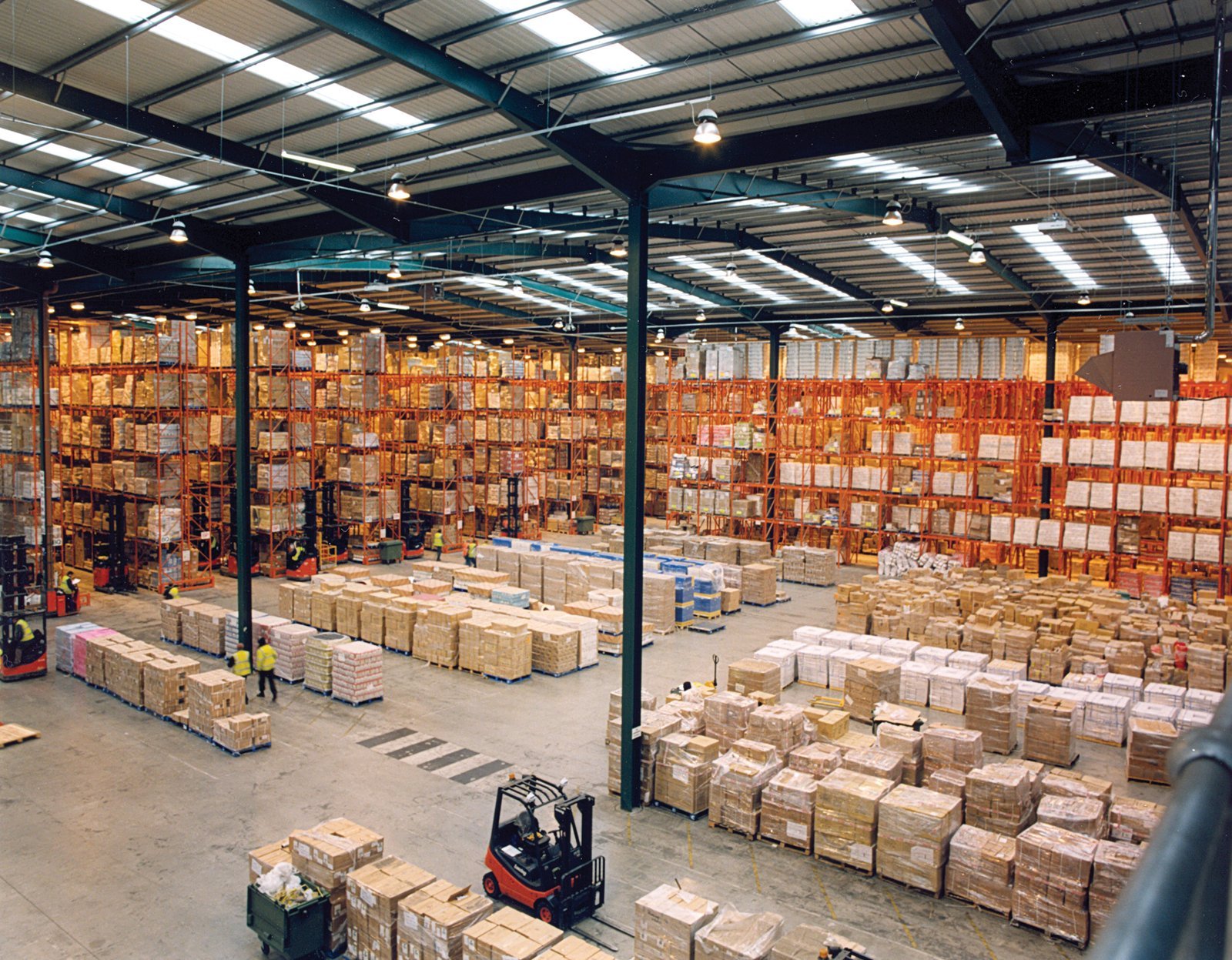
Unlike a manufacturer, a distributor’s value actually can be somewhat regional, since inventory held closer to your destination port or region genuinely does mean faster delivery. But “near me” still shouldn’t mean a warehouse down the street for most buyers — sugar distribution at real commercial volume is organized around regional hubs near major ports, not neighborhood facilities. What you actually want from a sugar distributors near me search is a distributor with inventory positioned to reach your specific region quickly, backed by a supply chain reaching back to verified manufacturing origins.
Specifications a Distributor Should Be Able to Confirm
Even though a distributor doesn’t manufacture the product themselves, a reliable one should still hand you the same specification detail a mill would, traceable back to origin:
| Parameter | Refined White (ICUMSA 45/100) | Raw / Brown Sugar (ICUMSA 600–1200) |
|---|---|---|
| Polarization | 99.80% min | 96°–98° min |
| Moisture | 0.04% max | 0.40% max |
| Ash content | 0.04% max | 0.15% max |
| SO₂ content | 70 mg/kg max | 70 mg/kg max |
| Standard packaging | 25kg / 50kg PP bags, 1MT jumbo bags | 25kg / 50kg PP bags, 1MT jumbo bags |
| Typical minimum lot | Pallet quantity and up | Pallet quantity and up |
A distributor that can’t produce specification paperwork, or claims not to know the original manufacturing source, is usually working off whatever’s cheapest and available rather than a consistent, traceable supply chain. Trade flow patterns tracked by the International Trade Centre show just how concentrated global sugar origin points really are, which is exactly why traceability back to a named source matters even when you’re buying from a regional distributor rather than an exporter directly.
Order Sizes: Where Distributors Actually Fit
This is the practical reason most buyers should be searching for a distributor rather than a manufacturer in the first place. Distributors typically serve orders from a single pallet up through partial container loads, filling exactly the gap that exists between retail packaging and full 20ft or 40ft container minimums. If your business needs 2 to 15 metric tons on a recurring monthly basis, a distributor is almost always a better fit than trying to convince a mill to break up a production run for you.
How to Vet a Sugar Distributor
A handful of direct questions will tell you quickly whether a distributor is running a real regional operation or just relabeling boxes:
- Where is your inventory physically warehoused, and can you confirm current stock levels for the grade I need?
- Can you trace this specific lot back to its manufacturing origin, with documentation?
- What’s your typical turnaround from order confirmation to dispatch?
- Do you offer flexible order sizes, or is there a hidden minimum that only comes up after I ask for a quote?
- Is quality testing done on incoming stock, or only passed through from the original manufacturer’s paperwork?
A distributor who answers all five clearly, with specifics rather than generalities, is one worth building a repeat relationship with.
Regional Notes for Distributor Sourcing
North American buyers searching sugar distributors near me will find the densest distributor networks around Gulf Coast and East Coast port hubs, fed primarily by Brazilian and Mexican origin sugar.
European buyers often deal with distributors who carry both imported cane sugar and domestic beet sugar side by side, which is worth clarifying upfront if you have a preference.
Middle Eastern and African buyers tend to see distributor inventory replenished primarily from India and Thailand, given shorter regional shipping lanes.
Asian buyers outside the major producing nations typically work with distributors holding a mix of Thai and Indian-origin stock for faster regional turnaround.
Pricing: What You’re Actually Paying For
Distributor pricing includes a few layers that a direct manufacturer order doesn’t: warehousing cost, smaller-lot handling, and the convenience of faster, more flexible fulfillment. That’s not a hidden markup to be suspicious of — it’s the legitimate cost of the service. The comparison worth making isn’t distributor price versus manufacturer price in isolation, it’s distributor price versus what a full container order would actually cost you once you account for storage you’d have to arrange yourself and capital tied up in excess inventory you don’t need yet.
How Ordering From a Distributor Works
The process is generally faster than a full manufacturer order: you confirm grade, quantity, and delivery location; the distributor confirms current stock and provides a quote including delivery; once approved, dispatch is typically scheduled within days rather than the weeks a production run requires; and delivery is tracked to your facility or a pickup point you designate. Recurring buyers often set up standing order arrangements so this process repeats automatically on a set schedule.
Industries That Rely Most on Local Distributors
Certain buyer categories lean on distributors far more than others, precisely because their order patterns don’t fit neatly into either retail or full-container volume. Commercial bakeries and cafés typically need consistent weekly or monthly deliveries in the 1 to 10 metric ton range — too much for retail, too little to justify container sourcing. Small and mid-size beverage producers often use a distributor for baseline supply while reserving direct manufacturer orders for larger production runs planned well in advance. Food service distributors themselves sometimes buy from a sugar distributor as a sub-supplier, adding their own margin for smaller restaurant and catering accounts. Even some import-dependent countries with limited port infrastructure rely more heavily on regional distributors simply because clearing full containers through smaller ports is logistically harder than receiving palletized shipments from an established regional warehouse.
Seasonal Demand and Inventory Planning
Sugar demand isn’t flat across the year for most buyers — bakeries and beverage producers often see meaningful spikes around holiday seasons and warm-weather months, and a distributor with real regional inventory is generally better positioned to absorb that variability than a buyer trying to time a manufacturer order months in advance. This is one of the quieter advantages of working with a sugar distributors near me relationship: a distributor holding buffer stock can respond to a demand spike within days, while a manufacturer order placed too late in a production cycle may mean waiting for the next available slot. Buyers with predictable seasonal patterns often structure their distributor relationship around this, front-loading orders slightly ahead of their known busy periods rather than ordering reactively.
A Cost Comparison: Distributor vs. Ordering More Than You Need
It helps to run actual numbers rather than compare in the abstract. Take a mid-size bakery that needs roughly 8 metric tons of refined white sugar a month, comparing a regional distributor against ordering a full 25 MT container direct from a manufacturer just to get the lower per-ton price.
| Factor | Full Container (Manufacturer Direct) | Regional Distributor |
|---|---|---|
| Price per MT | Lower headline rate | Modest premium over manufacturer pricing |
| Capital tied up | High — paying for 3+ months of stock upfront | Low — paying only for what’s needed this cycle |
| Storage burden | Buyer must warehouse the surplus themselves | None — distributor holds inventory |
| Flexibility if demand shifts | Low — committed to the full volume already purchased | High — next order simply adjusts to actual need |
Once you account for storage cost and capital tied up in unused inventory, the “cheaper” full-container option often isn’t actually cheaper for a buyer whose real monthly need sits well below container volume. This is exactly the calculation that makes sugar distributors near me the more sensible search for a huge share of mid-size buyers, even when the headline per-ton number looks less impressive on paper.
A Realistic Example: Two Buyers Choosing How to Source
Two food manufacturers both need around 6 metric tons a month. One commits to a full container to chase the lowest possible unit price, then spends the next several months managing warehouse space and cash flow tied up in surplus stock. The other works with a regional distributor, pays a modest per-ton premium, and gets exactly what they need on a predictable monthly schedule with no storage headache. A year later, the second buyer has spent slightly more per ton but freed up both warehouse space and working capital for other parts of the business — a tradeoff that, in hindsight, was the more sensible one for their actual order size.
Signs a “Distributor” Is Just Relabeling Stock
Not every company calling itself a distributor is actually running real regional inventory. A few signs are worth watching for when evaluating a sugar distributors near me result:
- No verifiable warehouse location. A real distributor can tell you where product is physically stored, not just where their office is.
- Can’t trace stock back to origin. If they can’t tell you which mill or manufacturer supplied their current inventory, they may just be flipping product from another middleman.
- Inconsistent lead times for the same order size. Genuine inventory means predictable dispatch. Wildly varying timelines suggest they’re sourcing per-order rather than holding real stock.
- No standing account option for repeat buyers. Real distributors want recurring relationships and usually have a process built around them.
None of this means every smaller operator is untrustworthy — plenty of lean, well-run distributors serve their regions well without a huge warehouse footprint. But these are the specific questions that separate a distributor with real inventory from one just passing along whatever a trader happened to offer that week.
Standing Orders and Long-Term Distributor Relationships
Most of the real value in a sugar distributors near me relationship shows up after the first order, once both sides understand each other’s patterns. A standing order arrangement typically locks in an agreed grade, packaging, and delivery cadence — weekly, biweekly, or monthly — with pricing reviewed on a set schedule rather than renegotiated from scratch every time. This benefits both parties: the buyer gets pricing and supply certainty without repeating the vetting process, and the distributor gets predictable demand they can plan inventory around. Buyers who reach this stage often find their distributor becomes genuinely proactive, flagging upcoming price movements or supply tightness before it affects a scheduled delivery, rather than the buyer having to chase updates themselves.
What to Include in a Distributor Service Agreement
Once you’ve settled on a distributor worth a longer-term relationship, a simple written agreement protects both sides better than an informal understanding. At minimum, it should specify the agreed grade and specification tolerance, packaging format, delivery frequency and lead time, pricing structure and how often it’s reviewed, and what happens if a delivery is delayed or a batch fails to meet spec. None of this needs to be complicated — a page or two covering these points is usually enough — but having it in writing avoids the kind of misunderstanding that only surfaces once something actually goes wrong. A distributor who’s comfortable putting these terms in writing is generally one confident in their ability to deliver on them consistently.
What a First Order With a New Distributor Typically Looks Like
Most distributors treat a first order with a bit more caution than an established account, and that’s reasonable on both sides — neither party has a track record with the other yet. Expect a slightly more detailed intake process: confirming your business details, discussing typical order patterns you’re expecting going forward, and possibly starting with a smaller trial quantity before scaling to your full recurring volume. This isn’t a sign of a distributor being difficult; it’s usually a sign they’re actually running a real, organized operation rather than shipping to anyone who calls. Buyers who approach a first order with a sugar distributors near me candidate expecting this kind of onboarding tend to have a smoother experience than those expecting an instant, no-questions-asked transaction from day one.
Frequently Asked Questions
How is a distributor different from a wholesaler?
A distributor focuses on holding and moving inventory reliably at flexible order sizes. A wholesaler focuses more specifically on volume-based pricing tiers, often for buyers who resell further down the chain themselves.
What’s the smallest order a distributor will typically handle?
Many will work with single-pallet quantities, though minimums vary — it’s worth confirming upfront rather than assuming.
Can a distributor match manufacturer pricing on larger orders?
Sometimes, particularly as order size approaches a full container, since the distributor’s per-unit overhead shrinks at that scale.
Do distributors carry certified or specialty sugar grades?
Many do, including organic and non-GMO certified stock, though availability depends on the specific distributor’s supplier relationships.
How do I know the distributor’s stock is actually traceable?
Ask for documentation connecting the specific lot to its manufacturing origin — a legitimate distributor keeps this on file and will provide it without pushback.
Is it cheaper to buy direct from a manufacturer instead?
Per ton, usually yes for full-container volume. But once you factor in your own storage costs and the flexibility of smaller, more frequent orders, a distributor often works out better for recurring mid-size demand.
Can distributors handle recurring, scheduled deliveries?
Yes — this is one of the main advantages over sourcing direct, since a standing order arrangement is straightforward to set up with an established distributor.
A Quick Pre-Order Checklist
Before settling on a sugar distributors near me result, a short checklist helps separate a distributor worth a long-term relationship from one you’ll be replacing within a year: confirm the physical warehouse location and current stock levels for your grade; ask for documentation tracing that stock back to its manufacturing origin; get a clear, specific turnaround time from order confirmation to dispatch rather than a vague range; confirm whether pricing includes delivery or is quoted separately; and ask whether a standing order arrangement is available if you expect to order regularly. A distributor who answers each of these clearly and specifically — rather than deflecting or generalizing — is one worth building a repeat relationship with rather than re-shopping every time you need product.
What happens if a distributor runs out of stock for my grade?
A well-run distributor should tell you proactively rather than let you find out when a scheduled delivery doesn’t show up, and should be able to offer a realistic restock timeline or an alternative grade in the meantime.
Do distributors offer better terms to buyers who commit to a standing order?
Often yes — predictable recurring demand is valuable to a distributor’s own planning, so it’s reasonable to ask whether committing to a regular schedule unlocks better pricing or priority handling.
Is it worth working with more than one distributor at once?
Some buyers do this deliberately for supply redundancy, particularly for critical operational volume, though it does mean managing two relationships and potentially two sets of documentation rather than one.
Finding a Distributor That Actually Fits Your Order Size
The right answer to sugar distributors near me depends less on geography and more on whether a distributor’s inventory, traceability, and order flexibility actually match how your business buys. That’s what determines whether you get consistent, well-documented supply instead of a mismatched relationship that only works until your order pattern changes.
Tell us your typical order size and delivery region, and we’ll walk you through whether a distributor arrangement or a direct manufacturer order fits better. Our guide to a sugar wholesale distributor covers how volume pricing tiers work in more depth, our page on sugar logistics supplier selection goes deeper into how delivery actually gets managed, and our sugar manufacturers near me guide is worth reading if a full container order might actually suit you better. You can also browse our full product range, compare notes with our sugar wholesalers near me guide, or reach our team through the contact page with your specific volume and region.