

People searching “sugar wholesalers near me” are almost always businesses, not individuals — a bakery buying for the month, a beverage plant covering a production run, a small food manufacturer trying to get past retail pricing without committing to a full container. Wholesale sits at a specific point in the supply chain: it’s about buying at volume-discount pricing tiers, usually from a supplier who’s already bought in bulk from a manufacturer and is passing product downstream in business-sized lots rather than pallet-by-pallet retail quantities.
Global Sugar Supplies serves wholesale buyers across North America, Europe, the Middle East, Africa, and Asia with pricing structured around real volume tiers, not one-off retail markups. This guide breaks down what wholesale actually means for sugar specifically, how pricing tiers work, and what to check before committing to a sugar wholesalers near me result that turns up in a quick search.
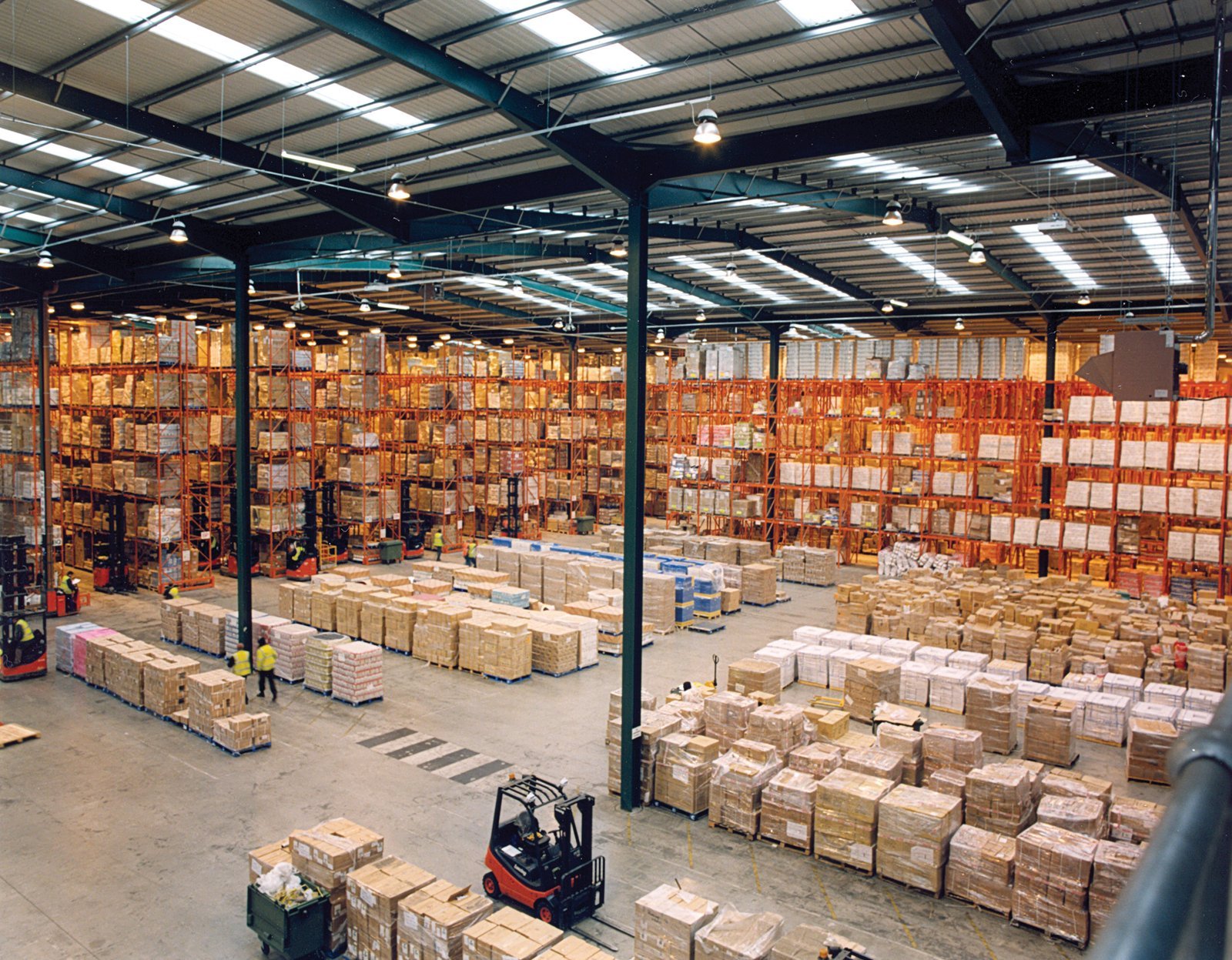
What “Wholesale” Actually Means for Sugar
Wholesale isn’t a fixed quantity — it’s a pricing structure built around volume tiers, where your per-ton cost drops as your order size climbs. A wholesaler typically buys sugar at scale from manufacturers or import channels and resells it to businesses in quantities too large for retail pricing but often smaller than a full container purchase direct from origin. When you search sugar wholesalers near me, what you’re really looking for is a supplier whose tier structure matches how much you actually buy, with transparent pricing at each level rather than one number that only applies if you happen to hit the top tier.
Wholesaler vs. Distributor vs. Manufacturer
These three terms get used loosely, but they describe different parts of the chain:
- Manufacturer — produces the sugar and sells in full production-run volumes, typically full containers.
- Wholesaler — buys at scale and resells in volume-tiered lots to other businesses, often reselling further down the chain.
- Distributor — focuses on regional inventory and delivery flexibility, sometimes overlapping with wholesale pricing but prioritizing convenience over the lowest possible per-ton rate.
A supplier responding to a sugar wholesalers near me search should be clear about where they sit in this chain, since a company calling itself a wholesaler while actually just marking up single-pallet retail orders isn’t offering real wholesale value.
How Wholesale Pricing Tiers Actually Work
Most wholesale sugar pricing is structured in bands, with the rate per metric ton stepping down as order volume increases. A rough example of how this typically looks:
| Order Volume | Typical Pricing Position | Common Buyer Type |
|---|---|---|
| 1–5 MT | Standard wholesale rate | Small bakery, café chain, local manufacturer |
| 5–15 MT | First volume discount tier | Regional food producer, mid-size distributor |
| 15–25 MT (approaching full container) | Second volume discount tier | Larger manufacturer, reseller |
| 25+ MT (full container and up) | Near-manufacturer direct pricing | Industrial buyer, sub-distributor |
A legitimate sugar wholesalers near me option should be able to show you where your expected order volume lands on a structure like this, rather than quoting one flat number regardless of quantity — flat pricing regardless of volume is usually a sign there’s no real tier structure behind the quote at all.

Specifications and Packaging at Wholesale Volume
Wholesale orders typically move in the same packaging formats used further up the supply chain, just at smaller total volumes than a full container:
| Parameter | Refined White Sugar | Brown / Raw Sugar |
|---|---|---|
| Polarization | 99.70–99.80% min | 96°–98° min |
| Moisture | 0.04–0.05% max | 0.40% max |
| Common packaging | 25kg / 50kg PP bags | 25kg / 50kg PP bags |
| Bulk packaging option | 1MT jumbo bags | 1MT jumbo bags |
According to trade data compiled by the USDA Foreign Agricultural Service, global sugar trade volumes and pricing shift with harvest cycles across major producing regions, which is exactly why wholesale pricing you get quoted today may look different in three months — a wholesaler who explains this rather than pretending prices are static is being straight with you.
Questions to Ask a Wholesale Supplier
- What are your actual volume tiers, and where does my expected order size land?
- Is pricing locked at quote time, or does it float with market pricing until the order ships?
- Can you supply a specification sheet and inspection certificate for the specific batch I’d receive?
- What packaging formats are available at my order size, and is there a cost difference between them?
- Do you offer standing wholesale accounts for buyers who order on a recurring schedule?
A wholesaler who can answer all of these specifically, rather than in vague ranges, is one that’s actually built a real tiered pricing structure rather than making numbers up per quote.
Sugar Wholesalers Near Me vs. Buying Direct From a Manufacturer
The honest comparison here depends entirely on your volume. If your order regularly approaches a full container — around 25 metric tons — going direct to a manufacturer usually beats wholesale pricing, since you cut out the wholesaler’s margin entirely. If your order sits meaningfully below that, wholesale is typically the more practical route, since most manufacturers aren’t set up to serve sub-container orders efficiently, and a wholesaler with existing stock can fulfill faster than waiting on a production run.
Regional Wholesale Notes
North American wholesale buyers typically see the most competitive tier pricing around Gulf Coast ports, fed by high Brazilian and Mexican import volume.
European wholesale buyers often have the option of domestic beet sugar alongside imported cane sugar, which can affect both pricing and certification options.
Middle Eastern and African wholesale buyers generally see faster turnaround on wholesale orders sourced from India and Thailand given shorter shipping lanes into regional ports.
How a Wholesale Order Typically Proceeds
You confirm grade, target volume, and delivery location; the wholesaler identifies your applicable pricing tier and issues a quote; once confirmed, product is pulled from existing stock or a near-term production allocation; and delivery is scheduled and tracked to your facility. Buyers who order regularly often negotiate a standing wholesale account with pre-agreed tier pricing, which removes the need to re-quote every single order.
How Different Industries Use Wholesale Sugar
The buyer base for wholesale sugar is more varied than people assume. Commercial bakeries and pastry producers are probably the most common wholesale buyers, using consistent volume for a stable product line where recipe consistency depends on stable specification. Beverage manufacturers, particularly smaller regional bottlers and juice producers, use wholesale accounts to cover baseline production without the commitment of a full container. Confectionery and snack food producers often need specific granulation or specialty grades — like fine crystal or icing-grade sugar — that a wholesaler carrying diverse inventory can supply more flexibly than a manufacturer running standard production. Hospitality groups, catering companies, and institutional buyers like hospitals or schools also frequently source through wholesale channels, since their volume typically sits well above retail but below what justifies direct import. Each of these buyer types benefits from the same core wholesale advantage: predictable tiered pricing without the storage burden of buying a full container at once.
Storage and Handling Once Your Wholesale Order Arrives
Getting a good price from sugar wholesalers near me is only half the equation — how you store the product afterward affects both quality and shelf life. Sugar should be kept in a cool, dry environment with humidity control, since moisture absorption is the most common cause of clumping and quality degradation in storage. Bags should be stacked on pallets rather than directly on the floor, both to protect against moisture and to make rotation easier using a first-in, first-out system. Properly stored refined white sugar in intact packaging typically holds its specification for well over a year, though buyers running higher humidity facilities — common in some tropical and coastal regions — may need additional moisture barrier packaging or more frequent stock rotation. A wholesaler who offers packaging guidance alongside the sale, rather than just shipping product and moving on, is usually one who understands the realities of how their buyers actually operate.
A Cost Comparison: Wholesale Tier vs. Retail Pricing
The value of finding real sugar wholesalers near me shows up clearly once you put retail and wholesale side by side for the same total annual volume. Take a regional café chain buying roughly 3 metric tons a year, comparing retail-packaged purchases against a wholesale account.
| Factor | Retail Purchasing | Wholesale Account |
|---|---|---|
| Price per kg | Highest — includes full retail packaging and margin | Meaningfully lower once volume crosses into wholesale tiers |
| Packaging format | Small retail bags, more handling per kg | 25kg/50kg bags, far less handling overhead |
| Order frequency | Frequent small purchases, more admin overhead | Fewer, larger orders on a predictable schedule |
| Specification documentation | Rarely provided at retail level | Standard with any legitimate wholesale supplier |
Businesses that stay on retail purchasing far longer than they should are usually the ones who never realized how close their actual volume already sits to the first wholesale tier. Running this comparison honestly is often the fastest way to justify the switch.
A Realistic Example: When Wholesale Starts Making Sense
A small commercial bakery starts out buying retail bags from a local supplier because their volume feels too small to bother with anything else. As the business grows, order frequency climbs to twice a week, and at some point the owner does the math and realizes their annual spend already clears the first wholesale tier by a wide margin. Switching to a wholesale account with a proper sugar wholesalers near me relationship doesn’t just lower the per-kg cost — it also cuts the time spent on frequent small purchases and gives them a specification sheet they can finally hand to their own quality team. The volume didn’t change overnight; what changed was recognizing that “small business” doesn’t mean “too small for wholesale.”
Signs a “Wholesaler” Isn’t Actually Offering Wholesale Value
- One flat price regardless of volume. Real wholesale means tiered pricing — a single number for every order size isn’t wholesale, it’s just retail with a bigger minimum.
- No published or explainable tier structure. A legitimate wholesaler can walk you through exactly where your volume lands and why.
- Reluctance to provide specification documentation. Business buyers need this for their own quality control — a real wholesaler expects the request.
- No standing account option. Repeat business buyers should be able to set up recurring terms rather than re-negotiating from scratch every time.
A sugar wholesalers near me search that turns up a company hitting all four of these points is usually one worth pursuing further; one that dodges these questions is probably just retail pricing dressed up in wholesale language.
Negotiating Better Terms as You Scale
Wholesale pricing tiers aren’t always the final word — buyers who demonstrate consistent volume over time often have room to negotiate beyond the published structure. This usually isn’t about pushing for a discount on a single order; it’s about showing a wholesaler a pattern of reliable, recurring purchases and asking whether that consistency can be reflected in better terms, whether that’s pricing, payment terms, or priority access to specific grades during tight supply periods. A wholesaler serious about the relationship will often meet a genuinely loyal buyer partway, since retaining a predictable account is worth more to them than squeezing maximum margin out of every single order. The buyers who get the best long-term wholesale terms are rarely the ones who negotiate hardest on day one — they’re the ones who build a track record first and then ask.
Common Wholesale Order Mistakes to Avoid
A handful of avoidable mistakes show up repeatedly among buyers new to wholesale sugar purchasing. Ordering based purely on the lowest quoted price without checking whether it includes full specification documentation is one of the most common — a slightly higher price with verified traceability is usually the better deal once quality risk is factored in. Underestimating how quickly volume needs grow is another; buyers sometimes lock into a smaller tier and end up paying more per ton than necessary once their actual usage climbs past what they originally planned for. Finally, treating a wholesale relationship as purely transactional rather than building any continuity often means starting the vetting process over every single order, when a bit of consistency would unlock both better pricing and a smoother process.
What to Expect From a First Wholesale Order
A first order with a new wholesale supplier usually involves a bit more back-and-forth than a repeat order from an established account — confirming your business details, discussing your expected ongoing volume, and sometimes starting with a smaller initial order before both sides commit to a full standing arrangement. This is a normal part of any legitimate wholesale relationship rather than a red flag, and it works in your favor too, since it gives you a low-risk way to evaluate a sugar wholesalers near me candidate’s actual reliability — specification accuracy, delivery timing, communication quality — before committing to larger recurring volume.
Frequently Asked Questions
What volume actually qualifies as “wholesale” for sugar?
There’s no single fixed threshold — most suppliers start wholesale tier pricing somewhere around 1 metric ton and scale down per-ton cost from there as volume increases.
Is wholesale pricing negotiable, or fixed by tier?
Tiers set the general structure, but established buyers with recurring volume can often negotiate better terms than a first-time quote would suggest.
Do wholesale suppliers carry certified organic or non-GMO sugar?
Many do, though availability and pricing for certified stock typically sit above standard grades — worth confirming upfront if certification matters for your business.
How often does wholesale pricing change?
Sugar is a globally traded commodity, so wholesale pricing shifts with market conditions and harvest cycles — a supplier quoting the exact same number for a year straight likely isn’t tracking the market closely.
Can I mix packaging formats within one wholesale order?
Often yes — many wholesalers can split an order between bag sizes if your operation needs both, though it’s worth confirming any handling cost difference.
Is buying wholesale better than going direct to a manufacturer?
It depends on your volume — wholesale generally wins below full-container quantities, while direct sourcing wins at or above that threshold.
What happens if my order volume changes month to month?
A good wholesale supplier can adjust your tier pricing dynamically based on actual order size rather than locking you into one tier regardless of what you order.
A Quick Pre-Order Checklist
Before committing to a sugar wholesalers near me option, running through a short checklist saves a lot of trouble later: confirm the actual volume tiers and exactly where your order lands on that structure; ask whether pricing is locked at quote time or floats with the market until shipment; request a specification sheet and inspection certificate for the specific batch you’d receive, not a generic product description; confirm which packaging formats are available at your order size and whether mixing formats is possible; and ask about standing account options if you expect to order on a recurring basis. A wholesaler who handles all five questions directly and specifically, without needing to check with someone else or dodge the specifics, is generally one running a real, well-organized operation rather than improvising pricing on the spot.
How Buyers Typically Discover the Right Fit
Most buyers don’t land on the right wholesale relationship on their first inquiry — it usually takes comparing two or three options against actual order volume before the right fit becomes obvious. A buyer whose volume sits comfortably within the first tier might find a smaller, more responsive wholesaler suits them better than a large operation set up primarily for bigger accounts. A buyer approaching the upper tiers, close to full-container volume, often benefits from asking directly whether sourcing straight from a manufacturer might now make more sense than staying in the wholesale channel. There’s no shame in outgrowing a wholesale arrangement that served you well at a smaller volume — the goal at every stage is matching your actual order pattern to the sourcing structure that serves it best, not staying loyal to whichever channel you started with.
Can a small business realistically qualify for wholesale pricing?
Yes — wholesale tiers typically start low enough that even a modest, growing business often already qualifies without realizing it, which is worth checking rather than assuming you’re too small.
What happens if I consistently order below my agreed tier?
Most wholesalers will simply adjust your pricing to reflect actual order size going forward, though it’s worth clarifying this upfront so there’s no confusion about which tier applies.
Do wholesalers offer sample quantities before a full order?
Many do, particularly for buyers switching suppliers or testing a new grade, and it’s a reasonable request to make before committing to a larger first order.
How do I know if I’ve outgrown wholesale pricing entirely?
Once your recurring order size consistently approaches full-container volume, it’s worth directly comparing wholesale pricing against sourcing straight from a manufacturer to see which actually costs less at your current scale.
Finding a Wholesaler That Matches Your Real Order Size
The most useful sugar wholesalers near me result isn’t the first name that comes up — it’s a supplier whose pricing tiers, packaging options, and specification transparency actually match your business’s order pattern. Get that match right and wholesale sugar sourcing becomes a repeatable, predictable part of your supply chain rather than a fresh negotiation every time.
Tell us your typical order volume and delivery region, and we’ll show you exactly where you land on our pricing structure. Our guide to the sugar wholesale prices breaks down what actually drives the number you get quoted, our wholesale sugar page covers types and specifications across the board, and our sugar distributors near me guide is worth a look if flexible delivery matters more to you than the lowest possible tier price. You can also browse our full product range, check our buy sugar in bulk guide for a step-by-step breakdown of the ordering process, or reach our team through the contact page with your volume details.