

Bringing raw sugar across a border for the first time involves more moving parts than most buyers expect going in — tariff classification, phytosanitary rules, quota systems in some countries, and freight logistics that all have to line up before a shipment actually clears customs. This guide walks through what a raw sugar import actually involves from quote to delivery, and the questions worth settling before you sign a purchase order.
What “Raw Sugar Import” Actually Covers
Raw sugar import refers to bringing unrefined or minimally processed cane sugar into a country from an overseas producer, typically for use as refinery feedstock, industrial input, or in some markets, direct resale. Unlike refined white sugar, raw sugar often falls under different tariff codes and, in a number of countries, different quota or licensing rules, since many governments treat raw sugar destined for domestic refining differently from finished sugar competing directly with local refined production. Getting the classification right at the start avoids costly delays and unexpected duty charges once a shipment actually arrives at port.
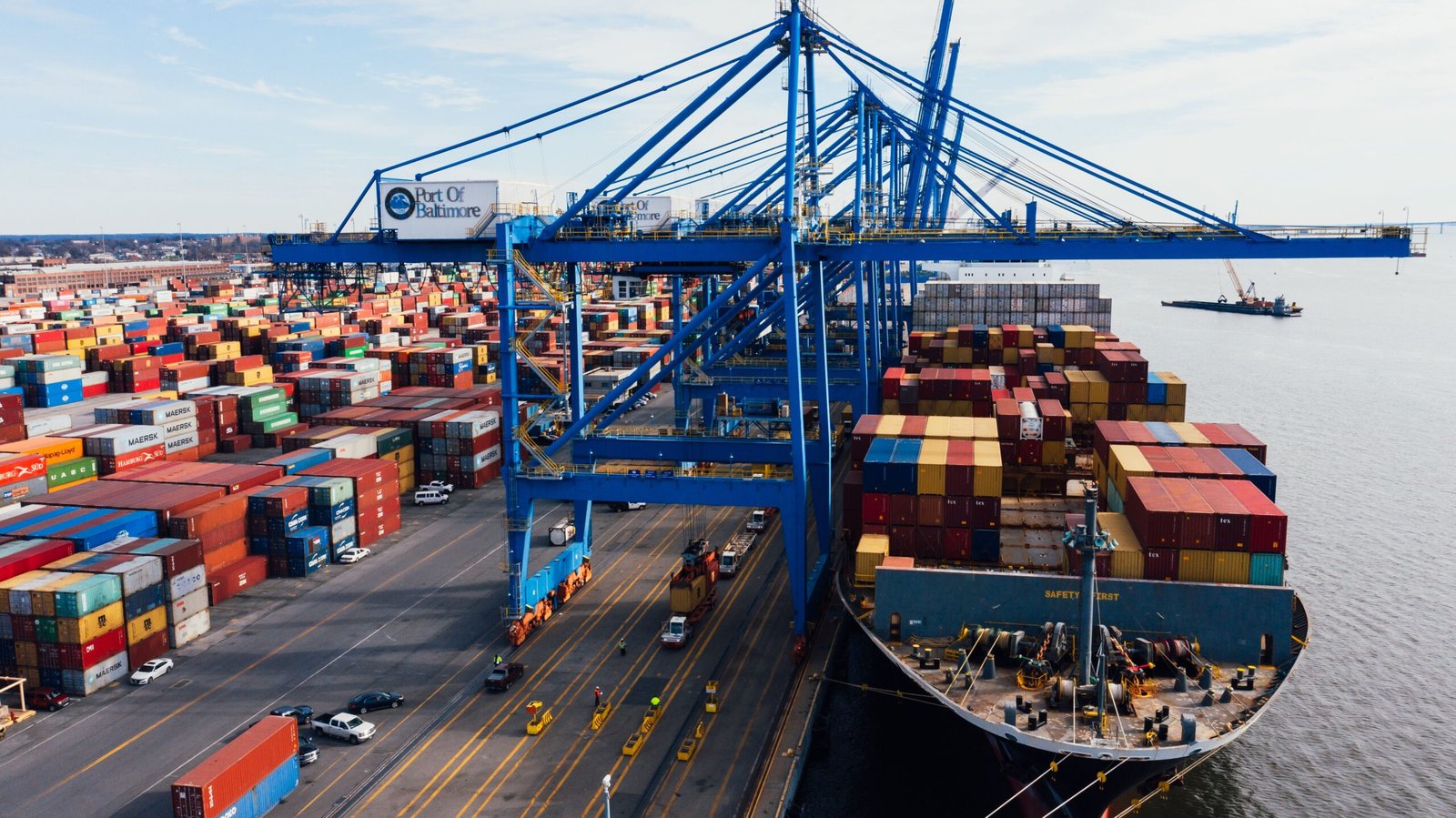
Typical Raw Sugar Specification for Import
| Parameter | Typical Specification |
|---|---|
| Polarization | 98.5° – 99.4° min |
| Color (ICUMSA units) | 800 – 1,500 |
| Moisture | 0.10% – 0.15% max |
| Ash content | 0.15% – 0.25% max |
| Reducing sugars | 0.20% – 0.35% max |
| Foreign matter | Minimal, within trade-standard tolerance |
These figures matter for more than quality control on a raw sugar import order — some countries’ tariff and quota systems reference specific polarization thresholds to determine duty rates or eligibility for preferential import programs. A buyer who doesn’t confirm the applicable spec against their destination country’s actual regulations can end up paying a higher duty rate than necessary, simply from a documentation gap rather than an actual product issue.
Key Steps in a Raw Sugar Import Transaction
- Confirm your import eligibility and any licensing requirements. Some countries restrict raw sugar import to licensed refiners or require an import permit before a shipment can even be booked.
- Determine the correct tariff classification (HS code) for your shipment. Raw sugar typically falls under HS code 1701.13 or 1701.14 depending on the specific product, though local tariff schedules can vary the exact duty applied.
- Request a formal quote with Incoterms specified. FOB, CIF, and CFR all shift different responsibilities and costs onto the buyer versus the supplier.
- Arrange quality documentation and any required inspections. Certificate of analysis, certificate of origin, and phytosanitary certification are standard for most destination markets.
- Confirm customs clearance requirements at your destination port. Some ports require pre-arrival documentation submission, and delays here can hold up an entire shipment even after it physically arrives.
- Arrange inland transport and receiving logistics. Bulk vessel shipments in particular require unloading infrastructure coordinated well before the vessel actually arrives.
Tariffs, Quotas, and Trade Agreements
Raw sugar import duty rates vary enormously by country and, in many cases, by trade agreement status between the origin and destination countries. Some countries operate tariff-rate quota systems, where a set volume of raw sugar can enter at a preferential duty rate, with any volume above that quota taxed at a significantly higher rate. Others maintain flat tariffs regardless of volume, and some have preferential trade agreements with specific sugar-producing countries that reduce or eliminate duty entirely on raw sugar import from those origins. Before finalizing a purchase order, it’s worth confirming with a customs broker or your own import compliance team exactly which regime applies to your specific destination country and origin combination, since the financial difference between quota-eligible and standard tariff treatment can be substantial.
Documentation Required for a Raw Sugar Import
- Commercial invoice matching the actual shipment value and quantity
- Certificate of Origin, often required for preferential tariff treatment
- Certificate of Analysis specific to the shipped batch
- Phytosanitary certificate, required by most countries for agricultural commodity imports
- Bill of lading matching the commercial invoice and packing list
- Import permit or license, where the destination country requires one for raw sugar specifically
- Fumigation certificate for wooden pallets or dunnage, where applicable
Missing or mismatched documentation is one of the most common causes of delay at customs for a raw sugar import shipment, often more disruptive to a timeline than any issue with the product itself. Confirming the full documentation list with your supplier and your customs broker before the shipment leaves origin saves real time and money on the receiving end.
Packaging and Shipping Formats
- Bulk vessel shipment — the standard for large-volume raw sugar import orders, typically requiring dedicated bulk unloading infrastructure at the receiving port.
- Container shipment, bulk-loaded — for mid-size orders without full vessel-scale volume, often more practical for buyers without direct port-side bulk handling.
- Jumbo bags (1,000 kg) — for smaller import orders or buyers without bulk unloading equipment.
What Drives Raw Sugar Import Costs
- Base commodity price — raw sugar import pricing tracks global raw sugar futures markets, plus any origin-specific premium or discount.
- Freight and Incoterms — FOB pricing puts freight cost and arrangement on the buyer, while CIF bundles it into the supplier’s quote.
- Import duty and tariff classification — this can add a meaningful percentage to landed cost depending on your destination country’s specific tariff treatment.
- Port and inland logistics — unloading, storage, and inland transport from the port to your facility all factor into total landed cost beyond the quoted product price.
Working With a Customs Broker
For a first-time raw sugar import, working with a customs broker familiar with agricultural commodity imports in your destination country is worth the cost, even for buyers who normally handle their own customs clearance for other products. Sugar import regulations, in particular, often carry country-specific nuances around quota systems, licensing, and preferential trade agreement documentation that a general customs broker without commodity-specific experience might not catch. A broker who has cleared raw sugar shipments before can flag potential issues with your documentation before a shipment leaves origin, rather than discovering a problem once it’s already sitting at your destination port accruing demurrage charges.
Common Mistakes in Raw Sugar Import
- Not confirming tariff classification before finalizing a purchase order. A misclassified shipment can trigger unexpected duty charges or even customs holds.
- Assuming quota eligibility without verification. Quota programs often have specific documentation and origin requirements that aren’t automatic just because the product qualifies on paper.
- Underestimating port and inland logistics timelines. A raw sugar import shipment arriving on schedule doesn’t mean it reaches your facility on schedule if inland transport and unloading aren’t arranged in advance.
- Skipping a customs broker on a first-time import to save cost. The cost of a broker is typically much smaller than the cost of a shipment delayed at customs over a documentation error.
- Not building in a buffer for regulatory or documentation delays. First-time raw sugar import transactions in particular benefit from planning extra lead time beyond the standard shipping schedule.
A Practical Example
A mid-size food manufacturer we work with attempted their first raw sugar import shipment without confirming their destination country’s tariff-rate quota documentation requirements in advance. The shipment arrived on schedule but sat at port for nearly three weeks while the correct certificate of origin documentation was tracked down retroactively, incurring demurrage charges that ended up costing more than the customs broker fee would have on the front end. Their next import went through in under a week once the documentation was assembled correctly before the shipment even left origin — the product and the supplier hadn’t changed, only the preparation had.
Storage After Import
Once a raw sugar import shipment clears customs, storage considerations are the same as for any raw sugar: dry, well-ventilated conditions to manage its naturally higher moisture content compared to refined sugar. Buyers without their own bulk storage silo infrastructure should confirm receiving warehouse capacity and conditions before a shipment arrives, particularly for vessel-scale volumes that require prompt unloading and can’t sit at port indefinitely without incurring additional charges.
Choosing Between FOB, CIF, and CFR for a Raw Sugar Import
The Incoterm you agree to shapes who’s responsible for what during a raw sugar import shipment, and it’s worth understanding the practical difference rather than just picking whichever term sounds simpler. Under FOB, the supplier’s obligation ends once the sugar is loaded onto the vessel at the origin port, and you take on freight booking, insurance, and all risk from that point forward. Under CIF, the supplier arranges and pays for freight and insurance to your destination port, which reduces your coordination burden but usually costs more per ton than arranging freight independently, since the supplier is effectively marking up a service you could source directly. CFR sits between the two, with freight included but insurance left to the buyer. For a first raw sugar import, particularly without an established freight forwarder relationship, CIF often makes sense purely to reduce the number of parties you’re coordinating with on a transaction you haven’t run before. Once you’ve completed a few import cycles and built freight forwarding relationships of your own, FOB terms often work out more cost-effective.
Understanding Tariff-Rate Quotas
Many countries manage raw sugar import volume through a tariff-rate quota system rather than an outright import ban or unlimited open access. Under this system, a defined volume of raw sugar can enter the country each year at a low or preferential duty rate, while any import volume above that quota faces a substantially higher tariff, sometimes high enough to make importing above-quota volume commercially impractical. Quota allocation methods vary by country — some allocate on a first-come basis, others through licensing systems tied to domestic refining capacity, and some through country-specific trade agreement allocations. If your raw sugar import plans involve significant volume, understanding exactly how your destination country’s quota system works, and whether quota space is actually available for your planned shipment timing, is worth confirming well before you commit to a purchase order.
Currency and Payment Considerations
Raw sugar import transactions are typically priced and invoiced in US dollars regardless of the origin or destination country, which means buyers outside dollar-denominated economies carry some currency exposure between the time a contract is signed and payment is actually made. Letters of credit remain the standard payment mechanism for larger international raw sugar import orders, providing both parties a level of security that open account terms don’t offer, particularly for a first transaction between a new buyer and supplier relationship. As a buying relationship matures over multiple shipments, some buyers and suppliers move toward more flexible payment terms, but that’s typically something that develops with track record rather than being available from the very first order.
Choosing an Origin for Your Raw Sugar Import
Origin selection for a raw sugar import affects more than just price. Brazil is the world’s largest raw sugar exporter, with generally consistent specification and well-established shipping routes to most major markets, making it a common default for buyers without a strong reason to source elsewhere. India and Thailand offer competitive alternatives, particularly for buyers in Asia and the Middle East where freight distance and transit time favor those origins over South America. Some destination countries also have preferential trade agreements with specific origin countries that reduce or eliminate import duty, which can make an otherwise more expensive origin the actual lowest-cost option once duty is factored into total landed cost. It’s worth running the full landed-cost comparison, not just the FOB or CIF quote, before settling on an origin for a raw sugar import order, since the cheapest quoted price doesn’t always translate to the cheapest delivered cost once freight, duty, and transit time are all accounted for.
Building a Relationship With a Raw Sugar Import Supplier
First-time raw sugar import buyers often treat the initial transaction as a one-off test, which is reasonable, but it’s worth thinking a step ahead if you expect to need raw sugar on an ongoing basis. Suppliers who know a buyer plans to become a repeat customer are often more willing to work through documentation questions, offer more flexible payment terms over time, and prioritize consistent specification for that buyer’s future orders. If your raw sugar import needs are likely to be recurring rather than a single transaction, saying so early in the relationship, rather than treating every order as an isolated negotiation, tends to produce a smoother long-term sourcing arrangement for both sides.
Insurance for Raw Sugar Import Shipments
Marine cargo insurance is worth arranging regardless of which Incoterm governs your shipment, even under CIF terms where the supplier technically arranges insurance on your behalf — it’s worth confirming the coverage level and terms of that policy rather than assuming it matches what you’d want if a claim actually needs to be filed. Bulk commodity shipments carry real risk of loss through contamination, moisture damage, or short-shipment disputes, and having your own clear understanding of what’s covered, and who to contact if something goes wrong mid-transit, saves significant time and stress if an issue actually arises on a raw sugar import shipment.
Frequently Asked Questions
How long does a raw sugar import shipment typically take?
This varies significantly by origin and destination, but ocean freight transit alone often runs four to eight weeks, with additional time needed for production, loading, and customs clearance on both ends. First-time importers should build in extra buffer time beyond the base shipping schedule.
Do I need a license to import raw sugar?
This depends entirely on your destination country. Some countries require import licenses or restrict raw sugar import to registered refiners, while others allow open import subject only to standard customs and tariff procedures. Confirm with your destination country’s customs authority or a licensed customs broker before finalizing an order.
What’s the difference between importing raw sugar and refined sugar?
Beyond the product specification itself, raw and refined sugar often fall under different tariff classifications and, in some countries, different quota or licensing regimes, since governments frequently treat raw sugar destined for domestic refining differently from finished refined sugar competing directly with local production.
How is raw sugar import quality verified at the destination?
Through the supplier’s certificate of analysis and, for larger shipments, independent third-party inspection at both origin and destination. Global raw sugar trade statistics and specifications are tracked by organizations including the USDA Economic Research Service, which publishes ongoing data on international sugar trade flows.
Related Reading
If you’re still deciding on the right grade to import, our industrial raw sugar guide covers standard commodity specifications, and our premium raw sugar page covers the tighter-spec end of the market. For food-grade applications, see our natural cane sugar guide, and for brown sugar specifically, our brown cane sugar supplier page covers what to verify before ordering.
Get Help With Your Raw Sugar Import Order
We supply raw sugar for import to buyers worldwide, with full documentation support, current certificates of analysis, and Incoterms flexibility to match your logistics setup. Tell us your destination country, required specification, and target volume, and we’ll respond with a formal quote and guidance on the documentation your specific market requires.