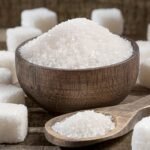

“Natural” gets thrown around loosely in the sugar trade, so it’s worth being precise about what natural cane sugar actually means before you put it on a spec sheet or a purchase order. Natural cane sugar refers to sugar produced from sugarcane through mechanical and thermal processing only, without chemical bleaching agents, artificial additives, or synthetic processing aids. It’s a category buyers reach for when they want a product that’s minimally processed but still consistent enough to build a supply chain around, and it sits in an interesting middle ground between raw sugar and fully refined white sugar.
What Natural Cane Sugar Actually Means
Natural cane sugar is produced by extracting juice from sugarcane, clarifying it through settling and filtration rather than chemical decolorization, then evaporating and crystallizing it. No bone char, no activated carbon bleaching, no synthetic chemical additives in the clarification process. The result keeps more of the cane’s natural mineral content and a light golden color, distinguishing it from bright white refined sugar while still being cleaner and more consistent than raw commodity-grade sugar destined for further refining. Buyers looking for natural cane sugar are usually after that specific combination: less processed than white sugar, but more consistent and food-ready than industrial raw sugar.
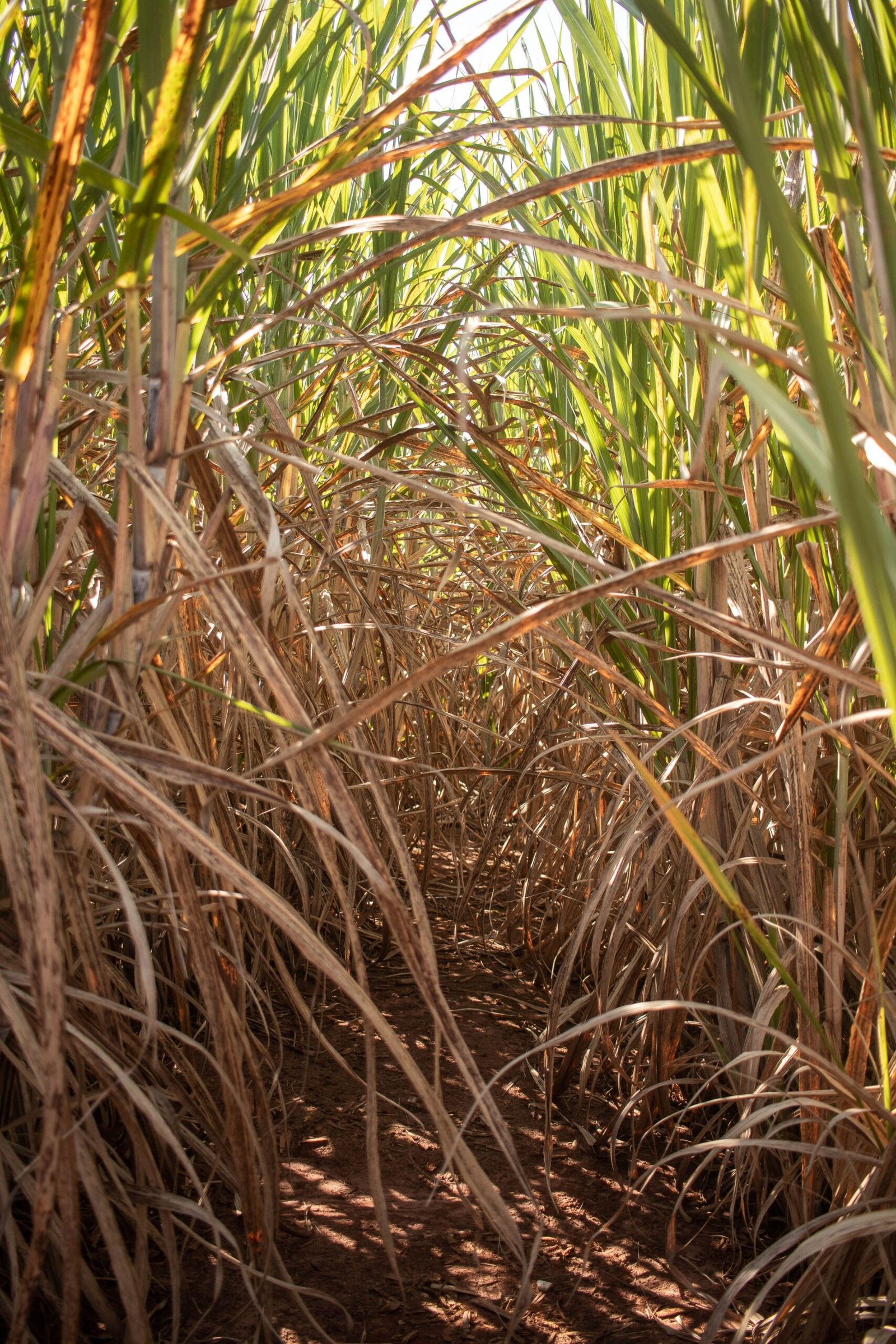
Natural Cane Sugar Specification
| Parameter | Typical Specification |
|---|---|
| Polarization | 99.0° – 99.5° min |
| Color (ICUMSA units) | 200 – 600 |
| Moisture | 0.10% max |
| Ash content | 0.15% max |
| Reducing sugars | 0.20% max |
| Grain size | Fine to medium, natural crystal |
| Processing aids | None — mechanical/thermal clarification only |
These numbers can shift depending on the specific cane variety and mill, but the defining feature of natural cane sugar isn’t a single number on this table — it’s the absence of chemical decolorization in the process. A buyer sourcing this grade should ask directly what clarification method the mill uses, since “natural” claims aren’t always independently verified the way organic certification is.
Natural Cane Sugar vs. Refined White Sugar
Refined white sugar goes through bone char or activated carbon filtration and repeated crystallization specifically to strip out every trace of color and molasses, producing a neutral, colorless product. Natural cane sugar skips that step, which means it retains a light golden hue and a faint molasses note that white sugar doesn’t have. Neither is objectively better — it depends entirely on what you’re making. A beverage brand marketing itself on natural ingredients wants the golden color and subtle flavor. A confectionery manufacturer needing a neutral, colorless sweetener needs refined white sugar instead. Buyers sometimes assume natural cane sugar is simply “healthier,” which isn’t accurate in any meaningful nutritional sense — the sucrose content is essentially the same. The real difference is processing method, color, and flavor profile, not nutrition.
Natural Cane Sugar vs. Raw Sugar: A Common Point of Confusion
These two terms get used almost interchangeably by buyers new to sourcing, but they’re not the same product. Raw sugar, particularly industrial-grade raw sugar sold as refinery feedstock, typically carries higher moisture and a heavier molasses coating, and is often not intended for direct food use without further processing. Natural cane sugar is processed further than that — clarified and crystallized to a food-ready standard — but without the chemical bleaching that produces white sugar. If a supplier quotes you “natural cane sugar” with raw sugar’s typical moisture and color specification, it’s worth asking directly whether they’re using the term loosely or whether the batch actually meets the tighter natural cane sugar standard.
Who Buys Natural Cane Sugar
- Natural and organic food brands — building products around a “less processed” ingredient story, where natural cane sugar’s color and flavor profile fits the positioning.
- Specialty beverage producers — craft sodas, kombucha, and artisanal drink brands often specify natural cane sugar for both flavor and label appeal.
- Bakeries and confectioners — using it for products where a lightly caramel note and golden color are part of the intended flavor profile.
- Health-conscious retail brands — even though the nutritional profile is close to white sugar, “natural” labeling carries real market value with certain consumer segments.
If your product doesn’t benefit from natural cane sugar’s color or flavor characteristics, and you don’t have a labeling or marketing reason to specify it, standard refined sugar is usually the more cost-effective choice. The premium for natural cane sugar is worth paying when it’s actually doing something for your product or your positioning, not as a default assumption that less-processed automatically means better.
Packaging and Shipping
- 25kg and 50kg food-grade bags — the most common format for natural cane sugar given its typical use in food and beverage manufacturing.
- Jumbo bags (1,000 kg) — for larger-volume manufacturers with bulk handling capacity.
- Container and bulk vessel — available for large-scale buyers, though natural cane sugar orders more often move at container scale than full bulk vessel scale compared to commodity raw sugar.
Because natural cane sugar is typically destined for direct food use, packaging integrity and food-safe handling matter more here than for industrial raw sugar. Buyers should confirm packaging meets food-contact standards for their destination market, not just generic export packaging.
Certifications to Ask About
- Certificate of Analysis confirming specification for the shipped batch
- Certificate of Origin
- Food safety certification (HACCP, ISO 22000, or regional equivalent)
- Non-GMO or organic certification, if applicable to your product claims
- Confirmation of clarification method used, in writing, if “natural” processing is a claim you intend to make on your own packaging
That last point matters more than buyers sometimes realize. If your product’s own labeling makes a “natural” claim based on the sugar you’re using, you want documentation from your supplier backing that up, not just a verbal assurance, in case your own labeling ever gets questioned by a regulator or a customer.
What Affects Natural Cane Sugar Pricing
- Base raw sugar commodity price — natural cane sugar still tracks the underlying sugar market, with additional cost layered on for the extra clarification and consistency work.
- Origin and cane variety — some cane varieties naturally produce a more favorable color and flavor profile for this category, affecting sourcing cost.
- Certification requirements — organic or non-GMO certified natural cane sugar carries a meaningful premium over uncertified product.
- Order volume and packaging format — smaller, food-grade bagged orders cost more per ton than bulk container or vessel volumes.
How to Order Natural Cane Sugar
- Clarify what “natural” means for your application. Decide whether you need documented non-chemical processing, organic certification, or simply a golden, less-refined product for flavor and color.
- Request a specification sheet and clarification method in writing. Don’t rely on the word “natural” alone on a quote.
- Ask for a sample. Color and flavor profile matter more here than with commodity raw sugar, so a physical sample lets you confirm it actually fits your product before committing to volume.
- Confirm food safety certification. Especially important if the sugar is going directly into a consumer food or beverage product.
- Finalize packaging and shipping terms. Food-grade packaging requirements and Incoterms should be locked in before production.
Common Mistakes When Sourcing Natural Cane Sugar
- Treating “natural” as a verified certification. Unlike organic certification, “natural” isn’t always independently audited. Ask what specifically backs up the claim.
- Assuming natural cane sugar and raw sugar are interchangeable. They have different specifications and different appropriate uses — confusing them can mean ordering the wrong product for your process.
- Not sampling before a large order. Color and flavor variance between batches can matter a lot for a finished consumer product, more than it would for an industrial application.
- Overpaying for a marketing term without market benefit. If your customers won’t notice or care about “natural” labeling, the premium may not be worth it for your specific product.
A Practical Example
A craft beverage client of ours had been using standard refined sugar in a product marketed around natural, simple ingredients, and their own customers had started asking questions about the mismatch between their branding and their actual ingredient list. Switching to natural cane sugar solved both the labeling accuracy issue and gave their product a slightly different flavor profile that, according to their own customer feedback, actually improved the final product. It’s a reminder that this decision isn’t purely aesthetic — for certain product categories, the ingredient genuinely needs to match the story being told about it.
Storage Considerations
Natural cane sugar’s moisture content sits between raw and refined sugar, so it needs dry, ventilated storage similar to other cane sugar products, though it’s generally more forgiving than raw sugar given its lower starting moisture. Food-grade storage practices apply here more strictly than for industrial raw sugar, since this product is typically headed straight into a consumer food or beverage product without further processing.
How Natural Cane Sugar Is Made, Step by Step
Cane arrives at the mill and gets crushed to extract the juice, same starting point as any cane sugar product. From there, the natural cane sugar process diverges from white sugar refining in a specific way: clarification happens through heating, liming, and settling — letting suspended solids drop out naturally or filtering them mechanically — rather than through the carbonation, sulphitation, or activated carbon and bone char filtration used to strip color for white sugar. The clarified juice is then evaporated and crystallized under controlled conditions to produce a consistent, food-ready crystal. The mineral content and trace compounds that give natural cane sugar its golden color and subtle flavor stay in the product because they were never chemically stripped out in the first place. It’s a simpler process in some ways than full refining, but it requires more careful control at the crystallization stage to hit a consistent, food-grade result without the safety net that full refining and bleaching would otherwise provide.
Color Grading for Natural Cane Sugar
Color is measured the same way across the cane sugar industry, using the ICUMSA scale, and it’s one of the clearest ways to verify a natural cane sugar claim. Fully refined white sugar typically sits below 45 ICUMSA units. Natural cane sugar generally falls in a 200 to 600 range, visibly golden but well short of raw sugar’s much darker 800-plus range. If a supplier quotes you natural cane sugar with a color rating outside that general band, ask directly why — it might be a legitimate variation based on cane variety, or it might mean the batch is closer to raw sugar than the natural cane sugar category typically implies.
Flavor Profile and Culinary Use
Natural cane sugar carries a mild, faintly caramel or molasses-adjacent note that white sugar simply doesn’t have, a direct result of retaining trace natural compounds through processing. In baking, this shows up as a subtle depth of flavor rather than pure sweetness, which some recipes benefit from and others don’t need. In beverages, it’s often the deciding factor for brands choosing it over refined sugar in the first place — that flavor profile is part of the product experience, not just a substitution. Buyers formulating a new product with natural cane sugar for the first time should expect a small adjustment period in recipe development, since it doesn’t behave as a perfectly neutral 1:1 swap for refined white sugar in every application.
Verifying a Natural Claim When It Isn’t Independently Certified
Because “natural” doesn’t carry the same regulatory weight as “organic” or “non-GMO” in most markets, the burden of verification largely falls on the buyer asking the right questions rather than a third-party certification body doing it automatically. Ask your supplier directly: what clarification method is used, is any chemical decolorization agent involved at any stage, and can they provide this in writing on a document you could show a regulator or customer if your own labeling is ever challenged. A supplier confident in their natural cane sugar process should answer these questions without hesitation. Vague or evasive answers to a direct question about processing method are a reasonable reason to keep shopping.
Blending Natural Cane Sugar With Other Sweeteners
Some manufacturers blend natural cane sugar with other sweeteners to balance cost, flavor, and labeling goals — for instance, using it as a smaller percentage of an overall formulation specifically to support a “made with natural cane sugar” claim on packaging, while keeping the bulk of the sweetening from a lower-cost refined sugar. This is a legitimate strategy as long as your labeling accurately reflects the actual proportion used, since regulations in most markets require that ingredient claims match reality rather than implying more of a specialty ingredient than a product actually contains.
Sourcing Regions for Natural Cane Sugar
Natural cane sugar comes from many of the same producing regions as raw and refined sugar, though the mills that supply it tend to be ones set up to run smaller, more controlled production batches rather than pure high-volume commodity output. Latin American producers, particularly in Colombia, Peru, and parts of Central America, have built a meaningful export trade specifically around minimally processed, golden cane sugar for the North American and European natural food markets. Parts of India and Southeast Asia also produce natural cane sugar variants, sometimes marketed under regional names, though buyers should confirm the actual specification matches what they need rather than assuming a regional reputation guarantees a specific color or flavor profile.
Sustainability and Supply Chain Transparency
Buyers in the natural and organic food space are often held to a higher standard on supply chain transparency by their own customers, and natural cane sugar sourcing is no exception. Beyond the processing method itself, some buyers want to know about the cane farming practices, water use, and labor conditions at origin. If this matters for your brand, ask your supplier whether their natural cane sugar carries any recognized sustainability certification, such as Bonsucro, or whether they can at least provide documented farm-level sourcing information. Not every mill tracks this level of detail, so it’s worth confirming early rather than assuming it’s automatically available once you’ve placed an order.
Working With Us on Natural Cane Sugar Orders
We supply natural cane sugar to food and beverage manufacturers who need both the flavor and color profile of a less-processed product and the consistency to build a reliable supply chain around it. We’re upfront about clarification methods and specification for every batch, and we’d rather send a sample that doesn’t quite match your target profile than have you discover a mismatch after a full production run is already committed. If you’re not sure whether natural cane sugar or a different grade fits your product best, tell us what you’re making and we can help narrow it down before you request formal pricing.
Frequently Asked Questions
Is natural cane sugar healthier than white sugar?
Not in any significant nutritional sense — the sucrose content is essentially comparable. The differences are in processing method, color, and flavor, not calorie or sugar content.
Is natural cane sugar the same as organic cane sugar?
No. Organic certification refers to how the cane was grown — without synthetic pesticides or fertilizers — while natural cane sugar refers to the processing method after harvest. A product can be one, both, or neither; confirm both separately if both matter to your sourcing.
Can natural cane sugar be used in baking the same way as white sugar?
Generally yes, though its slightly coarser crystal and mild flavor can affect texture and taste in delicate baked goods. Testing in your specific application before switching a full production run is worth the small extra time.
How is natural cane sugar quality verified?
Through certificate of analysis and, where claims matter to your own labeling, documentation of the processing method used. Trade and production data for cane sugar globally is tracked by organizations including the FAO’s statistics division, which publishes global sugarcane production figures.
Related Reading
If you’re deciding between this and a fully unrefined product, our industrial raw sugar guide covers the less-processed end of the spectrum, and our premium raw sugar page covers the tighter-spec raw sugar tier. For buyers sourcing from brown, minimally refined sugar specifically, see our brown cane sugar supplier guide, and for cross-border logistics see our raw sugar import page.
Request a Quote for Natural Cane Sugar
We supply natural cane sugar in food-grade bulk and bagged formats to beverage producers, bakeries, and specialty food brands worldwide, with documented specifications and clarification methods available for every batch. Tell us your target color, packaging format, and volume, and we’ll respond with a formal quote and a sample for your own testing before you commit.