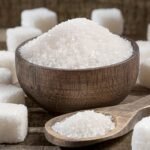

A good number of the buyers who email us asking about raw brown sugar actually mean three or four different products, and that’s not their fault—the term gets used loosely across the industry. So before we get into specs and pricing, let’s nail down exactly what we’re talking about, because getting the wrong product shipped to your facility over a labeling mix-up is a headache nobody needs.
What Raw Brown Sugar Really Means
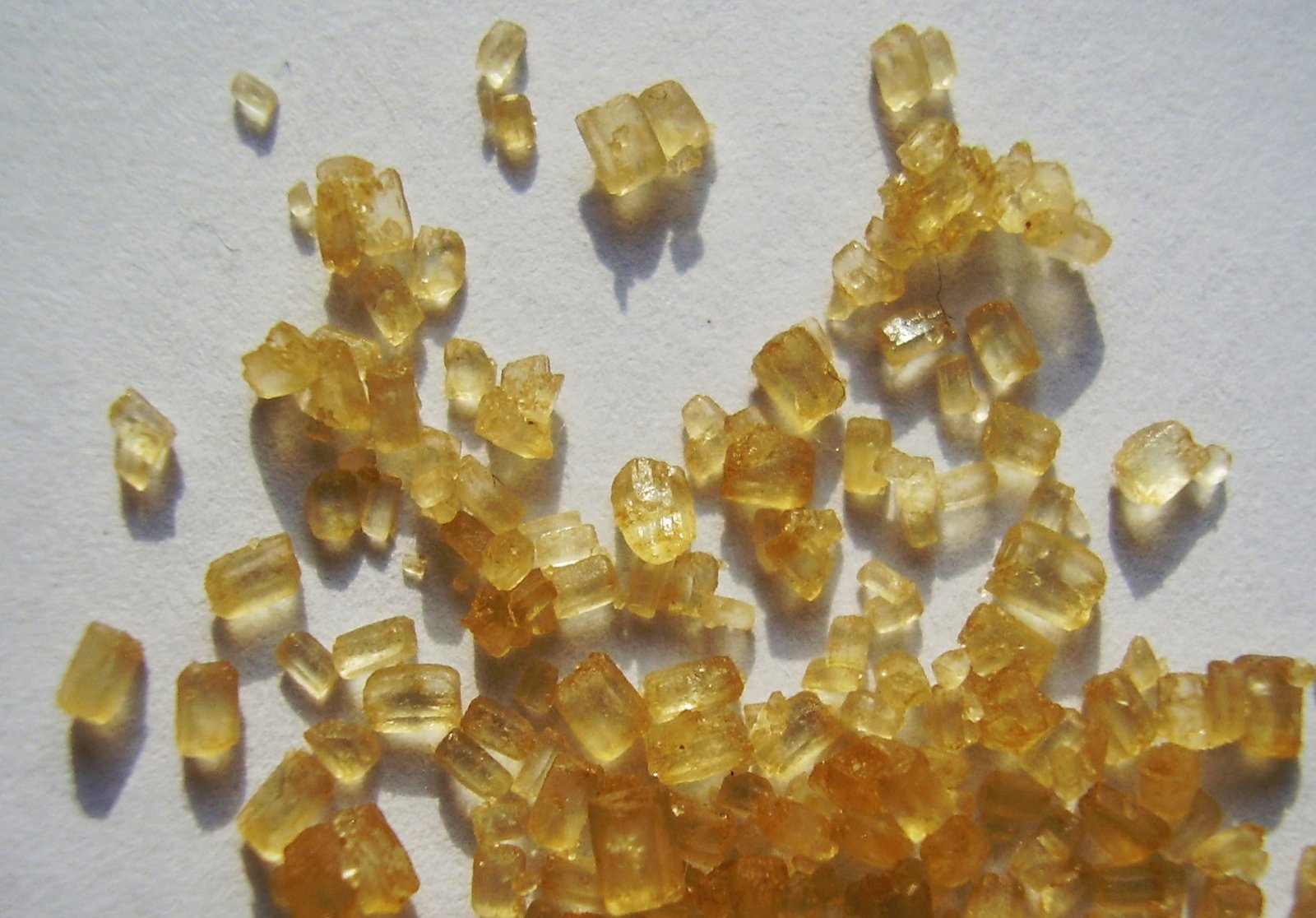
In commodity trading terms, raw brown sugar is unrefined or minimally processed sugar that still contains its natural molasses coating from the cane extraction process. It hasn’t been through the bleaching and recrystallizing steps that turn sugar white, and it hasn’t had molasses stripped out and then added back in, which is how most supermarket “brown sugar” is actually made. What we sell as raw brown sugar is the real thing—cane juice, boiled down, crystallized, and packed with the molasses still clinging to the crystal.
This matters because a lot of buyers assume brown sugar is just white sugar with molasses mixed back in. Sometimes that’s true (that’s commercial “brown sugar” made for retail baking aisles), but raw brown sugar is a different, less-processed product with its own flavor and its own specification range.
Specifications
Here’s the spec sheet we work from for a standard raw brown sugar order:
| Parameter | Typical Value |
|---|---|
| Polarization | 96° – 99° |
| Moisture | 0.5% – 3% (varies by grade) |
| Color (ICUMSA) | 1000 – 3000+ IU depending on darkness required |
| Sucrose content | 96% – 99% |
| Ash content | 0.2% – 0.6% |
| Granulation | Fine to medium, naturally clumping |
| Reducing sugars | 0.5% – 2% |
Notice the moisture range is wider than you’d see for a fully refined white sugar. That’s normal for raw brown sugar—the molasses content naturally holds a bit more moisture, which is part of why it clumps and stays soft, unlike the free-flowing crystal of white sugar. If your process needs a drier, more free-flowing product, we can source toward the lower end of that moisture range, but we’ll be upfront that a bone-dry raw brown sugar tends to lose some of the softness bakers actually want.
Color Grades and What They Mean for Flavor
Raw brown sugar isn’t one uniform color. The darker the sugar, the more molasses it’s carrying, and the stronger the flavor. We generally group orders into light, medium, and dark:
- Light raw brown sugar has a mild, almost caramel-like sweetness, useful where you want a hint of brown sugar character without overpowering other flavors.
- Medium raw brown sugar is the most commonly ordered grade—a clear molasses flavor that works well in general baking, sauces, and marinades.
- Dark raw brown sugar carries a strong, almost bittersweet molasses depth, popular in gingerbread, barbecue sauces, and specialty confections where that intensity is the point.
If you’re not sure which grade fits your product, send us your target application and we can recommend a starting point, or send a couple of sample grades for your R&D team to test side by side.
Where We Source It
We pull raw brown sugar mainly from Brazilian and Southeast Asian mills, chosen for consistency batch to batch. A recurring complaint we hear from buyers who’ve worked with smaller, inconsistent suppliers is that one delivery is noticeably darker or wetter than the last, which throws off recipes that depend on a stable sugar-to-liquid ratio. We test every batch before it ships specifically to avoid that kind of inconsistency landing on your production line.
Who Buys Raw Brown Sugar
The order patterns we see break down roughly like this:
- Bakeries using it for cookies, cakes, and breads where a molasses note and moist crumb are part of the recipe.
- Sauce and condiment makers—barbecue sauce, teriyaki, glazes—where the depth of flavor raw brown sugar brings is hard to replicate with white sugar plus flavoring.
- Confectioners making toffee, fudge, and caramel-adjacent candy.
- Health food and specialty brands marketing a less-processed sweetener as part of their ingredient story.
- Repackagers who buy in bulk and portion it out under retail packaging for grocery shelves.
Packaging
Standard packaging is 25kg or 50kg multi-wall bags with a moisture-resistant inner liner, since raw brown sugar’s higher moisture content makes it more prone to caking if packaging isn’t sealed properly. For large-volume buyers, we also offer 1-ton bulk bags. Container loading follows the same logic as our other sugar products—20ft containers for smaller orders, 40ft for larger ones, always with desiccant or moisture control measures appropriate to the shipping route and climate.
One thing worth flagging specifically for raw brown sugar: because it’s more hygroscopic than white sugar, we pay extra attention to container humidity control on longer routes, particularly shipments crossing through tropical climates where ambient humidity during transit can be a real factor.
Storage Once It Reaches You
Raw brown sugar hardens if it dries out and cakes if it picks up too much ambient moisture—it’s a narrower comfort zone than white sugar. Keep it in a sealed container, away from direct heat sources, and try to use stock within a reasonable window rather than letting it sit for a year in a half-open bag. If a batch does harden in storage, it’s usually salvageable by adding a slice of bread or a damp paper towel to the sealed container for a day, which lets it reabsorb some moisture, though obviously that’s more of a kitchen-scale fix than something you’d do with a full pallet.
Raw Brown Sugar vs Commercial “Brown Sugar”
This distinction trips up a lot of first-time buyers, so it’s worth spelling out clearly. Commercial brown sugar, the kind found in most grocery stores, is typically refined white sugar with molasses syrup sprayed back onto it afterward, in a controlled, engineered process that produces a very consistent, predictable product every time. Raw brown sugar, in contrast, keeps the molasses that was naturally present from processing the cane juice—nothing removed, nothing added back. The flavor is generally considered more complex and less uniform, batch to batch, because it’s closer to the original cane product rather than an engineered blend. Neither one is “better” in an absolute sense; it depends on what your product needs. If your brand is built around a “naturally processed” or “minimally refined” story, raw brown sugar supports that claim in a way that reconstituted commercial brown sugar can’t.
Nutritional Considerations
The nutritional difference between raw brown sugar and white sugar is small in absolute terms—both are still primarily sucrose, and both deliver about the same calories per gram. Raw brown sugar carries slightly more trace minerals (calcium, potassium, iron, magnesium) from the retained molasses, but the amounts are small enough that nobody should market it as a health food. What it does offer, honestly, is flavor and a less industrial production story, which is a real selling point for brands positioning against heavily processed ingredients, even without a meaningful nutritional edge.
Common Production Issues and How to Avoid Them
A few practical issues come up often enough that it’s worth addressing them here directly. Clumping during storage is the most common complaint, and it’s almost always a moisture and packaging issue rather than a defect in the sugar itself—proper sealed storage solves it in most cases. Color inconsistency between batches usually traces back to sourcing from multiple mills without tight quality control; we avoid this by sourcing from a consistent set of qualified mills and testing every batch. Flavor variation, where one batch tastes noticeably different from the last, generally comes from differences in the molasses ratio, which is why we test and document color and moisture specs on every shipment rather than relying on visual inspection alone.
Pricing
Raw brown sugar pricing follows the raw sugar commodity market as a baseline, then adjusts for the specific color grade, moisture spec, packaging, and shipping terms. Darker grades with higher molasses retention sometimes command a premium since the processing to hit a consistent dark color at scale takes more care than a lighter, more standard grade. As with our other products, we quote FOB, CFR, or CIF depending on what works for your logistics setup, and we’ll walk you through exactly what’s driving the number rather than just handing you a total.
Quality Assurance and Documentation
Every raw brown sugar shipment gets tested for moisture, color, and polarization before it leaves the warehouse, and we can arrange independent third-party inspection through SGS or Bureau Veritas if your company requires it for compliance or internal QA purposes. Standard documentation includes a certificate of analysis, certificate of origin, packing list, and bill of lading, with phytosanitary certification added where the destination country requires it. If you have specific documentation requirements tied to your import regulations, flag them at the quote stage so we can build them into the shipment paperwork from the start rather than scrambling afterward.
How to Place an Order
Tell us your target quantity, destination port, preferred color grade, and any packaging requirements. We’ll send back a quote covering current market pricing, lead time, and payment terms, typically LC or TT depending on order size and whether we’ve worked together before. Once terms are confirmed, we lock in the sourcing and production slot, run pre-shipment quality checks, and prepare the full export documentation package. First-time buyers are welcome to request a sample before committing to a full container, which we’d honestly recommend if raw brown sugar’s flavor profile is new to your product line.
We ship worldwide, with regular routes into Asia, Europe, the Middle East, Africa, and the Americas, so wherever your production facility is located, we can typically work out a reasonable freight route and timeline.
Comparing With Related Grades
If raw brown sugar isn’t quite the right fit and you’re weighing other options, our cane sugar ICUMSA 45 guide covers a lighter-colored, mid-refinement option, and our raw cane sugar page breaks down the standard VHP export grade if you need something closer to a refinery feedstock than a finished flavor ingredient. Buyers also frequently ask us how raw brown sugar’s specification compares against international benchmarks; the Codex Alimentarius sets the baseline food safety standards most international shipments are measured against, covering things like maximum sulphur dioxide and heavy metal limits, and we build our own specification sheets to align with those benchmarks.
Frequently Asked Questions
Is raw brown sugar the same as demerara or turbinado sugar?
Not exactly. Demerara and turbinado are typically lighter-colored, coarser-crystal raw sugars that have had some processing to lighten and enlarge the crystal. Raw brown sugar generally refers to a finer, moister, darker product closer to the sugar’s natural state straight off the mill.
Can raw brown sugar be used as a 1:1 substitute for commercial brown sugar in recipes?
Mostly yes, though because moisture content can differ, some production teams need to adjust liquid ratios slightly when switching. We recommend a small test batch before converting your full production line.
What’s the shelf life?
Stored properly, sealed and away from moisture, raw brown sugar holds well for a year or more without significant quality loss, though most of our commercial buyers turn over stock much faster than that.
Do you supply organic raw brown sugar?
Yes, as a separate product line with its own certification and sourcing, priced differently from the standard commodity grade. Let us know at the quote stage if that’s what you need.
What’s the minimum order size?
Most orders start at a single 20ft container, though we’re happy to discuss smaller trial quantities for buyers testing the product for the first time.
How consistent is the color from shipment to shipment?
We test every batch against the agreed ICUMSA color range before loading, so you shouldn’t see meaningful drift between orders placed to the same specification.
Understanding Shipping Terms: FOB, CFR, and CIF
If this is your first time buying a commodity like raw brown sugar internationally, the shipping terms on the quote might need a quick explanation. FOB (Free On Board) means the quoted price covers the sugar loaded onto the vessel at the origin port, with the buyer arranging and paying for ocean freight and insurance from there. CFR (Cost and Freight) rolls the ocean freight into the price but leaves insurance to the buyer. CIF (Cost, Insurance, and Freight) bundles both freight and insurance into the quote, which tends to be the simplest option for buyers who don’t already have an established freight forwarder relationship. We’re happy to quote all three so you can pick whichever fits your existing logistics setup.
A Buyer’s Checklist Before You Commit
- Get the exact moisture and color range in writing—verbal agreements on “medium brown” mean different things to different suppliers.
- Confirm which port the sugar loads from and whether that lines up with your expected transit time.
- Decide whether third-party inspection matters for your compliance process, and get it written into the contract if so.
- Check that the packaging format (25kg, 50kg, jumbo bags) matches your warehouse handling setup.
- Request a sample if raw brown sugar is new to your production line—flavor and moisture behavior are easier to judge in hand than on a spec sheet.
- Confirm payment terms early, whether that’s a deposit plus balance, full LC, or another arrangement.
- Get the full documentation list confirmed before the shipment moves, not after it’s already at sea.
Mistakes We See First-Time Buyers Make
The most common one is treating “brown sugar” as a single, interchangeable product without specifying the color grade or moisture range they actually need, then being surprised when the delivered batch doesn’t match what they had in mind. A close second is underestimating how much raw brown sugar’s higher moisture content affects storage—buyers used to handling white sugar sometimes store it the same way and end up with caked, hardened stock a few months later. A third is skipping a sample order on a first purchase to save time, then discovering the flavor or texture doesn’t suit their recipe only after a full container has already landed. None of these are hard to avoid, but they do take a few extra minutes of conversation before the order is placed rather than after.
A Note on Sustainable Sourcing
We get more questions about sourcing practices now than we did a few years back, and it’s a fair thing to ask about. Sugarcane farming carries a real environmental footprint through water use and, in some regions, pre-harvest burning practices that affect local air quality. The mills we work with have been shifting toward mechanized, green harvesting that skips the pre-burn step, which cuts emissions and allows more plant residue to be returned to the soil or diverted to bioenergy use. If your brand needs sustainability documentation as part of its supply chain reporting, ask us at the quote stage and we’ll tell you honestly what’s available for the specific origin you’re considering.
Industry-Specific Notes
Different industries end up caring about different parts of the spec sheet. Commercial bakeries tend to focus heavily on moisture consistency, since that affects dough hydration calculations at scale. Sauce and condiment manufacturers usually care most about flavor intensity and color, since that translates directly into the finished product’s taste and appearance. Confectioners working with caramel and toffee bases care about how the sugar behaves when heated, which ties back to reducing sugar content and moisture. If you can tell us which of these matters most for your process, we can help narrow down the right grade faster instead of you having to test several before finding the right fit.
Get a Quote
If raw brown sugar is what your production line needs, reach out with your target volume, destination, and preferred color grade, and we’ll get back to you with real numbers and a realistic timeline, not a generic sales pitch.