

There is a real difference between a raw sugar manufacturer and someone who just resells whatever a mill happens to have in stock that week. A manufacturer controls the actual production, from cane through crushing, clarification and crystallization, right up to the point where raw sugar comes off the line and into a bag. That control is what lets a manufacturer hold a consistent specification shipment after shipment, and it is also what lets them actually fix a problem if a batch tests outside spec, instead of just shrugging and pointing at whoever they bought it from.
We work directly with cane sugar mills that manufacture raw sugar to order for export, and this page covers what that production process actually involves, the specification you should expect on every batch, and what separates a real manufacturer relationship from a reseller dressed up as one.
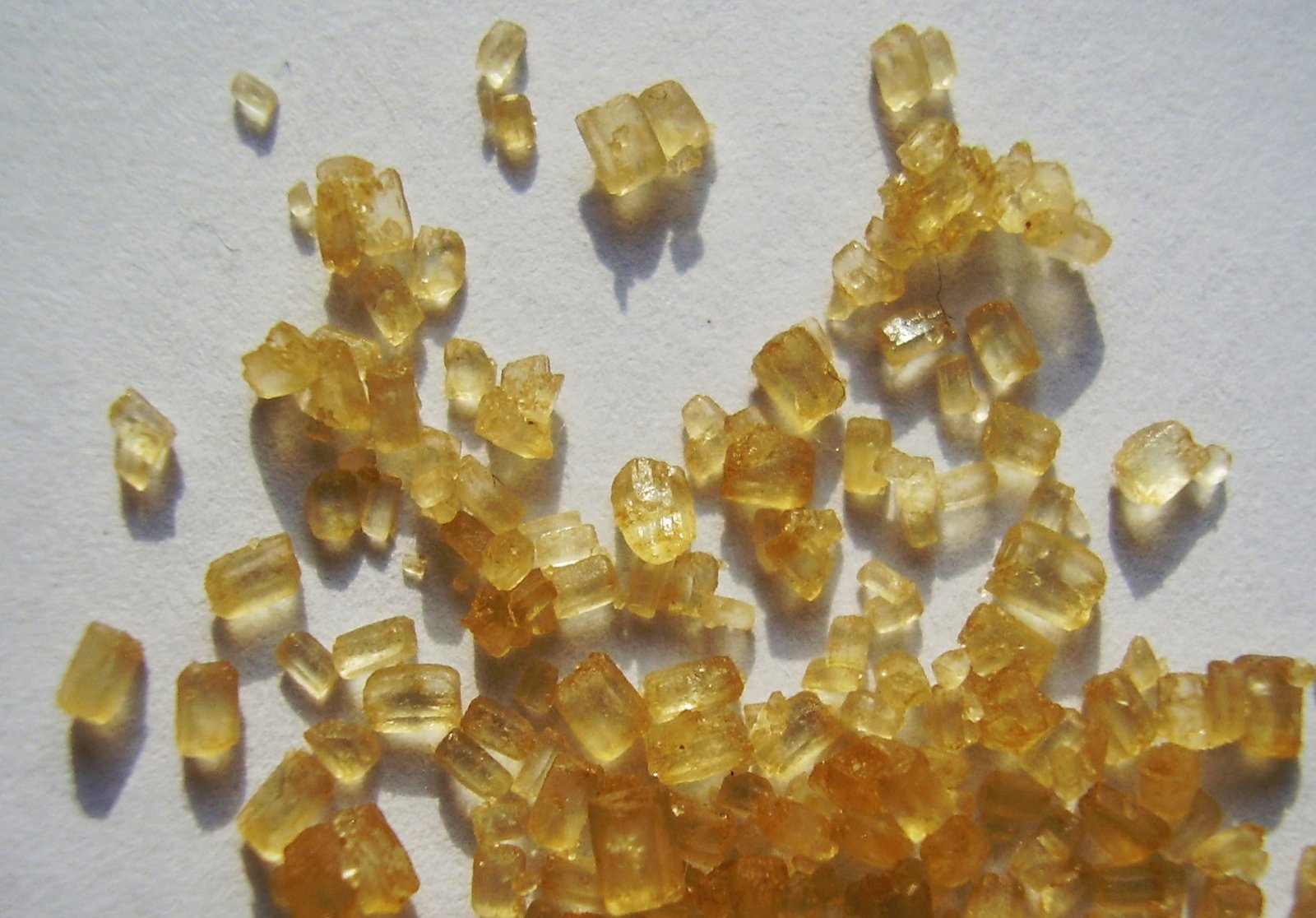
How Raw Sugar Is Actually Manufactured
Sugarcane is harvested and crushed to extract the juice, which is then clarified to remove plant fiber and non-sugar solids, evaporated to concentrate it, and crystallized under controlled heat and vacuum conditions. What comes out of that crystallization stage is raw sugar — tan to brown, still coated in a thin film of molasses, with a polarization and moisture content that depend heavily on how tightly the mill controlled the process.
This is not the same as refined white sugar with a filter run over it. Raw sugar is a distinct manufacturing endpoint, and a mill producing it for export needs consistent process control at every stage — clean juice extraction, accurate evaporation, and a crystallization process that produces uniform crystal size batch after batch.
Specifications a Real Manufacturer Holds Consistently
| Parameter | Typical Specification |
|---|---|
| ICUMSA color | 600 – 1,200 IU |
| Polarization | 96.0° – 99.0° minimum |
| Moisture content | 0.15% – 0.50% maximum |
| Ash content | 0.15% maximum |
| Reducing sugars | 1.0% maximum |
| Crystal size | Medium to large, uniform |
| Sediment | Negligible |
| Foreign matter | None |
The test of a real raw sugar manufacturer is not whether they can hit these numbers on one good batch. It is whether they hit them on the tenth container in a row, six months into a supply relationship, when the harvest conditions have shifted and the pressure is on to keep production moving. A mill running its own process can hold that line. A reseller sourcing from whichever supplier has stock that month usually cannot, because the underlying source keeps changing under them.
Quality Control Through the Manufacturing Process
A serious raw sugar manufacturer tests at more than one point:
- Raw juice testing for brix and purity before processing even begins
- In-process polarization checks during crystallization, so drift gets caught early rather than discovered at the end
- Final batch testing for polarization, moisture, ash and color before packing
- Packing line inspection for bag weight accuracy and seal integrity
- Pre-shipment third-party inspection, typically SGS or an equivalent independent body, confirming the loaded cargo actually matches the contracted spec
Ask any raw sugar manufacturer you are evaluating exactly which of these steps they run, and whether they can provide results for the specific batch you would be buying rather than a generic spec sheet reused across every inquiry they receive.
Certifications a Real Manufacturer Should Hold
Food safety certifications are a reasonable proxy for how seriously a mill takes its process, since earning and keeping them requires ongoing audits rather than a single application. Ask which of these a manufacturer currently holds, and be willing to verify the certificate directly with the issuing body rather than taking a logo on a website at face value:
- HACCP — Hazard Analysis and Critical Control Points, a baseline food safety management system
- ISO 22000 — a broader food safety management standard built around HACCP principles
- Kosher and Halal certification — relevant depending on your destination market
- FSSC 22000 or an equivalent GFSI-recognized certification — increasingly requested by larger institutional buyers
Not every legitimate mill holds every certification on this list, and a smaller operation can still produce excellent raw sugar without the full stack. But a raw sugar manufacturer claiming to serve large international buyers without any of these should prompt a direct question about why.
Manufacturing Capacity and Realistic Lead Times
Production capacity varies a lot between mills, and this directly affects whether a quoted lead time is realistic. A mill running at full capacity during harvest season can typically fill container orders faster than during the off-season, when raw material is tighter and production may be running from stored inventory instead of fresh crushing.
| Order size | Typical production lead time |
|---|---|
| Single container (24–27 MT) | 2–4 weeks during harvest, longer off-season |
| Multiple containers | 4–6 weeks, depending on mill scheduling |
| Bulk vessel (2,000+ MT) | 6–10 weeks, usually needs advance production booking |
A raw sugar manufacturer quoting the same two-week lead time regardless of order size or season is either overpromising or not actually running the production themselves.
Manufacturer vs Trader: Why the Distinction Changes Your Risk
Buying from the manufacturer directly, or from an exporter with a direct mill relationship, removes a layer of middlemen and the markup and delay that comes with each one. It also means fewer parties who can misrepresent the product between the mill and your contract. That said, a good trading relationship with an established exporter can still be the right call if you need flexibility across multiple mills or want someone else handling shipping logistics end to end. What matters is knowing which relationship you actually have — a reseller is not a manufacturer just because their website implies it.
Packing and Delivery From the Manufacturer
- 50 kg PP bags on pallets — the standard for most container orders
- 1,000 kg jumbo bags — for buyers with bulk handling equipment
- Bulk hold shipment — for vessel-scale orders without individual bagging
- Custom private label bags — available on larger repeat orders, produced directly at the mill
Confirm packing specifications in writing before production starts. Changing bag size or count once production has begun is far harder and more expensive than agreeing on it upfront.
Questions Worth Asking Any Raw Sugar Manufacturer
Which mill actually produces this sugar? A real manufacturer names the facility directly. A reseller often cannot, or gives a vague answer about “our partners.”
Can I get a certificate of analysis tied to a specific batch, not a generic spec sheet? Yes should be the immediate answer, without hesitation.
What happens if a batch tests outside spec? A real manufacturer has a documented process for this. A reseller often does not, because they are not the one who can actually fix a production issue.
Can I arrange third-party inspection of the facility? Reasonable manufacturers accommodate this for serious buyers, particularly on larger recurring orders.
Where We Source Production From
As a raw sugar manufacturer relationship built on direct mill access, our sourcing follows the major cane-producing regions:
- Brazil — the world’s largest raw sugar producer, with consistent output and deep available supply
- India — the largest producer overall, strong for Asian and African markets
- Thailand — a reliable source for Southeast Asia and the Middle East
- Colombia and Guatemala — additional origins for buyers in the Americas
Shipping and Documentation
Every shipment from our manufacturing partners ships with a certificate of analysis tied to the actual batch, a certificate of origin, phytosanitary and health certificates, a bill of lading, packing list and commercial invoice. We quote FOB, where you arrange your own freight from the origin port, or CIF, where freight and insurance to your destination port are included in one number. Container orders typically move in 15–30 days once confirmed; larger and bulk vessel orders run longer depending on the current production schedule.
Industries That Buy Directly From Manufacturers
- Sugar refineries sourcing raw input for their own further processing
- Trading companies building physical positions at the lowest possible landed cost
- Large food and beverage manufacturers with recurring volume needs
- Regional distributors who need a consistent, verified source rather than spot-market sugar
Sustainability and Sourcing Transparency
More buyers, particularly in Europe, are asking about cane sourcing practices, water usage and labor conditions at the mill level, not just the final product specification. A raw sugar manufacturer who can speak to their sourcing practices directly, even briefly, is usually more transparent across the board than one who treats the question as irrelevant to a sugar order. If your procurement policy requires this kind of documentation, raise it early so it can be prepared alongside the standard export paperwork.
What Makes a Manufacturing Relationship Worth Keeping
Sugar is a commodity, and on paper one ton of properly specified raw sugar looks the same regardless of who produced it. What actually keeps a buyer with the same manufacturer order after order is whether the paperwork matches what showed up in the container, whether questions get answered without a week of silence, and whether the fifth shipment holds the same spec as the first. That consistency is the entire value proposition of working with an actual manufacturer instead of a rotating cast of resellers.
A Practical Example
A trading company we work with previously sourced raw sugar through a broker who could never quite say which mill the product came from. Two shipments came in within spec, and the third arrived with a polarization reading noticeably below what was promised, with no clear explanation offered. After moving to a direct manufacturer relationship, they started requesting the specific mill’s recent production data before confirming each order, which gave them a much clearer picture of what they were actually buying before the container ever left port.
What Affects the Price a Raw Sugar Manufacturer Quotes
Pricing on raw sugar does not come from a fixed list — it moves with a handful of factors that any manufacturer should be able to explain plainly:
- Global commodity pricing. Raw sugar tracks futures markets, and a quote reflects where that market sits on the day it is issued.
- Harvest conditions at origin. A strong or weak harvest year shifts availability and price at the mill level before it ever reaches an export quote.
- Order volume. Larger and recurring orders generally secure a tighter price, since fixed costs like inspection and documentation spread across more tonnage.
- Packaging format. Bulk loading costs less per ton than bagged product, since labor and packaging materials add cost per unit.
- Freight and destination. Distance, current freight rates and port conditions all factor into a CIF number.
Be cautious of a raw sugar manufacturer quoting a price noticeably below the going market rate with no clear explanation for the gap. That usually means either a misrepresented grade, a batch that will not actually meet the promised specification, or a deal with no real production behind it.
Storage Conditions at the Mill Matter Too
Quality control does not stop once sugar comes off the crystallizer. Raw sugar sitting in a mill’s own storage silos before loading can pick up moisture if that storage is not properly managed, which shows up later as caking or a moisture reading that drifts from the original spec sheet. Ask any manufacturer about how long product typically sits between production and loading, and whether their storage facilities are climate-controlled. A mill that turns product over quickly, from crystallization to loading within days rather than weeks, generally delivers more consistent quality than one holding large volumes in storage for extended periods.
Raw Sugar Manufacturing vs Refining: Two Different Processes
| Stage | What Happens | Output |
|---|---|---|
| Manufacturing (milling) | Cane crushed, juice clarified and crystallized | Raw sugar, ICUMSA 600–1,200 |
| Refining | Raw sugar further processed — affination, filtration, re-crystallization | White refined sugar, ICUMSA 45–150 |
A raw sugar manufacturer and a sugar refinery are frequently different businesses entirely, sometimes even in different countries, since refining capacity is not evenly distributed with cane-growing regions. If your business needs the refined product rather than raw input, confirm whether the manufacturer you are speaking with also refines, or whether you will need a separate refining step after import.
Common Mistakes Buyers Make When Evaluating a Manufacturer
- Taking “manufacturer” at face value without asking which mill. A supplier unwilling to name their production facility is telling you something.
- Not checking certification directly with the issuing body. Logos on a website can be outdated or simply copied from a competitor.
- Assuming the same lead time applies regardless of season. Harvest timing genuinely changes what is realistic.
- Skipping a request for recent batch data. A manufacturer confident in their process will share it without hesitation.
Red Flags When Evaluating Any Raw Sugar Manufacturer
- Prices sitting well below the current market range with no explanation of why
- Refusal to name the actual production facility, only a country or vague region
- Certificates of analysis that are not tied to a specific batch or shipment date
- Pressure to send full payment before any documentation is exchanged
- No verifiable business registration or export history you can check independently
A legitimate raw sugar manufacturer does not need to rush you into a decision, and will not treat direct questions about their mill, their process or their certifications as an inconvenience. If any of this feels evasive, that is worth taking seriously before any money moves.
How Order Timelines Actually Run, Start to Finish
| Stage | Typical duration |
|---|---|
| Inquiry to signed contract | 1–2 weeks |
| Production or stock allocation | 2–6 weeks, depending on order size and season |
| Loading and pre-shipment inspection | 3–7 days |
| Ocean transit | 3–6 weeks depending on destination |
| Customs clearance at destination | 3–10 days, varies by country |
Added up, a first order with a new raw sugar manufacturer realistically runs eight to twelve weeks from initial contract to cargo arriving in your warehouse. A supplier promising dramatically faster than that on a first relationship deserves a closer look before you commit.
Building a Long-Term Relationship With a Manufacturer
Most serious buyers do not stay on one-off spot orders forever. Once a first shipment goes well, moving to a standing arrangement — a set tonnage per quarter or per year, priced against a transparent benchmark — gives both sides more predictability. On your end, production and delivery planning gets easier once you are not renegotiating a fresh deal every time you need product. On the manufacturer’s end, it lets them plan mill allocation more efficiently, which is often why standing-contract buyers see slightly better pricing over time than buyers placing occasional spot orders.
Frequently Asked Questions
What is the difference between a raw sugar manufacturer and a trading company?
A manufacturer controls the actual production process at a mill. A trading company sources from manufacturers and resells, which can still be a legitimate business model, but changes who is accountable if a production issue shows up.
How consistent is quality between batches from the same manufacturer?
A well-run mill holds its specification within a tight, documented range batch to batch. Ask for recent certificates of analysis across several shipments to check this yourself before ordering.
Do raw sugar manufacturers offer sample quantities?
Many do, particularly for buyers considering a longer-term supply relationship, though minimums vary by mill and by season.
What is the minimum order quantity?
Container orders typically start around 24–27 metric tons. Larger buyers move multiple containers or full bulk vessels — send us your target volume and we will confirm what is realistic for your timeline.
How is the ICUMSA color rating actually measured?
Testing follows the internationally recognized methods published by the International Commission for Uniform Methods of Sugar Analysis, the standards body the ICUMSA scale is named after.
Request Pricing From Our Manufacturing Partners
We work directly with raw sugar manufacturers that hold consistent specifications and proper certification, shipping worldwide with full documentation. Send us your target volume, destination port and preferred grade, and we will respond with a formal quote and a current certificate of analysis from the actual mill producing your order.
Looking to buy in smaller volumes through a regional stockholder instead of full container orders? Our ICUMSA 100 sugar distributor page covers how that relationship works. For the fully refined product, see our refined ICUMSA 100 sugar specifications, or read about our raw sugar exporter process for shipping and documentation details.
Looking to compare direct sourcing options by region? Our guide to sugar manufacturers near me covers how to evaluate manufacturer relationships wherever you’re located, including specification checks and production timing.