If you’ve been asked to source raw cane sugar for your company and you’re not from the sugar trade, the first thing you’ll notice is how many terms get thrown around—ICUMSA, polarization, brix, VHP, VLC. It’s a lot. We deal with this every day, so this guide is written the way we’d actually explain it to a buyer on a call: plain, specific, and with the numbers that matter when you’re placing an order.
What Raw Cane Sugar Actually Is
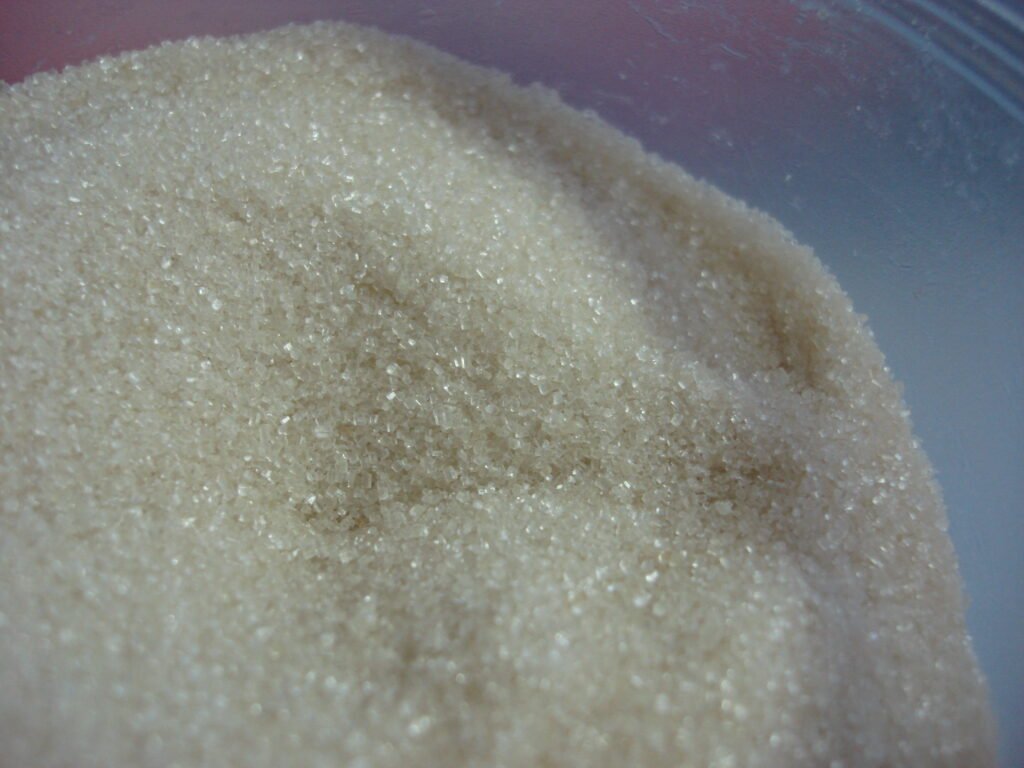
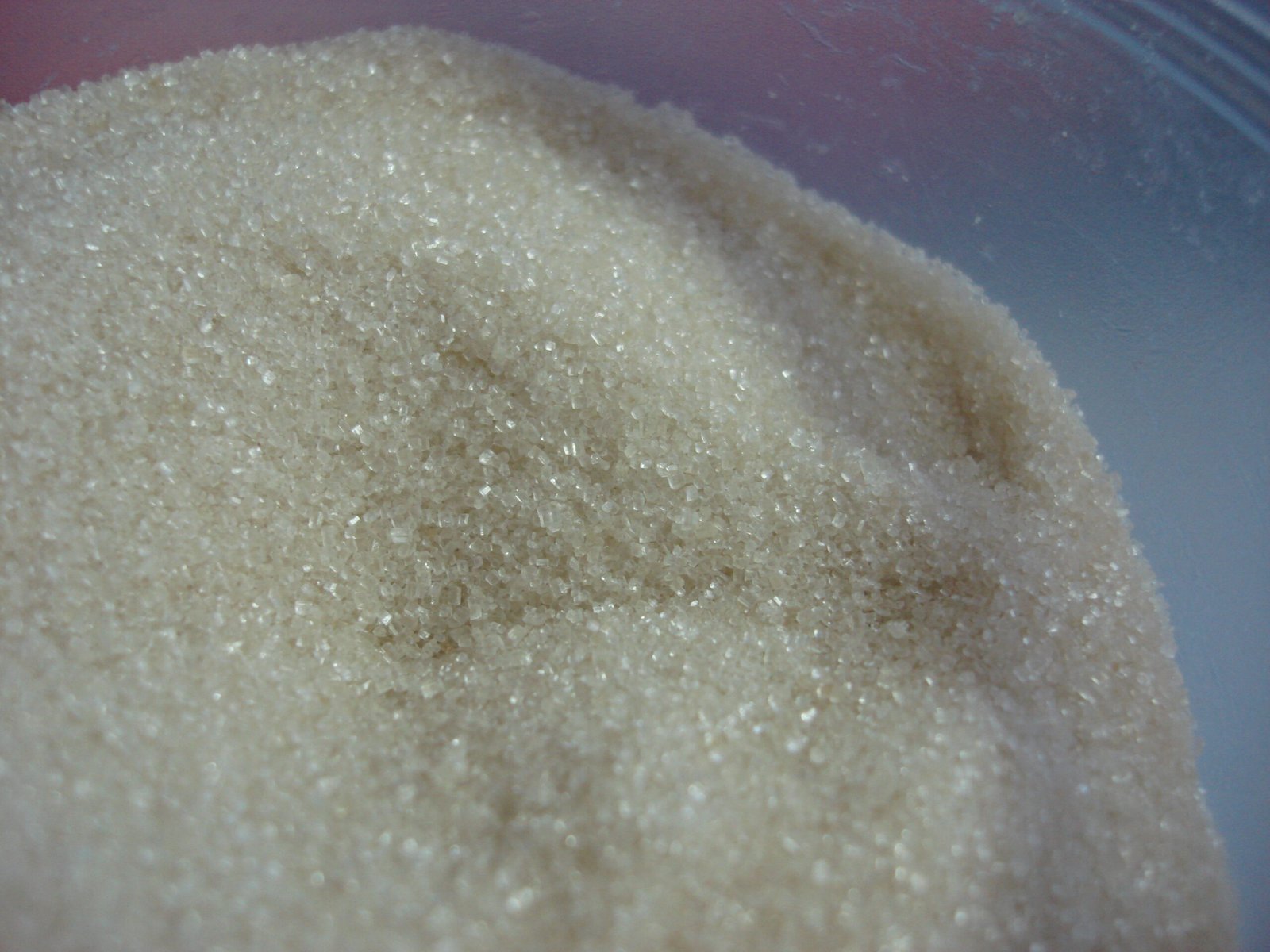
Raw cane sugar is sugar that’s been extracted from sugarcane and crystallized, but not fully refined. It still carries a thin coating of molasses around each crystal, which is why it looks tan to light brown instead of pure white. That molasses film is also where most of its flavor comes from—a little earthy, a little caramel-like, nothing like the neutral sweetness of white refined sugar.
In trade terms, raw cane sugar usually means Very High Polarization (VHP) or Very Low Color (VLC) sugar. VHP is the standard export grade most buyers ask us for, since it’s stable enough for long shipping routes and can still be refined further at the destination if the buyer wants a whiter product later.
Specifications We Work With
Every shipment we prepare gets tested against a spec sheet before it leaves the warehouse. Here’s what a typical VHP raw cane sugar order looks like on paper:
| Parameter | Typical Value |
|---|---|
| Polarization | 99.2° – 99.5° min |
| Moisture | 0.10% max |
| Color (ICUMSA) | 800 – 1200 IU |
| Ash content | 0.15% max |
| Reducing sugars | 0.20% max |
| Granulation | Medium to coarse, uniform crystal |
| Sulphur dioxide (SO2) | 20 ppm max |
| Foreign matter | Free from visible impurities |
Buyers who plan to refine the sugar further usually care most about polarization and color. Buyers who intend to use it as-is (some bakeries and beverage plants do) tend to ask more about moisture and granulation, since those affect shelf life and how the sugar behaves in mixing equipment.
Where It Comes From and Why That Matters
We source raw cane sugar mainly from Brazil, and depending on the order, from mills in Thailand and India as well. Brazilian VHP has become something of a benchmark grade in the export market because the mills there run large-scale, consistent processing, and the sugar travels well on long ocean routes without clumping or discoloring. That consistency is honestly the biggest thing buyers pay for—not just the sugar itself, but knowing that container 40 will test the same as container 1.
Origin also affects flavor slightly. Brazilian raw cane sugar tends to have a milder molasses note, while sugar from some Asian origins can run a bit darker and more robust in taste. If your product recipe is flavor-sensitive, it’s worth telling us that up front so we can match the origin to what you need.
Who Actually Buys Raw Cane Sugar
The order sheets we see fall into a few recurring categories:
- Refineries buying VHP as feedstock to produce their own branded white or specialty sugars.
- Food manufacturers using it directly for products where a molasses note is actually desirable—think artisan breads, spice blends, barbecue sauces, granola bars.
- Beverage producers who want a less processed sweetener for craft sodas or fermented drinks.
- Distributors and traders who reship smaller lots to regional buyers under their own packaging.
If you’re not sure which category you fall into, that’s fine—most first-time buyers aren’t. Tell us what you’re making and we’ll tell you whether raw cane sugar is even the right product, or whether you’d be better off with a refined grade instead.
Packaging and Shipping
We pack raw cane sugar in 50kg polypropylene bags on pallets, or in 1-ton jumbo bags for buyers moving larger volumes through their own material handling systems. Both go into standard 20ft or 40ft containers, lined to keep moisture out during transit. If your facility has specific bag or pallet requirements—say, a max pallet height for your warehouse racking—let us know before we book the container, not after.
Typical order sizes we handle run from a single 20ft container (roughly 25 metric tons) up to multi-container shipments for larger buyers. Smaller test orders are possible too, though the per-ton cost is naturally higher on small lots because the fixed costs of documentation, inspection, and freight don’t scale down as easily.
Quality Checks Before Loading
Nobody wants to find out about a moisture problem after the container has already crossed the ocean. Before loading, we pull samples and run them through polarization and moisture testing, and we can arrange third-party inspection (SGS, Bureau Veritas, or a local equivalent at the port) if your company requires an independent certificate. A lot of our repeat buyers ask for this as standard practice, and honestly, we’d rather you ask for it than skip it and have a dispute later.
Documentation for a typical shipment includes a certificate of analysis, certificate of origin, phytosanitary certificate where required, packing list, and bill of lading. If your country has specific import requirements—some do, particularly around fumigation certificates for the packaging material—flag that early so we can build it into the paperwork.
Storage After Delivery
Raw cane sugar holds up well if it’s kept dry and away from strong odors (it absorbs smells more readily than people expect, since the molasses coating is slightly hygroscopic). Warehouse humidity above roughly 65% starts to cause caking over time, so if your facility runs humid, plan on airtight storage or faster turnover of stock. Most buyers we work with rotate through their raw cane sugar inventory within a few months, which is well within the practical shelf life when it’s stored properly.
Pricing: What Actually Moves It
Raw cane sugar pricing tracks the ICE No. 11 raw sugar futures market fairly closely, then adjusts for freight, origin premium or discount, packaging, and order volume. We quote on either FOB or CIF terms depending on what’s easier for your logistics setup. If you’ve got a target price in mind, tell us—sometimes we can hit it by adjusting origin or packaging format, sometimes the market just doesn’t allow it that week, but we’ll tell you honestly either way instead of stringing you along.
Raw Cane Sugar vs Other Sugar Types
Buyers new to sourcing often mix up raw cane sugar with similar-sounding products, so it’s worth drawing the lines clearly.
Raw cane sugar vs turbinado. Turbinado is technically a type of raw sugar too, but it’s been partially washed with steam to remove some of the surface molasses, giving it a lighter color and a coarser, more sparkly crystal. If your product needs that visible crystal for topping baked goods, turbinado is the better fit. If you just need a functional, cost-effective raw sweetener for production, VHP raw cane sugar does the job at a lower price point.
Raw cane sugar vs demerara. Demerara is a specific style of light-colored raw sugar historically associated with Guyana, though the name is used more loosely now. It’s similar in concept to turbinado—bigger crystals, milder color—and again, it’s more of a finishing sugar than a bulk production input.
Raw cane sugar vs raw brown sugar. This is where people get tripped up the most. In everyday language, “brown sugar” often means the soft, moist product made by adding molasses back into refined white sugar. Raw brown sugar, in the trade sense, is a different thing: it’s raw cane sugar that hasn’t had molasses removed in the first place, so the color and flavor come from the cane itself rather than from added syrup. If your recipe calls for a natural brown sugar rather than a manufactured one, that distinction matters, and we can supply either depending on which one your formulation actually needs.
Raw cane sugar vs beet sugar. These come from different plants entirely. Beet sugar, once refined, is chemically almost identical to refined cane sugar, but beet sugar isn’t typically sold in a “raw” form the way cane sugar is, because the beet refining process works differently. If a supplier offers you “raw beet sugar,” ask more questions—it’s not a standard commodity grade in the way raw cane sugar is.
Nutritional Profile
People sometimes assume raw cane sugar is meaningfully different from white sugar nutritionally. It isn’t, not in any significant way. A gram of raw cane sugar and a gram of refined white sugar both come in at about 4 calories, and the trace minerals left over from the molasses coating—small amounts of potassium, calcium, iron—are present in quantities too small to matter from a dietary standpoint. What raw cane sugar does offer is flavor complexity and a less processed image, which matters a lot for brands marketing “clean label” or minimally processed products, even if the nutritional difference from white sugar is marginal. We mention this because we’d rather you go in with accurate expectations than market a health claim that doesn’t hold up.
Where Raw Cane Sugar Is Used, Industry by Industry
Bakeries and artisan food producers use it for its flavor—raw cane sugar brings a subtle molasses note to breads, cookies, and granolas that white sugar can’t replicate. It’s also popular for streusel toppings and crusts where a bit of texture and color is wanted.
Beverage producers, particularly craft soda and kombucha makers, use raw cane sugar as a less-processed sweetener that still ferments and dissolves predictably, which matters more than people think—some alternative sweeteners behave unpredictably in fermentation tanks.
Distilleries sometimes use raw cane sugar as a fermentable sugar source for rum production, since cane-derived sugars are the traditional base for that spirit category.
Confectioners use it in caramels, toffees, and specialty candies where the molasses flavor is part of the product’s identity rather than something to be refined away.
Cosmetics manufacturers buy raw cane sugar in smaller volumes for sugar scrubs and exfoliating products, where the coarser crystal and natural origin story both matter to the finished product.
Refineries and repackagers buy it as a raw material input, either refining it further into white sugar or repackaging it under their own brand for retail or foodservice channels.
A Word on Sustainability and Sourcing Practices
More buyers are asking us about sourcing practices than they did even a few years ago, and it’s a fair question to ask. Sugarcane farming has a real environmental footprint—water use, land use, and in some regions, burning practices before harvest that affect air quality. The mills we work with have been moving toward mechanized, green harvesting (cutting cane without pre-burning), which reduces emissions and lets more of the plant residue go back into the soil or get used for bioenergy. If sustainability documentation matters for your brand’s supply chain reporting, ask us at the quote stage—we can tell you what’s available for the specific origin you’re considering, rather than giving you a generic answer that doesn’t hold up under scrutiny.
Understanding the Shipping Terms: FOB, CFR, and CIF
If you haven’t bought a commodity internationally before, the shipping terms on your quote might be new to you. FOB (Free On Board) means the price covers the sugar loaded onto the vessel at the origin port, and you arrange and pay for the ocean freight and insurance from there. CFR (Cost and Freight) includes the ocean freight to your destination port, but not insurance. CIF (Cost, Insurance, and Freight) includes both freight and insurance to your destination port, which is usually the simplest option for buyers who don’t have their own freight forwarder relationships already in place. We quote all three so you can pick whichever fits your logistics setup and existing shipping contracts, if you have them.
Mistakes First-Time Buyers Make
We see the same handful of mistakes repeatedly, so it’s worth flagging them here. The biggest one is not specifying color and moisture tolerances clearly upfront, then being surprised when the delivered sugar sits at the edge of the acceptable range instead of the middle. Another is underestimating lead time—raw cane sugar shipments take real time to produce, test, and ship, and rushing the timeline usually means paying a premium for expedited freight. A third is skipping third-party inspection to save a small fee, then having no independent record to fall back on if there’s a dispute about quality on arrival. None of these are hard to avoid, but they do require asking the right questions before the contract is signed, not after.
A Buyer’s Checklist Before You Sign
- Confirm the exact specification range (polarization, moisture, color, ash) in writing, not just verbally.
- Ask which port the sugar loads from and check that it matches your expected transit time.
- Decide whether you want third-party inspection and get it written into the contract.
- Confirm payment terms and whether a partial deposit or full LC is required.
- Check the packaging format matches your warehouse handling equipment.
- Ask for a sample if this is your first order with a new supplier.
- Get the full document list (certificate of analysis, origin, phytosanitary, packing list, bill of lading) confirmed before shipment, not after it’s already on the water.
How Ordering Works With Us
The process is fairly straightforward. You tell us the quantity, destination port, and any spec requirements specific to your use case. We send back a quote with current pricing, lead time, and payment terms (we typically work with LC or TT depending on order size and buyer history). Once terms are agreed, we confirm the production or sourcing slot, run pre-shipment quality checks, and handle the export documentation. You get tracking updates as the shipment moves, and the full certificate package arrives with the paperwork before or alongside the container.
We ship worldwide and have handled orders into ports across Asia, the Middle East, Africa, Europe, and the Americas, so wherever your facility sits, we can usually find a workable freight route.
International Standards That Apply
Raw cane sugar traded internationally is generally expected to meet food safety and quality benchmarks set out by the Codex Alimentarius, the joint FAO/WHO body that sets international food standards, including limits on things like sulphur dioxide residues and heavy metal contamination. Buyers importing into regions with stricter food safety regimes, such as the EU or US, should also check their own national import requirements, since these can be more specific than the baseline Codex standards. We build our specification sheets around these benchmarks so the sugar you receive is documented against a standard your compliance team can actually reference.
If you’re also sourcing refined white sugar for other parts of your production line, it’s worth comparing specs side by side—our ICUMSA 100 sugar page breaks down the refined-grade specifications, and our cane sugar ICUMSA 45 guide covers the mid-color grade that some buyers use as a middle ground between raw and fully refined.
Common Questions We Get
Can raw cane sugar be used directly in food production, or does it need refining?
It depends on the product. For anything where a neutral white color and flavor is required, it needs refining. For products where color and molasses flavor are acceptable or even desired, it can go straight into production.
What’s the minimum order quantity?
Most buyers start at one 20ft container, but we can discuss smaller trial quantities for new buyers who want to test the product before committing to a full container.
How long does delivery take?
This varies by destination and current shipping schedules, but we’ll give you a realistic window at the quote stage rather than an optimistic one that slips later.
Do you provide samples before a full order?
Yes, we can send physical samples for testing before you commit to a container-size order.
Can you supply raw cane sugar with a specific color range for our recipe?
Within reason, yes. Origin and processing affect color, so if you need a narrower ICUMSA range than the standard 800–1200 IU window, tell us and we’ll check which origins can consistently hit it.
Is raw cane sugar organic?
Not by default. Standard VHP raw cane sugar is conventionally farmed. We can source certified organic raw cane sugar as a separate product line if your buyer requires that certification, but it’s priced and sourced differently from the standard commodity grade.
What happens if a shipment doesn’t meet the agreed specification on arrival?
This is exactly why we recommend third-party inspection at loading. If a documented discrepancy shows up, we work with you and the inspection report to resolve it, whether that’s a price adjustment, replacement, or another remedy agreed in the contract.
Can I mix raw cane sugar with other products in one container?
Sometimes, depending on packaging compatibility and total volume. Ask us at quote stage if you’re trying to consolidate a shipment with another sugar grade or food commodity.
Ready to Order
If you need a supplier who can quote raw cane sugar with real specifications, real documentation, and consistent quality shipment after shipment, reach out with your target quantity and destination. We’ll get back to you with a straight answer, not a sales pitch.