
An ICUMSA 100 sugar distributor sits between the mill and the end buyer, holding inventory, breaking bulk shipments into smaller lots, and handling the logistics that make it possible for a mid-size food manufacturer or regional wholesaler to buy without committing to a full vessel or even a full container. That role is genuinely useful when it is done well, and genuinely risky when it is not, because a distributor is one more link where quality claims can drift from what actually left the refinery.
Global Sugar Supplies distributes ICUMSA 100 sugar sourced directly from Brazilian mills to buyers worldwide, and this page covers what a distributor should actually provide, the specifications you should hold them to, and how distribution pricing compares to buying direct from an exporter.
What a Good Distributor Actually Provides
- Smaller order flexibility, letting buyers order less than a full container or vessel load
- Regional warehousing, reducing lead time for repeat buyers in a given market
- Consistent sourcing, buying from the same mills repeatedly rather than whichever supplier has stock that week
- Documentation pass-through, keeping the original Certificate of Analysis and Certificate of Origin traceable to your specific order
- Local market knowledge, including import regulations and typical clearance timelines for your destination country
The value a distributor adds is real when they are doing all of this. It disappears fast if a distributor is just relabeling whatever sugar is cheapest that month without regard for consistent sourcing.
ICUMSA 100 Specifications to Confirm With Any Distributor
| Specification | Typical value |
|---|---|
| Polarization | 99.6° to 99.8° min |
| Moisture content | 0.05% max |
| Ash content | 0.10% max |
| Color (ICUMSA units) | 100 units max |
| Granulation | 0.4mm to 1.0mm |
| Packing | 25kg, 50kg PP bags, or 1000-1200kg jumbo bags |
Ask a distributor whether these figures come from their own testing of the specific lot in their warehouse, or from a spec sheet the original mill issued months earlier. Sugar sitting in a distribution warehouse for an extended period, especially in humid climates, can pick up moisture that shifts these numbers if storage conditions were not tightly controlled.
Distributor Pricing vs Buying Direct From an Exporter
Distribution adds a markup, generally reflecting the cost of holding inventory, regional warehousing, and the flexibility to sell smaller lots. For buyers who need less than a full container and want faster local delivery, that markup is often worth paying compared to the complexity of arranging a direct import themselves. For buyers who can commit to container or vessel-scale orders, working directly with an exporter usually gets a better landed cost, since there is no distribution layer taking a margin in between.
| Buyer situation | Better fit |
|---|---|
| Need less than a container, want fast local delivery | Regional distributor |
| Can commit to full container or vessel orders | Direct exporter relationship |
| First-time buyer testing the market | Distributor with sample availability |
| Established recurring buyer, price-sensitive | Direct exporter, long-term contract pricing |
Neither path is universally correct. It depends on your order size, how quickly you need product, and whether you have the internal capacity to manage import logistics yourself.
How Distribution Warehousing Affects Quality
Sugar is hygroscopic, meaning it absorbs moisture from the air, and moisture content is one of the specs most likely to drift after the sugar leaves the mill. A distributor storing product in a properly climate-controlled, low-humidity warehouse maintains quality close to what left the refinery. A distributor storing bags in a standard warehouse in a humid coastal climate, without climate control, can see moisture content creep upward over weeks or months, which affects shelf life and can cause caking in the bags.
Ask any distributor directly about warehouse conditions and how long a given lot has typically been in storage before it ships to you. Fresh-in, fresh-out inventory turnover is a good sign. Sugar that has sat for months waiting for a buyer is worth testing before you accept it, regardless of what the original spec sheet said.
Regional Distribution: What Changes By Market
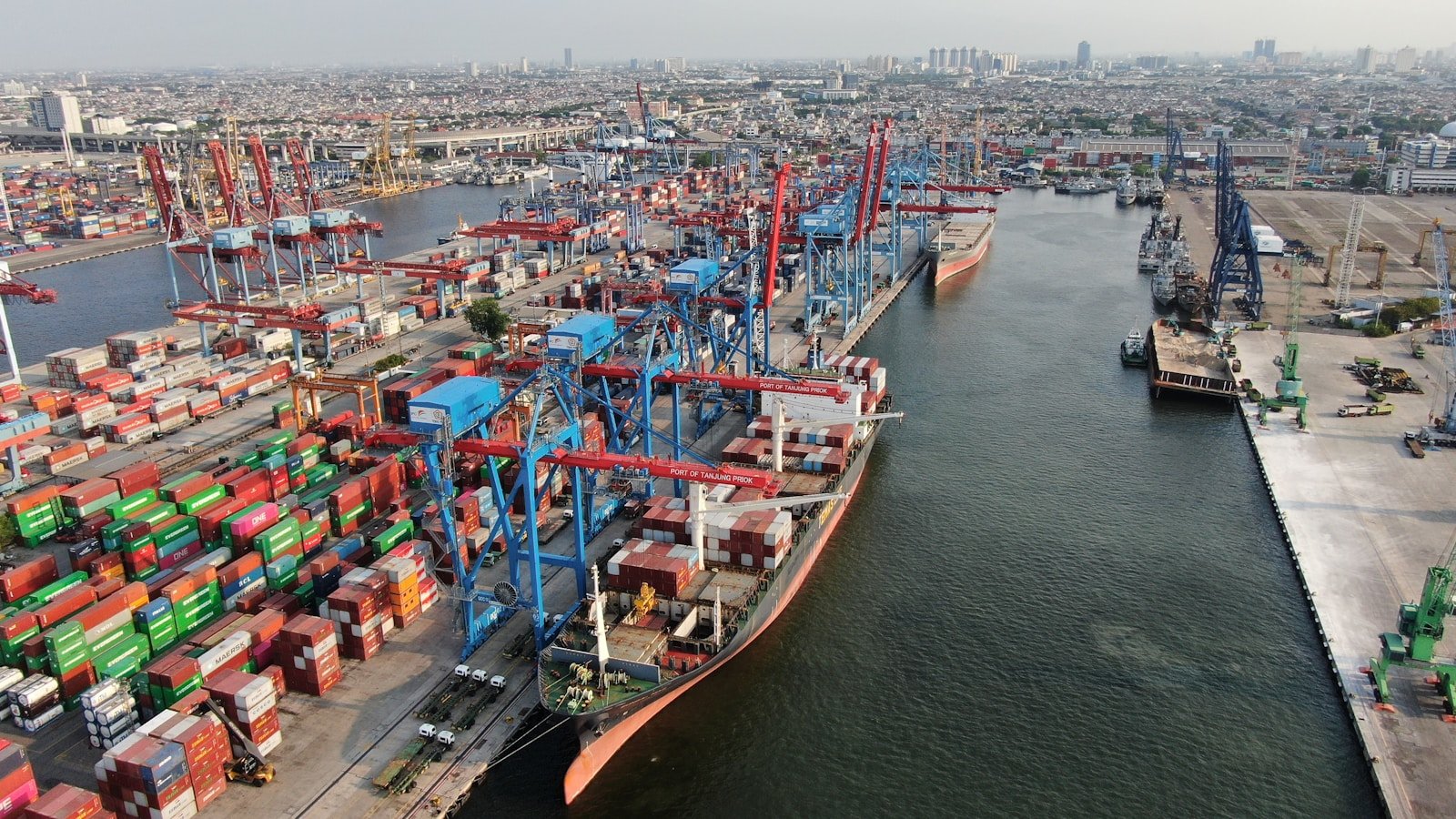
Import regulations, required certifications, and typical clearance timelines vary a lot by destination country, which is exactly where a distributor with regional experience earns their margin. A distributor who has moved sugar into your specific market before will already know which certificates customs actually asks for, roughly how long clearance takes at your port, and which documentation mistakes cause delays. A first-time exporter figuring this out for your specific country in real time is a slower, riskier process.
| Region | Common additional requirement |
|---|---|
| Middle East | Halal certification frequently requested, even for non-confectionery use |
| European Union | Stricter documentation on origin and sustainability sourcing |
| West and East Africa | SONCAP or equivalent conformity certification depending on country |
| South and Southeast Asia | Import licensing requirements vary significantly by country |
Ask your distributor directly whether they have shipped into your specific country before, and if not, whether they have a clear plan for the documentation your customs authority will require.
Questions to Ask Before Choosing a Distributor
- Which mill or exporter do you source from, and is that relationship consistent order to order?
- Can you provide the original Certificate of Analysis, not just your own repackaged spec sheet?
- How long has this specific lot been in your warehouse?
- What are your warehouse storage conditions, particularly humidity control?
- What is your typical turnaround from order to local delivery?
- Do you offer sample quantities before a full order commitment?
A distributor confident in their sourcing and storage will answer all of these without hesitation. Vague or evasive answers on sourcing or storage conditions are worth taking seriously before you commit to a purchase order.
Working With Us as Your ICUMSA 100 Sugar Distributor
We maintain consistent sourcing from the same Brazilian mills shipment after shipment, rather than buying opportunistically from whichever supplier is cheapest that week. Every lot that moves through our distribution channel carries its original Certificate of Analysis, and we can share recent lab results before you order so you know exactly what you are buying. For buyers who can commit to container-scale orders, we also offer direct pricing without the distribution markup, worth asking about if your order size supports it.
Frequently Asked Questions
What is the difference between a distributor and an exporter? An exporter typically sources from the mill and ships internationally, often at container or vessel scale. A distributor holds inventory, often regionally, and can sell smaller lots with faster local delivery.
Is ICUMSA 100 sugar from a distributor the same quality as buying direct? It should be, provided the distributor sources consistently and stores product properly. Ask for the original Certificate of Analysis to confirm rather than assuming.
What order sizes can a distributor typically fill? This varies, but distributors generally offer more flexibility below full container quantities than direct mill or exporter relationships, which often require container-scale minimums.
How do I know if stored sugar has degraded in quality? Ask for recent testing on the specific lot rather than relying on the original mill spec sheet alone, especially for product that has been in storage for an extended period.
For independent reference on sugar grading standards, the International Commission for Uniform Methods of Sugar Analysis (icumsa.org) maintains the analytical methods behind the ICUMSA scale, and the USDA Foreign Agricultural Service (fas.usda.gov) tracks global sugar trade volumes and pricing trends.
Check current availability on our ICUMSA 100 sugar for sale page, or learn more about our ICUMSA 100 sugar manufacturer relationship in Brazil.
Buying container loads or more? Our wholesale raw sugar guide covers volume pricing, logistics, and standing supply agreements.
Need the raw, unrefined grade rather than ICUMSA 100? Our raw sugar distributor page covers regional stock, warehousing and flexible order sizes for raw cane sugar.