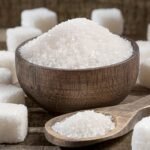

Introduction to White Sugar and Brown Sugar
Sugar is highly involved in food, beverage, and bakery production and industrial or pharmaceutical manufacturing. Sugar itself may be relatively simple; however, the big differences between white and brown sugar make all the difference in flavor, color, and texture, or how a product will behave in food processing. Knowing such differences is critically relevant for manufacturers, retailers, distributors, and wholesalers when it comes not only to choosing the right type of sugar but also to assuring consistent quality in finished goods. white sugar vs brown sugar
This is a complete guide covering the differences in production, taste, and industrial uses between white and brown sugar, together with how one can choose a good supplier. In this article, the full product specification is included so that any buyer can confidently source quality sugar for worldwide distribution.
Sugar is obtained basically from either sugarcane or sugar beet and is refined into different grades. Though its chemical base, sucrose, is the same in both white and brown sugars, there are some differences between the two:
Processing method
Molasses content
Color and flavour
Absolut Humidity
Granule size
Application suitability
Most food and beverage manufacturers seem to think that the difference between white and brown sugar reflects only the color, but differences in varieties of sugars go much deeper. Each type will affect the aroma, retention of moisture, caramelization, and finally the final profile. That is where selecting the right type of sugar—and a reliable supplier—is so key.
What is white sugar?
Refined, white, or just table sugar is the most widely consumed class of sugar in the world market. The product is very highly refined as a way of taking away the molasses and other natural by-products, thus leaving it clean and bright white in colour.
How White Sugar Is Produced
Extraction—The sugarcane or beet is crushed to extract juice.
Purification: Impurities are removed by the addition of lime and heat.
Evaporation: water is taken out to result in the crystals of sugar.
Centrifuging: Separation of crystals from the molasses.
It involves washing, filtering, and drying crystals to get a high degree of purity.
Characteristics of White Sugar
Pure white color
Clean, neutral sweet taste
Low moisture
High sucrose level
Uniform granule size
Long shelf life
Common Uses for White Sugar
Soft drinks and beverages
Pharmaceuticals
Confectionery
Pastry
Milk processing
Making ice cream
Hotels, cafes and restaurants
Home use
What is brown sugar?
Brown sugar retains the molasses in less refinement or adds it into the refined sugar, usually providing this colour and stronger flavor and somewhat sticky texture.
Two Types of Brown Sugar
Natural Brown Sugar – retains some of the molasses from the original extraction
Commercial Brown Sugar – White sugar with molasses added back for consistent quality.
Characteristics of Brown Sugar
Color ranges from light to dark brown.
Soft, moist texture
Full-bodied, caramel-like flavor
Slightly lower sucrose content
Higher mineral traces because of molasses
Common Uses of Brown Sugar
Bakery products (cookies, cakes, breads)
Sauces and marinades
Confectionery
Production of rum
Grilled items
Food factories that depend on moisture retention
Key Differences Between White Sugar and Brown Sugar
The following detailed comparison will help the manufacturers and buyers in making an informed choice.
- Color
White Sugar: Pure White
Brown sugar: light to dark brown - Flavor
White Sugar: sweet, neutral, clean
Brown sugar: Caramel, toffee-like, deeper flavor - Humidity level
White sugar: dry, free-flowing
Brown sugar: moist, somewhat sticky—molasses keeps it moist - Texture
White sugar: hard crystals
Brown Sugar: Softer crystals - Nutritional Difference
Brown sugar does have trace amounts of minerals, like calcium, potassium, and magnesium, because of its molasses content.
White sugar contains almost pure sucrose.
But nutritionally, they are about the same. Differences are minimal. - Industrial Performance
White sugar is used in beverages, pharmaceutical products, and all clear products.
Brown sugar is great at holding in moisture and flavor. - Price
White sugar is often cheaper due to the fact it is mass-produced.
Brown Sugar: With higher molasses content, it is a bit pricier.
Why should manufacturing businesses necessarily require top-quality sugar?
Companies that use sugar in business understand very well that the quality of the sugar directly influences the performance of their products. Poor quality sugar can be responsible for:
Color inconsistency
Bitter aftertaste
Poor dissolving
Fermentation problems
Lower shelf life
Processing issues
A good supplier provides reassurance about consistency in quality from shipment to shipment, which is really needed in international trade.
Specifications of Our Premium White Sugar
Following are the specifications of white sugar products we supply all over the world:
A. ICUMSA 45 White Refined Sugar (Sparkling White)
Product Type: Refined Cane Sugar
ICUMSA: 45
Polarization: 99.80% Min
Moisture: 0.04% Max
Solubility: 100% Dry & Free Flowing
Color: Brilliant White
Grain Size: Fine / Medium
Ash Content: 0.04% Max
Magnetic Particles: 4 Mg/Kg Max
Granulation: Standard / Requested options available
Packaging: 25 kg, 50 kg bags or 1 MT jumbo bags
Applications:
Soft drinks
Confectionery
Pharmaceuticals
Food production
Dairy and beverages
B. ICUMSA 100–150 White Crystal Sugar
Product Type: Semi-refined white sugar
ICUMSA: 100–150
Polarization: 99.50% Min
Moisture: 0.06% Max
APPEARANCE: White clear crystals
Packaging: 25/50 kg bags or bulk
Applications:
Bakeries
Beverage factories
Syrups
Food processing
C. ICUMSA 600–1200 Raw Brown Sugar
Product Type: Raw Cane Sugar
Color: Brown to dark brown
Polarization: 97.8% Min
Moisture: 0.10% Max
Granule Size: Standard
Packaging: 50 kg bags or bulk
Applications:
Production of alcohol
Caramel industries
Bakery
Industrial processing
Why Choose Our Brown Sugar Products?
We produce our brown sugar in different grades, from light golden to dark, depending on the amount of molasses in it. Each lot will offer the following:
Odor-smell pungent
High quality molasses
Perfect Balance of Moisture
Long shelf life
Stable granulation
Suitable for:
Commercial baking
Confectionery
Sauces
Marinades
Industrial cooking
Industrial Applications: White Sugar versus Brown Sugar
- Food Manufacturing
White sugar provides sweet neutrality, while brown sugar brings depth and color. - Beverages
White sugar is more soluble and stays clear, an important feature in beverage plants. - Bakery Production
Brown sugar imparts a softer texture and richer flavor, while white sugar provides structure. - Confectionery
Both can be used, but white sugar is preferable for crystal clarity. - Pharmaceuticals
White sugar is preferred because of its purity, and also because of the accuracy in formulations. - Fermentation
Raw and brown sugars are used in the manufacturing of alcohol, vinegar, and yeast.
Packaging & Global Supply Options
We offer flexible packaging and can ship anywhere in the world.
1 kg consumer packs (on request)
25 kgs woven bags
50 kg polypropylene bags
Jumbo bags (1 ton)
Bulk vessel shipments
All packages are moisture-proof and export ready.
Quality Assurance and Certifications
Our sugar is according to international standards.
SGS inspection
ISO certifications
HACCP food safety
Halal & Kosher options
Global export documentation
Each lot undergoes tight quality control for purity, granulation, moisture control, and to meet import requirements.
Choosing the Right Sugar for Your Business Needs
| Industry | Recommended Sugar | Reason |
|---|---|---|
| Beverage factories | ICUMSA 45 | Fast dissolving, clear color |
| Bakeries | Brown Sugar / ICUMSA 150 | Moisture & flavor |
| Confectionery | ICUMSA 45 | Neutral taste & stable crystallization |
| Production of Alcohol | Raw Brown Sugar | Suitable for Fermentation |
| Food processing | ICUMSA 150 | Balanced sweetness & cost |
Whether you are not sure which sugar type best suits your product, full advice and assistance are available.
Why Buy from Us? (Your Trusted Global Sugar Supplier)
We export premium quality sugar to any market in the world for retail, wholesale, and industrial purposes.
✔ Reliable Global Shipping
✔ Competitive Pricing
✔ Consistent Quality
✔ Several ICUMSA Grades
✔ Flexible Packaging
✔ Long-term Supply Contracts
Be it distributor, supermarket chain, wholesaler, or manufacturer; we provide stable sugar supply all year round.
Conclusion
Understanding the differences between white sugar and brown sugar provides an overview for food manufacturers to choose between these ingredients according to production needs. While both types of sugars derive from the same origin, the flavor, color, molasses content, and industrial behavior are quite different.
Backed by high-quality sugar products, from refined ICUMSA 45 up to natural brown sugar, you can ensure consistent performance, excellent flavour, and reliable supply for your business.
Refined Sugar Export to South Africa – Buy in Bulk – Sugar export South Africa