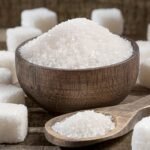

Shelf Life of ICUMSA 100 Cane Sugar
As per international sugar standards, the shelf life of ICUMSA 100 cane sugar depends mainly on proper storage conditions, packaging quality, and moisture control. Refined sugar itself is known for its long shelf life because it contains very low moisture and very high sucrose purity. Quality Standards for Export-Grade Cane Sugar
Further, sugar trading across countries requires products that remain stable during long shipping journeys and warehouse storage. Buyers who import bulk sugar for industrial use always need to understand how long the product can be stored without losing quality. ICUMSA 100 cane sugar is widely used by food manufacturers, beverage companies, confectionery producers, and wholesale distributors because it remains stable for extended periods when handled correctly.
When companies purchase large shipments of refined sugar, they want assurance that the product will maintain its purity, texture, and usability during storage and transportation. Shelf life information helps importers plan their stock rotation and production schedules. It also ensures that the sugar they receive can be used safely for food production without quality degradation.
Professional exporters of ICUMSA 100 sugar supply products that meet international purity standards and are packaged in moisture-resistant materials. These packaging methods help maintain product quality during ocean shipping and warehouse storage. Because refined cane sugar contains minimal water content, it is naturally resistant to spoilage when stored properly.
Understanding the shelf life of ICUMSA 100 cane sugar allows distributors and manufacturers to manage inventory efficiently. It also ensures that buyers receive consistent product quality for industrial applications.
This guide explains how long ICUMSA 100 sugar can be stored, what factors affect its shelf life, the correct storage conditions, and the standard specifications that confirm its quality for global trade.
Understanding ICUMSA 100 Cane Sugar
ICUMSA 100 cane sugar is a refined white sugar produced from sugarcane through industrial refining processes. Also, the quality of refined sugar is classified using the ICUMSA grading system, which is recognized worldwide in the sugar industry.
What ICUMSA Means
ICUMSA stands for the International Commission for Uniform Methods of Sugar Analysis. This organization developed standardized laboratory methods used globally to measure sugar quality. These testing methods allow laboratories in different countries to evaluate sugar using the same measurement standards.
ICUMSA Color Value
The ICUMSA value represents the color of the sugar crystals. Lower ICUMSA values indicate whiter and more refined sugar. Higher numbers indicate darker sugar that contains more impurities or less refining.
Example Sugar Grades
For example, ICUMSA 45 sugar is ultra-refined and commonly used for direct consumption. ICUMSA 100 sugar, however, is widely used for industrial production and large-scale food manufacturing. It offers high purity while remaining cost-effective for bulk supply.
Food companies prefer ICUMSA 100 sugar because it dissolves easily, provides consistent sweetness, and performs reliably in industrial recipes.
Because of these characteristics, ICUMSA 100 cane sugar is one of the most traded refined sugar grades in the global market.
Why Shelf Life Matters in Sugar Trade
Shelf life plays an important role in international sugar trading because shipments often travel long distances and remain stored in warehouses for extended periods.
Unlike fresh agricultural products, refined sugar does not spoil quickly. Moreover, however, improper storage conditions can affect its texture, flowability, and appearance.
Also, buyers who import large quantities of sugar must understand how long the product can remain in storage while maintaining quality standards.
Industries That Depend on Long Shelf Life
Several industries rely on long-lasting sugar supply.
- Food manufacturers need stable sugar inventory for continuous production.
- Beverage producers depend on consistent sweetness and dissolving characteristics.
- Confectionery companies require refined sugar that maintains crystal integrity.
- Wholesale distributors store sugar for long periods before selling it to retailers or food companies.
Because of these requirements, understanding the shelf life of ICUMSA 100 sugar is essential for supply chain planning.
Average Shelf Life of ICUMSA 100 Cane Sugar
Refined cane sugar such as ICUMSA 100 typically has a very long shelf life when stored correctly.
Under proper storage conditions, ICUMSA 100 cane sugar can maintain its quality for two to three years or even longer.
This long shelf life is possible because refined sugar contains extremely low moisture and does not support microbial growth.
Also, sugar crystals consist mostly of sucrose, which remains chemically stable for long periods when protected from humidity.
When stored in dry environments with proper packaging, sugar maintains its color, sweetness, and crystal structure.
However, poor storage conditions may shorten the effective shelf life. Exposure to moisture, heat, or contamination can cause clumping or discoloration.
Also, for industrial buyers and distributors, maintaining correct storage practices ensures that ICUMSA 100 sugar retains its quality during long-term storage.
Factors Affecting Shelf Life of ICUMSA 100 Sugar
Several environmental and handling factors influence how long refined sugar remains in good condition.
Understanding these factors helps importers maintain product quality throughout storage and distribution.
Moisture Exposure
Moisture is the main factor that affects the shelf life of sugar. Further, because sugar crystals easily absorb water from the air, high humidity can cause clumping and hardening.
When sugar absorbs moisture, it may form lumps and lose its free-flowing texture.
Proper moisture control is therefore essential for maintaining shelf life.
Storage Temperature
Temperature also affects the physical stability of sugar during storage.
High temperatures combined with humidity may accelerate clumping or discoloration.
Keeping sugar in a cool, dry environment helps preserve its original texture and appearance.
Packaging Quality
Packaging materials play a critical role in protecting sugar from environmental conditions.
ICUMSA 100 sugar is usually packed in polypropylene bags that resist moisture penetration.
Strong packaging prevents contamination during transport and storage.
Warehouse Conditions
Clean and well-ventilated warehouses help maintain product quality.
Sugar should be stored away from chemicals, strong odors, and sources of moisture.
Proper warehouse management ensures that sugar remains suitable for food production.
Correct Storage Conditions for Long Shelf Life
Proper storage practices allow ICUMSA 100 cane sugar to maintain its quality for extended periods.
Importers and distributors should follow several guidelines when storing bulk sugar shipments.
Storage Guidelines
- First, sugar should always be stored in dry environments. Relative humidity should remain low to prevent moisture absorption.
- Second, warehouses should maintain stable temperatures and good ventilation.
- Third, sugar bags should be stored on pallets rather than directly on the floor. This prevents moisture transfer from concrete surfaces.
- Fourth, bags should be stacked carefully to prevent damage to packaging materials.
- Finally, warehouses should maintain proper hygiene to avoid contamination from pests or foreign materials.
Moreover, following these practices ensures that ICUMSA 100 sugar remains dry, clean, and ready for industrial use.
Packaging Methods for Exported ICUMSA 100 Sugar
Proper packaging is essential for protecting sugar during international transport and long-term storage.
Refined sugar is typically packed in strong polypropylene bags weighing fifty kilograms each.
Advantages of Polypropylene Packaging
These bags provide several advantages for global trade.
- They protect sugar from moisture exposure.
- Also, they maintain product hygiene during handling and shipping.
- They allow efficient stacking in containers and warehouses.
For export shipments, the bags are loaded into 20-foot or 40-foot containers depending on order volume.
Careful loading ensures that the bags remain stable during sea transport.
Professional exporters also use moisture-resistant container liners when necessary to protect cargo during long ocean voyages.
ICUMSA 100 Cane Sugar Specifications
Further, when purchasing refined sugar, buyers always review the product specifications to confirm quality standards.
Below is the standard specification table for ICUMSA 100 cane sugar used in international trade.
Table 1: ICUMSA 100 Cane Sugar Specifications
| No. | Specification | Standard Value |
|---|---|---|
| 1 | ICUMSA Color | Maximum 100 RBU |
| 2 | Polarization | Minimum 99.70% |
| 3 | Moisture Content | Maximum 0.04% |
| 4 | Ash Content | Maximum 0.04% |
| 5 | Solubility | 100% Dry and Free Flowing |
| 6 | Granulation | Fine to Medium Crystals |
| 7 | Radiation | Within International Safety Limits |
| 8 | Packaging | 50 kg Polypropylene Bags |
| 9 | Container Type | 20ft and 40ft Containers |
| 10 | Inspection | Third-Party Inspection Available |
These specifications confirm the purity, physical properties, and safety standards of the sugar.
Laboratory analysis reports accompany shipments to verify that the product meets these parameters.
Industrial Uses of ICUMSA 100 Sugar
The long shelf life of ICUMSA 100 cane sugar makes it suitable for many industrial applications.
Food Industry Applications
Food manufacturers use refined sugar in cakes, biscuits, sauces, and processed foods.
Beverage Industry
Beverage producers use sugar to sweeten soft drinks, juices, and energy drinks.
Confectionery Industry
Confectionery companies rely on refined sugar for chocolates, candies, and desserts.
Dairy Industry
Dairy manufacturers add sugar to ice cream, yogurt, and flavored milk.
Pharmaceutical Industry
Pharmaceutical companies use refined sugar in syrups and medicinal formulations.
Moreover, because of its versatility and stability, ICUMSA 100 sugar remains an essential ingredient for global manufacturing industries.
Shipping and Global Distribution
International sugar shipments typically travel by sea freight because it is the most cost-efficient method for transporting bulk commodities.
Large sugar orders are loaded into shipping containers and transported across major global trade routes.
Typical Shipping Time
- Regional shipments may take one to two weeks.
- Intercontinental routes may require three to five weeks.
Further, during transport, proper packaging and container loading protect the sugar from environmental conditions.
Reliable exporters also provide tracking information and export documentation for every shipment.
Our ICUMSA 100 Cane Sugar Supply
We supply high-quality ICUMSA 100 cane sugar to international buyers seeking reliable refined sugar for industrial use.
Our sugar meets global quality standards and is tested in certified laboratories to confirm purity and safety.
Each shipment includes a full laboratory analysis report verifying the product specifications.
Product Quality Features
Also, our ICUMSA 100 sugar features the following characteristics:
- High purity refined cane sugar
- ICUMSA color maximum 100 RBU
- Polarization minimum 99.70 percent
- Moisture content maximum 0.04 percent
- Ash content maximum 0.04 percent
- Further, clean white crystal appearance
- Dry free-flowing granulation
Packaging and Export Support
Our packaging ensures safe international transport using strong moisture-resistant bags.
We provide flexible container shipping options for bulk buyers, distributors, and manufacturers.
Also, complete export documentation is included with each shipment, including packing lists, commercial invoices, inspection certificates, and laboratory test reports.
Our goal is to provide dependable sugar supply for businesses requiring consistent quality and reliable global delivery.
Conclusion
The shelf life of ICUMSA 100 cane sugar is one of the reasons it is widely traded in international markets. Because refined sugar contains very low moisture and high sucrose purity, it remains stable for long periods when stored properly.
Under suitable storage conditions, ICUMSA 100 sugar can maintain its quality for several years without losing its sweetness, texture, or usability.
However, maintaining correct storage practices is essential to protect the sugar from moisture and environmental contamination.
For importers, distributors, and manufacturers, understanding shelf life helps manage inventory efficiently and maintain consistent product quality.
ICUMSA 100 cane sugar continues to be a reliable ingredient for food production, beverage manufacturing, and industrial processing worldwide.
Moreover, businesses seeking dependable supply can rely on professional exporters who provide high-quality ICUMSA 100 sugar with verified specifications and reliable international shipping.
Where to Buy ICUMSA 100 Cane Sugar in Bulk
Refined Sugar Export to South Africa – Buy in Bulk – Sugar export South Africa