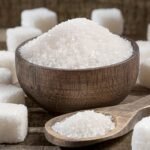

Sugar: Is It a Good Commodity for Long-Term Investment?
Among such commodities, sugar is unique in this dynamic world. Other than its day-to-day use as a sweetener, sugar is an internationally traded asset of immense economic, industrial, and investment value. A question that has come to many investors’ minds these days is whether sugar will be a good long-term commodity investment. Sugar investment
We shall discuss here the market fundamentals of sugar, its historical performance, and global demand trends, besides reasons why investments in sugar are considered one of the strategic options both for experienced and new investors who either want to diversify a portfolio or try their hand with an essential agricultural commodity. In this article, we will explain why sugar may just be the next major opportunity in store for you—and how you can start investing in it today.
1. Understanding Sugar as a Commodity
It is not only a commodity found in every kitchen but also a soft commodity traded globally derived mainly from sugarcane and sugar beet. The industry is huge, right from agriculture to manufacturing food to energy production.
Types of Sugar Traded as Commodities:
- Raw Sugar: The unrefined variety, mainly traded on such international future exchanges as ICE.
- Refined Sugar/White Sugar: Refined sugar that is used by the food and beverage industries and traded in both the domestic and international commodity markets.
Sugar is a bulk commodity traded in metric tons. Its price varies with the dynamics of supply and demand, besides variations in weather, government policies, and consumption patterns in different parts of the world.
2. Global Demand: The Driving Force Behind Sugar Prices
Another strong reason sugar is considered to be attractive for long-term investment is due to its steady, increasing demand in the global arena. Sugar serves industries such as food and beverages, pharmaceuticals, and bioenergy.
Key Demand Drivers:
- Population Growth: The increasing world population will spur the demand for food items containing sugar.
- Urbanization: This will result in an increase in the consumption of processed and packaged food, which in turn requires more sugar.
- Biofuel Production: Sugarcane is used in the manufacture of ethanol, a renewable biofuel. As the world focuses more on cleaner sources of energy, the sugar industry benefits from such dual-purpose uses.
- Emerging Economies: Most emerging markets in Asia, Africa, and Latin America have recorded growth in sugar consumption because of increasing incomes driving dietary diversification.
Because of the industrial uses of the commodity, demand remained firm even when consumer preference shifted to healthier alternatives.
3. Sugar: Price Trends Over Time
Like most commodities, the price of sugar has traditionally been cyclical, moving from periods of surplus to shortage. The factors determining volatility in its prices start with climate change, crop yields, and trade policies.
Historical Highlights:
- 2008–2011 Boom: Global shortages and the demand for ethanol forced sugar prices up to multi-decade highs.
- 2018–2020 Dip: The oversupply factor was accompanied by reduced global consumption that led to a temporary decline.
- Post-2021 Recovery: The rebound in world sugar prices during the post-2021 recovery has been driven by the reopening of the global economy, inflation, freight costs, and energy demand.
In the long-term graph of sugar prices, the chart structure, after every decline in price, shows recovery, resilience, and a cyclical profit opportunity for investors.
4. Why Sugar Is a Strong Long-Term Investment
4.1. Simple International Commodity
Sugar is indispensable in everyday life and most industries. Sugar is one such commodity that has demand in itself, unlike speculative assets.
4.2. Inflation Hedge
Commodities like sugar hedge against inflation; that is, when the value of currency falls, appreciation in the price of a commodity keeps up the value an investor may have.
4.3. Portfolio Diversification
You can also diversify with sugar investing. It tends to move independently of other equities and bonds, helping in balancing the risk.
4.4. Renewable Energy Link
Demand is increasing for ethanol fuel, which makes sugarcane-based bioenergy a supporting revenue stream for the sugar market. It provides a long-term growth element to this association with sustainable energy.
4.5. Export Growth to Emerging Economies
As industrialization continued and populations grew over the course of the next several decades, so too would the use of sugar globally.
5. How to Invest in Sugar
There are several ways investors can get into the sugar market. Whether you’re a trader or long-term investor, there’s a method that will match your goal.
5.1. Sugar Futures Contracts
Sugar futures represent a standardized contract traded on an exchange, like ICE. These are contracts to buy or sell the commodity at a future date for a pre-specified price.
Advantages:
- High liquidity
- Transparent pricing
- Suitable for speculation or hedging
5.2. Sugar ETFs and Commodity Funds
More broadly speaking, the easiest ways to invest in sugar, aside from trading in the futures of the sweetener directly, are through ETF and commodity funds. They track the price of sugar and can be bought and sold just like stocks.
5.3. Stocks of Agricultural Commodities
Invest in companies producing, processing, and selling the sugar. The big producers of any commodity instantly make a gain when its price rises.
5.4. Physical Sugar Trading
Physical sugar trading would involve the institutional or commercial investor in the global supply chain that buys bulk sugar and then resells or exports it.
6. Information about Sugar Contracts
You must be aware of the technical specification associated with the sugar contract while entering the international sugar market.
| Type of Contract | Raw Sugar #11 (ICE) |
|---|---|
| Gross Tonnage | 112,000 pounds (50 long tons) |
| Pricing Unit | US cents per pound |
| Minimum Tick Size | 0.01 cent per pound |
| Delivery Months | March, May, July, and October |
| Trading Hours | Almost 23 hours – electronically |
| Settlement | Physical delivery |
For White Sugar #5 traded on the London exchange, the specifications are a bit different but serve a similar function in terms of developing a standardized format of trading that is internationally recognized.
7. Factors Affecting Sugar Prices
7.1. Weather and Climate
Since sugarcane tends to grow in a tropical environment, it could be deterred by droughts, flooding, or hurricanes, hence pushing up the prices.
7.2. Government Policies
Export restrictions, subsidies, and biofuel mandates are policies that directly impact world supply in major producing countries like Brazil, India, and Thailand.
7.3. Oil Prices
Production of ethanol in Brazil basically depends on the price of oil—once oil prices go up, then sugarcane growers turn more sugar into the biofuel.
7.4. Global Trade and Currency Fluctuations
As sugar is a U.S. dollar-traded commodity, fluctuating currency exchange rates impact profitability and pricing in world markets.
8. Leading Sugar-Producing and Exporting Countries
The following are the leading sugar producers in the world scenario of sugar production:
- Brazil: The largest producer and exporter of sugar and ethanol in the world.
- India: Among the major producers of sugarcane, most of its produce is consumed domestically.
- Thailand: A major exporter both to Asian and international markets.
- European Union: Targets the production of sugar beet.
Investors in the market watch production data and export policies closely to predict the direction of the markets.
9. Investment in Sugar: The Future
9.1. Sustainability and Green Energy
With demand for renewable fuels in the world continuing to grow, sugar remains relevant and profitable.
9.2. Technological Advances
Modern technologies in agriculture have increased the yields of sugarcane, refined efficiency, and reduced the cost of production, hence improving returns on investments.
9.3. Population and Consumption Growth
With the population of the world set to rise above 9 billion before the middle of this century, demand for sugar-based products is assured for the long term.
9.4. Investment Accessibility
In the time of digital trading platforms and international brokers, investing in sugar is way easier than it used to be. Sugar futures, ETFs, and other contracts are just a few clicks away.
10. Sugar: Risks of Investment
As with any other commodity, there are some risks that come along with the investment of sugar that an investor should consider.
- Volatility: Sudden changes in the weather or a policy turn create sharp price swings from time to time.
- Regulatory Risks: Government-mandated controls and subsidies may impact markets.
- Storage and Transportation Costs: Logistics for physical traders may influence profitability.
- Currency Risk: Sugar is a USD-denominated commodity, and exchange rates may change for foreign investors.
Smart investors, however, diversify these risks through stop-loss strategies and proper monitoring of the market fundamentals.
11. Investment Strategies in Sugar
11.1. Long-Term Holding
Hold sugar futures or ETFs for several years to benefit from inflation and growing demand.
11.2. Short-Term Trading
Profit from the price fluctuation caused by seasonal factors and policy news.
11.3. Hedging
Producers and large buyers hedge against adverse price movements in the future using sugar futures.
11.4. Diversified Commodity Portfolio
Diversify sugar with other agricultural commodities, like coffee, cocoa, and corn, to optimize risk-adjusted returns.
12. Why Choose Us for Sugar Investment?
We provide an exclusively serviced sugar investment solution for international traders and investors who would want to take advantage of this lucrative market.
Our Offer Includes:
- Direct Access to Global Sugar Contracts: Trade directly on major exchanges.
- Real-Time Market Analysis: Get the most accurate sugar price forecast along with expert views.
- Investment Packages: Flexible for individuals, brokers, and institutions.
- Security of Transactions: We guarantee transparency and safety in each trade.
- 24/7 Support: From onboarding to each stage of your investment journey, our experts will guide you through.
By investing with us, you are not just buying a commodity but a place in one of the most vital industries around the world.
13. Conclusion: Is Sugar a Good Long-Term Investment?
To answer this—yes, sugar is indeed one of the very best commodities in which one can invest for the long term. Due to its less cyclically volatile global demand, its relation to renewable energy, and its resilience towards inflation, it is a strategic addition to any diversified portfolio.
While sugar does exhibit some volatility in its price in the short run, the long-term fundamentals remain intact. Thus, investors positioning themselves today are poised to benefit from increasing global consumption, energy transitions, and shifting trade dynamics.
Invest in Sugar Starting Today
Take control of your portfolio with safe and profitable sugar investments.
Join global investors already benefiting from the world’s most vital agricultural commodity.
👉 Buy Sugar Contracts | Trade Globally | Earn with Confidence
Refined Sugar Export to South Africa – Buy in Bulk – Sugar export South Africa