

Ask five different sugar suppliers for a quote and you’ll probably get five different numbers, sometimes wildly different, and it’s not always clear why. Sugar wholesale prices move with global commodity markets, but they also get shaped by grade, freight terms, and how honest the supplier is being with you. If you’ve ever gotten a quote that seemed too good and wondered what was actually behind it, this post breaks down what genuinely drives sugar wholesale prices and how to tell a real number from a bait-and-switch tactic.
What Actually Moves Sugar Wholesale Prices
Sugar trades as a global commodity, and sugar wholesale prices track underlying market benchmarks that shift based on production volumes, weather conditions in major growing regions, currency fluctuations, and demand from large-scale buyers like beverage manufacturers and food processors. Organizations like the International Sugar Organization track and publish data on these market dynamics, and that data ultimately filters down into what any individual supplier can realistically charge for a given grade and volume.
Beyond the raw commodity price, sugar wholesale prices reflect the specific grade you’re buying, since raw and refined sugar are priced differently, and within refined sugar, tighter specifications like ICUMSA 35 Coca-Cola grade typically carry a premium over broader specifications like ICUMSA 100 or 150. Freight terms, Incoterm structure, and destination-specific costs like port handling and import duties all layer on top of the base commodity price too.
Why Quotes Vary So Much Between Suppliers
A lot of buyers assume sugar is sugar and get confused when quotes for what looks like the same product vary by a significant margin. Usually, one of a few things is going on. First, grade mismatch: a supplier quoting a lower price might be offering a different ICUMSA grade than you asked for, one with more color or lower purity that’s genuinely cheaper to produce, without clearly flagging the difference. Second, Incoterm confusion: an FOB quote and a CIF quote for the same sugar will look very different on paper, and comparing them directly without accounting for freight is comparing two different things.
Third, and this is the one that costs buyers real money, some quotes simply aren’t real. A price significantly below current market benchmarks for sugar wholesale prices isn’t a great deal, it’s usually a sign the supplier is planning to substitute a lower grade after payment, doesn’t actually have the stock they’re quoting on, or is running an outright scam designed to collect a deposit and disappear. If a number looks disconnected from what the market is actually doing, treat that as a warning sign rather than a win.
How to Read a Sugar Quote Correctly
A legitimate quote for sugar wholesale prices should specify the exact ICUMSA grade, the Incoterm (FOB, CIF, or CFR), the quantity and packaging format, and what’s included versus what’s additional (insurance, inspection fees, port charges at destination). If a quote is missing any of these details, ask for clarification before treating the number as comparable to another supplier’s quote. Two quotes that look far apart on price sometimes turn out to be nearly identical once you account for what each one actually includes.
It’s also worth asking how current the quote is. Sugar wholesale prices can shift meaningfully over a matter of weeks depending on market conditions, and a quote that’s been sitting unchanged for months, especially in a volatile pricing period, may not reflect what a supplier can actually deliver at that price today.
Current Pricing Across Our Grades
Sugar wholesale prices vary across our product range depending on ICUMSA grade and current market conditions. Our Raw Brown Cane Sugar Grade E reflects raw commodity pricing, generally the most economical entry point for buyers with refining capacity or applications suited to unrefined sugar. Moving up the refinement scale, our Cane Sugar ICUMSA 100 and ICUMSA 150 White Sugar sit at mid-range pricing, while our ICUMSA 45 Refined Sugar and Coca-Cola Grade ICUMSA 35 carry the premium associated with tighter purity specifications demanded by food and beverage manufacturers.
We quote current sugar wholesale prices based on live market conditions at time of inquiry rather than a static number sitting on a webpage for months, since a stale price is functionally useless in a commodity market that moves as often as sugar does.
How Volume Affects Pricing
Sugar wholesale prices generally improve with volume, but not in a linear or unlimited way. A single 20-foot container, typically 20 to 25 metric tons, sits at one pricing tier, while multiple containers or partial vessel loads unlock better per-ton pricing due to freight economics and supplier logistics efficiency. Full vessel loads, running into thousands of tons, sit at yet another pricing tier, generally reserved for established buyers with a track record of consistent, large-volume purchasing.
First-time buyers shouldn’t expect vessel-load pricing on a first order, since suppliers reasonably want to establish trust before extending their best pricing tiers to an unverified new relationship. This isn’t a way of squeezing new buyers, it reflects the real risk difference between a first transaction and a proven ongoing relationship.
Seasonal and Regional Price Variation
Sugar wholesale prices shift with harvest cycles in major producing regions. Brazil’s cane harvest, generally running from April through November depending on region, affects global raw sugar supply and pricing throughout the year, with prices sometimes softening during peak harvest as supply increases, and tightening during the off-season. Similar seasonal patterns affect other major producing regions like Thailand and India, though on different calendars.
Buyers who understand these cycles can time larger purchases more strategically, though for buyers with ongoing, non-negotiable supply needs, timing purchases around market cycles is less important than securing reliable, consistent supply regardless of where prices sit at any given moment.

Hidden Costs That Affect the Real Price
The headline number in a quote isn’t always the full picture of what you’ll actually pay. Depending on the Incoterm, costs like marine insurance, destination port handling, customs clearance fees, and import duties may or may not be included in the quoted sugar wholesale prices. A supplier who clearly breaks down what’s included, and flags what you’ll need to budget for separately at your destination, is giving you a more useful number than one who just hands you a single figure with no context.
Ask specifically about this before comparing quotes across suppliers, since an FOB price that looks lower than a competitor’s CIF price isn’t actually cheaper once you add in the freight and insurance costs the FOB price doesn’t include.
Negotiating on Price Without Undermining Quality
There’s room to negotiate sugar wholesale prices, particularly on larger orders or when building a longer-term supply relationship, but negotiation should happen around volume commitments, payment terms, or delivery scheduling, not around the supplier quietly downgrading the specification to hit a lower number without telling you. If a price drops significantly after you push back, ask specifically whether the grade or specification changed as part of that adjustment, since a legitimate price reduction usually comes with a clear explanation, not just a lower number appearing with no other changes.
How We Set Our Sugar Wholesale Prices
We price against current market benchmarks, adjusted for the specific grade, volume, and Incoterm each buyer needs, rather than running a single fixed price list that ignores how much the underlying commodity market moves. This means our sugar wholesale prices on any given day reflect what’s actually happening in the market, not a number set months ago and left unchanged regardless of conditions. It also means the price you get depends on when you ask, which is simply how commodity pricing works rather than something specific to how we operate.
We’re upfront about this with buyers who are used to retail-style fixed pricing and find commodity pricing unfamiliar. A quote today may differ from a quote next month, in either direction, and that’s a function of the sugar market itself, not inconsistency on our part.
Comparing Sugar Wholesale Prices Across Suppliers the Right Way
When you’re evaluating multiple quotes, build a like-for-like comparison rather than just lining up the bottom-line numbers. Confirm each quote is for the same ICUMSA grade, the same Incoterm, and roughly the same quantity and packaging format. Once you’ve normalized for those variables, genuine price differences between legitimate suppliers tend to be more modest than the wild swings you sometimes see in raw, unadjusted quotes, which is usually a sign that at least one of those quotes wasn’t actually comparing the same product in the first place.
If, after normalizing for grade and terms, one supplier’s sugar wholesale prices are still dramatically lower than everyone else’s, that’s the point to ask hard, specific questions rather than simply take the deal, since a real, sustainable price advantage over the whole market is rare, and an unreal one is common.
What Long-Term Buyers Should Know About Price Trends
Buyers with ongoing sugar needs benefit from tracking sugar wholesale prices over time rather than treating each purchase as an isolated event. Understanding whether the market has been trending up or down over recent months, and why, gives you useful context for negotiating and for deciding whether to lock in a larger volume now versus buying smaller amounts more frequently. Suppliers who work with a lot of repeat buyers can often speak to these trends from direct experience, which is a useful resource if you’re new to sourcing sugar at wholesale volume and don’t yet have your own historical pricing data to reference.
Payment Terms and Their Effect on Pricing
Payment structure can also factor into sugar wholesale prices, though not always in obvious ways. Suppliers sometimes offer slightly better pricing for buyers able to work with standard trade finance instruments, letters of credit or bank guarantees, versus buyers who need more flexible or unusual payment arrangements that carry more risk or administrative overhead for the supplier. This isn’t universal, but it’s worth asking about if payment terms are flexible on your end, since there may be room to improve pricing by aligning with whatever payment structure is most straightforward for the supplier to work with.
Conversely, be cautious of any supplier whose “better” sugar wholesale prices are contingent on unusual payment terms that don’t match standard trade practice, particularly full payment upfront with no documentation or verification step. That combination, a price that seems attractive plus pressure toward an unusual payment structure, is a common pattern in sourcing scams, and it’s worth treating as a warning sign rather than a legitimate cost-saving opportunity.
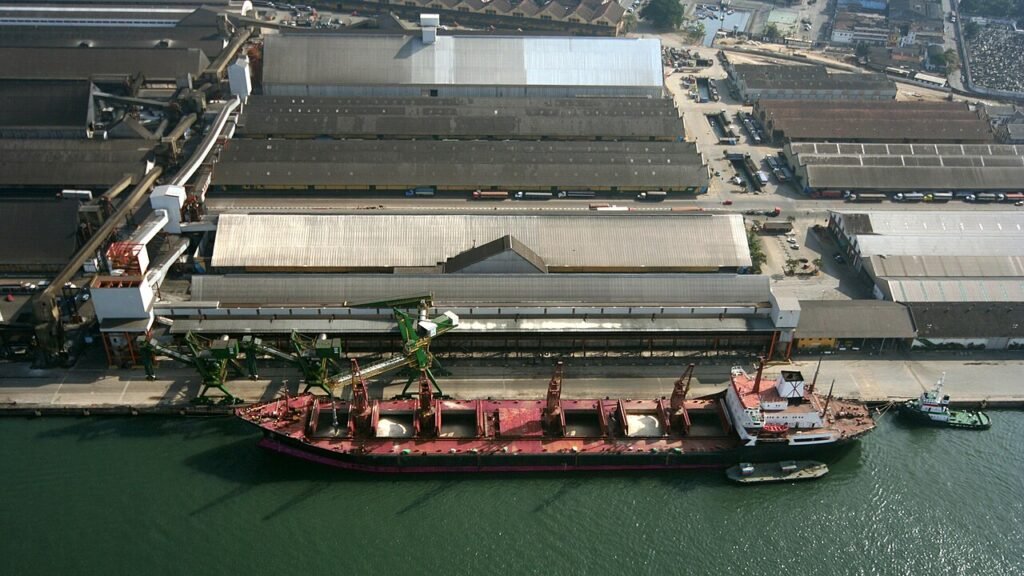
FOB vs CIF: The Same Sugar, Two Different Prices
A lot of confusion over sugar wholesale prices comes down to one line on the quote: the delivery term. Two suppliers can offer exactly the same ICUMSA 45 refined sugar and look hundreds of dollars apart per container, simply because one quoted FOB and the other quoted CIF.
Under FOB (Free on Board), the price covers the sugar loaded onto the vessel at the port of origin. From there, freight, marine insurance and everything after loading is yours to arrange and pay for. Under CIF (Cost, Insurance and Freight), the seller pays for the ocean freight and a minimum level of insurance to your named destination port. Both terms are defined by the International Chamber of Commerce in its Incoterms rules, and the definitions matter, because they decide who carries the risk at each point of the journey.
Neither term is automatically better. Large importers with their own freight contracts often prefer FOB because they can book shipping more cheaply than a supplier can. Smaller buyers, or anyone importing sugar for the first time, usually find CIF simpler, because there is one price and one counterparty. What matters is that you compare like with like. If one quote is FOB Santos and another is CIF your port, add a realistic freight and insurance figure to the FOB number before deciding which is cheaper. Our guides to sugar export prices and sugar import prices walk through both sides of that sum.
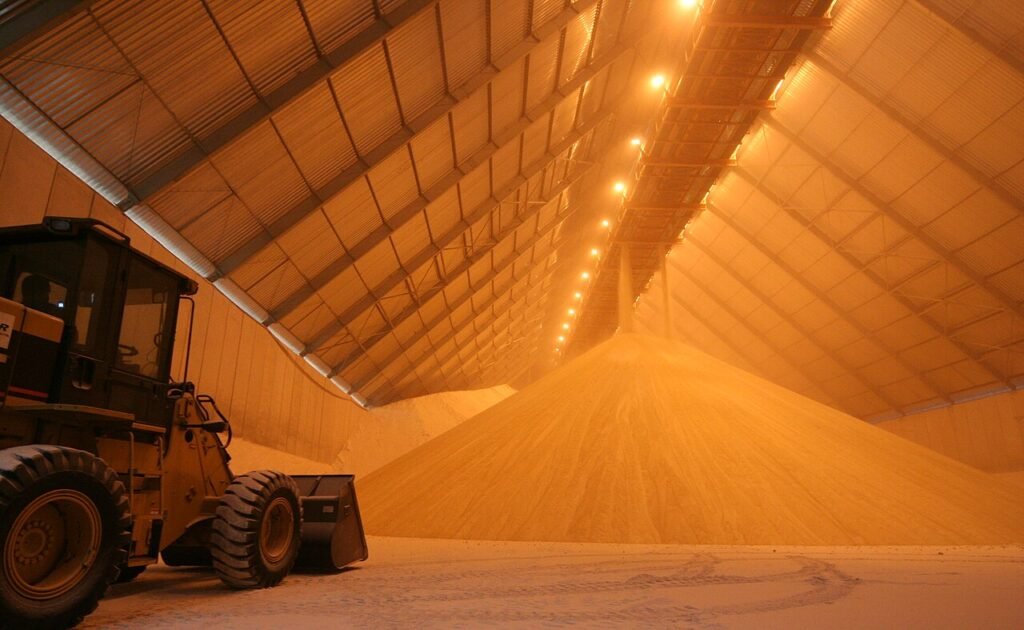
What Order Size Does to Your Price per Tonne
Volume discounts are real in the sugar trade, but they are not as simple as “buy more, pay less.” They come from specific cost savings, and knowing where those savings sit helps you negotiate honestly.
- Trial lots (one or two 20ft containers). These carry the highest price per tonne. Inspection, documentation and booking costs are spread over a small tonnage. Most first orders still start here, and they should.
- Regular container programmes (5 to 50 containers a month). Freight can be booked in blocks, inspection is scheduled in batches, and the supplier can plan production. This is where most food manufacturers and distributors land.
- Vessel lots. Bulk shipments of thousands of tonnes have the lowest cost per tonne, but they need port infrastructure, storage and financing on the buyer’s side. They suit refineries and very large importers.
- Term contracts. Committing to a set volume over six or twelve months usually earns better pricing than buying the same tonnage spot, because the supplier can secure supply ahead.
If you’re moving from occasional purchases to steady supply, our guide on how to buy sugar in bulk explains the contract side in more detail.
Grade by Grade: Why ICUMSA 45 Costs More Than ICUMSA 150 or Raw Sugar
Sugar wholesale prices step down as the ICUMSA colour number goes up. The reason is processing. Every grade starts as cane juice, but the whiter grades go through more refining, filtration and decolourisation, which costs energy, time and plant capacity.
- ICUMSA 35 sits at the top. It’s the whitest grade we sell and is mostly bought by beverage producers with strict colour limits.
- ICUMSA 45 is the most traded refined grade worldwide and the usual benchmark in food manufacturing.
- ICUMSA 100 and ICUMSA 150 are lightly coloured white sugars that cost less and work well wherever a bright white colour isn’t critical.
- Raw brown sugar (ICUMSA 600 to 1200) and VHP sugar are the cheapest. They are mostly bought by refineries, which process them further.
Paying for a whiter grade than your product needs is one of the easiest ways to overspend. If you aren’t sure where your application sits, our explainer on the ICUMSA scale is a good place to start.
How Different Buyers Should Read Sugar Wholesale Prices
The same quote means different things depending on who is reading it.
Food and beverage manufacturers should look past the headline number to consistency. A slightly higher price for sugar that dissolves cleanly and matches the spec every time is usually cheaper than a bargain lot that causes line stoppages. Our page on industrial sugar covers the checks that matter on a production line.
Distributors and repackers care about landed cost, packaging condition and how quickly stock moves. Bag quality and pallet stability affect how much product survives handling. See our sugar distributor guide for the margin side.
Commodity traders watch the raw and white sugar futures and price off them. For them, sugar wholesale prices are a spread over a benchmark, not a fixed figure.

Why the Cheapest Quote Is Often the Most Expensive
We see this pattern too often. A buyer collects five quotes, four sit within a narrow range, and one is far below the rest. That outlier is almost never a bargain. Sugar is a global commodity with published benchmark prices, and no legitimate exporter can sell far below the market for long.
Unusually low sugar wholesale prices usually come with one or more warning signs: a demand for upfront fees before any contract, no willingness to allow independent inspection, vague or copied specifications, or a company that can’t show a verifiable trading history. Our page on choosing a global sugar exporter lists the checks we’d run ourselves, and the sugar wholesale market overview explains how benchmark pricing works. If a quote looks too good, ask for the inspection terms and a draft contract before anything else. A real supplier will send both without hesitation.
Common Questions About Sugar Wholesale Prices
Why do sugar wholesale prices change so often?
Sugar is a global commodity, and prices respond to production volumes, weather in major growing regions, currency shifts, and overall market demand, which can all change within weeks.
What’s included in a typical wholesale sugar quote?
A complete quote specifies ICUMSA grade, Incoterm, quantity, packaging, and what costs are included versus additional. Incomplete quotes are hard to compare accurately.
Why is one supplier’s price so much lower than another’s?
Usually grade mismatch, different Incoterms, or in the worst case, a price that isn’t real and won’t be honored once a deposit is paid.
Does buying more sugar always mean a better price?
Generally yes, but pricing tiers scale with volume, and first-time buyers typically don’t access the best tier until a track record is established.
How current should a sugar wholesale price quote be?
Ideally quoted at time of inquiry. A quote that’s been static for months in a volatile market may not reflect what’s actually available today.
Get a Current Quote
Sugar wholesale prices shift with the market, so we quote based on current conditions rather than a static number. Browse our full range of sugar grades, or contact us directly for a current, itemized quote before you compare us against another supplier.