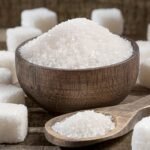
If you’ve been asked to source ICUMSA 35 sugar for sale, chances are the request came from a beverage plant, not a bakery. This is the grade bottlers reach for when the drink has to be crystal clear, taste like nothing but sugar, and dissolve fast on the line. Global Sugar Supplies ships this grade to buyers across North America, Europe, the Middle East, Africa, and Asia, and we get the same question from almost every new client: what actually separates ICUMSA 35 from the more common ICUMSA 45 grade, and how do you confirm a supplier’s paperwork is telling the truth?
This guide covers what the ICUMSA 35 rating means on the color scale, why soft drink and juice manufacturers specify it instead of a lower grade, the real production specifications, who actually buys it, and the questions worth asking before you wire a deposit.
It’s a smaller, more specialized market than ICUMSA 45. Fewer refiners run a true 35 IU program consistently, order volumes tend to run smaller than bulk raw sugar contracts, and the buyers are almost always technical people — quality managers and procurement leads who already know their formulation specs cold. That changes the conversation from “what’s your price per ton” to “can you actually hold this spec, shipment after shipment.”
We’ve had buyers come to us after a bad first attempt sourcing this grade elsewhere — a shipment that tested closer to 45 IU than 35 once it hit their own lab, after being sold as premium Coca-Cola grade sugar at a premium price. That’s the real-world reason this guide exists. There’s nothing complicated about the ICUMSA 35 spec itself; the difficulty is entirely in finding a supplier who can actually deliver it, consistently, with paperwork that holds up.
What Is ICUMSA 35 Sugar?
ICUMSA 35 sugar is refined white cane sugar with a color rating capped at 35 IU on the ICUMSA scale — a number low enough that it’s sometimes called “Coca-Cola grade” because major bottlers were among the first buyers to demand it at scale. It’s the top tier of commercially available refined sugar. Below 35 IU you’re generally looking at pharmaceutical or laboratory-grade material, not a food commodity traded in container volumes.
People new to bulk sugar sometimes assume “35” is a purity percentage. It isn’t. It’s a color measurement, and understanding what that measurement actually captures explains most of why this grade costs more and why the buyers who need it won’t accept a substitute.
When we say ICUMSA 35 sugar for sale, we mean a specific, testable spec — not a marketing term. That distinction matters because “Coca-Cola grade” gets thrown around loosely in the trade, sometimes applied to sugar that’s really 40 or 45 IU dressed up with a premium name. The number on the certificate is what counts, not the nickname on the listing.
The ICUMSA Color Scale, Explained
ICUMSA stands for the International Commission for Uniform Methods of Sugar Analysis, the body that sets the standard testing methods the entire sugar trade uses to measure color, and you can read their published methods directly at icumsa.org. The scale itself runs in International Units (IU), and it measures how much light a sugar solution absorbs — essentially how much color is still present after refining strips out the natural pigments in cane juice.
Here’s the part that trips people up: a lower number means a whiter, purer sugar. Raw cane sugar sits somewhere around 1,500 to 3,000+ IU depending on the mill. Standard refined white sugar — the ICUMSA 45 grade most food manufacturers use — comes in at 45 IU max. ICUMSA 35 sugar sits below that, at a maximum of 35 IU, which puts it near the very top of what’s commercially achievable through cane refining. For context on the rest of the scale, our ICUMSA scale breakdown covers how the 45, 100, and 150 grades compare against each other.
Ten IU doesn’t sound like much on paper. In a bottling plant running clear carbonated drinks, it’s the difference between a batch that passes color spec on the line and one that gets flagged by quality control before it ever reaches a truck.
The color reading itself comes from a spectrophotometer test run on a filtered sugar solution at a controlled pH, comparing light absorbance against the standard ICUMSA method. It’s a repeatable lab test, not a visual judgment call — which is exactly why a legitimate ICUMSA 35 sugar for sale listing should always come with a number backed by an actual test result, not just a claim on a spec sheet.
Why Beverage Manufacturers Choose ICUMSA 35 Sugar for Sale Over ICUMSA 45
We get asked constantly why a bottler would pay more for 10 fewer IU when ICUMSA 45 is already “white” by most definitions. Three reasons come up every time, and they’re all practical, not cosmetic.
Color Consistency in Clear Drinks
A can of cola hides sugar color completely — the caramel coloring in the formula swallows it. A clear lemon-lime soda, a sparkling water with a hint of sweetness, or a premium clear juice blend doesn’t have that cover. Any tint from the sugar itself shows up in the bottle, and it shows up inconsistently batch to batch if the sugar’s color rating drifts. Bottlers running clear SKUs build their formulation around a sugar input that stays inside a tight color band, and ICUMSA 45 simply carries too much variance risk for that use case.
Taste Neutrality and Dissolution Speed
The refining steps that pull a sugar’s color down from 45 IU to 35 IU also strip out residual molasses traces and non-sugar organics that can carry faint off-notes — not something most people would consciously taste, but something a flavor chemist tuning a beverage recipe to a precise sweetness curve will notice. There’s a practical processing benefit too: the finer, more uniform crystal structure typical of ICUMSA 35 sugar dissolves faster in syrup rooms running high-speed batching, which matters when a bottling line is turning over thousands of liters an hour and can’t wait on a slow-dissolving batch.
Put those two together and you get why a plant blending concentrate for juice drinks, or a premium confectioner making clear hard candy or glaze work, specifies ICUMSA 35 sugar for sale by name in their purchasing spec rather than leaving it open to “food-grade white sugar.”
ICUMSA 35 Sugar Specifications and How It’s Produced
These are the specs we quote against for our Coca-Cola Grade Refined Sugar ICUMSA 35, and the numbers a lab certificate should match line for line before you accept a shipment.
| Product Type | Refined White Cane Sugar |
| ICUMSA Rating | Max. 35 IU |
| Polarization | 99.80% Min |
| Moisture | 0.04% Max |
| Ash Content | 0.04% Max |
| Solubility | 100% Dry and Free Flowing |
| Color | Sparkling White |
| Radiation | Normal – No Radiation Detected |
| Granulation | Fine to Medium |
| Magnetic Particles | 4.0 mg/kg Max |
Sulphur dioxide content is also held to strict international food-grade limits on this grade — it’s part of what a proper lab certificate should confirm, alongside the polarization and moisture figures above. Polarization at 99.80% minimum tells you how close the crystal is to pure sucrose; anything meaningfully below that on a certificate is a red flag worth questioning before you commit to a container.
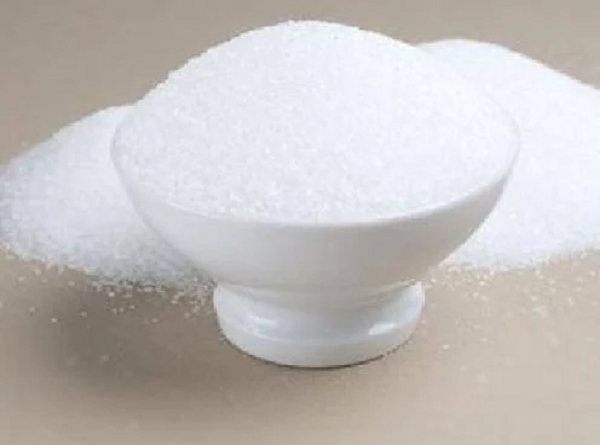
Moisture and ash content matter more than buyers usually expect. Both capped at 0.04% here, they’re the two figures most tied to shelf stability and free-flow behavior in humid storage or transit through tropical ports — a real concern when a shipment sits in a container for weeks between origin and destination.
Getting sugar down to 35 IU takes more refining steps than standard white sugar, not a different starting material. Raw cane sugar goes through the same early stages as any refined grade — affination to wash off the outer molasses film, then melting and clarification to remove suspended solids and color bodies from the syrup.
Where ICUMSA 35 sugar diverges is in what happens next. Producers run additional carbonation and filtration passes, sometimes paired with ion-exchange or granular carbon polishing, specifically to pull the remaining color bodies out of the liquor that a single-pass clarification would leave behind. Each extra pass costs time, energy, and yield — some sugar is lost to the filter cake at every stage — which is a real part of why this grade sits at a premium over ICUMSA 45. The syrup is then crystallized and centrifuged under tighter process control to hit the fine-to-medium, uniform granulation beverage manufacturers want, and dried down to that 0.04% moisture ceiling before bagging.
It’s worth being direct about this: any refiner can claim “extra filtration.” What actually separates genuine ICUMSA 35 sugar for sale from a relabeled 45 is whether that additional processing happened at all, which is exactly why the lab certificate matters more on this grade than on any other refined sugar we sell. There’s a yield story behind the price gap too — every extra carbonation and filtration pass strips out a bit more usable sugar along with the color bodies, so a refinery running an ICUMSA 35 program gets fewer finished tons out of the same raw cane input than one stopping at 45 IU.
Consistency across batches is the harder part, honestly. Cane sugar’s starting color varies with the cane variety, growing season, and how long it sits before milling, so hitting 35 IU reliably takes tighter in-process testing than hitting 45 — refiners pull color readings multiple times per shift, not just at the end of the run, to catch drift before it turns into an out-of-spec batch.
Who Buys ICUMSA 35 Sugar for Sale
The buyer list for this grade is narrower and more specific than for standard refined sugar. In our experience, orders for ICUMSA 35 sugar for sale come almost entirely from a handful of use cases, and nearly every one of them ties back to a formulation where the sugar’s color or dissolution rate is a functional requirement, not a nice-to-have:
- Bottling plants producing clear carbonated soft drinks, sparkling waters, and colorless mixers where any sugar tint would show
- Juice concentrate and juice-drink manufacturers blending clear or light-colored formulations
- Pharmaceutical-adjacent food producers — syrups, lozenges, and oral formulations where excipient purity standards run tighter than standard food-grade
- Premium confectioners making clear hard candy, glaze work, and glass-clear sugar decoration where any color cast ruins the finished piece
- Specialty bakeries and premium food brands whose formulations are built around the fastest-dissolving, most neutral-tasting sugar available
Volume per buyer varies a lot depending on scale. A large regional bottler can run through several hundred metric tons of ICUMSA 35 sugar a year without it being a major line item on their books, while a boutique premium beverage brand might only need a container or two annually to cover a single clear-drink SKU. Both are legitimate orders, and both get the same scrutiny on lab documentation from us — spec doesn’t change with volume.
Notice what’s not on that list — most bakery, general confectionery, and industrial food manufacturing runs perfectly well on ICUMSA 45, and there’s no reason to pay the ICUMSA 35 premium if color consistency in a clear application isn’t actually your problem. If your formulation doesn’t demand the top color spec, ICUMSA 100 cane sugar and ICUMSA 150 white sugar both cost less and work fine for opaque drinks, baked goods, and packaged foods where the sugar’s own color never reaches the consumer’s eye. We’d rather tell a buyer to order the cheaper grade than sell them spec they don’t need.
Buying, Shipping, Pricing, and Sourcing ICUMSA 35 Sugar for Sale
This is, honestly, the grade most likely to be misrepresented in the bulk sugar trade. Because “35” carries premium pricing, some sellers will quote it and ship 45 IU material, betting the buyer either won’t test it or won’t catch the difference visually — and to an untrained eye, both grades look white. Here’s what we tell every buyer to check before funds move.
- Ask for a recent Certificate of Analysis from an independent lab, not just the producer’s internal spec sheet, and confirm the ICUMSA IU figure is stated as a tested result rather than a target
- Match every figure on the certificate against the specifications above — polarization, moisture, ash, and granulation should all line up, not just the color rating
- Request pre-shipment inspection from a recognized third party — SGS, Bureau Veritas, or Intertek — with sampling done at loading, not before
- Ask how the color rating was tested and by what method — a legitimate supplier will name the standard method without hesitating
- Be wary of pricing dramatically below the going ICUMSA 45 rate — genuine ICUMSA 35 sugar costs more to produce, and a price that doesn’t reflect that is a signal, not a bargain
Our own take on lab verification and third-party checks is covered in more depth in this piece on SGS inspection for refined sugar — worth a read before you finalize a contract with any new supplier, on this grade especially. And if you’re weighing ICUMSA 35 against the other refined grades side by side, our ICUMSA 45 vs ICUMSA 100 comparison guide lays out how the color scale translates into real production and pricing differences across grades, which is the same logic that applies one tier up.
Packaging on this grade follows the same formats as our other refined sugars: 25 kg and 50 kg poly-lined bags on pallets for buyers who need retail-adjacent or repack-friendly units, and 1,000 kg to 1,200 kg jumbo bags for bottlers and manufacturers pulling material straight into production hoppers. Both formats travel by 20-foot or 40-foot container, and we quote FOB or CIF depending on what your logistics setup needs.
Because this grade moves in smaller volumes than standard raw or ICUMSA 45 shipments, minimum order quantities tend to run tighter too — we can usually work with buyers on a single-container order to start, which matters if you’re qualifying a new sugar input and don’t want to commit to a multi-container contract before running production trials.
Expect to pay a real premium over ICUMSA 45 — the exact gap depends on the refiner and current raw sugar market conditions, since world sugar prices swing with the season and that swing runs through every refined grade above it. We quote current pricing on request rather than publishing a fixed number, because raw sugar futures move week to week. Payment structure follows standard bulk commodity practice — letter of credit for larger or first-time orders, telegraphic transfer against shipping documents for established relationships, sometimes a partial deposit with balance due against a pre-shipment inspection report. First-time buyers should expect more documentation scrutiny on this grade specifically, given the certificate-fraud risk covered above.
Documentation on an ICUMSA 35 order runs the same paperwork stack as any bulk sugar export — commercial invoice, packing list, bill of lading, certificate of origin, phytosanitary certificate, and the Certificate of Analysis we mentioned above — plus a fumigation certificate when packaging materials require one. Buyers running formulations under stricter regulatory oversight sometimes ask for additional documentation specific to their market, and we’re used to accommodating that on a case-by-case basis rather than treating it as a fixed checklist.
For buyers with steady year-round demand, it’s worth discussing a standing supply agreement rather than repeating a spot quote every few months. Locking in a supplier for ICUMSA 35 sugar for sale specifically pays off, since requalifying a new source mid-production run — running new trial batches, re-testing formulation stability — costs a manufacturer more in time and line disruption than most people budget for upfront.
A standing agreement also gives you leverage on lead time. Instead of starting the production and inspection clock from zero on every order, a repeat supplier can often work from a rolling forecast, holding raw material and slotting your production run in ahead of a fresh spot buyer. For a bottling plant running continuous production, that scheduling predictability is worth almost as much as the price itself.
We supply Coca-Cola grade refined sugar, ICUMSA 35, to bottlers, juice manufacturers, and premium food producers worldwide, with lab documentation that matches the specifications listed above on every shipment. Every order ships with a Certificate of Analysis, and we work with independent inspection agencies for pre-shipment verification whenever a buyer wants it — which, on this grade, we’d honestly recommend every time.
A couple of quick answers to what usually comes up next: ICUMSA is a color and purity classification, not an organic or non-GMO certification, so those need to be verified separately if your formulation requires them. And functionally, this grade can substitute for beet sugar in most beverage applications — both are essentially pure sucrose at this purity level, though some buyers still specify cane origin for label reasons unrelated to the sugar chemistry itself. Lead times run several weeks between confirmed order and container arrival once production, inspection, and ocean transit are factored in.
If you’re sourcing ICUMSA 35 sugar for sale for the first time, or switching suppliers after a bad experience with misrepresented color specs, get in touch with our team. We’ll walk you through current pricing, container availability, and lead times for your region, and we’re glad to answer specific questions about the specification sheet before you request a formal quote.