
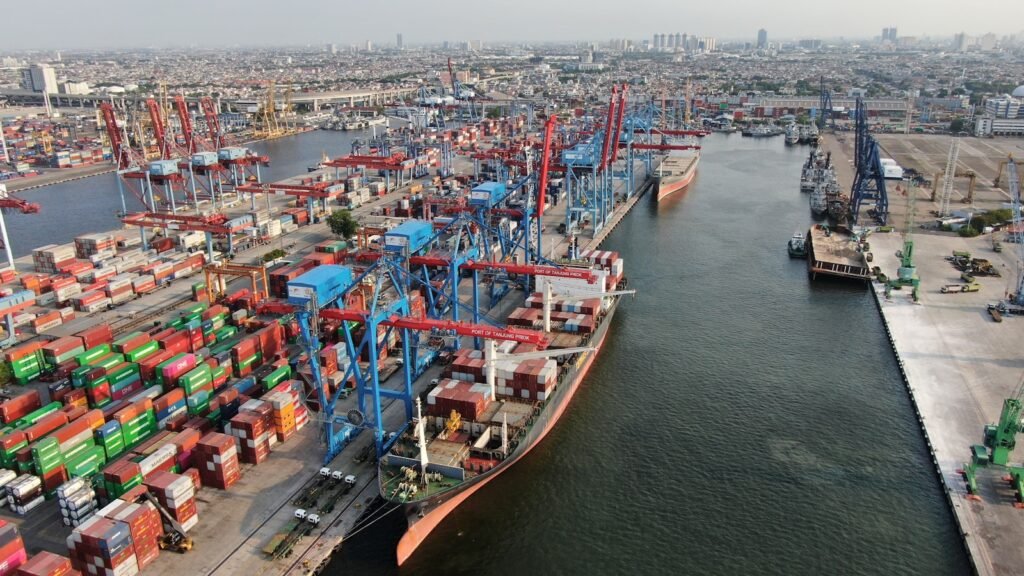
What Buyers Should Expect From a Real International Sugar Exporter
Exporting a bulk commodity across borders involves a lot more than agreeing on a price and a quantity. Customs regulations differ by destination country, documentation requirements shift depending on the product grade, and freight logistics alone can make or break whether a shipment arrives on schedule. Global Sugar Supplier operates as an international sugar exporter that’s built specifically to handle that complexity on the buyer’s behalf, rather than leaving them to figure it out mid-transaction.

The Export Process, Start to Finish
Understanding how the process actually works helps explain why a serious international sugar exporter charges what they do, and why timelines look the way they do. Here’s the typical sequence:
- Inquiry and quote — buyer specifies quantity, grade, destination port, and packaging preference
- Contract and pro forma invoice — terms confirmed in writing, including specification, tolerance, and payment terms
- Payment — typically prepayment via bank transfer, verified before production begins
- Production and quality testing — sugar is sourced, bagged, and tested against agreed specification
- Pre-shipment inspection — third-party verification on request, before container loading
- Loading and documentation — export paperwork prepared and container loaded onto vessel
- Transit — sea freight typically three to six weeks depending on destination
- Customs clearance and delivery — buyer’s customs broker clears the shipment using provided documentation
Every step in this chain has potential failure points, which is why working with an established international sugar exporter who’s run this process hundreds of times matters more than it might initially seem.
Specifications We Export
| Parameter | Typical Specification |
|---|---|
| Polarization | 96° – 99.9° depending on grade (raw vs refined) |
| ICUMSA Colour | 45 IU (white refined) up to 1200 IU (raw brown) |
| Moisture | 0.04% – 0.4% maximum, grade dependent |
| Ash Content | 0.04% – 0.15% maximum |
| SO₂ Content | 20–70 mg/kg maximum |
| Packaging | 50 kg PP bags, 1MT jumbo bags, or custom |
| Origin | Brazil, Thailand, India |
Export Documentation Explained
A genuine international sugar exporter provides a complete documentation package with every shipment, since incomplete paperwork is one of the most common reasons containers get held up at destination customs:
- Commercial invoice — itemized value of the shipment for customs valuation
- Packing list — detailed breakdown of packaging, weights, and container contents
- Certificate of origin — confirms which country the sugar was produced and exported from
- Bill of lading — the shipping contract and proof of cargo ownership
- Phytosanitary certificate — required by many countries for agricultural commodity imports
- Quality/inspection certificate — confirms the shipment meets agreed specification
If your destination country has additional import licensing requirements specific to sugar, raise this during the quote stage. A capable international sugar exporter should be able to tell you whether they’ve shipped to your country before and what additional paperwork, if any, has been needed historically.
Countries and Ports We Ship To
We export to destinations across virtually every major shipping region — ports throughout Europe, the Middle East, Africa, Asia, the Americas, and Oceania. Our buyer base includes food manufacturers, beverage producers, confectioners, distributors, and trading companies, all of whom need a dependable international sugar exporter capable of hitting agreed delivery windows consistently, not just on the first transaction but on the tenth.
Freight Options
| Method | Typical Transit Time | Best For |
|---|---|---|
| Sea Freight (FCL) | 3–6 weeks | Bulk container orders, most cost-effective |
| Sea Freight (LCL) | 4–7 weeks | Smaller trial or sample orders |
| Air Freight | 5–10 business days | Urgent or time-sensitive small orders |
Sea freight handles the large majority of our shipments simply because it’s the only economical method at bulk volume. Air freight exists as an option but the cost difference is significant enough that most buyers reserve it for genuinely urgent situations rather than routine ordering.
How Pricing Is Quoted for Export Orders
As an international sugar exporter, our pricing reflects current world sugar market benchmarks plus refining, packaging, freight to your destination, and our margin. Because the underlying commodity moves regularly, we quote per inquiry rather than maintaining a static price list — anyone publishing fixed pricing in this market either hasn’t updated it recently or is padding the number to cover volatility they’re not disclosing.
We typically quote FOB (you arrange freight from origin) or CIF (we arrange freight and insurance to your port), whichever fits your existing logistics setup better.
Minimum Order Quantities
Container-level quantities are the standard structure for international exports — a 20ft container holds approximately 25 metric tonnes of bagged sugar. We accommodate single-container trial orders for new buyers as well as large multi-thousand-tonne annual contracts for established manufacturers and distributors.
Quality Verification Before Shipment
Every batch is tested against agreed specification before loading, and we accommodate third-party inspection — typically SGS or an equivalent recognized agency — on request. This step matters enormously for international transactions where the buyer can’t physically inspect the product before it’s already loaded and en route. Insisting on this inspection option with any international sugar exporter you’re evaluating is one of the simplest ways to protect yourself before funds change hands.
Handling Customs at the Destination
Import duties, taxes, and customs clearance procedures are set by the buyer’s own country and vary considerably by region. We provide the complete export documentation needed to support clearance, but the buyer (or their customs broker) is responsible for the actual clearance process and any applicable duties at destination. If you’re unfamiliar with your country’s import requirements for sugar specifically, it’s worth confirming with a local customs broker before finalizing an order, since requirements can shift with little notice depending on local agricultural policy.
What Happens When Shipments Face Delays
Port congestion, customs backlogs, and vessel schedule changes happen across international freight regardless of how well a shipment is planned. The difference between a reliable international sugar exporter and an unreliable one isn’t whether delays occur — they sometimes will, regardless of supplier — it’s whether you get proactive communication and support working through it, or silence until you chase them down yourself.
Frequently Asked Questions
What’s the difference between FOB and CIF pricing?
FOB means the seller’s responsibility ends once cargo is loaded at origin; the buyer arranges freight and insurance. CIF means the seller arranges freight and insurance through to the destination port, included in the quoted price.
Do you provide samples before a full export order?
Yes, samples can typically be arranged, with shipping cost depending on destination and quantity.
How far in advance should I place an order to hit a specific delivery date?
Account for one to two weeks production and loading time plus three to six weeks sea transit, so plan roughly six to eight weeks ahead of when you need the sugar on hand.
Can you export to countries with strict agricultural import regulations?
In most cases, yes — we can usually provide the phytosanitary and quality documentation required, though it’s worth confirming specific requirements for your country during the quote stage.
Why Some Exporters Are Cheaper Than Others — And What That Usually Means
If you’ve collected a few quotes from different sources claiming to be an international sugar exporter and seen a wide spread in pricing for what’s supposedly the same grade, that gap usually traces back to one of a few things: a lower actual ICUMSA grade than advertised, higher moisture content that affects shelf stability, no third-party inspection included, or simply a broker undercutting on price because they’re not actually holding the stock and are hoping to source it after your deposit clears.
It’s worth treating an unusually low quote as a question rather than a win. Ask specifically what ICUMSA grade, what moisture percentage, and whether inspection is included before comparing two quotes as if they’re the same product.
Verifying an Exporter’s Track Record
Before committing to any international sugar exporter for a first order, a few checks are worth the time: confirm their business registration is real and searchable, ask for references from buyers in your region or a similar one, and ask how long they’ve been exporting and to which countries. None of these questions should create friction with a legitimate operator — if they do, that’s informative in itself.
Currency and Payment Considerations
Most international sugar trade is conducted in USD, regardless of either party’s home currency, simply because it’s the standard currency for global commodity pricing and reduces exchange rate disputes between buyer and seller. Bank transfer remains the standard payment method, with funds verified before production and shipping begin. Buyers should account for their own bank’s international wire fees and any currency conversion costs on top of the quoted sugar price when budgeting an order.
Working With Freight Forwarders
If you’re arranging your own freight under FOB terms, working with an experienced freight forwarder familiar with bulk commodity shipments — rather than a generalist forwarder — tends to smooth out a lot of friction. They’ll know typical transit times on your specific trade lane, anticipate customs documentation quirks for your destination country, and can often secure better container rates than a buyer negotiating freight independently for the first time. We’re happy to recommend forwarders we’ve worked with successfully on previous shipments if that’s useful for a first-time buyer.
Requesting an Export Quote
If you need a dependable international sugar exporter for an upcoming order, send us your target quantity, grade, destination port, and preferred Incoterm through our contact page. We’ll respond with current pricing based on today’s market conditions. For more on the technical grading standards referenced throughout this industry, see the International Commission for Uniform Methods of Sugar Analysis. Explore our complete product range or review our shipping policy.