
Refined Sugar – What Is It, and How Is It Made?
Refined sugar is perhaps the most ubiquitous, multi-application sweetener available today. It is used on every continent and in just about any class of food, from baked and confectionery applications to beverages and processed foods. But what precisely is refined sugar, how is it produced, and what factors can make one supplier’s sugar better than another? What is refined sugar
The subject of this comprehensive guide is refined sugar, right from its very origin and production process down to specifications, uses, and why our premium refined sugar is your best choice for industrial or commercial use. What is refined sugar
Understanding Refined Sugar
Refined sugar does not have any impurities at all but contains just completely purified sucrose, a carbohydrate composed of glucose and fructose molecules. It is usually extracted from either sugarcane or sugar beets, which have undergone processing conditions that remove all nonsugar components like molasses, color compounds, and other impurities.
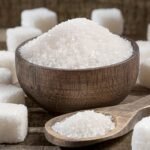
It yields bright white crystals with a sweet, clean taste and excellent solubility. Refined sugar is chemically pure, always of the same quality, and manufactured to perform predictably in every industrial and household use.
Refined sugar is considered the purest form of sugar since it contains more than 99% sucrose and less than 0.05% of moisture in it. It is thus fit to produce or export food items all over the world.
Why Refined Sugar Matters in the Global Market
Sugar is more than sweetness; it’s a core functional ingredient. Refined sugar gives foods and beverages texture, color, stability, and preservation characteristics. Because of its consistency and purity, sugar serves to function as a standard against which other ingredients are judged; it is perfect for large-scale manufacturers and food branding companies.
Benefits for Global Businesses
Businesses globally prefer refined sugar due to the following reasons:
- Consistency: Batches are the same for all recipes or productions.
- Neutral flavor: Sweetens without modifying the original taste profile.
- High purity: Low impurities secure stable storage and guarantee reliable performances.
- Excellent solubility: Ideal for syrups, beverages, and confectionery applications.
- Long shelf life: Low moisture content reduces caking or spoilage.
Be it food, beverages, or confectionery, high-quality refined sugar helps you achieve your goals with precision and reproducibility.
Where Does Refined Sugar Come From?
From plant to crystal, this is quite a journey. Refined sugar production consists of many technical steps toward high purity, regular quality, and food safety.
1. The Raw Material Harvesting
There are two major sources of sugar:
- Sugarcane: Tall tropical grass whose stalks bear high amounts of sucrose.
- Sugar beet: A root crop grown in temperate countries; a rich source of sucrose.
After this, mature plants are harvested and sent to the processing facilities where juice extraction takes place.
2. Juice Extraction
The purpose here is to extract sweet juice containing sucrose.
Generally, stalks are cleaned and cut, and heavy rollers are used to crush them in order to extract the juice.
For sugar beets, the roots are washed and cut into thin strips; then they are kept soaked in hot water — the process is called diffusion.
This juice consists of sucrose, water, and natural impurities such as fibres, proteins, and minerals.
3. Clarification and Purification
Raw juice is turbid and dark. The elimination of solids and nonsugar compounds present in the raw juice clarifies it.
Additions of lime or carbon dioxide at this stage have the effect of neutralizing the acids present and coagulating impurities so that filtration leaves a pale-coloured, clear juice.
The juice, thus clarified, then becomes the feedstock to be further concentrated and crystallized.
4. Evaporation and Syrup Formation
The juice is now clarified but still contains much water. During concentration, the clarified juice is passed through a series of evaporators under controlled heat and pressure whereby water evaporates to leave a thick, golden syrup rich in dissolved sucrose.
This concentrated syrup is ready for the most important step: crystallization.
5. Crystallization
Crystallization is where the magic occurs. Small sugar crystals seed the syrup, which is then carefully cooled under vacuum conditions. As temperature and concentration change, large sucrose crystals form.
These eventually produce a mixture of sugar crystals and remaining liquid, so-called mother liquor.
6. Separation and Washing
This is followed by centrifugation — the process by which sugar crystals are separated from the rest of the liquid. These are then washed with fresh water or steam to remove excess syrup or molasses.
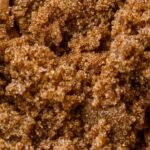
At this stage, it is called raw sugar. It is light brown in colour with a mild odour of molasses. Further processing produces the white refined sugar.
7. Refining
When raw sugar is dissolved into hot water, it becomes a syrup which may undergo an additional round of filtration, clarification, and decolorization.
The final stages are usually accomplished using activated carbon and ion exchangers that eliminate even traces of color and impurities.
The syrup is further refined into crystals once more, centrifuged, and dried to produce bright white, pure crystals of refined sugar.
8. Drying, Cooling, and Packaging
The product is then dried with warm air, followed by a cooling process, and thereafter screened into uniform crystal sizes. Later on, the product is packed in moisture-proof bags or containers ready for shipment or industrial use.
The entire process has been engineered to maintain food-grade hygiene, purity, and consistency throughout.
Refined Sugar Specifications
While buying refined sugar, especially for industrial or commercial purposes, you need to look into certain quality parameters. Our refined sugar meets or exceeds the standards laid out according to international norms.
Typical Specifications
| Parameter | Specification |
|---|---|
| Sucrose Content | ≥ 99.8% |
| Moisture | ≤ 0.05% |
| Colour (ICUMSA) | < 45 |
| Ash Content | ≤ 0.04% |
| Polarization | ≥ 99.8° |
| Grain Size | Uniform, customizable |
| Odour | Neutral, clean |
| Solubility | 100% in water |
| Packaging | 25kg, 50kg bags, bulk containers |
| Shelf Life | 2 years under proper storage |
These values ensure that the sugar you get has consistent performance for every application, whether in beverages, confectionery, bakery, or pharmaceuticals.
Types of Refined Sugar
Refined sugar comes in many forms, each one having a specific granulation and purpose.
- White sugar: Refined, common table sugar used in day-to-day cooking and manufacturing.
- Caster or Superfine sugar: Finer grained, dissolves faster. Ideal for drinks and desserts.
- Powdered sugar: Finely pulverized sugar mixed with an anti-caking agent, used in icing and toppings.
- Coarse sugar: Larger crystals for confectionery and decorations.
- Industrial Bulk Sugar: Supplied in bulk to beverage companies, bakeries, and food processors.
All these types are provided by our company, including variable crystal sizes and packaging depending on the customer’s application and market requirements.
Uses of Refined Sugar
Refined sugar plays an indispensable role in industries across the board, doing much more than adding sweetness to a host of products; it adds structure, stability, and visual appeal.
1. Food and Beverage Industry
Refined sugar acts as the backbone for beverages, jams, sauces, and syrups. Other than providing uniform sweetness, sugar is added for its preservative action in products, since it reduces water activity.
2. Bakery and Confectionery
This contributes to flavour, browning, and texture in cakes, cookies, and pastry. Sugar is also applied in candies and chocolate manufacturing processes where the crystallization process needs to be controlled.
3. Dairy Products
Sugar provides both balance to acidity and gives body to yogurts, ice creams, and flavored milks.
4. Pharmaceutical and Nutraceutical
Refined sugar is used as a filler and sweetener because it is pure enough to be safely consumed in syrups, tablets, and lozenges.
5. Fermentation and Industrial Applications
In ethanol production, as well as in other yeast-based bio-products, sugar acts as the carbon source for fermentation.
Why Choose Our Refined Sugar
With us, you are assured of quality, reliability, and consistency every time you purchase refined sugar.
Key Features
- High Sucrose Purity: Over 99.8% sucrose ensures superior sweetness and performance.
- Low ICUMSA Colour: Brilliant white sugar with great clarity.
- Crystal Size Variability: Grades available in fine, medium, and coarse.
- Storage Stability: Low moisture and anti-caking properties ensure long storage life.
- Food-Grade Certified: Fully compliant with international food safety standards.
- Global Supply: Trusted logistics and export services to every region.
- Competitive Pricing: High-quality products at very affordable rates for both industrial and retail purposes.
We pride ourselves on making sugar that meets world expectations and maintains stringent quality control.
Benefits of Using High-Quality Refined Sugar
Refined sugar directly affects product quality and manufacturing efficiency.
Major Benefits
- Better taste and texture: Purity ensures uniform flavor, without impurities or aftertastes.
- Better shelf life: Low moisture reduces clumping and microbial growth.
- Uniform performance: Each lot behaves predictably under industrial conditions.
- Better product appearance: Crystal clarity imparts brightness and appeal.
- Reliable dissolution: Ideal for beverages and syrups needing fast, clear mixing.
Quite simply, premium refined sugar ensures your business produces high-quality products time after time.
Storage and Handling Recommendations
Maintaining Quality During Transportation and Storage
- Store in a cool, dry place, away from direct sunlight.
- Seal sugar bags to prevent moisture absorption.
- Keep away from strong-smelling substances; sugar easily absorbs odours.
- Ensure good ventilation and check quality regularly when storing in bulk.
With these practices, sugar will remain pure, free-flowing, and bright white for longer.
Overview of Environmental and Sustainability Practices
Our refined sugar production focuses equally on purity, performance, and sustainability.
Our Commitments
- Efficient water management: Recycling and reducing consumption.
- Energy optimization: Using renewable sources where possible.
- Waste reduction: Reusing by-products like molasses for animal feed and ethanol.
- Environmentally safe processing: Fully aligned with global sustainability standards.
By choosing our refined sugar, you partner with a supplier committed to ethical and environmentally responsible production.
Why Partner with Us
We are a reliable and respected global supplier of sugar, offering more than just a product: reliability, transparency, and technical expertise.
- Global Reach: We export refined sugar to various international markets.
- Flexible Packaging: From 25 kg retail bags to bulk shipments.
- Consistent Quality Assurance: Every batch undergoes rigorous laboratory testing.
- Custom Solutions: Granulation and moisture levels designed for your production line.
- Dedicated Support: Documentation, shipping, and technical assistance provided.
Whether you’re a beverage manufacturer, bakery, or food exporter, our sugars will integrate seamlessly into your production process.
Conclusion – The Sweet Choice for Quality and Consistency
Refined sugar is much more than a sweetener; it’s one of the most important building blocks of the global food industry. Understanding what refined sugar is and how it is made helps to make wiser sourcing decisions.
Our high-purity refined sugar provides what your business needs:
- Consistency
- Purity
- Excellent solubility
- Long shelf life
- Reliable international supply
From industrial or food applications to retail, we are ready to deliver refined sugar you can always count on.
For more information, contact us today with your quote request, specification requirements, or sample needs.
Make your products sweeter, brighter, and better with the finest refined sugar in the world.
Refined Sugar Export to South Africa – Buy in Bulk – Sugar export South Africa