
What to Check Before Signing a Sugar Supply Contract — Complete Global Buyer’s Guide
(No references, no country-specific mentions, fully worldwide, and written clearly so buyers understand you are selling sugar with specifications.) Sugar supply contract
INTRODUCTION: Why Sugar Supply Contracts Matter for Global Buyers
The international sugar market depends on supply contracts as its most vital document which safeguards business operations. Your business needs to purchase raw sugar for industrial use or ICUMSA 45 for food production or brown sugar for retail distribution or VHP sugar for refining operations. Your supply chain costs and delivery safety and product quality depend on the details found in your sugar supply contract.
A sugar supply contract with proper definitions prevents delivery delays and cost control while ensuring product quality matches purchase specifications. The absence of proper contract writing leads to delivery problems and quality issues and hidden expenses and complete supply chain breakdowns.
This guide provides a complete explanation of all essential points to verify before signing a sugar supply contract. Our company provides high-quality raw sugar and white refined sugar and ICUMSA 45 and brown sugar and VHP sugar to customers worldwide through precise product specifications and dependable logistics.
1. Review the Complete Sugar Specifications Before You Sign Any Agreement
Any sugar supply agreement requires detailed product specifications as its fundamental element. The absence of specific product specifications leads buyers to receive inferior sugar products that fail to meet their required usage needs.
Your contract needs to include these international sugar specifications which we provide globally with their exact product details.
ICUMSA 45 White Refined Sugar – Premium Food-Grade
Our company provides the following standard international sugar specifications to all our customers worldwide.
- ICUMSA: 45 RBU (max)
- Polarization: 99.8% min
- Moisture: 0.04% max
- Ash Content: 0.04% max
- Solubility: 100% dry and free-flowing
- Granulation: Fine to medium
- Color: Sparkling white
- Smell: Neutral, no odor
The product finds its best application in retail packaging and confectionery production and beverage manufacturing and pharmaceutical applications and food processing facilities.
ICUMSA 100–200 White Crystal Sugar
The following specifications apply to this product.
- ICUMSA: 100–200
- Polarization: 99.5% min
- Moisture: 0.06% max
The product finds its best use in bakeries and beverage plants and general food processing facilities.
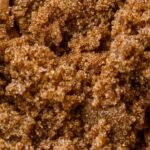
Raw Brown Sugar (600–1200 ICUMSA)
Our company supplies this product with the following specifications.
- ICUMSA: 600–1200
- Polarization: 97% min
- Moisture: 0.5% max
- Color: Light to dark brown
The product serves best for industrial food manufacturing and refineries.
VHP Raw Sugar (Very High Polarity 99+)
The product specifications include:
- Polarization: 96°–99°
- Moisture: 0.25% max
- Color: Golden
The product serves as the main material for large-scale refining operations.
Why Specs Must Be in Your Contract
Your contract needs to include the following information:
✔ ICUMSA rating
✔ Pol type
✔ Moisture level
✔ Granulation size
✔ Packaging type
✔ Origin
✔ Shipping form (bulk, jumbo bags, 50kg bags)
The supplier will not recognize any terms that are not included in the written contract.
2. Verify Sugar Origin and Production Certification
The official origin of the sugar needs verification before you sign any agreement. The origin of sugar products affects their purity level and market value and shipping destinations and industry reputation.
Your contract needs to include the following details:
- Country of origin
- Mill of production
- HS code
- Quality certifications (ISO, GMP, SGS, etc.)
We provide complete documentation for every shipment which includes:
- SGS Quality Certificate
- Fumigation Certificate
- Phytosanitary Certificate
- Certificate of Origin
- Weight & Quality Report
Your contract needs to include these certificates for automatic receipt during shipment.
3. Check Packaging and Loading Requirements
The selection of packaging materials determines both operational efficiency and total expenses.
Our company provides three main packaging solutions which we deliver to all corners of the world.
- 50kg polypropylene bags
- 25kg bags
- 1000kg jumbo bags
- Bulk vessel loading
Your contract needs to include details about:
✔ Bag material
✔ Bag size
✔ Printing requirements
✔ Palletization (if needed)
✔ Fumigation processes
The absence of this information will result in damage claims and warehouse problems.
4. Confirm Contract Pricing Structure Clearly
Buyers who sign contracts without proper price understanding become vulnerable to market fluctuations in the sugar industry.
Your contract needs to establish a clear method for determining the price value.
Your contract needs to include the following details:
- Price per metric ton
- Currency (usually USD)
- Quantity range
- Freight inclusion (FOB / CIF / CFR)
- Insurance inclusion
- Loading fees
- Port charges
Our company provides three standard pricing options to customers.
5. Shipment Timeline & Delivery Window
The delivery schedule stands as the primary reason which causes supply chain disruptions when not properly defined.
Your contract needs to include:
- Production time
- Loading time
- Sailing time
- Grace periods
- Force majeure terms
The contract includes a provision which explains what will happen when either party causes a delivery delay.
Our company operates standard delivery routes across global shipping routes and we always present them in clear terms.
6. Payment Terms — One of the Most Important Sections
Payment terms establish trust between parties while ensuring smooth business operations.
The most common payment terms used in business transactions include:
- TT/Bank Transfer
- Escrow (in some cases)
The global bulk sugar market accepts Letter of Credit as its primary payment method because it provides maximum security.
Your contract needs to include:
✔ Payment instrument
✔ Timing of payment
✔ Bank details
✔ Conditions for payment release
✔ Non-performance penalties
Our company supports bank-controlled payment systems which defend both customers and sellers during transactions.
7. Quantity, Tolerance & Delivery Split
A sugar supply contract requires:
- Total MT requirements
- Monthly MT requirements
- Tolerance percentage of ±5%
- Delivery schedule
The contract example:
“50,000 MT ± 5%, delivered in 5 shipments of 10,000 MT per month.”
Our company offers multiple delivery options which match your storage capacity and port requirements.
8. Inspection Requirements Before Shipment
Every sugar contract requires specific inspection requirements.
A well-written contract includes:
- SGS or equivalent inspection at loading port
- Optional inspection at discharge port
- Shared or seller-paid inspection fees
We perform SGS inspections at loading ports as our standard practice.
9. Logistics & Transportation Responsibilities
Your contract needs to establish responsibility for:
- Freight
- Insurance
- Offloading
- Customs clearance
Under CIF, we handle freight + insurance.
Under FOB, you arrange the vessel.
10. Incoterms — The Backbone of International Sugar Contracts
The contract requires a clear definition of the chosen Incoterm.
Common Incoterms:
- FOB
- CIF
- CFR
Each Incoterm defines cost responsibility and risk transfer.
We operate under all major Incoterms based on customer preferences.
11. Documentary Requirements in the Contract
Your contract needs to include all required documents:
- Bill of Lading
- Commercial Invoice
- Packing List
- Certificate of Origin
- SGS inspection certificate
- Insurance document (for CIF)
We deliver complete export documentation with every shipment.
12. Penalties, Risk Management & Protections
A well-written sugar contract includes:
- Non-performance penalties
- Refund conditions
- Replacement shipment terms
- Arbitration clauses
These protect both buyers and sellers during disputes.
13. Long-Term Supply Contract Structure
A long-term contract must specify:
- Monthly delivery amount
- Price adjustment methods
- Renewal options
- Performance standards
- Termination procedures
We maintain continuous monthly delivery for all global customers.
14. Why Buying Sugar Through a Contract Is Better Than Spot Purchasing
Main advantages:
- Stable pricing
- Guaranteed delivery
- Consistent quality
- Buyer protection
- Priority during shortages
We provide complete contract-based sugar supply worldwide.
15. Our Sugar Products Available for Contract Supply (Worldwide)
Available Sugar Grades:
- ICUMSA 45
- ICUMSA 100–200
- Raw Brown Sugar
- VHP Raw Sugar
- Plantation White Sugar
Available Quantities:
- 5,000 MT
- 12,500 MT
- 25,000 MT
- 50,000 MT
- 100,000 MT+
Available Packaging:
- 50kg bags
- 25kg bags
- Jumbo bags
- Bulk loading
Shipping:
- Worldwide delivery
- CIF / FOB / CFR
- SGS inspected
We serve both small and large customers globally.
CONCLUSION: A Good Sugar Contract Protects Your Business
Before you sign any sugar supply contract you need to verify:
- Clear sugar specifications
- Origin and certification
- Price terms
- Packaging details
- Payment structure
- Delivery timeline
- Incoterms
- Inspection rules
- Documentary requirements
- Penalties and protections
Our company delivers high-quality sugar worldwide through complete product specifications and dependable shipping services. Our team is ready to provide secure sugar supply when you are prepared to begin procurement.
Refined Sugar Export to South Africa – Buy in Bulk – Sugar export South Africa