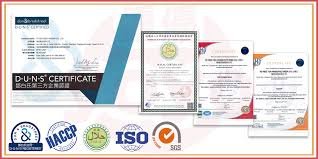
Understanding Sugar Certifications: ISO, Halal, SGS – What Global Buyers Must Know About Sugar Quality Certification
Food manufacturers, distributors, wholesalers, beverage companies, bakeries, and industrial processors require sugar that meets quality and safety and compliance standards in today’s global marketplace. Being one of the most traded food commodities in the world, certification will consequently play quite a significant role in trust-building between supplier and buyer.
ISO, Halal, and SGS certifications ensure that the sugar bought meets the strictest global requirements for industrial use, retail distribution, wholesale export, or even in brand manufacturing. Thus, this certification protects you against adulterated sugar, which could be contaminated, inconsistent in its quality, or misrepresented in any manner.
This comprehensive guide explains exactly what the different certifications mean, how they can affect your business, what to look for in the various certifications, and why our certified sugar products provide the greatest assurance available in the global marketplace.
1. Why Sugar Certifications Matter in the Global Market
Large amounts of sugar are imported across the borders every year. Such huge movements across the globe come with a number of challenges:
- Quality Differences
- Inconsistent production methods
- Misdeclared or Fraudulent Shipment
- Contamination Hazards
- Tampering during loading or unloading
- Failure to comply with the import requirements of the country
Certifications fill the gap in trust between buyers and sellers. When you buy sugar which has an internationally recognized certification,
- You know the sugar’s been made within certified facilities.
- You can find out its origin and what standards have been set for production.
- You can prove your compliance to customs authorities.
- You reduce the risk and make your supply chain more reliable.
They will also protect your brand reputation in the case of consumable manufacturing by ensuring that only quality and safe ingredients are used.
Our white sugar is carefully refined and fully certified, with verified documentation upon request. It is delivered to the buyers accompanied by the following certificates:
- ISO certification
- Halal certification
- SGS inspection reports
- COA means Certificate of Analysis.
- COO: Certificate of Origin
- Packing list and product specification
2. Understanding ISO Certification for Sugar
The full form of ISO is International Organization for Standardization, and it is one of the most recognized quality standards in the world.
2.1 What ISO Certification Means
ISO certifications mean that a manufacturer follows standardized processes for:
- Food safety
- Hygiene
- Management systems
- Product Consistency
- Quality control
- Manufacturing best practices
Among ISO certifications, the following are most relevant for sugar production:
✔ ISO 9001 – Quality management systems
This would necessitate the adoption of regular monitoring, documentation, and improvement procedures related to the production of high-grade sugars with uniform qualities at the plant.
✔ ISO 22000 – Food Safety Management Systems
This ensures that sugar is produced under conditions of safety, hygiene, and control, taking into consideration global food-safety regulations.
✔ ISO 14001 — Environmental management
This is the certificate reflecting environmentally responsible sugar production.
2.2 Why ISO Matters to Sugar Buyers
With ISO-certified sugar, you have the:
- Consistent levels of purity
- Uniform color, sweetness, and granulation.
- Sterile processing validated
- Controlled production processes
- Food safety requirements overseas
The ISO certification will ensure, especially to buyers of ICUMSA 45, 100, and 150, that the product falls within accepted world standards.
All of our sugar products are manufactured to full ISO compliance, ensuring dependable quality for industrial use, food processing, and retail packaging.
3. Understanding Halal Certification for Sugar
One of the most important features in new international trade is halal certification, as it greatly diversifies the markets that one food and beverage company can serve.
3.1 What Halal Certification Implies About Sugar
Sugar that is Halal certified includes:
- Made of materials allowed under the Shariah.
- Free from cross-contamination
- Made in a facility that follows Halal guidelines.
- Verified by recognized Halal Certification Bodies
Sugar is by nature Halal, but its various stages of processing, equipment, and handling must meet all the requirements of being Halal.
3.2 Why Halal Certification Is Important to Buyers
Halal certification of sugar makes certain that:
- International market acceptability
- Compliance with countries which require imported products to be Halal
- Not adulterated with banned substances
- Confidence for consumers, retailers, and manufacturers
The sugar that is used in the manufacturing process should be Halal certified if you are exporting finished goods to regions with requirements for Halal compliance.
Refined sugar in full compliance with the Halal requirements, shipped with valid certificates, and suitable for distribution all over the world according to the food regulations of Muslim-majority countries.
4. Understanding SGS Inspection & Certification for Sugar
SGS is one of the world’s leading inspection and verification companies.
4.1 What SGS Does in the Sugar Trade
SGS provides:
- Quality Inspection
- Quantity verification
- Supervised loading
- Sampling and Laboratory Testing
- Sealing and certification of containers
- Evaluation of ICUMSA levels
- Moisture testing
- Granulation analysis
- Purity and Contamination analyses
This ensures the sugar packed in the containers or vessels is precisely what the buyer ordered.
4.2 Why SGS Matters to Buyers
An SGS inspection ensures:
- Assurance that sugar is to specification contract.
- Independent verification of Quality
- Fraud protection
- Verification of packaging, quantity, and condition
- Laboratory reports confirming levels of ICUMSA and purity.
Most buyers in foreign countries require SGS at loading and sometimes also at discharge for added security.
All of our sugar shipments can be inclusive of SGS inspection if the buyer so requires for unmatched transparency and confidence.
5. Specifications of Sugar Any Purchaser Should Seek to Know
The good-quality suppliers of sugar ensure that the product specifications are clear. Following are some common specs for refined white sugar available on the international market:
5.1 ICUMSA 45 White Refined Sugar Specifications
- ICUMSA: 45
- Polarization: Min 99.80°
- Moisture: Max 0.04%
- Ash: Max 0.04%
- Colour: Sparkling white
- Granulation: Fine
- Solubility: 100% free-flowing
- Radionuclide: pure
- Magnetism: Within standard,
- Odour & flavour: Sweet and pure
ICUMSA 45 is the highest available grade of human-consumption white sugar.
5.2 ICUMSA 100 / ICUMSA 150 White Sugar Specifications
- ICUMSA: 100–150
- Polarization: Min 99.5°
- Moisture: Max 0.06%
- Color: White with slight tint
- Granulation: Medium to fine
It is ideal for bakeries, restaurants, industrial food production, beverage manufacture, and packaging plants.
5.3 Packaging Options
- 25kg PP bags
- 50kg PP bags
- 1,000–1,250kg jumbo bags
- Private branding available
- Palletized shipping optional
5.4 Delivery Options
- CIF – Cost, Insurance & Freight
- Free On Board – FOB
- CFR or CNF
- Container carriage
- Bulk vessel shipments
All shipments include:
- ISO certificates
- Halal certificate
- SGS inspection: Optional or compulsory, depending on the customer request.
- Certificate of Origin
- Packing list
- Health certificates
6. How Certifications Increase Your Market Competitiveness
Certification of sugar offers the following to buyers and enterprises:
- Markets available all over the world. Most countries require sugar to be cleared through customs.
- More customer trust: The products made with internationally certified ingredients are preferred by the end-users.
- Better compliance: It protects you from legalities and import rejection.
- Stronger brand reputation: Certified ingredients mean professionalism and responsibility.
- Production Consistency: Uniform quality in sugar simply means consistent taste, texture, and performance of your finished product.
From food factories and the supermarket to distributors, certified sugar keeps your operations going.
7. Why Buyers Choose Our Certified Sugar Supply
We can supply a variety of premium-grade refined white sugar fully certified. Buyers all over the world have repeatedly placed their trust in us because we can offer:
- ICUMSA 45, ICUMSA 100, ICUMSA 150
- Certifications from ISO, Halal, SGS.
- Refined white sugar of high purity
- Globally competitive pricing
- Quality Consistency Guaranteed
- Fast world-wide shipping
- Flexible packaging
- Reliable logistics and documentation
The sugar we supply is certified by the mills and then checked before shipment. Each and every order is covered under transparent documentation to ensure trust and reliability.
8. Final Word: Sugar Certifications Are Your Protection
ISO, Halal, and SGS certificates are more than pieces of paper; they protect your business, your customers, and your whole supply chain.
- You kill risk when you buy sugar with verified certifications.
- You guarantee purity.
- You ensure compliance.
- You strengthen your brand.
- You secure a reliable long-term supply.
We proudly supply fully certified and high-quality white sugar to buyers worldwide. Be it palletized containers, jumbo bags, or bulk vessel shipments, our team can assure top quality sugar that is delivered with full documentation and inspections.
If you need certified sugar for your business, I can also help in the preparation of a product page, quotation, or offer document.
Refined Sugar Export to South Africa – Buy in Bulk – Sugar export South Africa