Raw Sugar Production — Environmental Impacts of Sugar
How using our sustainable raw sugar helps the planet and your product, Environmental Impact of Raw Sugar Production — Sugar environmental impact
I. The Environmental Impact of Sugar
Sugar is a global best-seller. It is a common ingredient in beverages, baked goods, sauces and dressings as well as the pharmaceuticals, cosmetics or bio-based materials. However, the sweet and soft sugary colours could tell another story, sharing their environmentally toxic or sustainable production process.
Consumers and businesses today care about sustainability, carbon footprint, water use, soil health… how was it grown? Were the farmers mistreated/not paid enough for their crops? That is why the environmental cost of how raw sugar came to be has become an important consideration when buying it.
At our company we produce raw sugar using environmentally friendly processes and standards to match your business needs, keeping the planet safe. Anyone involved in food manufacturing or beverage production will have the opportunity to create traction for themselves as a brand ahead of their competition by using raw sugar which contributes towards overall sustainability, meeting consumer needs and demand around transparency and eco-friendly sourcing.
This guide will cover:
- How raw sugar is produced
- Its environmental impact
- What conventional sugar means vs sustainable sugar
- Our greenest, sweetest deal — and why it matters
- Detailed product specifications
- Submit this story — not just information about the sugar we sell
What Is Raw Sugar?
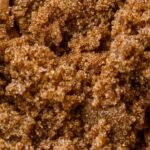
Raw sugar is the form in which first crystallized out of sugarcane or beet juice. This sugar still contains a thin layer of the natural molasses giving it an off-white or light brown color and different flavor from refined white sugars.
Key Characteristics of Raw Sugar
- Naturally processed
- Minimal chemical treatment
- Refined sugar: superior mineral constituents
- Consume in food, beverages and industrial applications
Companies interested in clean-label, natural and sustainable ingredients frequently opt for raw sugar.
How Raw Sugar Is Produced
Step 1: Cultivation
Sugarcane — warm region with sufficient rainfall or irrigation. An important aspect of environmental sustainability is the quality of soil, water and farming.
Step 2: Harvesting
Harvested manually or mechanically. Sustainable harvesting helps prevent burning and topsoil degradation.
Step 3: Juice Extraction
Juice is extracted by crushing the cane and evaporated after filtering and heating.
Step 4: Crystallization
The juice has the water extracted, leaving sugar crystals, converting it into raw sugar.
Step 5: Drying and Packaging
The sugar is then dried, sized, and packed for dispatch.
Each step leaves a smaller or ideally no environmental footprint, highlighting the importance of production methods.
Factors Affecting the History of Raw Sugar Production in Thailand
Historically, producing raw sugar involved poor practices, allowing pollution due to lack of controls.
1. Water Usage
Sugarcane is water-intensive. Conventional farming often leads to:
- Water depletion
- Stress on rivers and groundwater
- Reduced availability for communities
Our raw sugar production optimizes irrigation, consuming only necessary water and promoting efficiency.
2. Soil Health
Potential negative impacts of traditional sugar farming include:
- Soil erosion
- Nutrient loss
- Chemical contamination
Our partner farms use:
- Crop rotation
- Organic soil conditioners
- Reduced chemical inputs
Ensuring soil fertility for long-term production.
3. Carbon Footprint
Burning fields, diesel engines and inefficient mills contribute to carbon emissions.
We source raw sugar from mills dedicated to:
- Low-emission harvesting
- Energy-efficient processing
- Biomass power from sugarcane waste
Reducing the carbon footprint per ton of sugar.
4. Waste Management
Sugarcane processing produces residues such as bagasse and molasses.
Our manufacturing plants reuse waste for:
- Renewable energy
- Animal feed
- Bio-based materials
Nothing is wasted.
Sustainable Raw Sugar — Tomorrow’s Solution
The global sugar industry is transforming. Brands and retail companies should choose ingredients compliant with environmental responsibility.
By choosing our raw sugar, you opt for:
- Lower environmental impact
- Better farming practices
- Cleaner supply chains
- A future-ready ingredient
This makes your product more appealing to a modern-day buyer.
Our Raw Sugar is Kind to the Environment
We sell ethically produced raw sugar for businesses prioritizing quality and sustainability.
Our Sustainability Commitments
- Water saved per ton of cane
- No unnecessary chemical bleaching
- Energy-efficient milling
- Waste recycling
- Traceable supply chain
Sugar that aids both your brand and the environment.
Our Raw Sugar – Product Specs
- Product Type: Raw Cane Sugar
- Appearance: Golden to light brown crystals
- Texture: Free-flowing, uniform granules
- Purity: Minimum 99.5% sucrose
- Moisture Content: Less than 0.5%
- Ash Content: Low, food-grade standards
- Processing: Minimal, no artificial bleaching
- Packaging Options: 25 kg bags, 50 kg bags, bulk jumbo bags, customized packaging
- Shelf Life: Store in a cool, dry place: 12 to 24 months
- Applications: Food manufacturing, beverage production, baking, confectionery, pharmaceutical syrups, industrial fermentation
Our Raw Sugars — Why Businesses Love It
- Better Brand Image: Improves brand perception with sustainable ingredients.
- Reliable Supply: Quality and quantity assured.
- Global Standards: Meets international food-grade standards.
- Competitive Pricing: Eco-friendly, fair pricing.
Environmental Impact Meets Business Value
Purchasing ethically sourced raw sugar benefits both the environment and business.
It helps you:
- Meet sustainability goals
- Reduce regulatory risks
- Appeal to eco-conscious customers
- Differentiate from competitors
Top-grade raw sugar with global appeal.
The Eco Impact Of Raw Sugar — Refined Sugar vs Raw
| Factor | Raw Sugar | Refined Sugar |
|---|---|---|
| Processing | Minimal | Heavy chemical treatment |
| Energy Use | Lower | Higher |
| Water Use | Lower | Higher |
| Waste | Reused | Often discarded |
| Environmental Impact | Reduced | Increased |
Raw sugar is a cleaner, greener alternative.
Role of Sustainable Sugar in Global Market
Companies in food, beverage, and ingredients face pressure to reduce environmental impact. Sustainable raw sugar helps achieve:
- Environmental compliance
- Corporate responsibility goals
- Consumer expectations
Our Raw Sugar: A Smart Choice
Buying from us provides:
- Quality
- Sustainability
- Reliability
- Long-term supply
Responsible Producers and Modern Mills
We work with responsible producers and modern mills to ensure every shipment meets high environmental and quality standards.
Storage and Handling
- Cold, dry warehouse
- Keep away from moisture
- Use clean, sealed containers
Our packaging keeps sugar safe for transport and long-term storage.
Final Thoughts: Sugar that is Good for the World and Good for Business
Choosing sustainably produced raw sugar benefits everyone — water protection × soil health ÷ climate conditions = sweetness at scale.
Our raw sugar delivers:
- Natural quality
- Low environmental footprint
- Strong manufacturing performance
- A credible sustainable story for your customers
We are equipped to deliver eco-friendly, food-grade raw sugar worldwide.
Refined Sugar Export to South Africa – Buy in Bulk – Sugar export South Africa