⭐ Understanding Raw Brown Sugar Lab Reports. Comprehensive Guide to Raw Sugar Laboratory Analysis (Including Specifications & Reasons to Purchase From Us)
INTRODUCTION. THE IMPORTANCE OF LAB REPORTS WHEN PURCHASING RAW BROWN SUGAR
Raw brown sugar—categorized under ICUMSA 600–1200—falls into the category of sugars used in food manufacturing, beverage creation, repackaging, blending and export sectors. Due to its processing and inherent molasses content purchasers often demand laboratory tests to verify purity, moisture quantity, granule size, color, ash content and adherence to export regulations. Raw sugar lab analysis
However numerous importers, distributors, food manufacturers, repackers and wholesalers frequently find it challenging to interpret raw sugar lab results. Regrettably these misinterpretations may result in buying sugar at prices or acquiring shipments that fail to comply with food safety standards.
This manual addresses that issue.
This summary includes:
How to read and understand every section of a raw brown sugar lab report
The significance of the technical indicators
How to verify sugar quality before purchasing
The standard specifications for ICUMSA 600–1200 raw brown sugar
Why our company is one of the world’s most reliable suppliers
Our approach to sustaining laboratory accuracy consistency in shipping and readiness for exports
By the conclusion you will grasp raw sugar evaluation from a buyer’s perspective. Prepare to purchase our internationally sourced raw brown sugar, supported by comprehensive specification documents and verified laboratory reports.
⭐ CHAPTER 1 — WHAT IS A RAW BROWN SUGAR LAB REPORT?
A brown sugar analysis report is a document created by an accredited sugar testing laboratory to evaluate the chemical composition, physical properties and safety parameters of raw cane sugar. It contains information such as:
ICUMSA color rating
Polarization (Sucrose Purity)
Moisture content
Ash content
Reducing sugars
Granulation (grain size classification)
Insoluble impurities
Odor and visual characteristics
Microbiological results (if applicable)
These figures assist purchasers in deciding:
If the sugar is suitable for food production
Provided it complies with import regulations
Provided the batch complies with the contract requirements
Whether the sugar is of high, average, or low quality
If the purchaser obtains the desired product
A lab report is the most important quality-control document in the sugar industry.
Collaborating with our company ensures that each shipment includes a laboratory examination—conducted prior to loading—providing buyers with outcomes and reliable quality.
⭐ CHAPTER 2 — UNDERSTANDING THE KEY SECTIONS OF A RAW SUGAR LAB REPORT
This section reviews each graph presented in a sugar report. It clarifies its importance using terms.
1. ICUMSA COLOR VALUE (600–1200)
This global benchmark is utilized to categorize sugar based on its color and cleanliness. A greater number indicates sugar with purity.
Raw brown sugar is usually classified as:
ICUMSA 600–1200
Sometimes slightly outside depending on molasses content
A smaller value signifies a color shade favored by consumers. However, within food production, drink industries, bakeries and industrial uses ICUMSA 600–1200 is entirely suitable and highly economical.
2. POLARIZATION (% SUCROSE PURITY)
Polarization reflects the concentration of sucrose found within the sugar.
Usually brown sugar contains:
96.0–98.5° Z polarization
Higher polarization = purer sugar.
Lower polarization = more molasses and minerals.
Brown sugar with a Z value exceeding 96° is classified as grade.
3. MOISTURE CONTENT (%)
Humidity influences:
Shelf life
Storage safety
Flowability
Packaging stability
Standard moisture levels for high-quality raw brown sugar:
0.40% – 0.80%
Moisture level exceeding 1% can cause clumping and accelerates fermentation.
4. ASH CONTENT
Ash quantifies the mineral and nonsugar components. Its quantity is primarily influenced by the molasses concentration.
Typical ash value for ICUMSA 600–1200 sugar:
0.50% – 1.0%
Lower ash = cleaner sugar.
Higher ash = darker sugar with more molasses.
5. REDUCING SUGARS (%)
This measures glucose/fructose presence.
For raw cane sugar:
0.30% – 0.60% is normal.
Elevated levels of reducing sugars may influence the caramelization process in conditions.
6. GRANULATION (GRAIN SIZE)
A laboratory report will categorize sugar as:
Coarse
Medium
Fine
Big particles move smoothly throughout the processing phase.
Particles of a size are favored for both the first packing and the subsequent repacking.
Our raw brown sugar is available in:
Regular grain
Medium grain
Custom granulation upon request
7. INSOLUBLE IMPURITIES (%)
This measures non-sugar particles.
Acceptable level:
Less than 0.1%
Elevated levels suggest pollution or purification.
8. MICROBIOLOGICAL ANALYSIS
Certain purchasers demand:
Salmonella test
Yeast and mold count
Total plate count
Depending on country regulations.
We offer tailored, needed testing services specially created for food producers.
9. ODOR AND VISUAL QUALITY
Lab reports might also contain information such as:
Color
Texture
Odor
Foreign smell absence
Raw brown sugar must contain:
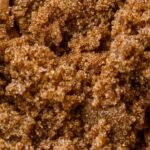
Natural molasses aroma
No chemical odor
No burnt smell
⭐ CHAPTER 3 — COMPLETE SPECIFICATION SHEET FOR OUR RAW BROWN SUGAR (ICUMSA 600–1200)
Each proposal contains the product information.
Parameter — Specification
Product Type: Raw Brown Cane Sugar
ICUMSA: 600–1200
Polarization: 96.0–98.5° Z
Moisture: 0.40–0.80%
Ash Content: 0.50–1.0%
Color: Brown / Dark Brown
Odor: Natural molasses aroma
Granulation: Medium or as requested
Insoluble Impurities: <0.1%
Reducing Sugars: 0.30–0.60%
Magnetic Particles: Within international limits
Packaging Options: 25kg, 50kg PP bags, jumbo bags, bulk
Origin: Global sources
Certification: SGS / ISO / HALAL (upon request)
These criteria may be adjusted based on the buyers’ preferences.
⭐ CHAPTER 4 — HOW TO INTERPRET EACH VALUE LIKE A PROFESSIONAL BUYER
Comprehending raw sugar laboratory outcomes enables you to:
Negotiate pricing accurately
Compare suppliers
Verify quality before shipment
Avoid receiving substandard goods
Ensure compliance for export/import
Protect your business reputation
Let’s delve deeper into how every factor impacts purchasing decisions.
1. If ICUMSA value is too high
Example: 1500+
This signifies:
Extremely dark sugar
Higher molasses content
Possible lower purity
Lower market price
This sugar might remain appropriate for ethanol distilleries and industrial uses. It is unsuitable for repackaging or food production.
2. If polarization is below 96°
The sugar is:
Lower purity
Less sweet
More molasses-heavy
You ought to ask for changes and try to lower the cost.
3. When moisture surpasses 1%
This might result in:
Fermentation
Mold growth
Sugar clumping
Transport issues
We consistently maintain moisture content at or under 0.8% to safeguard our clients.
4. If ash content is above 1%
This relates to a raw sugar grade. Suitable for use in distilleries and fermentation sectors. Not suitable for repackaging purposes.
5. If reducing sugars are high
Elevated reducing sugar levels influence the creation of color and the production of beverages.
Our sugar complies with norms to satisfy food-industry standards.
⭐ CHAPTER 5 — EXPLAINING VARIATIONS IN LAB REPORTS AMONG SUPPLIERS
The primary causes are:
Different harvesting conditions
Varied soil minerals
Processing differences
Moisture changes during shipping
Storage environment
Lab certification level
This clarifies the reason we offer:
Pre-shipment lab test
Post-loading verification
Independent SGS certification available
Guaranteeing that every purchaser obtains sugar of quality.
⭐ CHAPTER 6 — WHY BUY RAW BROWN SUGAR FROM US?
Our services extend beyond just delivering lab reports.
We assure quality, steady availability and worldwide delivery.
Our Advantages:
✔ Fully certified laboratory analysis
Each transaction consists of:
Moisture, Polarization, ICUMSA, Ash, Grain size, Impurity analysis
✔ Global supply capability
We export worldwide in:
25kg bags, 50kg bags, Jumbo bags, Bulk shipments
✔ Competitive pricing
Since we purchase from mills and refineries our prices stay consistent and competitive worldwide.
✔ Fast loading and shipment
We uphold collaborations with mills to guarantee supply in periods of demand.
✔ Custom specifications
If your manufacturing requirements restrict polarization, grain size or moisture we can supply batches accordingly.
⭐ CHAPTER 7 — PROCEDURE FOR BUYERS TO REVIEW A LAB REPORT PRIOR TO BUYING
Use this checklist:
Check the ICUMSA value
Verify that it complies with the contract specifications (600–1200).
Confirm polarization
Should be 96°+ for good quality raw sugar.
Review moisture
Must be under 1%.
Check ash content
Should match your application needs.
Examine reducing sugars
Important for food and beverage factories.
Inspect granulation
Ensure grain size suits your production machinery.
Verify impurities
Good sugar = low impurities.
Cross-check laboratory seals
Verify that the document originates from a laboratory (SGS, ISO-certified labs, etc.).
⭐ CONCLUSION — RAW BROWN SUGAR LAB REPORTS EXPLAINED CLEARLY
Conducting laboratory analysis on raw brown sugar is crucial to verify its quality, safety and adherence to industry standards in the sugar sector. Evaluations such as polarization ICUMSA values, moisture levels, ash content and impurities enable purchasers to make well-informed and assured buying choices.
Upon buying from us you get:
Full laboratory analysis
SGS certification (optional)
Consistent ICUMSA 600–1200 quality
Reliable global shipping
Competitive pricing
Customizable sugar specifications
We provide sugar relied upon by purchasers, food manufacturers, repackers, wholesalers and distributors worldwide.
If you would like the full COA (Certificate of Analysis) or a proforma invoice, just let me know—I can prepare it for you.
Refined Sugar Export to South Africa – Buy in Bulk – Sugar export South Africa