
Raw sugar contains various impurities that affect its quality, and understanding these contaminants is important for making informed purchasing decisions. The purity of raw sugar itself determines its value and further influences its suitability for different applications. Common Impurities Found in Raw Sugar — Raw sugar impurities
As per market trends, most buyers focus on price and volume regarding raw sugar purchasing. We are seeing that the most successful buyers are focusing only on purity. Purity itself determines how much sugar can be used further and how easy the processing becomes for a clean final product. We are seeing that purity is only controlled by one main thing: impurities.
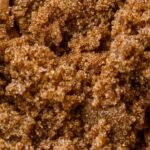
Moreover, as per sugar processing standards, raw sugar is not the same as pure white sugar regarding its refinement level. This product is actually made naturally and definitely keeps its molasses, minerals, and small plant parts inside it. These substances surely give brown color and special taste to raw sugar. Moreover, they are responsible for its characteristic flavor. When these unwanted things become too much only, we are seeing that sugar quality goes down, processing costs go up, and profits become less.
This guide will surely explain the common impurities present in raw sugar and how they affect business operations. Moreover, it will help you choose sugar with proper specifications for your requirements. Our clean raw sugar is actually made for buyers who definitely want reliable results and good performance. It gives high yield and works the same way every time.
Impurities in Raw Sugar (Raw sugar impurities)
Further, raw sugar surely contains various unwanted substances that affect its quality and purity. Moreover, these impurities include organic compounds, minerals, and other foreign materials that must be removed during processing.
Raw sugar contains impurities which are substances other than sucrose itself. These impurities need further removal to get pure sugar. Basically, some impurities are natural and the same cannot be avoided, but too many create serious problems in refining, storage, and food production.
Common Impurities
These include:
- Molasses residues
- Ash and minerals
- Organic matter
- Plant fibers
- Moisture
- Color compounds
- Insoluble solids
As per the impurity levels, more impurities mean less actual sugar content and more difficulty regarding refining or usage.
Why Impurities Matter to Buyers
Impurities matter to buyers because they affect product quality and performance further. The presence of impurities itself can reduce the value and effectiveness of the product.
Basically, every ton of raw sugar has the same mixture – sucrose and non-sugar stuff mixed together. As per the payment system, you will not receive money for impurities. Regarding the actual payment, you only get paid for sucrose that becomes refined sugar or food-grade ingredient.
High impurity sugar surely leads to various problems, and moreover, it causes significant issues in processing and quality.
Effects of High Impurity Sugar
- Refining is giving only less output now
- Energy use actually goes up. This definitely means more power is needed
- More filtration and cleaning processes are needed regarding water treatment systems
- People actually use more chemicals now. This definitely means chemical consumption has gone up
- This sugar is actually darker in its final form. It definitely has a deeper color when processed completely
- More waste
That is why we are seeing professional buyers only looking for clean raw sugar with proper checking of quality details.
Major Impurities and Their Impact
Raw sugar actually contains several major impurities that definitely affect its quality. These impurities actually include molasses, plant fibers, and mineral salts that definitely need removal during processing.
We are seeing that only the main impurities affect the quality, so we must look at these.
1. Molasses
Further, molasses is actually the thick syrup that remains when sugar crystals are removed. This sticky liquid is definitely what’s left behind after the sugar-making process. Also, it contains:
- Uncrystallized sugar
- Organic acids
- Color compounds
- Minerals
We are seeing that only a small amount is normal in raw sugar, but too much molasses:
- Sugar actually becomes darker when heated. This definitely changes the sugar’s color through caramelization
- Reduces polarization
- Increases ICUMSA
- Causes sticky crystals regarding the formation
Further, good raw sugar actually has very little molasses, so it flows better and is definitely easier to clean and work with.
2. Ash (Mineral Content)
Basically, ash is the same as mineral content that remains after burning. Ash actually shows the mineral content that is definitely present in sugar. Further, it includes:
- Calcium
- Magnesium
- Potassium
- Iron
- Silica
Effects of High Ash Levels
- Equipment scaling is actually increasing at a faster rate. This definitely means machines and tools are becoming bigger in size
- Treatment actually helps colors stay bright and definitely prevents them from fading away
- Crystallization efficiency is reduced regarding the material formation
Low-ash raw sugar itself produces brighter and cleaner refined sugar with less processing effort, further reducing the overall production requirements.
3. Color Compounds
Basically, these come from the same sources:
- Plant pigments
- Caramelized sugars
- Molasses residues
Basically, these are the same things that make raw sugar look brown. But high levels mean:
- Higher ICUMSA
- More bleaching work is needed
- The cost of refining has increased
Basically, when raw sugar has less impurities, the ICUMSA value becomes lower, and the same sugar gets more valuable in the market.
4. Moisture
Water itself is one of the most harmful impurities that can further damage the system.
Effects of High Moisture
- Clumping
- Microbial growth
- Sugar loss
Basically, the product stays fresh for less time, which is the same as having a shorter expiry period. As per our process, we dry the sugar to keep moisture low regarding storage and transport stability.
5. Insoluble Solids
These include:
- Bagasse fibers
- Dust
- Soil
- Plant debris
Effects
- Block filters
- Damage machinery
- Reduce refined sugar purity
- Make sugar less clean and processed
High-grade raw sugar is screened and cleaned regarding removal of these particles.
6. Reducing Sugars
Basically, when sucrose breaks down, it gives the same reducing sugars like glucose and fructose.
Effects
- Sugar gets darker when heated
- Crystallization process shows reduced efficiency
- Colors actually get stronger when color formation increases
We are seeing that low impurity sugar has very few reducing sugars, which makes the final product quality better.
Polarization and Sucrose Content
Impurities change the polarization properties of materials. Polarization measures the amount of sucrose that is definitely present in the sample. Impurities take up space where pure sugar should be, so they lower polarization.
Basically, when impurities are high, the Pol percentage becomes lower. When impurities are less, the Pol percentage becomes higher. Low-impurity sugar has the same Pol reading of 98.0° or higher.
Raw Sugar Specifications
Our raw sugar specifications further ensure low impurity levels, making the product itself suitable for quality processing.
We actually supply top-quality raw sugar that definitely gives high yield and clean processing.
Product Parameters
| Parameter | Specification |
|---|---|
| Polarization | 98.0° to 99.0° minimum |
| ICUMSA | 600 to 1200 IU |
| Moisture | 0.15% or less |
| Ash Content | 0.15% or less |
| Solids that don’t dissolve | Negligible |
| Reducing Sugars | Low |
| Crystal Size | Medium to Large |
| Color | Light brown |
| Sediment | Minimal |
| Foreign Matter | None |
Packaging options: bulk quantities or bags of 50 kg. Used in refining, food and beverage, and confectionery industries.
Benefits of Low-Impurity Raw Sugar
Low-impurity raw sugar:
- Costs less due to higher pure sugar content
- Less waste
- Higher sugar recovery rates
- Less energy consumption
- Faster processing
- Better storage and transport stability
- Maintains flowability
- Consistent quality
Applications
- Sugar refineries
- Soft drink manufacturers
- Candy and chocolate producers
- Syrup producers
- Bakeries
- Food ingredient suppliers
Low-impurity sugar dissolves properly, has no extra taste, and is easy to process. Buyers choose our raw sugar because it matches quality and pricing requirements.
Product Features
- Checked for low impurities
- High polarization
- Consistent ICUMSA
- Stable moisture
- Steady supply in large amounts
- International shipping
Final Thoughts
We are seeing that dirt and bad things in raw sugar hurt profits. Lower impurities give more sucrose and better final products. Less impurities make refining easier. Smart buyers demand high-quality raw sugar with low impurities, as quality determines final product value.
Our product is designed for professionals who want consistent quality and strong yields, ensuring dependable performance in every shipment.
As per our quality standards, our raw sugar provides reliable purity for your needs.
If you want, I can also create a more visual table of contents with all the headings so it’s easier to navigate for readers.
Do you want me to do that?
Refined Sugar Export to South Africa – Buy in Bulk – Sugar export South Africa