Comprehensive Overview of SGS Inspection for Refined Sugar – Your Ultimate Guide to SGS Sugar Inspection (Offering SGS-Certified Sugar Globally)
Exporting sugar on a scale requires dependability, transparency and clear quality standards. Buyers want confirmation that the sugar supplied’s truly pure, safe for consumption, correctly categorized and complies with trade rules. SGS inspection serves this purpose.
This extensive guide explains the workings of SGS inspection for sugar, its importance, the tests performed and how it protects both buyers and sellers. The article also highlights that we supply SGS-certified sugar ready for shipping accompanied by documentation and adherence to international standards.
If you are a buyer searching for Crystal White Sugar, ICUMSA 45, ICUMSA 100 or ICUMSA 150, this guide will help you comprehend how SGS verifies quality—and how our firm ensures that each ton supplied meets your requirements.
What Is SGS Inspection for Refined Sugar?
SGS (Société Générale de Surveillance) is an organization specializing in inspection, verification, testing and certification services. In relation to sugar, SGS guarantees the product complies with the specifications.
This indicates that the sugar is subjected to inspection and confirmation during the loading process and sometimes at the time of delivery to guarantee:
- Correct ICUMSA color rating
- Proper granulation and purity
- Moisture level within standard
- No contamination
- Compliance with food-grade requirements
- Correct weight
- Correct packaging and labeling
SGS certification ensures clarity for both the purchaser and the vendor. It signifies the benchmark of reliability in the sugar sector.
Why SGS Inspection Is Important in the Global Sugar Business
Sugar is one of the most traded food commodities worldwide. Because of its demand, various quality grades and numerous sources require buyers to ensure that the quality they receive corresponds with what they bought.
SGS protects buyers from:
- Substandard sugar
- Sugar with incorrect ICUMSA level
- Contaminated or non-food-grade stock
- Impurities or excessive moisture
- Inaccurate weight
- Fraudulent substitution
For suppliers, SGS inspection enhances reliability, prevents disputes, and ensures export documentation.
As we supply sugar globally, SGS helps guarantee our reliability and customer satisfaction. Every delivery can be inspected at the buyer’s request and detailed test reports are provided.
Varieties of Refined Sugar Available for Sale (Including Specifications)
We provide sugar types that’re in demand globally, each available with SGS inspection upon request. Below are the specifications frequently asked for by clients.
1. Crystal White Sugar ICUMSA 45 (Refined White Sugar)
Specifications:
- ICUMSA: 45 RBU max
- Polarization: 99.80% min
- Moisture: 0.04% max
- Ash: 0.04% max
- Solubility: 100% dry & free-flowing
- Granulation: Fine to medium
- Conductivity Ash: 0.04% max
- Origin: Global (depending on availability)
- Packaging: 25kg or 50kg PP bags, jumbo bags, or bulk
ICUMSA 45 is the highest-grade white sugar available and is always food-grade and suitable for human consumption.
2. White Refined Sugar ICUMSA 100–150
This level of quality is commonly applied in the manufacturing of drinks, baked goods and mass food production.
Specifications:
- ICUMSA: 100–150 RBU
- Polarization: 99.50% min
- Moisture: 0.06% max
- Conductivity Ash: 0.10% max
- Granulation: Fine/medium
3. Brown VHP Sugar (Very High Polarity)
Specifications:
- Polarity: 99.40% min
- Moisture: 0.50% max
- Color: Brown raw
- Use: Refineries, industrial processing
We ship worldwide. SGS inspection is available for every sugar grade upon the buyer’s request.
What Does SGS Inspect During Sugar Export? (Full Breakdown)
SGS inspection encompasses categories. Below is a summary of the elements related to sugar.
1. Visual Inspection
SGS assessors examine:
- Color of sugar
- Granulation uniformity
- Presence of contaminants
- Package condition
- Bag stitching
- Labels & markings
- Cleanliness of warehouse & storage area
This ensures that the item is safe, clean and meets the standards specified in the sales contract.
2. Laboratory Analysis
This includes evaluations such as:
ICUMSA Color Testing
Determines the whiteness level of sugar. Lower ICUMSA = whiter, higher quality.
Polarization Test
Assesses purity. Genuine sugar must show a polarization range between 99.5% and 99.8%.
Moisture Testing
Maintains sugar in a proper state. Too much moisture results in sticking together or mold growth.
Ash Content Test
A minimal ash percentage indicates the purity of sugar.
Solubility Assessment
Premium sugar melts with no leftover traces.
Microbiological Testing (If Requested)
Guarantees that the sugar is fit for consumption.
3. Weight and Quantity Verification
SGS verifies:
- Weight per bag
- Number of bags
- Total metric tons
- Accuracy of the seller’s documentation
This protects the buyer from receiving a product that’s worth less than the price paid.
4. Packaging and Labeling Verification
SGS assures that:
- Bags are new, food-grade, and clean
- Stitching is strong
- Export labels are correct (origin, weight, production date, batch number)
- The method of palletizing is accurate
Proper packaging prevents damage or contamination during transportation.
5. Loading Inspection (Pre-Shipment Inspection)
During loading into containers or vessels, SGS checks:
- Cleanliness of the container
- No moisture inside
- Bags are organized tidily
- No damage during loading
- Fitted seals
This offers understanding before the shipment departs.
How SGS Inspection Works Step-by-Step
The following is the SGS protocol we follow for our sugar shipments.
Step 1: Buyer Requests SGS Inspection
SGS inspections are authorized for:
- Pre-shipment basis
- During loading
- After loading but before sealing the container
- At the destination port (optional)
The buyer is able to determine the scope of their examination.
Step 2: SGS Performs an Inspection Either at Our Storage Location or Refinery
The inspector reviews:
- Sugar quality
- Packaging
- Storage conditions
Samples may be collected for examination in a laboratory.
Step 3: Laboratory Testing
SGS performs testing within its laboratories. The results are shared with both parties.
Step 4: Loading Supervision
SGS supervises the loading process to ensure:
- Clean containers
- No contamination
- Accurate count
- Correct sealing
This creates a connection from the warehouse to the vessel.
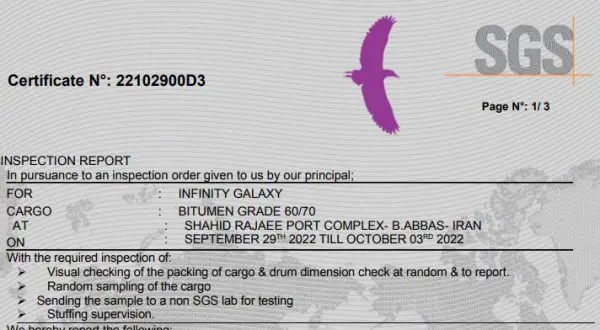
Step 5: Issuance of SGS Certificate
The certificate must include:
- Product description
- Grade and ICUMSA level
- Test results
- Net and gross weight
- Batch and lot numbers
- Photos (if required)
- Container seal numbers
This document accompanies the shipment and enables the customs clearance process.
Why Buyers Prefer Sugar Certified by SGS
Various reasons drive sugar buyers to prefer purchasing items checked by SGS:
✔ Protection from fraud
✔ Shield from receiving wrong ICUMSA levels
✔ Trust in accurate weight and documentation
✔ Assurance that sugar is safe and food-grade
✔ Transparency throughout the supply chain
✔ International recognition at ports and customs
When clients learn that the sugar is SGS certified, all doubts and disputes disappear.
Reasons to Purchase SGS-Certified Refined Sugar From Our Company
We supply Crystal White Refined Sugar of high quality to customers across the globe. This is why clients choose us:
1. SGS Inspection Provided with Every Purchase
Upon the purchaser’s request, we are able to supply SGS inspection for each sugar shipment, including:
- Pre-shipment testing
- Loading inspection
- Weight verification
- Lab testing
- Sealing supervision
This guarantees openness.
2. Competitive Pricing With Premium Quality
We offer rates for:
- ICUMSA 45
- ICUMSA 100
- ICUMSA 150
- VHP Brown Sugar
Our prices remain stable even with SGS inspection.
3. Global Shipping (Worldwide Supply)
Our deliveries are dispatched to destinations through:
- Sea freight (20ft/40ft containers)
- Break bulk cargo (large orders)
- Air freight (urgent orders)
Shipping times vary according to destination. We consistently ensure delivery.
4. Guaranteed Specifications
Every shipment fully complies with the agreement. No substitutions. No mixed grades. No unforeseen problems occur.
5. Flexible Packaging Options
Different buyers have different requirements. We offer:
- 25 kg bags
- 50 kg bags
- Retail packaging (1–5 kg bags, on request)
- Jumbo bags
- Bulk loading
Each packaging component is safe and appropriate for food contact. Custom branding can be applied based on the purchaser’s specifications.
6. Professional Documentation Support
Our export division provides all documentation required for shipment:
- SGS certificate
- Certificate of origin
- Health certificate
- Phytosanitary certificate
- Commercial invoice
- Packing list
- Bill of lading
This enhances the simplicity of your import process.
Our Approach to Ensuring Quality Prior to SGS’s Arrival
SGS assures transparency. Additionally, we perform our own monitoring:
• Storage in clean, dry warehouses
• Zero exposure to moisture
• Regular fumigation and hygiene checks
• Professional handling procedures
• Quality checks using calibrated instruments
By guaranteeing quality from the start, our sugar continuously complies with SGS standards.
Common Buyer Questions About SGS Sugar Inspection
1. Who is accountable for paying the expense of the SGS inspection?
Usually the buyer pays. This can be discussed.
2. Is SGS mandatory for sugar export?
Not mandatory, but strongly recommended for trust and transparency.
3. Can SGS perform inspections at the arrival port?
Yes. SGS operates offices and laboratories worldwide.
4. How long does SGS inspection take?
Usually 24–72 hours depending on the tests required.
5. Does SGS have the authority to reject a shipment?
They cannot refuse a shipment, but they can document inconsistencies. It is then up to buyer and seller to act.
SGS Inspection Ensures the Quality of the Sugar You Ordered
Understanding SGS inspection is essential for everyone involved in the sugar supply chain. It guarantees trust, transparency and validation at every stage of the process.
Upon buying sugar from our company, you receive:
- SGS-inspected quality
- Verified specifications
- Proper packaging
- Accurate weight
- Reliable global shipping
- Full documentation
We provide high-quality Crystal White Sugar types, including ICUMSA 45, ICUMSA 100 and ICUMSA 150, with every consignment supported by SGS certification.
If you are ready to place an order or request a quotation, our sales team is available worldwide to assist you.
Refined Sugar Export to South Africa – Buy in Bulk – Sugar export South Africa