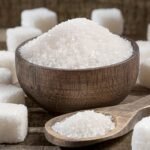

Top Myths About White Sugar—Debunked: Real Facts + Premium White Sugar Specifications
It is an indispensable ingredient used in beverages, bakeries, and confectionery, among many other uses related to various industries: dairy production, pharmaceutical, and cosmetic. Despite this, there are a lot of misconceptions and myths about white sugar. white sugar facts
These misconceptions frequently confuse buyers, manufacturers, and retailers, let alone when decisions of bulk purchase for export, industrial processing, or food production have to be made.
The following comprehensive guide will debunk the most common myths surrounding white sugar, outline the real science behind it, and explain why our premium refined sugar—including high-purity grades like ICUMSA 45—is trusted around the world. The full product specifications will also be provided to ensure that buyers are clear on precisely what they will be getting.
Sugar Facts: Why Knowing Them Matters
Misinformation in international trade may include:
- unnecessary buyers’ hesitation
- puzzling over purity levels
- poor buying decisions
- believing low-quality suppliers
- misunderstanding of the ratings by ICUMSA
- comparing product standards is challenging
Regardless of whether you’re a distributor, manufacturer, wholesaler, or an industrial buyer, this guide will take away the confusion and present you with solid facts about white sugar.
Myth #1: White Sugar Isn’t Natural
In the public imagination, white sugar is often thought to be “unnatural” or “artificial.”
The Truth
White sugar is directly derived from two absolutely natural agricultural sources:
- Sugarcane
- Sugar beet
White sugar does not contain any kind of artificial ingredient whatsoever. It relies on its refining process in eliminating impurities such as:
- plant fibres
- molasses
- minerals
- natural pigments
This process leaves behind pure sucrose, a naturally occurring carbohydrate in many plants.
Why This Matters to Buyers
The following are the major needs of bulk sugar-buying industries, especially beverage, sweet, pharmaceutical, and dairy factories:
- predictable sweetness
- consistent color
- uniform crystal structure
- chemically stable phase
Refined white sugar delivers just that: it is a pure, consistent ingredient.
Myth #2: White Sugar Contains Harmful Chemicals
Some people believe that white sugar contains dangerous bleaching agents or a toxic residue like chlorine.
The Truth
Sugar processing today does not include hazardous bleaching chemicals.
Instead, refining uses filtration and crystallization, which encompass:
- activated carbon filtration
- ion exchange
- controlled crystallization
- centrifugation
These processes physically remove impurities, and no harmful chemical additives are used.
Why Buyers Should Know This
High-quality refined white sugar is processed to achieve rigorous purity standards set by the international market; these include:
- low ash content
- low moisture
- high polarization
- no chemical traces
Our refined sugar is produced according to all the international requirements; it’s also fully certified to access any international market.
Myth #3: White Sugar Is the Same as Raw Sugar
While to the consumer all sugars may seem the same, the opposite is true when their industrial processing is considered.
The Truth
White sugar is highly refined, whereas raw sugar contains:
- molasses
- higher moisture
- more impurities
- inhomogeneous crystal size
- higher microbial activity
Why This Matters for Industry
White sugar is best used in:
- consistent sweetness in drinks
- stable baked goods
- clean pharmaceutical products
- cosmetic formulations
- export markets demanding high qualities
Raw sugar is mainly utilized for further industrial refining.
Myth #4: ICUMSA Rating Is About Sweetness
Most buyers, especially those entering the sugar market for the first time, often believe that ICUMSA ratings refer to sweetness levels.
The Truth
ICUMSA has nothing to do with sweetness.
It measures colour and purity.
Lower ICUMSA = higher purity.
- ICUMSA 45 → most premium, sparkling white
- ICUMSA 100–150 → standard refined sugar
- ICUMSA 600+ → raw or brown sugar
Why Buyers Need This Knowledge
ICUMSA determines:
- product purity
- suitability for pharmaceuticals
- clarity in beverages
- color consistency in foods
This is why ICUMSA 45 has been the gold standard for international trade.
Myth #5: White Sugar Contains Additives
Some people consider that white sugar contains added stabilizers, preservatives, or anticaking agents.
The Truth
Pure white sugar has only one ingredient:
Sucrose — 99.8% or higher in premium refined grades
There are:
- no preservatives
- no colorants
- no artificial flavors
- no stabilizers
Premium sugar is only filtered, crystallized, and dried.
Myth #6: All White Sugar Looks the Same
While most people probably feel that all white sugar sold in the market is the same, there are vast differences between manufacturers and exporters.
The Truth
Quality of white sugar depends on:
- purity
- color
- granulation
- moisture content
- ash level
- polarization
Low-grade sugar can have:
- yellowish color
- uneven granules
- higher impurities
- clumping due to moisture
High-grade sugars like ICUMSA 45 have:
- bright white color
- uniform crystals
- outstanding purity
- long shelf life
Myth #7: White Sugar Is Bad for Export
Some buyers believe there are restrictions or complications in the export of white sugar globally.
The Truth
Refined white sugar—especially ICUMSA 45—is the most accepted grade in international markets.
Countries prefer it because it has:
- proven stability during shipment
- low moisture
- high purity
- long storage life
- universal applicability
That is why we supply worldwide, and all export standards are met.
Myth #8: All-Purpose White Sugar Is the Same
Some buyers appear to think that one sugar fits all applications—from beverages to body scrubs.
The Truth
Specifications of sugar vary for different industries.
Food & Beverage Requires:
- quick dissolution
- evenly sweet flavor
- stable coloring
Medicinal Requires:
- very high purity
- low ash
- precise polarization
- microbiologically safe crystals
Cosmetics Requires:
- uniform granulation
- zero contaminants
- bright white color
Industrial Applications
Fermentation and ethanol often use raw sugar or lower ICUMSA grades.
White sugar must match the technology needs of each industry.
Myth #9: White Sugar Is Not Shelf-Stable
Some buyers think white sugar expires or becomes unsafe over time.
The Truth
Premium refined sugar is one of the most shelf-stable ingredients in the world.
Because of:
- low moisture
- high purity
- absence of organic matter
It provides no environment for bacteria or mold.
When stored properly, white sugar can last indefinitely.
Myth #10: All Sugar Suppliers Offer the Same Quality
This myth is among the costliest for international buyers.
The Truth
Sugar suppliers differ in:
- purity standards
- certifications
- testing processes
- packaging quality
- moisture control
- global shipping reliability
Choosing a verified supplier with proven quality is essential—especially for export.
Specifications of Our High-Purity White Sugar Products
We supply first-grade white sugar worldwide, fully certified for international buyers.
Premium ICUMSA 45 White Refined Sugar – Export Grade
Specifications:
- Color: Brilliant Sparkling White
- ICUMSA: ≤45
- Polarization: ≥99.8%
- Moisture: ≤0.04%
- Ash Content: ≤0.04%
- Granulation: Fine/Medium (customizable)
- Solubility: 100%
- Odour: Odourless
- Taste: Pure sweet sucrose
- Shelf Life: 24–36 months
Applications:
- drinks
- chocolate
- baby food
- dairy processing
- pharmaceuticals
- cosmetics
ICUMSA 100–150 White Refined Sugar
Specifications:
- ICUMSA: 100–150
- Moisture: ≤0.06%
- Polarization: ≥99.5%
- Ash: Low
- Granulation: Adjustable
Applications:
- bakeries
- confectionery
- food processing
Raw Sugar ICUMSA 600–1200
Specifications:
- Color: Brown
- ICUMSA: 600–1200
- Polarization: ≥96%
- Uses: Industrial refining, ethanol production
Packaging Options
- 25kg bags
- 50kg bags
- 1-ton jumbo bags
- private labeling available
- waterproof export packing
- palletized shipping available
How We Ensure the Highest Levels of Purity
Multi-Stage Filtration
Removes colorants, minerals, and organic impurities.
Controlled Crystallization
Ensures crystal uniformity and clarity.
Centrifugation & Drying
Reduces moisture to safe export levels.
Automated Testing
Each batch is checked for:
- ICUMSA
- ash levels
- polarization
- microbiological safety
Why Buy Our White Sugar?
High Purity, Consistent Quality
Ideal for industries worldwide.
Global Shipping
We deliver worldwide using reliable logistics.
Competitive Pricing
Premium sugar at fair export rates.
Custom Packaging
Options for wholesalers and manufacturers.
Certified and Tested
Meets global standards such as SGS, HACCP, ISO, Halal, and more.
Conclusion
Myths and misunderstandings swirl around white sugar, but the truth is absolute—it is natural, refined, stable, and an irreplaceable element for industries worldwide. Understanding these facts helps buyers select the right grade for their needs.
Our refined white sugar—ICUMSA 45, ICUMSA 100–150, and raw sugar—is produced to the highest international standards and shipped globally with full certification.
Refined Sugar Export to South Africa – Buy in Bulk – Sugar export South Africa