How Refined Sugar Is Made: Step-by-Step Process (Buyer’s Guide)
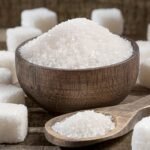
Refined sugar is used in the whole gamut of world food production, beverages, pharmaceutical preparations, bakeries, and household consumption. Though it looks simple—that is, white, sparkling crystals—the process from raw sugarcane or sugar beet to clean, food-grade white refined sugar is very technical. A comprehension of the process is quite necessary not only for consumers but also for industrial buyers who seek consistency and high quality in sugar when manufacturing. refined sugar production process
This in-depth guide explains the step-by-step process through which refined sugar is produced, while proving to buyers that our refined sugar meets strict international standards. Whether you are an importer, distributor, or global manufacturer looking for a reliable source of refined sugar, this guide will provide clarity, confidence, and technical specifications that help buyers make a more informed purchasing decision.
Section 1: The Raw Material – Sugarcane and Sugar Beet
There are two major agricultural sources for refined sugar:
• Sugarcane
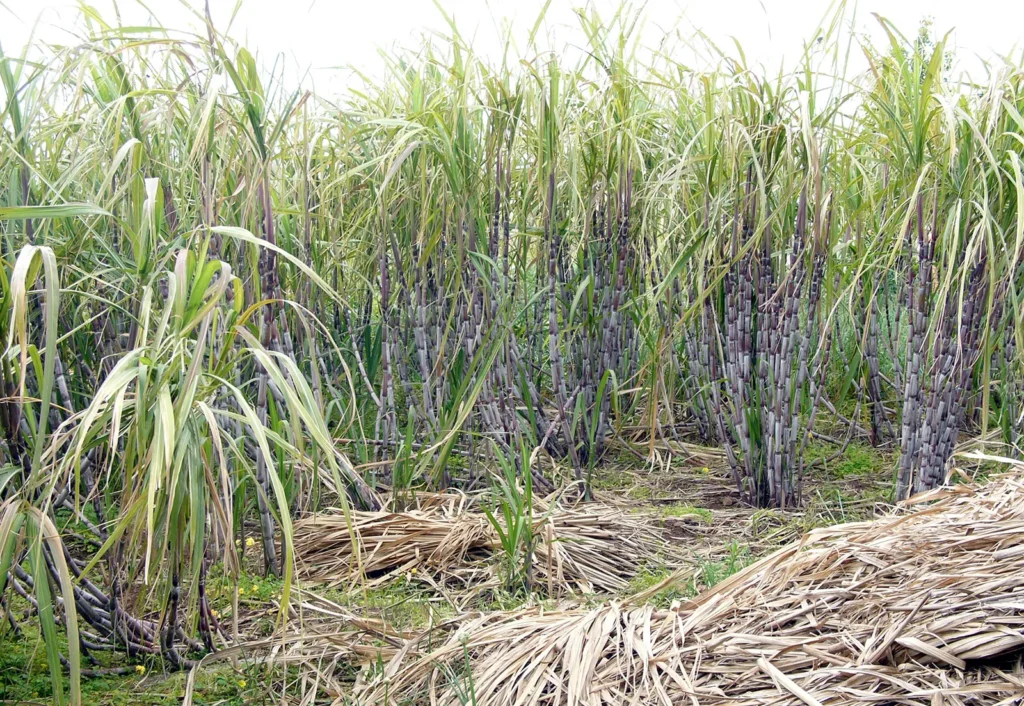
A tropical crop that contains rich sucrose juice. It is primarily used as a source for white refined sugar.
• Sugar Beet
A temperate crop that stores sucrose in its thick white root.
Despite these differences, sucrose, the end product, is chemically identical regardless of source.
Our company supplies refined sugar from cane or beet—whichever the buyer prefers and whatever is available in the region.
Section 2: Harvesting and Transportation
Quality in refined sugar starts with the proper harvesting procedure.
For Sugarcane
- Harvesting is done either by hand or using modern machinery.
- Cane is rapidly transported to the mill to reduce losses of sucrose.
- Freshness affects the final purity directly.
For Sugar Beet
- Mechanical extraction of roots.
- The beets are cleaned before processing at the factory.
We source from farms whose agricultural practices ensure high sucrose content and regular supply throughout the year.
Section 3: Crushing and Extraction
Juice extraction is the major first step following the arrival of raw materials at the mill.
Sugarcane Extraction Process
- Washing cleans the cane from soil and debris.
- It is cut into small pieces.
- Heavy industrial rollers squeeze out the juice.
- Remaining fiber, called bagasse, is used as an environmentally friendly fuel for boilers.
Sugar Beet Extraction Process
- The beets are sliced into thin cossettes.
- The sucrose is then extracted with hot water via a diffusion tower.
- Remaining pulp is used for animal feed.
This high extraction efficiency ensures maximum yield at lower production costs, therefore benefiting bulk buyers.
Section 4: Purification – Clarification and Filtration
Raw juice is composed of sucrose but also impurities like:
- plant fibres
- proteins
- mineral salts
- organic acids
For white refined sugar production, juice must pass through a number of purification steps.
Lime Treatment (Clarification)
- Milk of lime and heat are added.
- Impurities coagulate into solid particles (mud).
- Clear juice rises to the top.
Carbonation or Phosphatation
To achieve higher purity, mills use:
Carbonation
Passing CO₂ through lime-treated juice.
Phosphatation
A treatment with phosphoric acid that precipitates impurities.
Filtration
Final purification is done using:
- pressure filters
- membrane filters
- clarifiers
This renders a clear, gold-colored thin juice suitable for concentration.
Our sugar factories use highly modern technology to assure extremely high ICUMSA purity for sugar, making it ideal for industrial applications worldwide.
Section 5: Evaporation – Concentrating the Juice
The clarified juice is about 10–15% sucrose; it must be concentrated before crystallization can begin.
Multiple Effect Evaporators
- Remove water using steam and vacuum.
- Juice thickens to syrup consistency (60–65% sucrose).
Benefits for buyers include:
- high recovery rate
- low color formation
- consistent granule uniformity
Section 6: Crystallization – Forming Sugar Crystals
This is the heart of sugar refining.
Vacuum Pans
- The syrup is boiled under vacuum.
- Crystallization begins once the solution is saturated.
- Uniform-sized seed crystals are formed.
The mixture now contains crystals and mother liquor, called massecuite.
Granulation Options
Crystals can be produced in various grades depending on the purchaser’s demand:
- Extra Fine
- Fine
- Medium
- Large
We offer customized granulation to suit any industrial customer’s texture requirements.
Section 7: Centrifugation – Separating Crystals from Molasses
The massecuite is transferred to high-speed centrifuges.
What Happens in Centrifuges?
- Crystals are spun at high speed.
- Molasses separates and drains away.
- Crystals are washed to increase whiteness and purity.
This stage produces raw sugar. To obtain white refined sugar, additional steps are required.
Section 8: Affination and Additional Purification
Affination improves the whiteness of raw sugar crystals.
Affination Process
- Raw sugar crystals are mixed with a warm syrup.
- Darker outer coating dissolves.
- Clean crystals remain, ready for refining.
Further Refinery Processing Includes:
- Filtering
- Carbonation
- Ion exchange
- Activated carbon treatment
This step enhances:
- color
- purity
- dissolved clarity
Section 9: Final Crystallization and Drying
After refining, the syrup crystallizes once more into high-purity white refined sugar.
Final Steps
- Crystals are dried in hot-air dryers.
- They are cooled for stability.
- Anti-caking agents are added only upon client request.
Controlled drying ensures:
- long shelf life
- stable granule quality
- safe transport
Section 10: Packaging and Export-Ready Preparation
Refined sugar needs proper packaging to retain its quality.
Available Packaging Options
- 25 kg polypropylene bags
- 50 kg export bags
- 1-ton jumbo bags
- Custom branding available
Each bag is:
- water-resistant
- food-grade certified
- heat-sealed for protection
We ship worldwide using:
- containers (20ft, 40ft)
- bulk carriers
- break-bulk shipments
⭐ Product Specifications (for Buyers)
Below are our standard specifications. Custom specifications are available upon request.
ICUMSA 45 – Premium White Refined Sugar
- Color: Sparkling white
- ICUMSA: 45
- Polarization: 99.8% min
- Moisture: 0.04% max
- Ash content: 0.04% max
- Solubility: 100% dry & free-flowing
- Granulation: Fine to medium
- Suitable for beverages, confectionery, pharmaceuticals, retail packing
ICUMSA 100 – White Crystal Sugar
- Color: White
- ICUMSA: 80–100
- Polarization: 99.7% min
- Moisture: 0.04% max
- Ash content: 0.04% max
- Perfect for bakeries and food processing industries
ICUMSA 150 – Standard White Sugar
- Color: Light white
- ICUMSA: 150
- Polarization: 99.5% min
- Moisture: 0.06% max
- Ideal for general food and industrial applications
Why Choose Our Refined Sugar?
- Global Exporter – supplying worldwide
- Consistent High Quality – meeting strict ICUMSA standards
- Stable Year-Round Supply
- Competitive Bulk Prices
- Traceable Production – from farm to factory
- Flexible Packaging Options
Our sugar is manufactured in modern, hygienic facilities and meets international food safety standards including:
ISO, HACCP, and SGS inspections (upon request).
Refining Process Overview – Step by Step
- Harvesting
- Transportation
- Extraction
- Clarification
- Filtration
- Evaporation
- Crystallization
- Centrifugation
- Affination
- Second crystallization
- Drying
- Packaging and export
Each step helps produce refined sugar with superior purity and quality.
Conclusion: High-Quality Refined Sugar Ready for Global Buyers
Now that you understand how refined sugar is made—from raw crop to perfectly white crystals—you can clearly see why quality differs among suppliers. Our controlled and advanced refining process ensures every shipment meets the highest international standards.
If you’re seeking bulk refined sugar, reliable global shipment, and premium quality with full specifications, we are ready to supply.
Please contact us today for pricing and shipment availability.
Refined Sugar Export to South Africa – Buy in Bulk – Sugar export South Africa